
The Gettysburg Campaign
Reference Books
Kindle Available Hallowed Ground: A Walk at Gettysburg The events that occurred at Gettysburg are etched into our collective memory, as they served to change the course of the Civil War and with it the course of history. More than any other place in the United States, Gettysburg is indeed hallowed ground. It's no surprise that it is one of the nation's most visited sites (nearly two million annual visitors), attracting tourists, military buffs, and students of American history. |
Kindle Available Sickles at Gettysburg: The Controversial Civil War General Who Committed Murder, Abandoned Little Round Top, and Declared Himself the Hero of Gettysburg No individual who fought at Gettysburg was more controversial, both personally and professionally, than Major General Daniel E. Sickles. By 1863, Sickles was notorious as a disgraced former Congressman who murdered his wife's lover on the streets of Washington and used America's first temporary insanity defense to escape justice |
Kindle Available The Louisiana Tigers in the Gettysburg Campaign, June-July 1863 A sweeping history of the Louisiana Tigers; their predecessors, Wheat's Tigers; the organizational structure and leadership of the brigade in 1863; and the personnel that made up its ranks. Covering the Tigers' movements and battle actions in depth |
 A Vast Sea of Misery: A History and Guide to the Union and Confederate Field Hospitals at Gettysburg, July 1-November 20, 1863 Virtually everything you would want to know about post-battle medical care for Union and Confederate soldiers at Gettysburg can be found in this thorough and highly detailed book. Both Civil War and Medical historians will find this book to be very appealing. It is well-illustrated and full of first-hand accounts of the locations |
|||||||||||||||||||||||||||||||||||||||||||||||||||||||||||||||||||||||||||||||||||||||||||||||||||||||||||||||||||||||||||||||||||||||||||||||||||||||||||||||||||||||||||||||||||||||||||||||||||||||||||||||||||||||||||||||||||||||||||||||||||||||||||||||||||||||||||||||||||||||||||||||||||||||||||||||||||||||||||||||||||||||||||||||||||||||||||||||||||||||||||||||||||||||||||||||||||||||||||||||||||||||||||||||||||||||||||||||||||||||||||||||||||||||||||||||||||||||||||||||||||||||||||||||||||||||||||||||||||||||||||||||||||||||||||||||||||||||||||||||||||||||||||||||||||||||||||||||||||||||||||||||||||||||||||||||||||||||||||||||||||||||||||||||||||||||||||||||||||||||||||||||||||||||||||||||||||||||||||||||||||||||||||||||||||||||||||||||||||||||||||||||||||||||||||||||||||||||||||||||||||||||||||||||||||||||||||||||||||||||||||||||||||||||||||||||||||||||||||||||||||||||||||||||||||||||||||||||||||||||||||||||||||||||||||||||||||||||||||||||||||||||||||||||||||||||||||||||||||
 Small Arms at Gettysburg: Infantry and Cavalry Weapons in America's Greatest Battle Here we learn that the smoothbore musket, although beloved by some who carried it, sang its swan song, the rifle-musket began to come into its own, and the repeating rifle, although tactically mishandled, gave a glimpse of future promise. This is the story of the weapons and men who carried them into battle during three days in July 1863 |
Kindle Available Gettysburg--The First Day A detailed tactical description of the first day's fighting. The engagements in McPherson Woods, at the Railroad Cuts, on Oak Ridge, on Seminary Ridge, and at Blocher's Knoll, and the retreat of Union forces through Gettysburg |
Kindle Available Pickett's Charge--The Last Attack at Gettysburg Pickett's July 3, 1863 charge up Cemetery Ridge is the climactic event of the Battle of Gettysburg and the defining moment of the Civil War. |
 Selected Letters of Joshua Lawrence Chamberlain, 1865-1914 Known as the hero of Little Round Top and the commanding officer who accepted the Confederates' surrender at Appomattox. |
|||||||||||||||||||||||||||||||||||||||||||||||||||||||||||||||||||||||||||||||||||||||||||||||||||||||||||||||||||||||||||||||||||||||||||||||||||||||||||||||||||||||||||||||||||||||||||||||||||||||||||||||||||||||||||||||||||||||||||||||||||||||||||||||||||||||||||||||||||||||||||||||||||||||||||||||||||||||||||||||||||||||||||||||||||||||||||||||||||||||||||||||||||||||||||||||||||||||||||||||||||||||||||||||||||||||||||||||||||||||||||||||||||||||||||||||||||||||||||||||||||||||||||||||||||||||||||||||||||||||||||||||||||||||||||||||||||||||||||||||||||||||||||||||||||||||||||||||||||||||||||||||||||||||||||||||||||||||||||||||||||||||||||||||||||||||||||||||||||||||||||||||||||||||||||||||||||||||||||||||||||||||||||||||||||||||||||||||||||||||||||||||||||||||||||||||||||||||||||||||||||||||||||||||||||||||||||||||||||||||||||||||||||||||||||||||||||||||||||||||||||||||||||||||||||||||||||||||||||||||||||||||||||||||||||||||||||||||||||||||||||||||||||||||||||||||||||||||||||
 The Union Cavalry in the Civil War From Fort Sumter to Gettysburg 1861-63 How the Union cavalry was raised, organized, equipped, and trained. Detailed descriptions of the campaigns and battles in which the cavalry engaged--the Peninsula, Shenandoah Valley/Second Bull Run, Lee's invasion of Maryland, Kelly's Ford, Stoneman's 1863 Raid, Brandy Station |
 The Maps of Gettysburg: The Gettysburg Campaign, June 3 - July 13, 1863 The Maps of Gettysburg plows new ground in the study of the campaign by breaking down the entire campaign in 140 detailed original maps. These cartographic originals bore down to the regimental level, and offer Civil Warriors a unique and fascinating approach to studying the always climactic battle of the war. |
 Gettysburg Expedition Guide The CD-ROM is packed with battle map animations, history movies, virtual tours and quiz games. The guidebook and audio tour take you on a tour of the battlefield, complete with battle maps, illustrations and famous photographs. |
 Courage on Little Round Top A Historical Novel Robert Wicker of the Fifteenth Alabama Regiment is promoted to Second Lieutentant after his predecessor was killed in action. Robert's regiment along with the rest of Robert E. Lee's Army of Northern Virginia are now on northern soil. |
|||||||||||||||||||||||||||||||||||||||||||||||||||||||||||||||||||||||||||||||||||||||||||||||||||||||||||||||||||||||||||||||||||||||||||||||||||||||||||||||||||||||||||||||||||||||||||||||||||||||||||||||||||||||||||||||||||||||||||||||||||||||||||||||||||||||||||||||||||||||||||||||||||||||||||||||||||||||||||||||||||||||||||||||||||||||||||||||||||||||||||||||||||||||||||||||||||||||||||||||||||||||||||||||||||||||||||||||||||||||||||||||||||||||||||||||||||||||||||||||||||||||||||||||||||||||||||||||||||||||||||||||||||||||||||||||||||||||||||||||||||||||||||||||||||||||||||||||||||||||||||||||||||||||||||||||||||||||||||||||||||||||||||||||||||||||||||||||||||||||||||||||||||||||||||||||||||||||||||||||||||||||||||||||||||||||||||||||||||||||||||||||||||||||||||||||||||||||||||||||||||||||||||||||||||||||||||||||||||||||||||||||||||||||||||||||||||||||||||||||||||||||||||||||||||||||||||||||||||||||||||||||||||||||||||||||||||||||||||||||||||||||||||||||||||||||||||||||||||
 The Union Generals Speak: The Meade Hearings on the Battle of Gettysburg The first annotated edition of the 1864 congressional investigation into Major General George Gordon Meade's conduct during the Gettysburg campaign. The transcripts alone, which present eyewitness accounts from sixteen participant officers at Gettysburg, offer a wealth of information about the most pivotal battles in American history |
 George Gordon Meade and the War in the East To most students of the Civil War, he is merely the man who was lucky enough to benefit from Confederate mistakes at Gettysburg, but whose shortcomings as a commander compelled Abraham Lincoln to bring in Ulysses S. Grant from the West to achieve victory |
 Meade: Victor of Gettysburg Meade took command only hours before his forces stumbled upon Robert E. Lee's Confederates at Gettysburg, Pennsylvania, in 1863. He led his men to victory in one of the most famous battles in history, but Meade was soon embroiled in political battles with fellow generals and Washington politicians |
Kindle Available The Gettysburg Gospel: The Lincoln Speech That Nobody Knows Reconstructs what really happened in Gettysburg, Pennsylvania, on November 19, 1863. |
|||||||||||||||||||||||||||||||||||||||||||||||||||||||||||||||||||||||||||||||||||||||||||||||||||||||||||||||||||||||||||||||||||||||||||||||||||||||||||||||||||||||||||||||||||||||||||||||||||||||||||||||||||||||||||||||||||||||||||||||||||||||||||||||||||||||||||||||||||||||||||||||||||||||||||||||||||||||||||||||||||||||||||||||||||||||||||||||||||||||||||||||||||||||||||||||||||||||||||||||||||||||||||||||||||||||||||||||||||||||||||||||||||||||||||||||||||||||||||||||||||||||||||||||||||||||||||||||||||||||||||||||||||||||||||||||||||||||||||||||||||||||||||||||||||||||||||||||||||||||||||||||||||||||||||||||||||||||||||||||||||||||||||||||||||||||||||||||||||||||||||||||||||||||||||||||||||||||||||||||||||||||||||||||||||||||||||||||||||||||||||||||||||||||||||||||||||||||||||||||||||||||||||||||||||||||||||||||||||||||||||||||||||||||||||||||||||||||||||||||||||||||||||||||||||||||||||||||||||||||||||||||||||||||||||||||||||||||||||||||||||||||||||||||||||||||||||||||||||
 Brigades of Gettysburg: The Union and Confederate Brigades at the Battle of Gettysburg Brigades of Gettysburg fills this void by presenting a complete account of every brigade unit at Gettysburg and providing a fresh perspective of the battle.Using the words of enlisted men and officers, the author-well-known Civil War historian Bradley Gottfried-weaves a fascinating narrative of the role played by every brigade at the famous three-day battle |
Kindle Available Those Damned Black Hats! The Iron Brigade in the Gettysburg Campaign Memorable Battles at South Mountain, Antietam, Chancellorsville, Mine Run, the Overland Campaign, and the grueling fighting around Petersburg. None of these battles compared with the "four long hours" of July 1, 1863, at Gettysburg, where the Iron Brigade was all but wrecked. |
Kindle Available Gettysburg-Culp's Hill and Cemetery Hill In this companion to his celebrated earlier book, Gettysburg: The Second Day, Pfanz provides the first definitive account of the fighting between the Army of the Potomac and Robert E. Lee's Army of Northern Virginia at Cemetery Hill and Culp's Hill--two of the most critical engagements fought at Gettysburg. 15 maps. 76 illus. |
Kindle Available Gettysburg : The Second Day The full dynamics of Longstreet's Charge on the second day, from the suppression of the Union artillery in the Peach Orchard to the attacks and counterattacks around the Wheat Field, Devil's Den, and Little Round Top. The tactics are explained on regimental level. The assault by Anderson's Division on Cemetery Ridge are included |
|||||||||||||||||||||||||||||||||||||||||||||||||||||||||||||||||||||||||||||||||||||||||||||||||||||||||||||||||||||||||||||||||||||||||||||||||||||||||||||||||||||||||||||||||||||||||||||||||||||||||||||||||||||||||||||||||||||||||||||||||||||||||||||||||||||||||||||||||||||||||||||||||||||||||||||||||||||||||||||||||||||||||||||||||||||||||||||||||||||||||||||||||||||||||||||||||||||||||||||||||||||||||||||||||||||||||||||||||||||||||||||||||||||||||||||||||||||||||||||||||||||||||||||||||||||||||||||||||||||||||||||||||||||||||||||||||||||||||||||||||||||||||||||||||||||||||||||||||||||||||||||||||||||||||||||||||||||||||||||||||||||||||||||||||||||||||||||||||||||||||||||||||||||||||||||||||||||||||||||||||||||||||||||||||||||||||||||||||||||||||||||||||||||||||||||||||||||||||||||||||||||||||||||||||||||||||||||||||||||||||||||||||||||||||||||||||||||||||||||||||||||||||||||||||||||||||||||||||||||||||||||||||||||||||||||||||||||||||||||||||||||||||||||||||||||||||||||||||||
 The Gettysburg Campaign by Edwin B. Coddington A Study in Command |
Gettysburg park licensed guides say that this is the one book they consider the foundation of their knowledge and essential to passing their licensing exam.
An excellent in-depth accounting the Gettysburg campaign The events leading up to the battle of Gettysburg, and the battle itself, stand as one of the most significant points in American history. This narrative covers events several months prior to the battle, with a comparatively brief description of the battle itself. The strength of the book is clearly in the campaign itself, with ample reflection on the motives and causes leading to the conflict. The author skillfully overlays the campaign against the political backdrop of the period, and seems to relate many of the command decisions to Presidental authority. While the author presents little novel information, he has done a masterful job of progessively focusing the reader on the causes of the campaign, the difficulties faced by each of the commanders, the onset of the battle, and the aftermath. The book is impeccably referenced and researched, and stands as a indispensible resource for all interested in the Civil War. This book will appeal to anyone who is serious in their study of Gettysburg. |
Kindle Available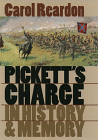 Pickett's Charge in History and Memory by Carol Reardon Civil War America |
Pickett's Charge--the Confederates' desperate (and failed) attempt to break the Union lines on the third and final day of the Battle of Gettysburg--is best remembered as the turning point of the U.S. Civil War. But Penn State historian Carol Reardon reveals how hard it is to remember the past accurately, especially when an event such as this one so quickly slipped into myth. She writes, "From the time the battle smoke cleared, Pickett's Charge took on this chameleonlike aspect and, through a variety of carefully constructed nuances, adjusted superbly to satisfy the changing needs of Northerners, Southerners, and, finally, the entire nation." With care and detail, Reardon's fascinating book teaches a lesson in the uses and misuses of history. |
| 72 Days at Gettysburg by George A. Rummel Organization of the Tenth Regiment, New York Volunteer Cavalry & Assignment to the Town of Gettysburg, Pennsylvania |
Solid research of how a group of Union soldiers prepared themselves, both physically and mentally, prior to the Confederates onslaught of the town of Gettysburg in July 1863. The books reads like a movie, with interesting characters and fascinating events. |
| 35 Days to Gettysburg by Mark V. Nesbitt The Campaign Diaries of Two American Enemies |
The Campaign Diaries Of Two American Enemies by Civil War enthusiast Mark Nesbitt features the daily journal entries of two ordinary soldiers caught up in the American Civil War: Thomas Lewis Ware, a Confederate from rural Georgia; and Franklin Horner, a Union soldier from Pennsylvania coal land. Their various perspectives and recorded experiences (sometimes conflicting, sometimes all too parallel), lead up to one of the bloodiest battles in the entire four year conflict, are vividly recounted with meticulous notes and a comprehensive index in this truly fascinating compilation. |
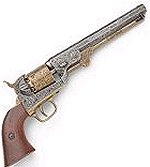 Civil War Model 1851 Naval Pistol with Engraved Silver Tone / Gold Tone Finish and Wooden Grips - Replica of Revolver Used by Both USA / Union and CSA / Confederate Forces | Battle at Gettysburg American Civil War Exhibits Civil War Timeline Documents of the Civil War Civil War Naval Resources Civil War Summary State Battle Maps |  Civil War Soldier 102 Piece Playset
|
| Women Subject Book Titles Company Book Titles Colored Troops |
Civil War Generals Book Titles Young Reader Books Native American Titles |
|
