
Union General Irvin McDowell
Army of the Potomac
Born 1818 Died 1885
|
 Battle at Bull Run: A History of the First Major Campaign of the Civil War The battle, was unique in the Civil War in that no general on either side had ever exercised high command in combat. July 21, 1861 would demonstrate that careers devoted to theoretical studies of warfare provided poor indicators of success in combat. |
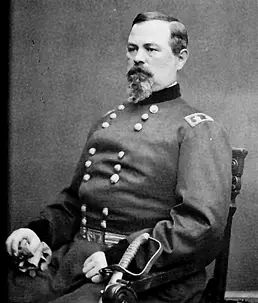


Kindle Title Official Records of the Union and Confederate Armies: General Irvin McDowell's Account of the Battle of First Bull Run Irvin McDowell was a career American army officer, famous for his defeat during the First Battle of Bull Run, the first large-scale battle of the Civil War. McDowell was promoted to brigadier general in the regular army on May 14, 1861, and given command of the Army of Northeastern Virginia, despite never having commanded troops in combat. |  Civil War Soldier 102 Piece Playset
|
Kindle Available A Little Short of Boats: The Civil War Battles of Ball's Bluff and Edwards Ferry, October 21 - 22, 1861 The Northern troops were on largely open ground, poorly organized, and with their backs to the wide river when the Southern infantry attacked. The twelve fitful hours of fighting that followed ended in one of the worst defeats (proportionally speaking) either side would suffer during the entire Civil War |
 Balls Bluff: A Small Battle and Its Long Shadow Confederate troops scored what was probably the most complete victory by either side in the Civil War at a place called Ball's Bluff, thirty-five miles west of Washington, DC, on the Virginia bank of the Potomac River. Union soldiers were driven in a panic off the high bluff into the river, where many of them drowned |
Kindle Available The Passing of Armies: An Account Of The Final Campaign Of The Army Of The Potomac The beginning of the final campaign of the Army of the Potomac against Confederate General Robert E. Lee and the Army of Northern Virginia. It was the spring of 1864 and General Grant had Lee and his army backing up toward what finally became the siege of Petersburg, Virginia. |
 "We Shall Meet Again": The First Battle of Manassas (Bull Run), July 18-21, 1861 The First Battle of Manassas claimed the lives of approximately 878 soldiers and wounded another 2,489. With a battlefield stretching nearly five miles, 15,000 Union and 14,000 Confederate soldiers clashed for four fateful days, many of them young and terrified and receiving their first taste of a long and bitter war |
|||||||||||||||||||||||||||||||||||||||||||||||||||||||||||||||||||||||||||||||||||||||||||||||||||||||||||||||||||||||||||||||||||||||||||||||||||||||||||||||||||||||||||||||||||||||||||||||||||||||||||||||||||||||||||||||||||||||||||||||||||||||||||||||||||||||||||||||||||||||||||||||||||||||||||||||||||||||||||||||||||||||||||||||||||||||||||||||||||||||||||||||||||||||||||||||||||||||||||||||||||||||||||||||||||||||||||||||||||||||||||||||||||||||||||||||||||||||||||||||||||||||||||||||||||||||||||||||||||||||||||||||||||||||||||||||||||||||||||||||||||||||||||||||||||||||||||||||||||||||||||||||||||||||||||||||||||||||||||||||||||||||||||||||||||||||||||||||||||||||||||||||||||||||||||||||||||||||||||||||||||||||||||||||||||||||||||||||||||||||||||||||||||||||||||||||||||||||||||||||||||||||||||||||||||||||||||||||||||||||||||||||||||||||||||||||||||||||||||||||||||||||||||||||||||||||||||||||||||||||||||||||||||||||||||||||||||||||||||||||||||||||||||||||||||||||||||||||||||
Kindle Available The Class of 1846: From West Point to Appomattox: Stonewall Jackson, George McClellan, and Their Brothers No single group of men at West Point has been so indelibly written into history as the class of 1846. The names are legendary: Thomas "Stonewall" Jackson, George B. McClellan, Ambrose Powell Hill, Darius Nash Couch, George Edward Pickett, Cadmus Marcellus Wilcox, and George Stoneman |
 Generals in Bronze: Interviewing the Commanders of the Civil War Revealing interviews with the commanders of the Civil War. In the decades that followed the American Civil War, Artist James E. Kelly (1855-1933) conducted in-depth interviews with over forty Union Generals |
 Encyclopedia of the American Civil War: A Political, Social, and Military History Definitive Reference Work, this volume, rich with over 500 illustrations, 75 maps, and 250 primary source documents, offers more than 1,600 entries that chart the war's strategic aims, analyze diplomatic and political maneuvering, describe key military actions, sketch important participants, assess developments in military science, and discuss the social and financial impact of the conflict. |
Kindle Available The Maps of First Bull Run: An Atlas of the First Bull Run (Manassas) Campaign, including the Battle of Ball's Bluff, June-October 1861 The Maps of First Bull Run breaks down the entire operation (and related actions) into numerous map sets or "action-sections" enriched with more than fifty full-color original full-page maps. These cartographic originals bore down to the regimental and battery level and include the march to and from the battlefield and virtually every significant event in between. |
|||||||||||||||||||||||||||||||||||||||||||||||||||||||||||||||||||||||||||||||||||||||||||||||||||||||||||||||||||||||||||||||||||||||||||||||||||||||||||||||||||||||||||||||||||||||||||||||||||||||||||||||||||||||||||||||||||||||||||||||||||||||||||||||||||||||||||||||||||||||||||||||||||||||||||||||||||||||||||||||||||||||||||||||||||||||||||||||||||||||||||||||||||||||||||||||||||||||||||||||||||||||||||||||||||||||||||||||||||||||||||||||||||||||||||||||||||||||||||||||||||||||||||||||||||||||||||||||||||||||||||||||||||||||||||||||||||||||||||||||||||||||||||||||||||||||||||||||||||||||||||||||||||||||||||||||||||||||||||||||||||||||||||||||||||||||||||||||||||||||||||||||||||||||||||||||||||||||||||||||||||||||||||||||||||||||||||||||||||||||||||||||||||||||||||||||||||||||||||||||||||||||||||||||||||||||||||||||||||||||||||||||||||||||||||||||||||||||||||||||||||||||||||||||||||||||||||||||||||||||||||||||||||||||||||||||||||||||||||||||||||||||||||||||||||||||||||||||||||
 Battleground 7: Bull Run July 21, 1861 The earliest large-scale engagement of the Civil War, the First Battle of Bull Run found J.E. Johnston's outnumbered Rebels fighting a desperate delaying action versus the powerful Union army of Irvin McDowell. It was in this battle that General Thomas J. Jackson earned his famous nickname "Stonewall" |
 Civil War Battles Campaign Atlanta You decide the outcome of a duel between two determined generals in the American Civil War. It's 1864 and the Union forces are ready to make a final drive into the Deep South. General William T. Sherman advances to destroy the Confederate Army of Tennessee & capture the city of Atlanta. Confederate General Joseph E. Johnston planned on using Georgia's difficult terrain to inflict heavy losses |
 Campaign Chickamauga Civil War Battles A defining moment in the Civil War -- one that could have spelled victory for the South if things had been slightly different. At Chickamauga Creek near Chattanooga, TN there was a battle that earned it a new nickname: "River Of Blood." Chattanooga was a vital rail station at the time and had fallen to Union General Rosecrans |
 History Channel Civil War Secret Missions There are about a half-dozen different small arms types, but the Henry is the best for rapid repeating fire and least reloading. The shotgun they give you is useless: you must aim spot-on to affect an enemy, so why not just use the rifle? Grenades are useful at times. |
Source:
United States Army Archieves
