
 Gettysburg and Stories of Valor - Civil War Minutes III DVD Box Set DVD | Gettysburg |
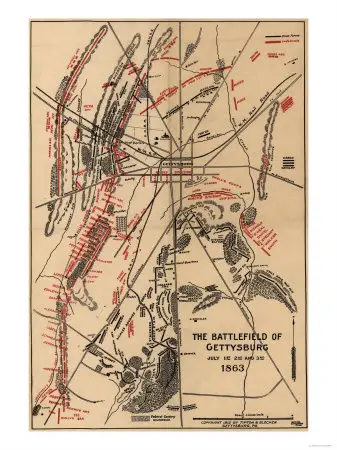
 The Maps of Gettysburg: The Gettysburg Campaign, June 3 - July 13, 1863 |
|
General Stuarts Ride Around Hooker: June 1863 PCN Tours Gettysburg Battlewalks: Pickett's Charge - Pettigrew's Perspective The legendary exploits of the Union and Confederate armies come to life with these informative tours of Gettysburg National Park DVD |
|
Gettysburg July 2, 1863 The cemetary after the Battle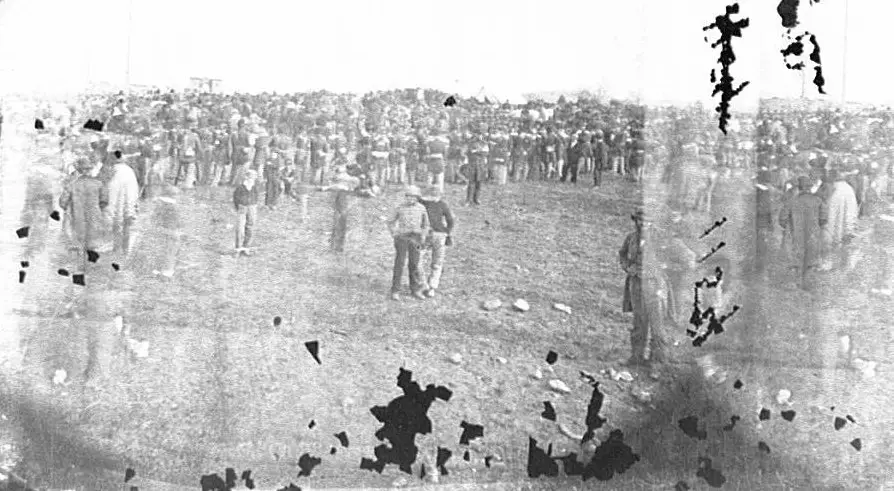
|
 The Civil War - A Film by Ken Burns Here is the saga of celebrated generals and ordinary soldiers, a heroic and transcendent president and a country that had to divide itself in two in order to become one  Pickett's Charge--The Last Attack at Gettysburg Pickett's July 3, 1863 charge up Cemetery Ridge is the climactic event of the Battle of Gettysburg and the defining moment of the Civil War..  Gettysburg: Three Days of Destiny Presented by the Gettysburg Anniversary Committee and filmed at the massive 140th Gettysburg Battle Reenactment. The dramatic story unfolds through both Union and Confederate commanders dispatches, diaries and after-battle reports, with some of the biggest and most exciting Civil War battle sequences ever filmed |


Kindle Available Robert E. Lee This book not only offers concise detail but also gives terrific insight into the state of the Union and Confederacy during Lee's life. Lee was truly a one of kind gentleman and American, and had Virginia not been in the south or neutral, he ultimately would have led the Union forces. |
 Custer Victorious: The Civil War Battles of General George Armstrong Custer Custer was promoted to major general and the helm of the Third Cavalry Division when he was only twenty-four. Urwin describes the Boy General's vital contributions to Union victories from Gettysburg to Appomattox. |
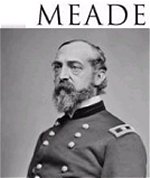 Meade: Victor of Gettysburg Meade took command only hours before his forces stumbled upon Robert E. Lee's Confederates at Gettysburg, Pennsylvania, in 1863. He led his men to victory in one of the most famous battles in history, but Meade was soon embroiled in political battles with fellow generals and Washington politicians |
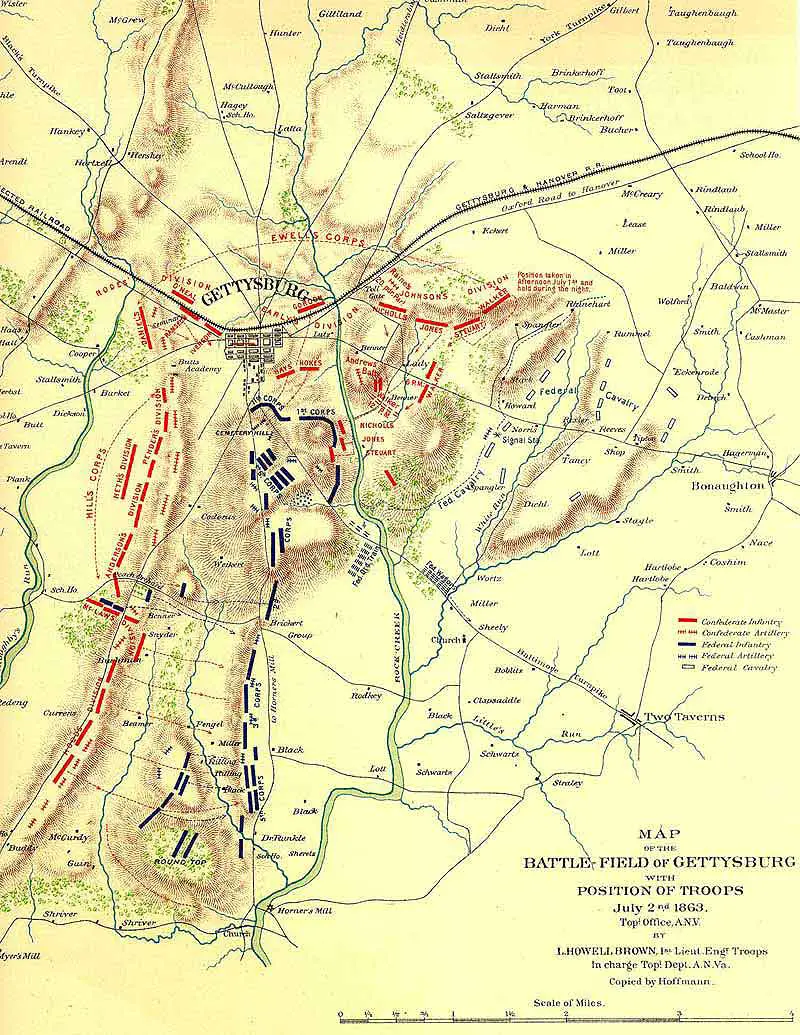
The Maps of Gettysburg: The Gettysburg Campaign, June 3 - July 13, 1863 The Maps of Gettysburg plows new ground in the study of the campaign by breaking down the entire campaign in 140 detailed original maps. These cartographic originals bore down to the regimental level, and offer Civil Warriors a unique and fascinating approach to studying the always climactic battle of the war. |
|||||||||||||||||||||||||||||||||||||||||||||||||||||||||||||||||||||||||||||||||||||||||||||||||||||||||||||||||||||||||||||||||||||||||||||||||||||||||||||||||||||||||||||||||||||||||||||||||||||||||||||||||||||||||||||||||||||||||||||||||||||||||||||||||||||||||||||||||||||||||||||||||||||||||||||||||||||||||||||||||||||||||||||||||||||||||||||||||||||||||||||||||||||||||||||||||||||||||||||||||||||||||||||||||||||||||||||||||||||||||||||||||||||||||||||||||||||||||||||||||||||||||||||||||||||||||||||||||||||||||||||||||||||||||||||||||||||||||||||||||||||||||||||||||||||||||||||||||||||||||||||||||||||||||||||||||||||||||||||||||||||||||||||||||||||||||||||||||||||||||||||||||||||||||||||||||||||||||||||||||||||||||||||||||||||||||||||||||||||||||||||||||||||||||||||||||||||||||||||||||||||||||||||||||||||||||||||||||||||||||||||||||||||||||||||||||||||||||||||||||||||||||||||||||||||||||||||||||||||||||||||||||||||||||||||||||||||||||||||||||||||||||||||||||||||||||||||||||||
 Small Arms at Gettysburg: Infantry and Cavalry Weapons in America's Greatest Battle Here we learn that the smoothbore musket, although beloved by some who carried it, sang its swan song, the rifle-musket began to come into its own, and the repeating rifle, although tactically mishandled, gave a glimpse of future promise. This is the story of the weapons and men who carried them into battle during three days in July 1863 |
Kindle Available Gettysburg--The First Day A detailed tactical description of the first day's fighting. The engagements in McPherson Woods, at the Railroad Cuts, on Oak Ridge, on Seminary Ridge, and at Blocher's Knoll, and the retreat of Union forces through Gettysburg |
 Courage on Little Round Top A Historical Novel Robert Wicker of the Fifteenth Alabama Regiment is promoted to Second Lieutentant after his predecessor was killed in action. Robert's regiment along with the rest of Robert E. Lee's Army of Northern Virginia are now on northern soil. |
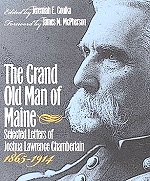 Selected Letters of Joshua Lawrence Chamberlain, 1865-1914 Known as the hero of Little Round Top and the commanding officer who accepted the Confederates' surrender at Appomattox. |
|||||||||||||||||||||||||||||||||||||||||||||||||||||||||||||||||||||||||||||||||||||||||||||||||||||||||||||||||||||||||||||||||||||||||||||||||||||||||||||||||||||||||||||||||||||||||||||||||||||||||||||||||||||||||||||||||||||||||||||||||||||||||||||||||||||||||||||||||||||||||||||||||||||||||||||||||||||||||||||||||||||||||||||||||||||||||||||||||||||||||||||||||||||||||||||||||||||||||||||||||||||||||||||||||||||||||||||||||||||||||||||||||||||||||||||||||||||||||||||||||||||||||||||||||||||||||||||||||||||||||||||||||||||||||||||||||||||||||||||||||||||||||||||||||||||||||||||||||||||||||||||||||||||||||||||||||||||||||||||||||||||||||||||||||||||||||||||||||||||||||||||||||||||||||||||||||||||||||||||||||||||||||||||||||||||||||||||||||||||||||||||||||||||||||||||||||||||||||||||||||||||||||||||||||||||||||||||||||||||||||||||||||||||||||||||||||||||||||||||||||||||||||||||||||||||||||||||||||||||||||||||||||||||||||||||||||||||||||||||||||||||||||||||||||||||||||||||||||||
|
Pickett's Charge--The Last Attack at Gettysburg Pickett's July 3, 1863 charge up Cemetery Ridge is the climactic event of the Battle of Gettysburg and the defining moment of the Civil War. |
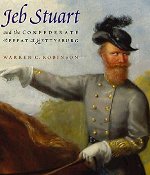 Jeb Stuart and the Confederate Defeat at Gettysburg Warren C. Robinson reassesses the historical record to come to a clearer view of Stuart's orders for the crucial battle (as well as what was expected of him), of his actual performance, and of the impact his late arrival had on the outcome of the campaign. |
Kindle Available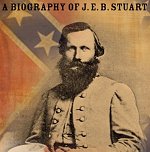 Cavalryman of the Lost Cause: A Biography of J. E. B. Stuart James Ewell Brown Stuart was the premier cavalry commander of the Confederacy. He gained a reputation for daring early in the war when he rode around the Union army in the Peninsula Campaign, providing valuable intelligence to General Robert E. Lee at the expense of Union commander George B. McClellan |
 Fighting with Jeb Stuart: Major James Breathed and the Confederate Horse Artillery Biography of this important Southern officer, a brave and virtuous warrior who embodied all the qualities that made the Confederate Army one of the finest in history. Major Breathed was involved in eighty-six battles, engagements and skirmishes. |
|||||||||||||||||||||||||||||||||||||||||||||||||||||||||||||||||||||||||||||||||||||||||||||||||||||||||||||||||||||||||||||||||||||||||||||||||||||||||||||||||||||||||||||||||||||||||||||||||||||||||||||||||||||||||||||||||||||||||||||||||||||||||||||||||||||||||||||||||||||||||||||||||||||||||||||||||||||||||||||||||||||||||||||||||||||||||||||||||||||||||||||||||||||||||||||||||||||||||||||||||||||||||||||||||||||||||||||||||||||||||||||||||||||||||||||||||||||||||||||||||||||||||||||||||||||||||||||||||||||||||||||||||||||||||||||||||||||||||||||||||||||||||||||||||||||||||||||||||||||||||||||||||||||||||||||||||||||||||||||||||||||||||||||||||||||||||||||||||||||||||||||||||||||||||||||||||||||||||||||||||||||||||||||||||||||||||||||||||||||||||||||||||||||||||||||||||||||||||||||||||||||||||||||||||||||||||||||||||||||||||||||||||||||||||||||||||||||||||||||||||||||||||||||||||||||||||||||||||||||||||||||||||||||||||||||||||||||||||||||||||||||||||||||||||||||||||||||||||||
Civil War History Book Club Additional Reading
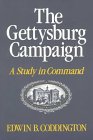 The Gettysburg Campaign by Edwin B. Coddington A Study in Command |
Gettysburg park licensed guides say that this is the one book they consider the foundation of their knowledge and essential to passing their licensing exam.
An excellent in-depth accounting the Gettysburg campaign The events leading up to the battle of Gettysburg, and the battle itself, stand as one of the most significant points in American history. This narrative covers events several months prior to the battle, with a comparatively brief description of the battle itself. The strength of the book is clearly in the campaign itself, with ample reflection on the motives and causes leading to the conflict. The author skillfully overlays the campaign against the political backdrop of the period, and seems to relate many of the command decisions to Presidental authority. While the author presents little novel information, he has done a masterful job of progessively focusing the reader on the causes of the campaign, the difficulties faced by each of the commanders, the onset of the battle, and the aftermath. The book is impeccably referenced and researched, and stands as a indispensible resource for all interested in the Civil War. This book will appeal to anyone who is serious in their study of Gettysburg. |
 Gettysburg: The Second Day by Harry W. Pfanz |
The full dynamics of Longstreet's Charge on the second day, from the suppression of the Union artillery in the Peach Orchard to the attacks and counterattacks around the Wheat Field, Devil's Den, and Little Round Top. The tactics are explained on regimental level. The assault by Anderson's Division on Cemetery Ridge are included |
Kindle Available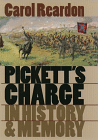 Pickett's Charge in History and Memory by Carol Reardon Civil War America |
Pickett's Charge--The Battle of Gettysburg--is best remembered as the turning point of the U.S. Civil War. But Penn State historian Carol Reardon reveals how hard it is to remember the past accurately, especially when an event such as this one so quickly slipped into myth. She writes, "From the time the battle smoke cleared, Pickett's Charge took on this chameleon like aspect and, through a variety of carefully constructed nuances, adjusted superbly to satisfy the changing needs of Northerners, Southerners, and, finally, the entire nation." |
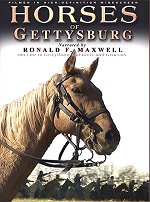 Horses of Gettysburg Civil War Minutes Filmed in high definition with charging horses, battlefield panoramas and no "talking heads," this cinematic documentary tells the story of the estimated 72,000 horses and mules that fought at the Battle of Gettysburg and uncovers the strategies employed to ensure that the millions of animals in service with the North and South remained healthy and well-trained for action. |
Gettysburg and Stories of Valor - Civil War Minutes III DVD Box Set This 3-hour documentary captures the scenic beauty of the Gettysburg battlefield, examines rare Civil War artifacts and tells the personal stories of the men who fought in the war. |
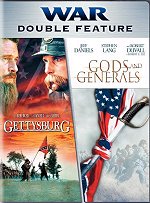 Gettysburg / Gods and Generals The tide of the war changes during three fierce days of combat at Gettysburg [Disc 1] the gripping saga of the tactics command errors and sacrifices behind the bloodiest battle ever fought on U.S. soil. Gods and Generals [Disc 2] reveals the spirited allegiances and fierce combat of earlier Civil War struggles |
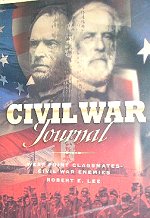 Civil War Journal West Point Classmates - Civil War Enemies Beyond the pages of history and into the personal stories behind the Great Conflict |
|||||||||||||||||||||||||||||||||||||||||||||||||||||||||||||||||||||||||||||||||||||||||||||||||||||||||||||||||||||||||||||||||||||||||||||||||||||||||||||||||||||||||||||||||||||||||||||||||||||||||||||||||||||||||||||||||||||||||||||||||||||||||||||||||||||||||||||||||||||||||||||||||||||||||||||||||||||||||||||||||||||||||||||||||||||||||||||||||||||||||||||||||||||||||||||||||||||||||||||||||||||||||||||||||||||||||||||||||||||||||||||||||||||||||||||||||||||||||||||||||||||||||||||||||||||||||||||||||||||||||||||||||||||||||||||||||||||||||||||||||||||||||||||||||||||||||||||||||||||||||||||||||||||||||||||||||||||||||||||||||||||||||||||||||||||||||||||||||||||||||||||||||||||||||||||||||||||||||||||||||||||||||||||||||||||||||||||||||||||||||||||||||||||||||||||||||||||||||||||||||||||||||||||||||||||||||||||||||||||||||||||||||||||||||||||||||||||||||||||||||||||||||||||||||||||||||||||||||||||||||||||||||||||||||||||||||||||||||||||||||||||||||||||||||||||||||||||||||||
 PCN Tours Gettysburg Battlewalks: Lee's Retreat Through Monterey Pass |
PCN Gettysburg Battlewalks: The First Shots |
PCN Tours Gettysburg Battlewalks: The Valley of Death |
PCN Tours Gettysburg Battlewalks: Armistead's Brigade |
|||||||||||||||||||||||||||||||||||||||||||||||||||||||||||||||||||||||||||||||||||||||||||||||||||||||||||||||||||||||||||||||||||||||||||||||||||||||||||||||||||||||||||||||||||||||||||||||||||||||||||||||||||||||||||||||||||||||||||||||||||||||||||||||||||||||||||||||||||||||||||||||||||||||||||||||||||||||||||||||||||||||||||||||||||||||||||||||||||||||||||||||||||||||||||||||||||||||||||||||||||||||||||||||||||||||||||||||||||||||||||||||||||||||||||||||||||||||||||||||||||||||||||||||||||||||||||||||||||||||||||||||||||||||||||||||||||||||||||||||||||||||||||||||||||||||||||||||||||||||||||||||||||||||||||||||||||||||||||||||||||||||||||||||||||||||||||||||||||||||||||||||||||||||||||||||||||||||||||||||||||||||||||||||||||||||||||||||||||||||||||||||||||||||||||||||||||||||||||||||||||||||||||||||||||||||||||||||||||||||||||||||||||||||||||||||||||||||||||||||||||||||||||||||||||||||||||||||||||||||||||||||||||||||||||||||||||||||||||||||||||||||||||||||||||||||||||||||||||
U.S. National Park Service
U.S. Library of Congress.
|
Books Civil War Womens Subjects Young Readers Military History DVDs Confederate Store Civil War Games Music CDs Reenactors |
