
Kindle Available The Negro's Civil War: How American Blacks Felt and Acted During the War for the Union In this classic study, Pulitzer Prize-winning author James M. McPherson deftly narrates the experience of blacks--former slaves and soldiers, preachers, visionaries, doctors, intellectuals, and common people--during the Civil War | Chaffin's Farm |
| Colored Troops displayed their worth at the Battle of New Market Heights (Chaffin's Farm) near Richmond on September 29, 1864. Fourteen men, including Christian Fleetwood, who later became an active community leader in Washington, D.C. were presented the Medal of Honor for valor at New Market Heights. Several were awarded to men who took charge of their units after all white commanders had fallen. Soldiers of distinction were also given the Army of the James or "Butler" medal, designated by champion of the black troops, Gen. Benjamin Butler and the only medal created solely for the United States Colored Troops |
Honor in Command: Lt. Freeman S. Bowley's Civil War Service in the 30th United States Colored Infantry
A young white officer who served as a lieutenant in a regiment of U.S. Colored Troops in the Union Army, is the work of a superb storyteller who describes how his Civil War experiences transformed him from a callow youth into an honorable man.
|
 Where Death and Glory Meet: Colonel Robert Gould Shaw and the 54th Massachusetts Infantry July 18, 1863, the African American soldiers of the Fifty-Fourth Massachusetts Infantry led a courageous but ill-fated charge on Fort Wagner, a key bastion guarding Charleston harbor. Confederate defenders killed, wounded, or made prisoners of half the regiment. Only hours later, the body of Colonel Robert Gould Shaw, the regiment's white commander, was thrown into a mass grave with those of twenty of his men. |
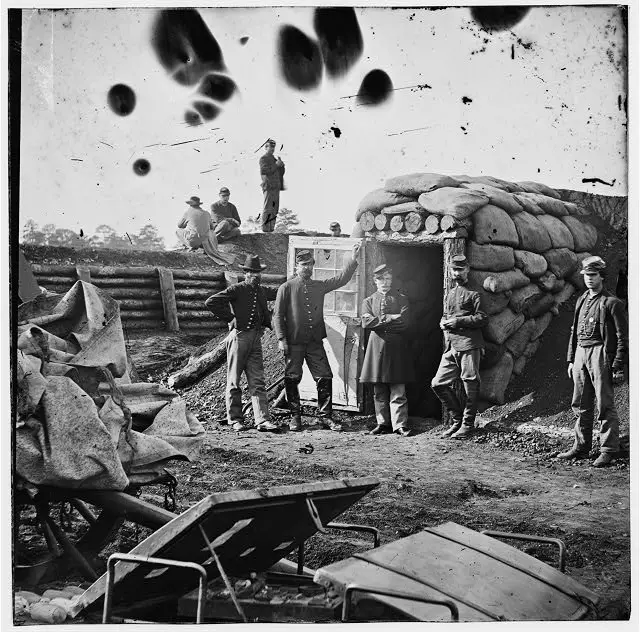
Fort Burnham, Virginia (the former Confederate Fort Harrison). Federal soldiers in front of bomb-proof headquarters


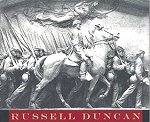 Where Death and Glory Meet: Colonel Robert Gould Shaw and the 54th Massachusetts Infantry The history of how our culture determines manhood. Although a rather detached supporter of abolition, Shaw was skeptical about the fighting abilities of freedmen, and initially declined the command. When he did accept, he was aware that the eyes of the nation were on his regiment, and his training of them was relentless. The 54th measured up by proving itself in battle |
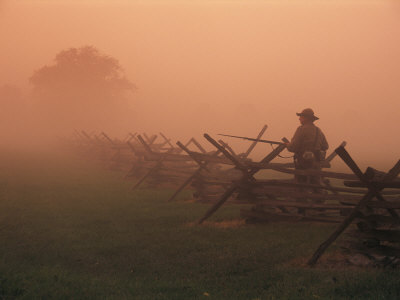 The Civil War Battlefield at New Market, Virginia Photographic Print 24 in. x 18 in. Buy at AllPosters.com Framed Mounted |
|
Kindle Available Grant Wins the War Decision at Vicksburg A brilliantly constructed new account,A penetrating analysis of Grant's strategies and actions leading to the Union victory at Vicksburg. Approaching these epic events from a unique and well-rounded perspective, and based on careful research  Civil War Musket Wood & Steel Frontier Rifle Designed After The Original Rifle |
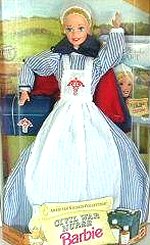 Civil War Nurse Barbie Part of the American Stories Collection. |
Virginia State Battle Map 1864 State Battle Maps History of Colored Troops Appomattox Courthouse Women Civil War Soldiers Civil War Music Civil War Campaigns Ships and Naval Battles Civil War Timeline American Civil War Exhibits Confederate Commanders Documents of the Civil War |
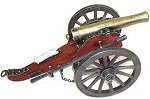 Civil War Cannon Collectible Models and childrens playsets Miniature Collectible Civil War Cannon12 pound Civil War field cannon replica weapon |
Kindle Available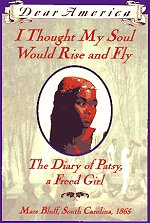 I Thought My Soul Would Rise and Fly: The Diary of Patsy, a Freed Girl, Mars Bluff, South Carolina 1865 Not only is 12-year-old Patsy a slave, but she's also one of the least important slaves, since she stutters and walks with a limp. So when the war ends and she's given her freedom, Patsy is naturally curious and afraid of what her future will hold. |
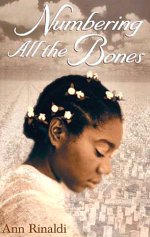 Numbering The Bones The Civil War is at an end, but for thirteen-year-old Eulinda, it is no time to rejoice. Her younger brother Zeke was sold away, her older brother Neddy joined the Northern war effort,. With the help of Clara Barton, the eventual founder of the Red Cross, Eulinda must find a way to let go of the skeletons from her past. |
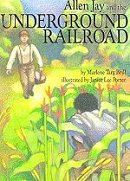 Allen Jay and the Underground Railroad Allen Jay and the Underground Railroad is the retelling of a man's recollections of his first experience helping an escaped slave. The book brings the underground railroad down to the level primary students can comprehend. This book makes for wonderful discussions regarding overcoming one's fears, going against the norm and doing what you believe to be morally correct. |
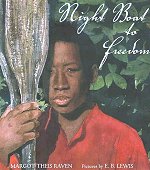 Night Boat To Freedom Night Boat to Freedom is a wonderful story about the Underground Railroad, as told from the point of view of two "ordinary" people who made it possible. Beyond that, it is a story about dignity and courage, and a devotion to the ideal of freedom. |
Kindle Available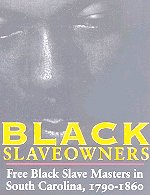 Black Slaveowners: Free Black Slave Masters in South Carolina, 1790-1860 An analysis of all aspects and particularly of the commercialism of black slaveowning debunks the myth that black slaveholding was a benevolent institution based on kinship, and explains the transition of black masters from slavery to paid labor. |
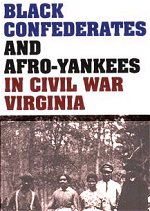 Black Confederates and Afro-Yankees in Civil War Virginia African American life in Virginia, both slave and free, during the civil war, from soldiers who fought in the Confederate and Union armies to those who acted as spies |
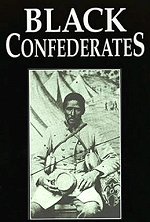 Black Confederates It was illegal for Blacks to carry arms until March of 1865, and numerous Confederate Government documents attest to the illegality of using slaves and free Blacks in that capacity |
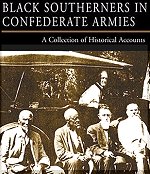 Black Southerners in Confederate Armies Official records, newspaper articles, and veterans' accounts to tell the stories of the Black Confederates. This well researched collection is a contribution to the discussion about the numbers of black Southerners involved and their significant history. |
|||||||||||||||||||||||||||||||||||||||||||||||||||||||||||||||||||||||||||||||||||||||||||||||||||||||||||||||||||||||||||||||||||||||||||||||||||||||||||||||||||||||||||||||||||||||||||||||||||||||||||||||||||||||||||||||||||||||||||||||||||||||||||||||||||||||||||||||||||||||||||||||||||||||||||||||||||||||||||||||||||||||||||||||||||||||||||||||||||||||||||||||||||||||||||||||||||||||||||||||||||||||||||||||||||||||||||||||||||||||||||||||||||||||||||||||||||||||||||||||||||||||||||||||||||||||||||||||||||||||||||||||||||||||||||||||||||||||||||||||||||||||||||||||||||||||||||||||||||||||||||||||||||||||||||||||||||||||||||||||||||||||||||||||||||||||||||||||||||||||||||||||||||||||||||||||||||||||||||||||||||||||||||||||||||||||||||||||||||||||||||||||||||||||||||||||||||||||||||||||||||||||||||||||||||||||||||||||||||||||||||||||||||||||||||||||||||||||||||||||||||||||||||||||||||||||||||||||||||||||||||||||||||||||||||||||||||||||||||||||||||||||||||||||||||||||||||||||||||
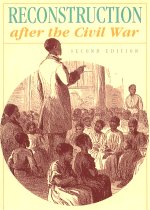 Reconstruction after the Civil War Chicago History of US Civilization Praised for cutting through the controversial scholarship and popular myths of the time to provide an accurate account of the role of former slaves during this period in American history |
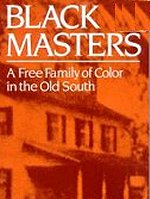 Black Masters: A Free Family of Color in the Old South This book focuses on biracial persons of white/black ancestry. Persons who tend to be dark complected often consider themselves to be black and because the laws of antebellum South Carolina clearly differentiated between whites and free persons who did not fall into the white category |
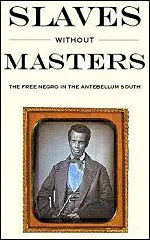 Slaves without Masters The Free Negro in the Antebellum South The moving story of the quarter of a million free black men and women who lived in the South before the Civil War. portraying their struggle for community, economic independence, and education within an oppressive society. |
Kindle Available Black Slaveowners: Free Black Slave Masters in South Carolina, 1790-1860 An analysis of all aspects and particularly of the commercialism of black slaveowning debunks the myth that black slaveholding was a benevolent institution based on kinship, and explains the transition of black masters from slavery to paid labor. |
|||||||||||||||||||||||||||||||||||||||||||||||||||||||||||||||||||||||||||||||||||||||||||||||||||||||||||||||||||||||||||||||||||||||||||||||||||||||||||||||||||||||||||||||||||||||||||||||||||||||||||||||||||||||||||||||||||||||||||||||||||||||||||||||||||||||||||||||||||||||||||||||||||||||||||||||||||||||||||||||||||||||||||||||||||||||||||||||||||||||||||||||||||||||||||||||||||||||||||||||||||||||||||||||||||||||||||||||||||||||||||||||||||||||||||||||||||||||||||||||||||||||||||||||||||||||||||||||||||||||||||||||||||||||||||||||||||||||||||||||||||||||||||||||||||||||||||||||||||||||||||||||||||||||||||||||||||||||||||||||||||||||||||||||||||||||||||||||||||||||||||||||||||||||||||||||||||||||||||||||||||||||||||||||||||||||||||||||||||||||||||||||||||||||||||||||||||||||||||||||||||||||||||||||||||||||||||||||||||||||||||||||||||||||||||||||||||||||||||||||||||||||||||||||||||||||||||||||||||||||||||||||||||||||||||||||||||||||||||||||||||||||||||||||||||||||||||||||||||
Civil War History Documentary DVD Movie Titles
|
U.S. National Park Service
U.S. Library of Congress.
City of Alexandria Virginia
