
American Civil War
Naval Timeline 1863
| 1 January CSS Bayou City and Neptune engaged the Union fleet at Galveston, forcing the North's withdrawal from that foothold on the Texas coast. USS Harriet Lane was captured and USS Westfield was destroyed. Gunboats under Rear Admiral D. D. Porter, with troops embarked, compelled the surrender of Fort Hindman (Arkansas Post) on the Arkansas River. 11 January CSS Alabama , Captain R. Semmes, engaged and sank USS Hatteras , Lieutenant Commander H. C. Blake, off Galveston. 14 January Joint Army-Navy forces attacked Confederate positions at Bayou Teche, Louisiana, compelling a Southern withdrawal and the subsequent destruction of gunboat CSS Cotton . 17 January CSS Josiah Bell and Uncle Ben captured USS Morning Light and Velocity , temporarily lifting the blockade of Sabine Pass, Texas. 30 January USS Commodore Perry and Army troops severed Confederate supply lines to Richmond via the Perquimans River, North Carolina. 31 January CSS Palmetto State and Chicora attacked the blockading fleet off Charleston; USS Mercedita and Keystone State were heavily damaged and struck their flags. 14 February USS Queen of the West grounded in the Black River and was abandoned under heavy fire. 24 February CSS William H. Webb and Queen of the West engaged and sank ram USS Indianola below Warrenton, Mississippi. USS Montauk, Wissahickon, Seneca , and Dawn shelled and destroyed blockade runner Rattlesnake (formerly CSS Nashville ) under the guns of Fort McAllister, Georgia. For more than a month, Union ironclads had been bombarding the fort guarding the approaches to Savannah. 11 March Ships of the Yazoo Pass Expedition, begun in February with the objective of cutting off Vicksburg in the rear, engaged Fort Pemberton, Mississippi. The expedition ultimately had to retire without achieving its purpose. 14 March Rear Admiral D. G. Farragut passed the heavy batteries at Port Hudson with USS Hartford and Albatross to establish an effective blockade of the vital Red River supply lines. Confederate troops opened a sustained attack on Union forces at Washington, North Carolina, but Northern warships, moving swiftly to the support of the soldiers, halted the assault. Rear Admiral S. F. Du Pont's ironclad squadron engaged strong Confederate forts in Charleston harbor in an attempt to penetrate the defenses and capture the city. The ironclads were heavily damaged and the attack was broken off; USS Keokuk sank the next day. Gunboats under Rear Admiral D. D. Porter escorting Army transports successfully passed the Vicksburg batteries preparatory to attacking Grand Gulf. 3 May Rear Admiral Porter's force and troops under Major General U. S. Grant forced the evacuation of Grand Gulf. Porter reported: ''The Navy holds the door to Vicksburg.'' 17 June CSS Atlanta , with two wooden steamers in company, engaged USS Weehawken and Nahant in Wassaw Sound, Georgia. The heavy Confederate warship grounded and was compelled to surrender. 4 July Vicksburg surrendered after a lengthy bombardment and siege by Union naval and land forces. President Lincoln wrote: ''The Father of Waters again goes unvexed to the sea.'' 9 July Port Hudson, Louisiana, surrendered after prolonged attack by Northern sea and land forces. The Union had won the war in the West. Rear Admiral J. A. Dahlgren's ironclads renewed the bombardment of Charleston defenses, opening on Fort Wagner, Morris Island. 13 July Yazoo City, Mississippi, was captured by a joint Army-Navy expedition. 1 August Rear Admiral D. D. Porter relieved Rear Admiral D. G. Farragut of command of the lower half of the Mississippi and assumed command of the River from New Orleans to the headwaters. 5 August USS Commodore Barney was severely damaged by Confederate electric torpedo in the James River above Dutch Gap, Virginia. 29 August Confederate submarine H. L. Hunley , Lieutenant J. A. Payne, CSN, sank for the first time in Charleston harbor after making practice dives preparatory to attacking the blockading fleet. 6 September Morris Island, Charleston harbor, was evacuated by Confederate forces after nearly 2 months of intensive bombardment from afloat and ashore. CSS Uncle Ben and shore batteries turned back a Union expedition to take Sabine Pass, Texas. USS Clifton and Sachem were disabled and surrendered. 5 October CSS David , Lieutenant W. T. Glassell, exploded a spar torpedo against USS New Ironsides in an attempt to destroy the heavy blockader off Charleston. New Ironsides was damaged but not destroyed. 15 October Submarine H. L. Hunley sank for the second time in Charleston harbor. The part owner for whom she was named and a crew of seven perished in the accident, but she was again recovered and a third crew volunteered to man her. 31 October During October, instruction began for 52 midshipmen at the Confederate States Naval Academy on board CSS Patrick Henry in the James River. 2-4 November Naval forces convoyed and supported Army troops at Brazos Santiago, Texas, where the Union secured a valuable position on the Mexican border. As a result of this operation, Brownsville, Texas, was also evacuated. 7 December Steamer Chesapeake en route Portland, Maine, was seized off Cape Cod by Confederates disguised as passengers and carried to Nova Scotia. |
Kindle Available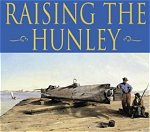 Raising the Hunley: The Remarkable History and Recovery of the Lost Confederate Submarine For more than a century the fate of the Hunley remained one of the great unsolved mysteries of the Civil War. Then, on August 8, 2000, with thousands of spectators crowding Charleston Harbor, the Hunley was raised from the bottom of the sea and towed ashore. Kindle Available  Naval Strategies of the Civil War: Confederate Innovations and Federal Opportunism The first ironclad ships to fight each other, the Monitor and the Virginia (Merrimack), were the unique products of American design genius 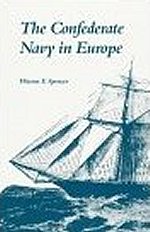 The Confederate Navy in Europe Full account of the European activities of the Confederate navy during the American Civil War, including information on the Southerners who procured naval vessels in Great Britain and France, the construction of the ships, and the legal and political impact on the European governments that assisted in the Confederate cause. Kindle Available 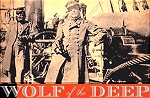 Wolf of the Deep: Raphael Semmes and the Notorious Confederate Raider CSS Alabama In July 1862, the Confederate captain Raphael Semmes received orders to report to Liverpool, where he would take command of a secret new British-built steam warship. His mission: to prey on Union commercial vessels and undermine the North's ability to continue the war 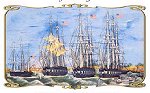 The Civil War on Hatteras Island North Carolina New light on the experiences of Civil War soldiers stationed on the Outer Banks. It follows the crucial maritime battles along the Outer Banks and the famous Burnsides Expedition. Aa fascinating history of how one of America's most treasured islands played a significant part in the Civil War |
Civil War Ships and Battles
Battle of the Monitor
United States Navy DVDs
Civil War Submarines
Young Reader Selections
Recipes and Cookbooks
Civil War Summary
DVD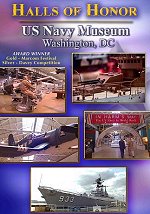 Halls of Honor The U.S. Navy Museum takes you on an informed and entertaining romp through one of North America s oldest and finest military museums. The museum has been in continuous operation at the Washington Navy Yard since the American Civil War |
DVD Raise The Alabama She was known as "the ghost ship." During the Civil War, the CSS Alabama sailed over 75,000 miles and captured more than 60 Union vessels. But her career came to an end in June of 1864 when she was sunk by the USS Kearsarge off the coast of Northern France |
 Ironclads and Big Guns of the Confederacy : The Journal and Letters of John M. Brooke Information about the Confederate Navy's effort to supply its fledgling forces, the wartime diaries and letters of John M. Brooke tell the neglected story of the Confederate naval ordnance office, its innovations, and its strategic vision. |
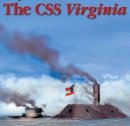 Confederate Phoenix The CSS Virginia The CSS Virginia of the Confederate States Navy destroyed two of the most formidable warships in the U.S. Navy. Suddenly, with this event, every wooden warship in every navy in the world became totally obsolete |
|||||||||||||||||||||||||||||||||||||||||||||||||||||||||||||||||||||||||||||||||||||||||||||||||||||||||||||||||||||||||||||||||||||||||||||||||||||||||||||||||||||||||||||||||||||||||||||||||||||||||||||||||||||||||||||||||||||||||||||||||||||||||||||||||||||||||||||||||||||||||||||||||||||||||||||||||||||||||||||||||||||||||||||||||||||||||||||||||||||||||||||||||||||||||||||||||||||||||||||||||||||||||||||||||||||||||||||||||||||||||||||||||||||||||||||||||||||||||||||||||||||||||||||||||||||||||||||||||||||||||||||||||||||||||||||||||||||||||||||||||||||||||||||||||||||||||||||||||||||||||||||||||||||||||||||||||||||||||||||||||||||||||||||||||||||||||||||||||||||||||||||||||||||||||||||||||||||||||||||||||||||||||||||||||||||||||||||||||||||||||||||||||||||||||||||||||||||||||||||||||||||||||||||||||||||||||||||||||||||||||||||||||||||||||||||||||||||||||||||||||||||||||||||||||||||||||||||||||||||||||||||||||||||||||||||||||||||||||||||||||||||||||||||||||||||||||||||||||||
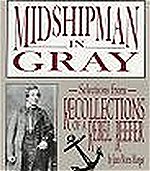 Midshipman in Gray: Selections from Recollections of a Rebel Reefer |
Kindle Available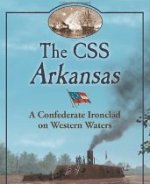 The CSS Arkansas: A Confederate Ironclad on Western Waters While the Monitor and Merrimack are the most famous of the Civil War ironclads, the Confederacy had another ship in its flotilla that carried high hopes and a metal hull. The makeshift CSS Arkansas, completed by Lt. Isaac Newton Brown and manned by a mixed crew of volunteers, gave the South a surge of confidence when it launched in 1862. |
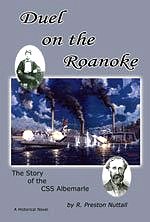 Duel on the Roanoke - The True Story of the CSS Albemarle A 158-foot Confederate ironclad ship built in a cornfield 90 miles up North Carolina's Roanoke River, under the direction of an 18-year-old boy, and the deadly cat-and-mouse game between the two opposing captains. |
 Ironclad of the Roanoke Gilbert Elliott's Albemarle The story of a Confederate Ironcald that was a powerful force until sunk by a Union Torpedo Boat after its brief stormy life. Ironic in the fact it was built in a Cornfield. Confederate Ingenunity at it finest! |
|||||||||||||||||||||||||||||||||||||||||||||||||||||||||||||||||||||||||||||||||||||||||||||||||||||||||||||||||||||||||||||||||||||||||||||||||||||||||||||||||||||||||||||||||||||||||||||||||||||||||||||||||||||||||||||||||||||||||||||||||||||||||||||||||||||||||||||||||||||||||||||||||||||||||||||||||||||||||||||||||||||||||||||||||||||||||||||||||||||||||||||||||||||||||||||||||||||||||||||||||||||||||||||||||||||||||||||||||||||||||||||||||||||||||||||||||||||||||||||||||||||||||||||||||||||||||||||||||||||||||||||||||||||||||||||||||||||||||||||||||||||||||||||||||||||||||||||||||||||||||||||||||||||||||||||||||||||||||||||||||||||||||||||||||||||||||||||||||||||||||||||||||||||||||||||||||||||||||||||||||||||||||||||||||||||||||||||||||||||||||||||||||||||||||||||||||||||||||||||||||||||||||||||||||||||||||||||||||||||||||||||||||||||||||||||||||||||||||||||||||||||||||||||||||||||||||||||||||||||||||||||||||||||||||||||||||||||||||||||||||||||||||||||||||||||||||||||||||||
