
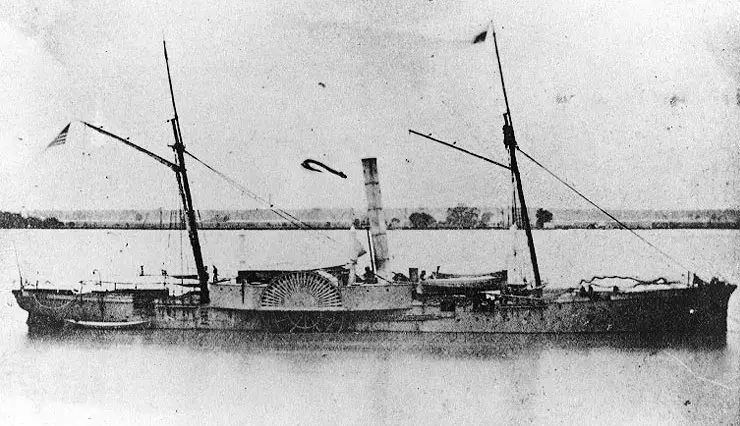
USS Genesee
Side Wheel Steam Boat
Civil War Union Naval Ship
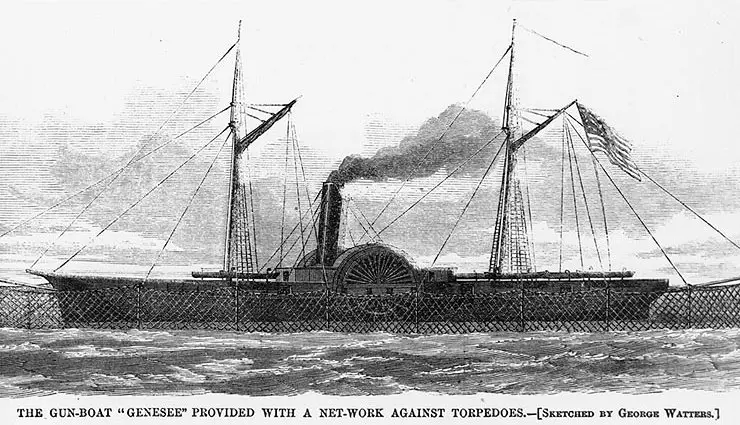
USS Genesee (1862-1867)USS Genesee , first of a class of two 1120-ton "double-ender" side wheel steam gunboats, was built at Boston, Massachusetts. She was commissioned in July 1862 and served into the next year with the West Gulf Blockading Squadron, mainly off the North Carolina coast. In February 1863, Genesee was assigned to the West Gulf Blockading Squadron. Damaged by gunfire during the 14-15 March attempt to steam up the Mississippi River past Confederate fortifications at Port Hudson, she remained on the river until mid-year. Genesee 's next served as a blockader off Mobile Bay, Alabama, assisting in the destruction of the blockade running steamer Fanny in September 1863. She played a supporting role in the 5 August 1864 Battle of Mobile Bay. Subsequently, Genesee was employed as a store ship and in mine clearance operations in the bay. Following the end of hostilities, the gunboat was sent to Philadelphia, Pennsylvania, where she decommissioned in July 1865. USS Genesee was sold in October 1867. Converted to a sailing bark for civilian employment, she was later named Hattie C. Besse . Off Baton Rouge, Louisiana, in March 1863. Line engraving published in "Harper's Weekly", 27 May 1865 |
Kindle Available Naval Strategies of the Civil War: Confederate Innovations and Federal Opportunism Compare and contrast the strategies of the Southern Secretary of the Navy, Mallory, against his rival in the North, Welles. Mallory used technological innovation and the skill of individuals to bolster the South's seapower against the Union Navy's superior numbers Kindle Available  Confederate Ironclad vs Union Ironclad: Hampton Roads 1862 The Ironclad was a revolutionary weapon of war. Although iron was used for protection in the Far East during the 16th century, it was the 19th century and the American Civil War that heralded the first modern armored self-propelled warships. |


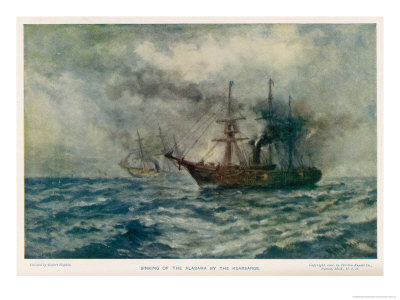 Engagement Between the Federal Steam-Sloop Kearsarge and the Confederate War-Steamer Alabama 24 in. x 18 in. Buy at AllPosters.com Framed Mounted |
 Civil War Musket Wood & Steel Frontier Rifle Designed After The Original Rifle  Civil War Soldier 102 Piece Playset
| Civil War Ships and Battles Civil War Submarines RAM Ships Civil War Naval Timeline American Civil War Exhibits State Battle Maps Civil War Summary Civil War Timeline Women in the Civil War Battles by Campaign |
 Civil War Confederate Suede Grey Kepi Hat 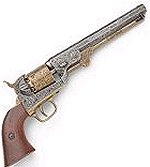 Civil War Model 1851 Naval Pistol |
 The Civil War on Hatteras Island North Carolina New light on the experiences of Civil War soldiers stationed on the Outer Banks. It follows the crucial maritime battles along the Outer Banks and the famous Burnsides Expedition. Aa fascinating history of how one of America's most treasured islands played a significant part in the Civil War |
Kindle Available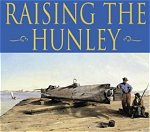 Raising the Hunley: The Remarkable History and Recovery of the Lost Confederate Submarine For more than a century the fate of the Hunley remained one of the great unsolved mysteries of the Civil War. Then, on August 8, 2000, with thousands of spectators crowding Charleston Harbor, the Hunley was raised from the bottom of the sea and towed ashore. |
 The Story of the H.L. Hunley During the Civil War, Union forces blockade the port of Charleston so the Confederate army seeks a way to attrack the Yankee Ships. George Dixon is part of the group of men given the task of creating and building the "fish boat," a submarine. The H.L. Hunley ultimately sets out on its mission to sink Yankee ships, but fails to return, its whereabouts unknown. |
Kindle Available Wolf of the Deep: Raphael Semmes and the Notorious Confederate Raider CSS Alabama In July 1862, the Confederate captain Raphael Semmes received orders to report to Liverpool, where he would take command of a secret new British-built steam warship. His mission: to prey on Union commercial vessels and undermine the North's ability to continue the war |
 Halls of Honor The U.S. Navy Museum takes you on an informed and entertaining romp through one of North America s oldest and finest military museums. The museum has been in continuous operation at the Washington Navy Yard since the American Civil War |
 Raise The Alabama She was known as "the ghost ship." During the Civil War, the CSS Alabama sailed over 75,000 miles and captured more than 60 Union vessels. But her career came to an end in June of 1864 when she was sunk by the USS Kearsarge off the coast of Northern France |
 The Blue and the Gray The Complete Miniseries The Civil War proved a backdrop for this 1982 miniseries. Complete and uncut three disc set. Two families divided by the War Between the States. A Southerner caught when he becomes a war correspondent for the Northern newspaper. He finds himself where history's in the making from the Battle of Bull Run to Abraham Lincoln's assassination |
 Blue Vs. Gray - Killing Fields Relive the most vicious fighting of the Civil War, in which General Ulysses S. Grant forcibly reversed the tide of the conflict by paying with the blood of thousands. It was a desperate time for the Union |
Sources:
U.S. National Park Service
U.S. Library of Congress
US Naval Archives
| Battle of Shiloh Civil War Map First Manassas Civil War Pictures Civil War Cooking Gettysburg Civil War Ships |
