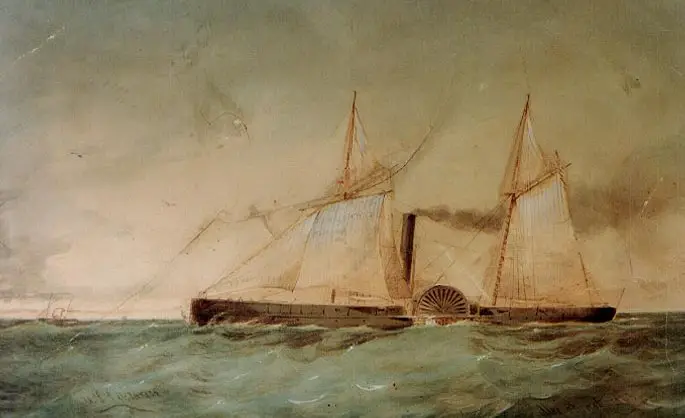
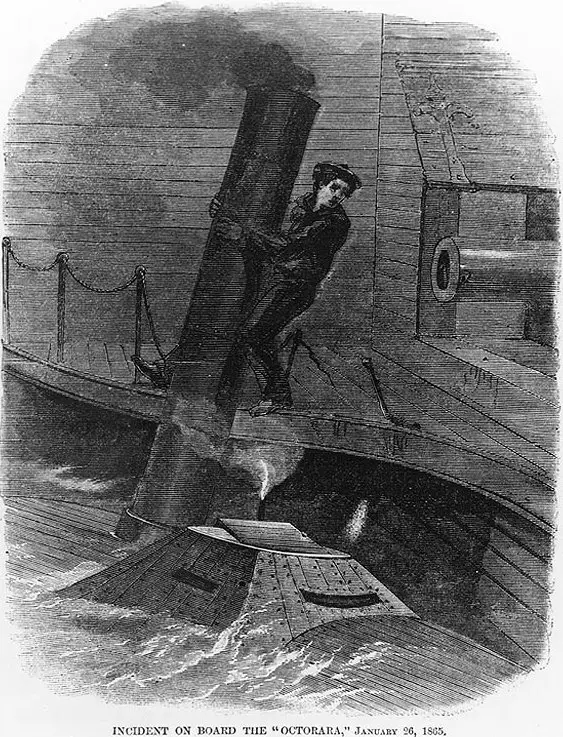
USS Octorara (1862-1866)USS Octorara , a 981-ton "Double-Ender" side-wheel gunboat built at the Brooklyn Navy Yard, New York, was commissioned in February 1862. After brief service in the Atlantic, she was sent to the Gulf of Mexico, serving as flagship of Commander David Dixon Porter 's mortar schooner flotilla during operations on the Mississippi River. Damaged on 28 June 1862, while attempting to steam upriver past the Confederate fortress at Vicksburg, Octorara was en route to Baltimore, Maryland, for repairs when, on 24 July she captured the blockade runner Tubal Cain . In September 1862, Octorara , began operations in search of the enemy cruisers and blockade runners, taking several of the latter by May 1863. Beginning in October 1863, the gunboat served in the West Gulf Blockading Squadron. She participated in the blockade of Mobile Bay, Alabama, including a bombardment of Fort Powell in February 1864, the 5 August Battle of Mobile Bay, in which she was damaged, and the subsequent bombardment and capture of Fort Morgan. Octorara spent the rest of the Civil War in the Mobile Bay area. On 28 January 1865, she was the target of an unsuccessful attack by the Confederate torpedo boat St. Patrick. In April, Octorara took part in the capture of the city of Mobile. She went to New York in July 1865 and was decommissioned there in August. USS Octorara was sold in November 1866.
"Incident on board the 'Octorara', January 26, 1865" |
Kindle Available Naval Strategies of the Civil War: Confederate Innovations and Federal Opportunism Compare and contrast the strategies of the Southern Secretary of the Navy, Mallory, against his rival in the North, Welles. Mallory used technological innovation and the skill of individuals to bolster the South's seapower against the Union Navy's superior numbers  American Civil War Marines 1861-65 Marines wearing blue and grey fought in many dramatic actions afloat and ashore 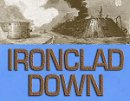 Ironclad Down: USS Merrimack-CSS Virginia from Design to Destruction A treasure trove of detailed information about one of history s most famous vessels. Describing Stephen Russell Mallory, John Mercer Brooke, John Luke Porter, et al.--who conceived, designed and built one of the world's first ironclads |
 Civil War Musket Wood & Steel Frontier Rifle Designed After The Original Rifle  Civil War Soldier 102 Piece Playset
|
Civil War Ships and Battles Civil War Submarines RAM Ships Civil War Naval Timeline American Civil War Exhibits State Battle Maps Civil War Summary Civil War Timeline Women in the Civil War Battles by Campaign |
 Civil War Confederate Suede Grey Kepi Hat 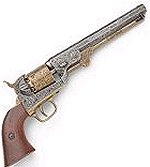 Civil War Model 1851 Naval Pistol |
Kindle Available Confederate Ironclad vs Union Ironclad: Hampton Roads 1862 The Ironclad was a revolutionary weapon of war. Although iron was used for protection in the Far East during the 16th century, it was the 19th century and the American Civil War that heralded the first modern armored self-propelled warships. |
 Year on a Monitor and the Destruction of Fort Sumter Personal view of the Civil War Navy. The monitor saw action in several significant naval assaults by the Union's Squadron. It took part in the failed Federal attack on Sumter in April 1863. The "Nahant" also participated in the capture of the Confederate Ram "Atlanta," and in the assault on Fort Wagner |
 Blockaders, Refugees, and Contrabands: Civil War on Florida'S Gulf Coast, 1861-1865 Coastal Florida had a refugee crisis as the war progressed. Escaped slaves ("contrabands") sought out the blockaders. Some joined the U.S. Navy. White men and their families sought to avoid conscription or vengeful neighbors/regulators and eventually sought refuge with the blockaders |
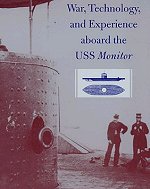 War, Technology, and Experience aboard the USS Monitor The experience of the men aboard the Monitor and their reactions to the thrills and dangers that accompanied the new machine. The invention surrounded men with iron and threatened their heroism, their self-image as warriors, even their lives |
 Halls of Honor The U.S. Navy Museum takes you on an informed and entertaining romp through one of North America s oldest and finest military museums. The museum has been in continuous operation at the Washington Navy Yard since the American Civil War |
 Raise The Alabama She was known as "the ghost ship." During the Civil War, the CSS Alabama sailed over 75,000 miles and captured more than 60 Union vessels. But her career came to an end in June of 1864 when she was sunk by the USS Kearsarge off the coast of Northern France |
 The Blue and the Gray The Complete Miniseries The Civil War proved a backdrop for this 1982 miniseries. Complete and uncut three disc set. Two families divided by the War Between the States. A Southerner caught when he becomes a war correspondent for the Northern newspaper. He finds himself where history's in the making from the Battle of Bull Run to Abraham Lincoln's assassination |
 Blue Vs. Gray - Killing Fields Relive the most vicious fighting of the Civil War, in which General Ulysses S. Grant forcibly reversed the tide of the conflict by paying with the blood of thousands. It was a desperate time for the Union |
American Military Gear Recruiter and History
United States Marines gear history and support of Semper Fi Fund
United States Army History Timeline
Sources:
U.S. National Park Service
U.S. Library of Congress
US Naval Archives
|
Books Civil War Womens Subjects Young Readers Military History DVDs Confederate Store Civil War Games Music CDs Reenactors |