
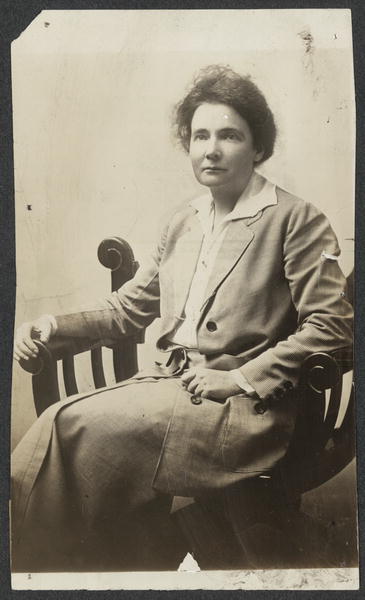
Anne Martin (1875-1951)
Officer and Organizer for Woman Suffrage
|
Anne Henrietta Martin was born into a large Irish-German family in Empire, Nevada, near Carson City. She was the daughter of a prominent Populist politician and businessman. Martin was well-educated at a school for girls and at the University of Nevada, from which she graduated in 1894. She earned a second bachelor's and a master's degree in history from Stanford University (1896, 1897). She was also a superb athlete and equestrian, excelling especially in tennis and golf. Martin founded and headed the History Department at After receiving an inheritance from her share of the family business following her father's death in 1901, Martin traveled in Asia and Europe. She later said that the dismissal of her business acumen in favor of her brothers' had made her a feminist. While in England, Martin became interested in Fabianism and joined in the militant British suffrage movement. In 1910 she was arrested for participating in a demonstration in London. In 1911 Martin returned to Nevada, where she became the press secretary and then the president for the Nevada Equal Franchise Society (NEFS, later the Nevada Woman's Civic League). Under her leadership, the NEFS lobbied successfully for ratification of a state woman suffrage amendment in 1914. Martin was a member of the executive committee of the National American Woman Suffrage Association (NAWSA) as well as the executive committee of the Congressional Union for Woman Suffrage (CU). She was chosen as the NWP's first chairman at its founding convention in Chicago in June 1916 (when it began as the Woman's Party of Western Voters, comprised of women from the 12 suffrage states). Martin was among the organizers who targeted congressional campaigns in the fall of 1916. She traveled and spoke widely to sway voters to boycott the Democratic Party unless it began to facilitate congressional action on a federal suffrage amendment. Martin was selected vice-chairman and legislative chairman of the NWP when it formally merged with the CU in March 1917. Based in Washington, D.C., from 1916 to 1918, she coordinated work in various congressional districts and organized pressure from the state level on national legislators. With the advent of World War I, Martin argued with U.S. senators that woman suffrage should be passed in order to allow women to respond to the war effort. In July 1917 she was arrested for picketing at the White House. In 1918 and 1920, Martin was an independent candidate for the U.S. Senate in Nevada. She ran to promote pacifist and child welfare positions as well as to advance the role of women officeholders. She garnered support in her campaign from veteran NWP activists Sara Bard Field and Mabel Vernon, as well as from feminist theorist and writer Charlotte Perkins Gilman. Following ratification of the 19th Amendment, Martin moved to Carmel, California, with her mother. She became an activist in the Women's International League for Peace and Freedom in the 1920s. She served as a national board member from 1926 to 1936 and as a regional director and international delegate, but eventually parted ways with the organization because she believed it failed to prioritize feminist goals. Martin was also a vocal opponent of the policies of the League of Women Voters for their emphasis on education rather than direct political action. Martin died in Carmel. |
 Feminism and Suffrage: The Emergence of an Independent Women's Movement in America, 1848-1869 In the two decades since Feminism and Suffrage was first published, the increased presence of women in politics and the gender gap in voting patterns have focused renewed attention on an issue generally perceived as nineteenth-century |


Women of the American Suffrage Movement
Womens Suffrage Timeline
American Civil War Women
Womens Civil War Reading Titles
American Civil War Recipes
Civil War Exhibits
 The Concise History of Woman Suffrage: Selections from History of Woman Suffrage, by Elizabeth Cady Stanton, Susan B. Anthony, Matilda Joslyn Gage, and the National American Woman Suffrage Association |
 Not For Ourselves Alone: The Story of Elizabeth Cady Stanton and Susan B. Anthony Two heroic women who vastly bettered the lives of a majority of American citizens. For more than fifty years they led the public battle to secure for women the most basic civil rights and helped establish a movement that would revolutionize American society |
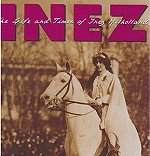 The Life and Times of Inez Milholland Inez Milholland was the most glamorous suffragist of the 1910s and a fearless crusader for women's rights. Moving in radical circles, she agitated for social change in the prewar years, and she epitomized the independent New Woman of the time. Her death at age 30 while stumping for suffrage in California in 1916 made her the sole martyr of the American suffrage movement. |
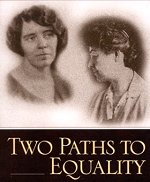 Two Paths to Equality: Alice Paul and Ethel M. Smith in the Era Debate, 1921-1929 Amy E. Butler expertly deals with the ERA, Equal Rights Amendment, and two of the more important figures in the early ERA debate. |
|||||||||||||||||||||||||||||||||||||||||||||||||||||||||||||||||||||||||||||||||||||||||||||||||||||||||||||||||||||||||||||||||||||||||||||||||||||||||||||||||||||||||||||||||||||||||||||||||||||||||||||||||||||||||||||||||||||||||||||||||||||||||||||||||||||||||||||||||||||||||||||||||||||||||||||||||||||||||||||||||||||||||||||||||||||||||||||||||||||||||||||||||||||||||||||||||||||||||||||||||||||||||||||||||||||||||||||||||||||||||||||||||||||||||||||||||||||||||||||||||||||||||||||||||||||||||||||||||||||||||||||||||||||||||||||||||||||||||||||||||||||||||||||||||||||||||||||||||||||||||||||||||||||||||||||||||||||||||||||||||||||||||||||||||||||||||||||||||||||||||||||||||||||||||||||||||||||||||||||||||||||||||||||||||||||||||||||||||||||||||||||||||||||||||||||||||||||||||||||||||||||||||||||||||||||||||||||||||||||||||||||||||||||||||||||||||||||||||||||||||||||||||||||||||||||||||||||||||||||||||||||||||||||||||||||||||||||||||||||||||||||||||||||||||||||||||||||||||||
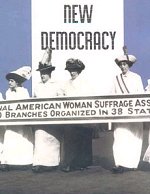 Woman Suffrage and the New Democracy The woman suffrage movement achieved its goal by forging a highly organized and centrally controlled interest group, the National American Woman Suffrage Association (NAWSA), one of the most effective single-issue pressure groups in the United States |
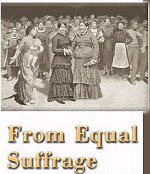 From Equal Suffrage to Equal Rights: Alice Paul and the National Woman's Party, 1910-1928 The woman's movements and work in American history was dramatic. It dealt with the past, with pageants and politics; with organizations and with conflict from within |
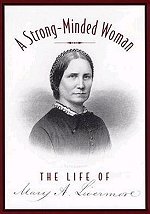 A Strong-minded Woman The Life of Mary Livermore A leading figure in the struggle for woman's rights as well as in the temperance movement, she was as widely recognized during her lifetime as Susan B. Anthony, and for a time the most popular and highly paid female orator in the country |
Kindle Available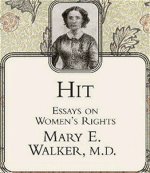 Hit: Essays on Women's Rights by Mary Edwards, M.D. Walker The only woman to receive the Congressional Medal of Honor for her service during the Civil War, Dr. Mary E. Walker (1832-1919) was a surgeon, a public lecturer, and an outspoken champion of women's rights. One of the first women in the country to be awarded a medical degree, she served as an assistant surgeon for the Fifty-second Ohio Infantry |
|||||||||||||||||||||||||||||||||||||||||||||||||||||||||||||||||||||||||||||||||||||||||||||||||||||||||||||||||||||||||||||||||||||||||||||||||||||||||||||||||||||||||||||||||||||||||||||||||||||||||||||||||||||||||||||||||||||||||||||||||||||||||||||||||||||||||||||||||||||||||||||||||||||||||||||||||||||||||||||||||||||||||||||||||||||||||||||||||||||||||||||||||||||||||||||||||||||||||||||||||||||||||||||||||||||||||||||||||||||||||||||||||||||||||||||||||||||||||||||||||||||||||||||||||||||||||||||||||||||||||||||||||||||||||||||||||||||||||||||||||||||||||||||||||||||||||||||||||||||||||||||||||||||||||||||||||||||||||||||||||||||||||||||||||||||||||||||||||||||||||||||||||||||||||||||||||||||||||||||||||||||||||||||||||||||||||||||||||||||||||||||||||||||||||||||||||||||||||||||||||||||||||||||||||||||||||||||||||||||||||||||||||||||||||||||||||||||||||||||||||||||||||||||||||||||||||||||||||||||||||||||||||||||||||||||||||||||||||||||||||||||||||||||||||||||||||||||||||||
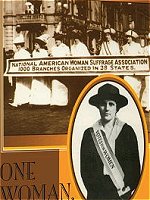 One Woman One Vote This program documents the struggle which culminated in the passing of the 19th Amendment in the U.S. Senate by one vote. Witness the 70-year struggle for women's suffrage. Discover why the crusaders faced entrenched opposition from men and women who feared the women's vote would ignite a social revolution. DVD |
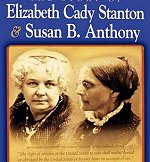 Not for Ourselves Alone: The Story of Elizabeth Cady Stanton & Susan B. Anthony Together they fought for women everywhere, and their strong willpower and sheer determination still ripples through contemporary society. Here lies the story of two of our century's most celebrated pioneers Elizabeth Cady Stanton and Susan B. Anthony. DVD |
 Out of Our Fathers House Broadway Theatre Archive This play presents the true stories of women who sought independence at any cost. The compelling text is taken entirely from the diaries, journals and letters of the characters portrayed. |
Sources:
U.S. Library of Congress
Federal Citizen
