
About Silas Weaver

Silas Weaver
Silas Weaver has spent decades exploring historic battlefields, reading primary journals, and tracking down the lesser-known stories of the American Civil War. His lifelong passion for 19th-century history comes through in his engaging accounts of the places, people, and lingering questions of the era. He believes that walking the actual grounds where history happened is the best way to truly connect with the past.
Welcome. I’m Silas Weaver, and I’m glad you found your way here.
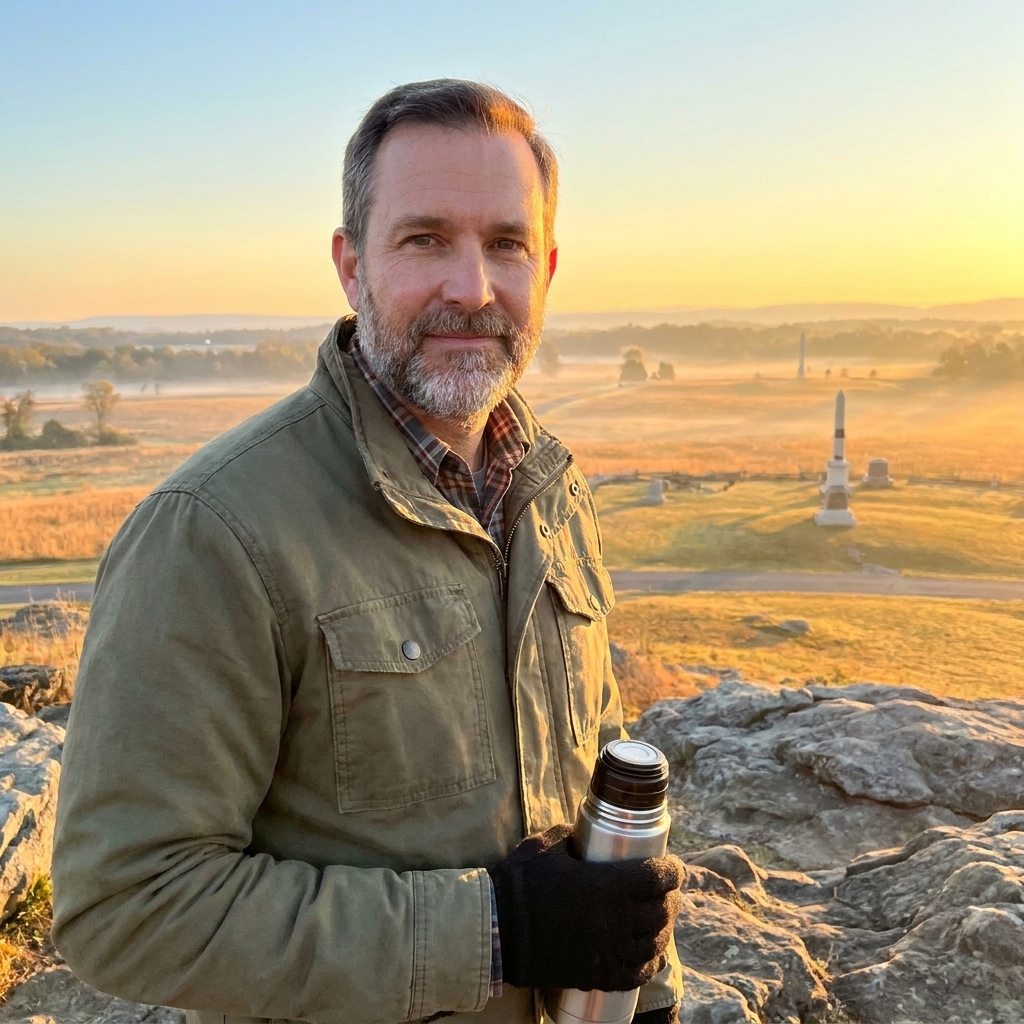
I grew up a short drive from Gettysburg, close enough that the place never felt like a distant chapter in a textbook. As a kid, I spent summer days wandering the fields, tracing stone walls with my fingertips, and listening to local stories that never quite matched the neat versions I heard elsewhere. I did not come to the Civil War through formal academic training. I came to it the way a lot of people do, by standing on ground that still feels charged and asking, quietly, “What really happened here, and what did it cost?”
Why I built American Civil War
American Civil War exists because the war is often told at two extremes: either as grand strategy and famous names, or as simplified myth. I wanted a place that sits in the middle ground where most real lives were lived.
This site is for the curious traveler, the armchair reader, the family researcher, and the student who wants more than a list of dates. My goal is straightforward: to help you connect with the people of the 1860s as people. Not marble heroes or villains. Human beings with blistered feet, bad coffee, shaky handwriting, private doubts, and stubborn hopes.
I also built this site because there are still questions worth exploring. Some are big. Some are small. A fence line that moved. A unit that took the wrong road. A diary entry that does not line up with the official report. Those little mismatches are often where the story becomes more honest.
How I do the work
I have spent thousands of hours reading soldier diaries and letters, studying antique maps until the creases feel familiar, and participating in living history encampments to better understand the day-to-day realities of the era. None of that replaces careful scholarship, but it does teach a kind of humility. Paper tells you one thing. Weather, distance, and terrain tell you another. You learn to hold both.
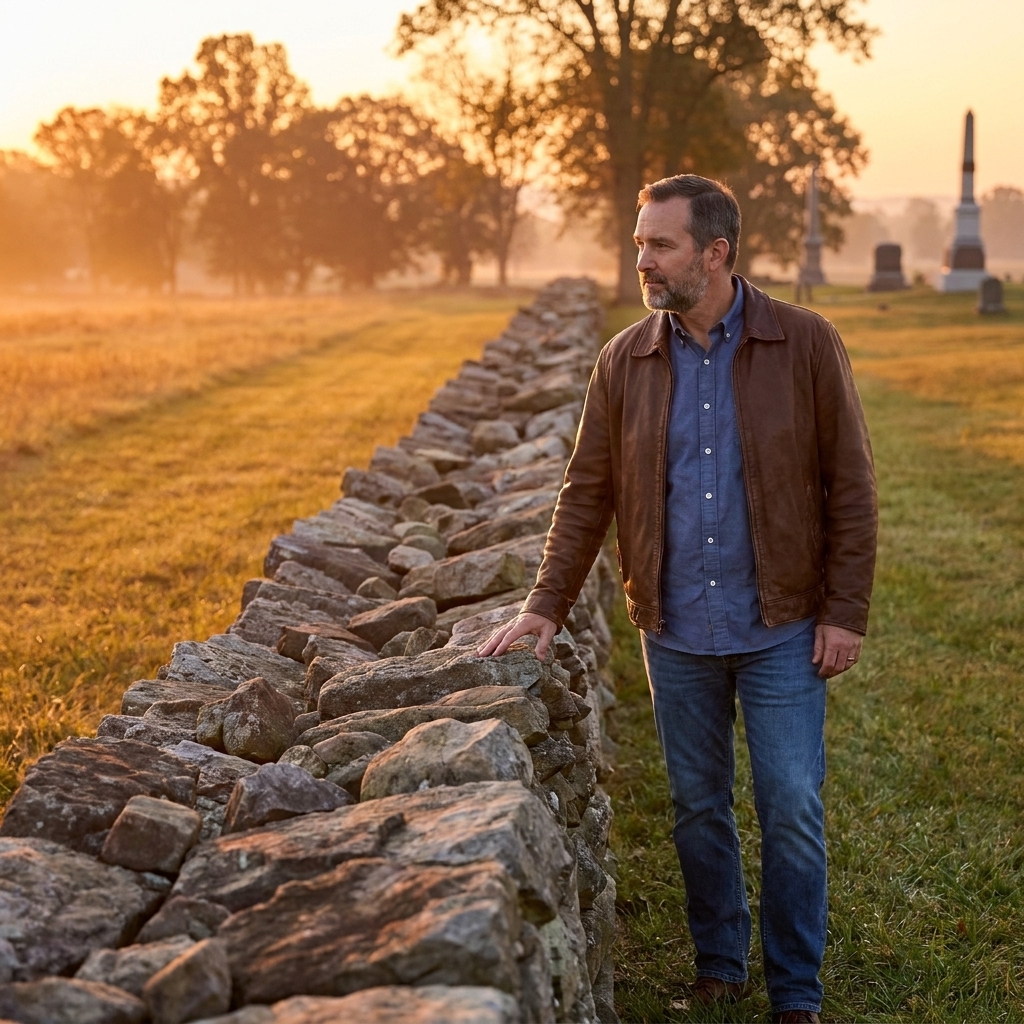
These days I travel frequently in my camper, chasing both famous monuments and forgotten historical markers. I like the places that do not announce themselves. A quiet ridge with no sign. A neglected cemetery at the end of a county road. A downtown corner where the war passed through and the modern world built right over it. I try to write with my boots still dusty.
What you can expect here
This site is organized to help you explore in a way that fits how you learn best:
Battles: Clear overviews, key moments, and the kinds of details you notice when you walk the ground slowly.
Generals: Portraits of leadership that keep the human edges intact, including misjudgments, limits, and the pressure of command.
Battlefield Travel: Practical guidance for planning visits, reading landscapes, and making a day on site feel meaningful rather than rushed.
Civil War Life: The daily realities that shaped every decision, including food, shelter, medicine, morale, and the long stretches between battles.
Above all, I try to keep the writing approachable. You do not need a shelf of specialized books to start. You just need curiosity, a willingness to look twice, and sometimes the patience to stand in one spot long enough for the scene to make sense.
A promise about tone
The Civil War is not a hobby in the same way model trains or vintage radios might be. It is a national wound with names attached. When I write about it, I aim to be respectful and plainspoken. I do not romanticize suffering, and I do not treat people like pieces on a game board.
That includes speaking clearly about slavery and emancipation. Slavery sat at the center of this conflict, and any honest account has to keep that truth in view, even when it is painful to read.
When there is uncertainty in the record, I will say so. When sources disagree, I will tell you why I think they do. When the past is uncomfortable, we do not sand it down just to make it easier to read.
Questions and corrections
I want this to be a living reference, not a pedestal. If you spot an error, have a family story you think belongs in the wider picture, or simply want to ask about a place you are visiting, I’d like to hear from you. The best way to reach me is through the contact form at /contact/.
Thanks for being here. If you are not sure where to begin, start with whatever you are already wondering about, then follow that thread. That is how I have spent most of my life with this war: one question leading to another, and the ground underfoot quietly doing its part to answer.