
Surviving the Home Front: 5 Civil War Substitutes for Daily Goods

Silas Weaver
Silas Weaver has spent decades exploring historic battlefields, reading primary journals, and tracking down the lesser-known stories of the American Civil War. His lifelong passion for 19th-century history comes through in his engaging accounts of the places, people, and lingering questions of the era. He believes that walking the actual grounds where history happened is the best way to truly connect with the past.
On quiet battlefield mornings, I sometimes detour into the nearby towns, the places where the war did not march in formation but still arrived all the same. You can stand in a tidy courthouse square or beside a churchyard fence and imagine cannon smoke drifting miles away, and then it hits you: plenty of people lived through those years without ever hearing a musket crack, yet they still fought the war in their kitchens, gardens, and sewing rooms.
Shortages were not a side story. They were the story of the home front. Blockades, broken trade routes, inflation, and plain scarcity forced families to improvise. What fascinates me is how quickly ordinary households turned into little workshops of substitution, making do, stretching, inventing. Below are five of the most common and most telling substitutes, the kind you see mentioned in diaries and newspapers, and the kind that still make sense when you stand in an old farmhouse kitchen and picture the pantry shelves thinning out.
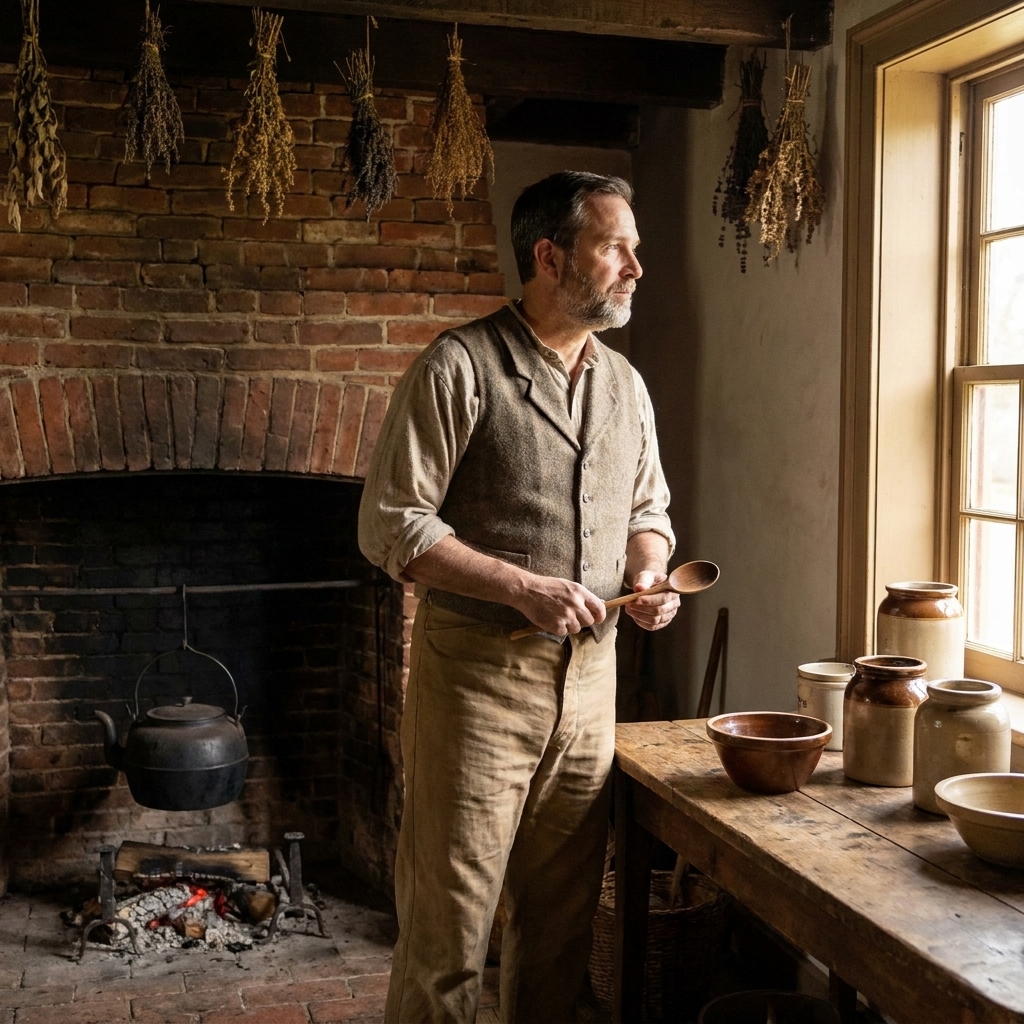
1) Coffee without coffee: roasted roots, grains, and sweeteners
If there is one complaint that turns up again and again in wartime letters, it is about coffee. Soldiers missed it. Civilians missed it. And when the real beans became expensive or unobtainable, people went hunting for something that could at least imitate the color and bitterness of a morning cup.
What people used
- Chicory root, cleaned, dried, roasted, and ground
- Roasted grains like corn, wheat, rye, or barley, browned in an oven or skillet
- Dandelion root, prepared much like chicory
- Sweeteners such as burnt sugar or a little molasses, sometimes used to deepen color and add a toasted edge when the brew tasted thin
Chicory is the most famous because it actually does something useful: it darkens and thickens a brew, and it carries a roasted bite that reads as coffee-like. Roasted corn and grains show up often too, especially where farming families had grain but not cash.
How it was brewed
Most households treated these substitutes like coffee: grind, scald with hot water, steep, then strain. The trick was roasting. Too pale and it tasted like warm cereal water. Too dark and it went acrid.
For a modern reenactor-style batch at home, the historical logic is simple: roast roots or grain until deep brown, crush coarsely, simmer briefly, then steep off the heat and strain through cloth.
If you want a wider taste of daily routines beyond the home front, soldier food complaints and camp improvisations are the same story in a different setting. See Civil War soldier rations: what troops ate on the march.

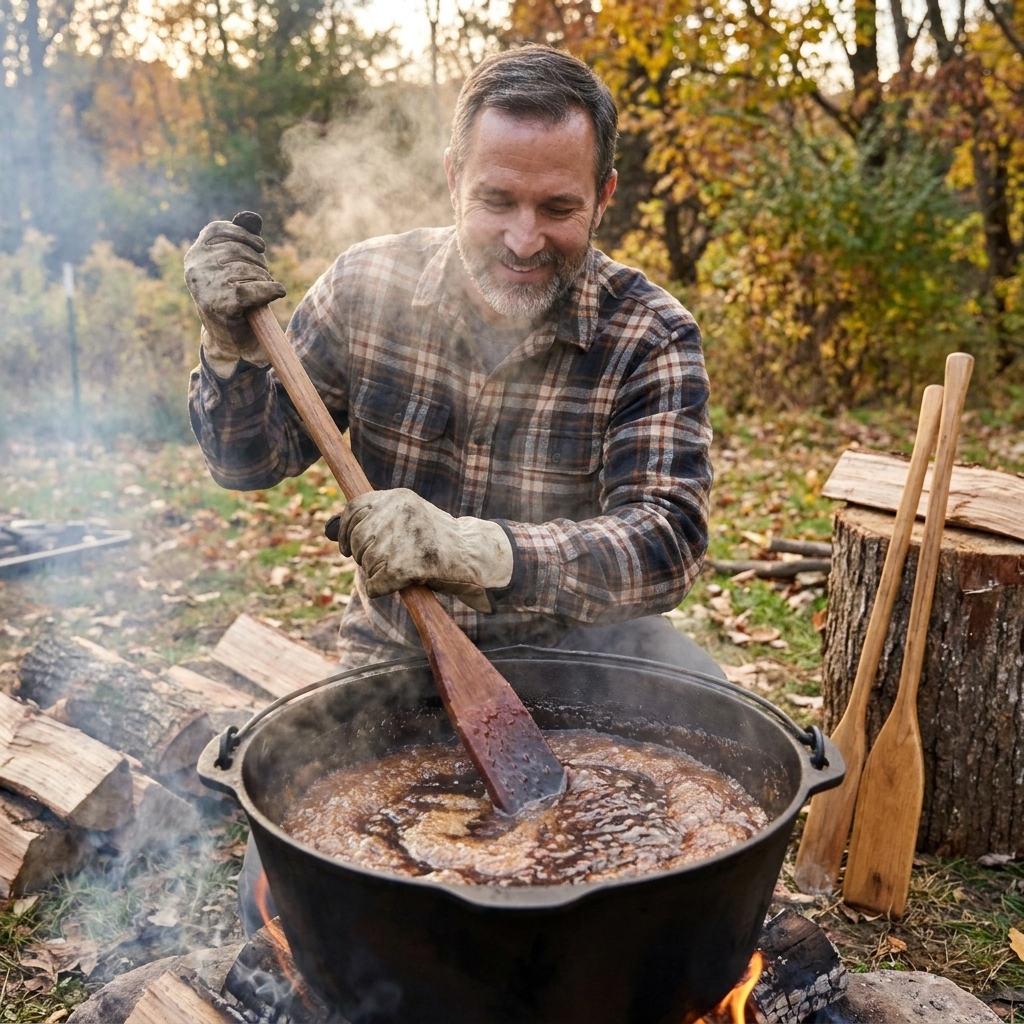
2) Sugar without sugar: sorghum, molasses, and local sweetness
Sugar shortages were brutal because sugar was not just dessert. It was preserving. It was medicine masking. It was morale. As refined sugar became scarce or wildly priced, families leaned hard on older sweeteners that could be made closer to home.
What people used
- Sorghum syrup, boiled down from sorghum cane juice
- Molasses, when available, sometimes stretched with other syrups
- Honey, dependent on local beekeeping
- Maple sugar or maple syrup in regions with established maple runs
- Dried fruit for baking, especially apples and peaches
Sorghum is the home front workhorse in many wartime accounts, particularly across parts of the Confederacy and border regions where imported and commercially refined goods were severely constrained. Families boiled cane juice down to a thick brown syrup. It was not the same as white sugar, but it kept cakes on the table and helped preserve fruit.
What changed in the kitchen
Recipes shifted. Anything calling for “a cup of sugar” became a more careful judgment about flavor and moisture, because syrups add liquid as well as sweetness. That adjustment, done by feel, is one of the hidden skills of wartime cooking that rarely gets its due.
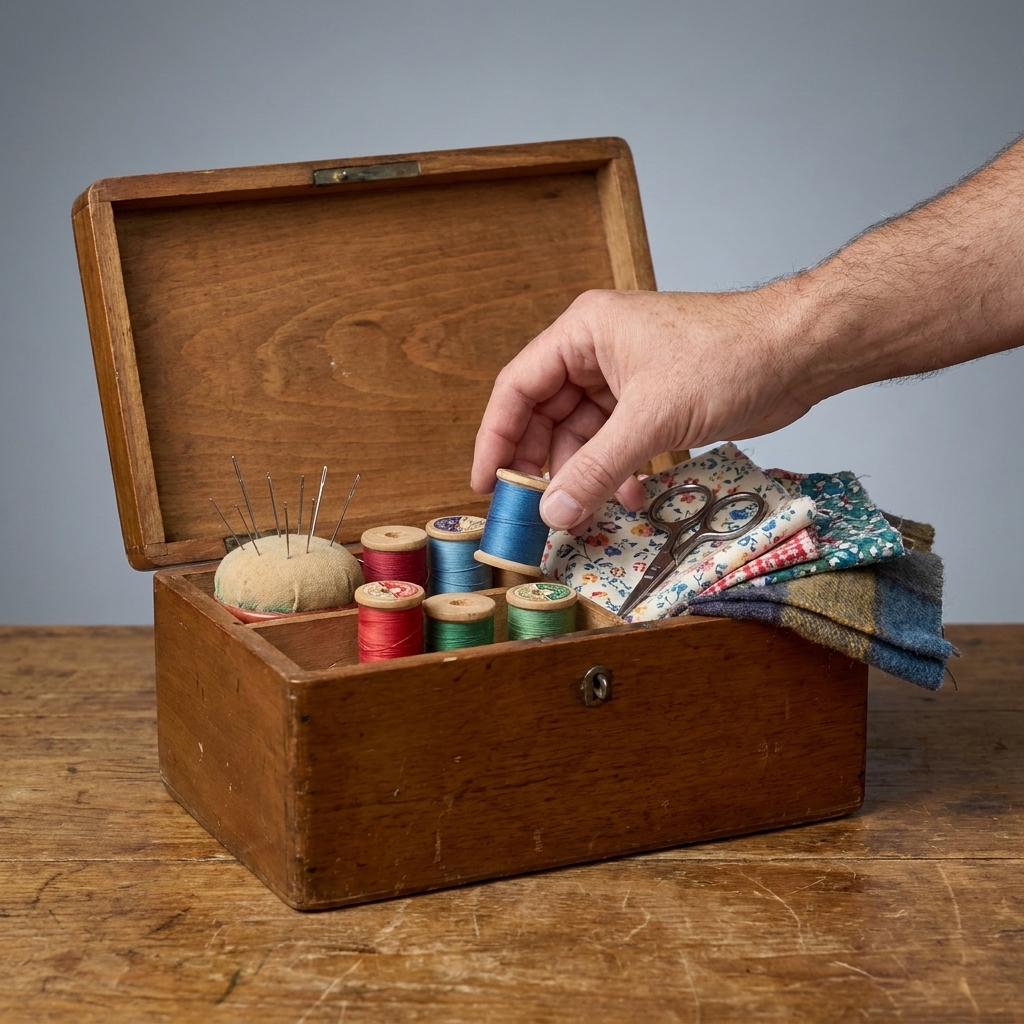
3) Cloth without new cloth: homespun, household linens, and mending
Textiles were an everyday crisis in their own quiet way. Cloth is easy to ignore until you cannot replace it. And then suddenly every shirt, dress, blanket, and towel becomes a finite resource with a lifespan you can measure in patches.
What people used
- Repurposed garments turned into children’s clothes, underthings, quilt pieces, and work rags
- Homespun cloth when families could grow, process, and spin fiber
- Household linens like ticking, linen, and sturdy plain-woven fabric pressed into service for shirts, aprons, and linings
- Knitting and re-knitting socks, mitts, caps, plus unraveling yarn to reuse it
Wartime “substitution” here was less about a clever new material and more about a stubborn refusal to throw anything away. A coat became a vest. A vest became a child’s jacket. And when it finally gave up, it became quilt batting or cleaning cloth.
The hidden labor behind the substitute
This is the part I always come back to: substitutes often cost time. Not money, time. Mending by lamplight. Unpicking seams. Piecing together sizes that did not match the original wearer. When you read diaries that mention “sat up late to patch” as if it were as ordinary as washing up, you are hearing the home front’s steady drumbeat.
If you are planning a visit to see domestic sites and preserved towns near major fields, our battlefield travel guide has some practical ideas for building a trip that includes both the lines of battle and the nearby civilian landscape.
4) Soap and candles: saved grease, lye, and bayberry
When you strip away the romance, cleanliness is logistics. Soap, candles, and lamp fuel were household essentials that could not be taken for granted during the war.
Soap: fat plus lye, carefully handled
Many families returned to older methods: saving kitchen grease and rendering animal fat when possible, then combining it with lye water made from wood ashes. The result could be harsh, especially if the mixture was off, but it worked. The basic principle is straightforward chemistry, and historically it was also a matter of thrift. In a tight household, very little usable fat was casually discarded.
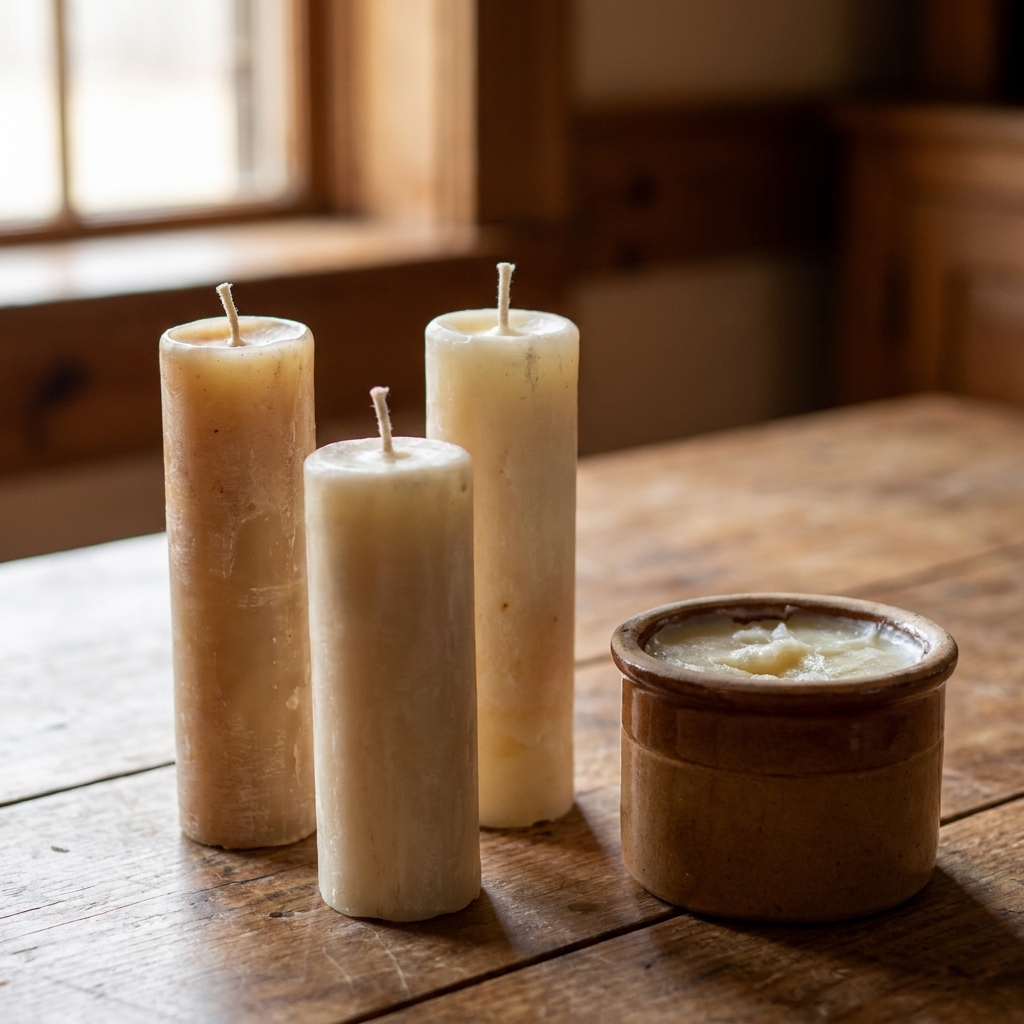
Candles: tallow, bayberry, and the cost of light
Tallow candles were common but smoky. Bayberry candles, where bayberry grew and people had the time to process the wax, burned cleaner and were prized. Either way, candle-making depended on access to fat or wax and the patience to dip again and again. Shortages made “light” feel expensive, which in turn shaped evening life. People went to bed earlier. They read less. They saved the last stubby candle end for something important.
5) Medicine improvisations: herbs and home remedies
No substitute carries more risk than the one you swallow. Yet wartime shortages pushed many households toward home remedies and locally available herbs when store-bought medicines or professional care were out of reach.
Common stand-ins people turned to
- Willow bark tea for aches and fever, a traditional remedy with mild pain-relieving properties
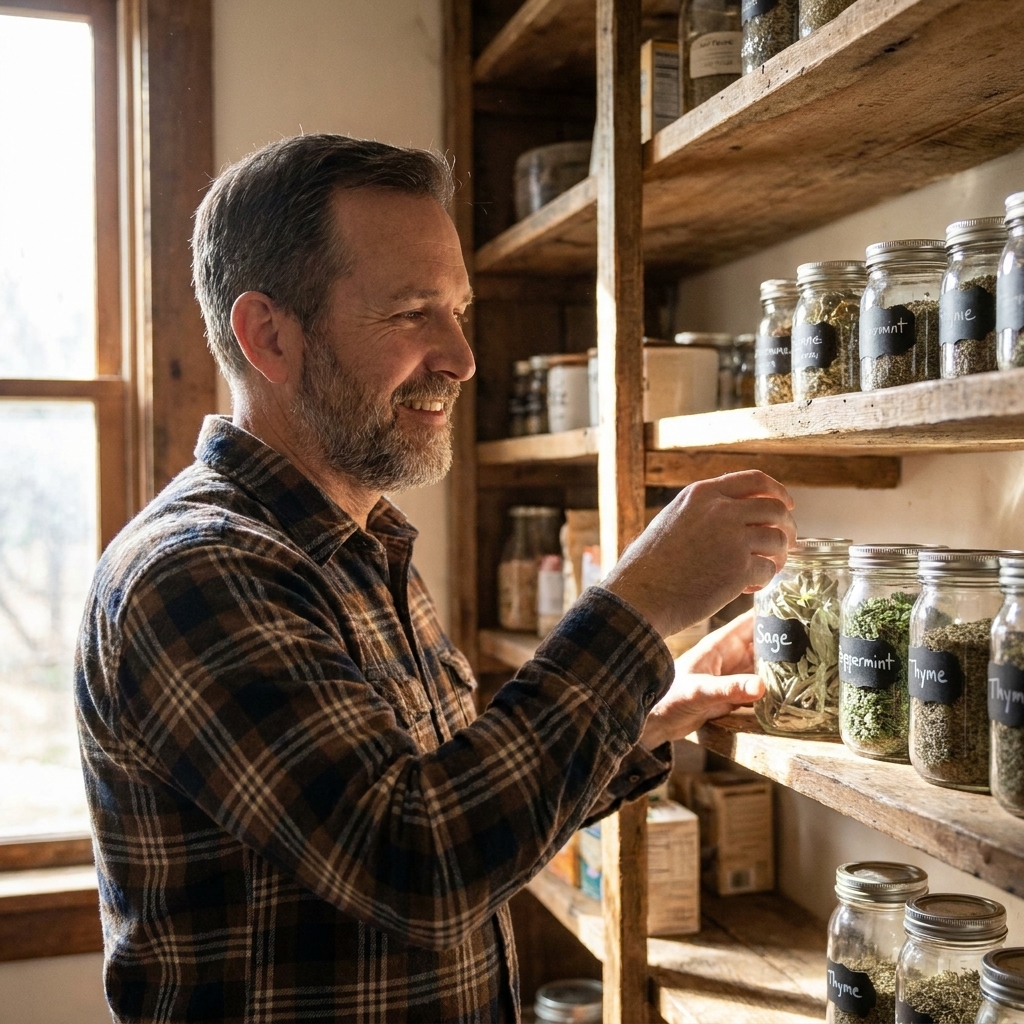
- Sage, peppermint, and other kitchen herbs for digestive complaints and sore throats
- Turpentine, camphor, mustard plasters used externally in a wide range of folk practices
- Blackberry root and similar astringents used for diarrhea in an era when that symptom could become deadly
Reading about these remedies, it is tempting to sort them into “worked” and “did not work,” but the better historical question is often: what else did they have? For many families, especially in isolated areas, the choice was not between a pharmacist and a folk remedy. It was between a folk remedy and nothing.
A modern caution: historical does not mean safe. Many period treatments were ineffective or harmful. If you are curious about the history, treat it as history, not medical advice.
What these substitutes show
The cleverness is easy to admire, but I think the deeper lesson is endurance. Substitution is not only invention. It is a daily decision to keep breakfast and laundry and lamplight going when the normal supply chain has snapped.
And it did not stop with coffee or cloth. Families stretched flour with whatever they could grind. They saved paper, reusing scraps until there was no blank corner left. They adjusted fuel to what the local woods, fields, or town market could actually provide. The details differed from place to place, but the habit was the same: do not waste, do not quit.
If you ever doubt that civilians carried a heavy share of the war, just consider how many times a day you reach for something ordinary, coffee or soap or cloth, without thinking. Now remove it from the shelves for four years. That is the home front.
If you want more on the everyday rhythms that surrounded the armies, start with our broader Civil War Life guide.
Home front substitute FAQ
Were these substitutes mostly a Southern experience?
No, but the pressure was often sharper in the Confederacy due to the blockade and internal transportation breakdowns. Northern households also faced inflation, disruptions, and local shortages, and many still practiced wartime thrift and substitution.
Did people actually like chicory coffee?
Some did, especially those accustomed to it before the war. Others tolerated it. In letters and diaries, you can hear both pride in making do and real irritation at a cup that did not taste right.
Did substitutes differ by region?
Very much. Coastal areas might have access to salt, fish, and bayberry, while inland farms leaned on what they could grow and render at home. Cities had more shops but also sharper shortages and higher prices when supplies failed. The same war produced different pantries.
What was the most important substitute of all?
Cloth, in my opinion, because it touches every season and every body. You can skip sugar for a while. You cannot skip shirts, socks, and blankets when winter comes.