
5 Tactical Mistakes That Changed Gettysburg

Silas Weaver
Silas Weaver has spent decades exploring historic battlefields, reading primary journals, and tracking down the lesser-known stories of the American Civil War. His lifelong passion for 19th-century history comes through in his engaging accounts of the places, people, and lingering questions of the era. He believes that walking the actual grounds where history happened is the best way to truly connect with the past.
The first time I walked Cemetery Ridge as a kid, I did not have the vocabulary for it. I just knew the ground felt like it had been chosen. The spine of the ridge runs steady, the views are long, and the slopes fall away in a way that makes you want to stop and look. Years later, after too many hours with maps and veterans’ words, I came to understand what my feet already knew: Gettysburg turned on decisions about where men stood and when they moved.
Plenty of things decided the battle, and no list of five can bottle three days of chaos. But there are a handful of tactical choices, some made in haste, some made in stubborn confidence, that tilted the field. Here are five mistakes that, together, changed the outcome of Gettysburg.
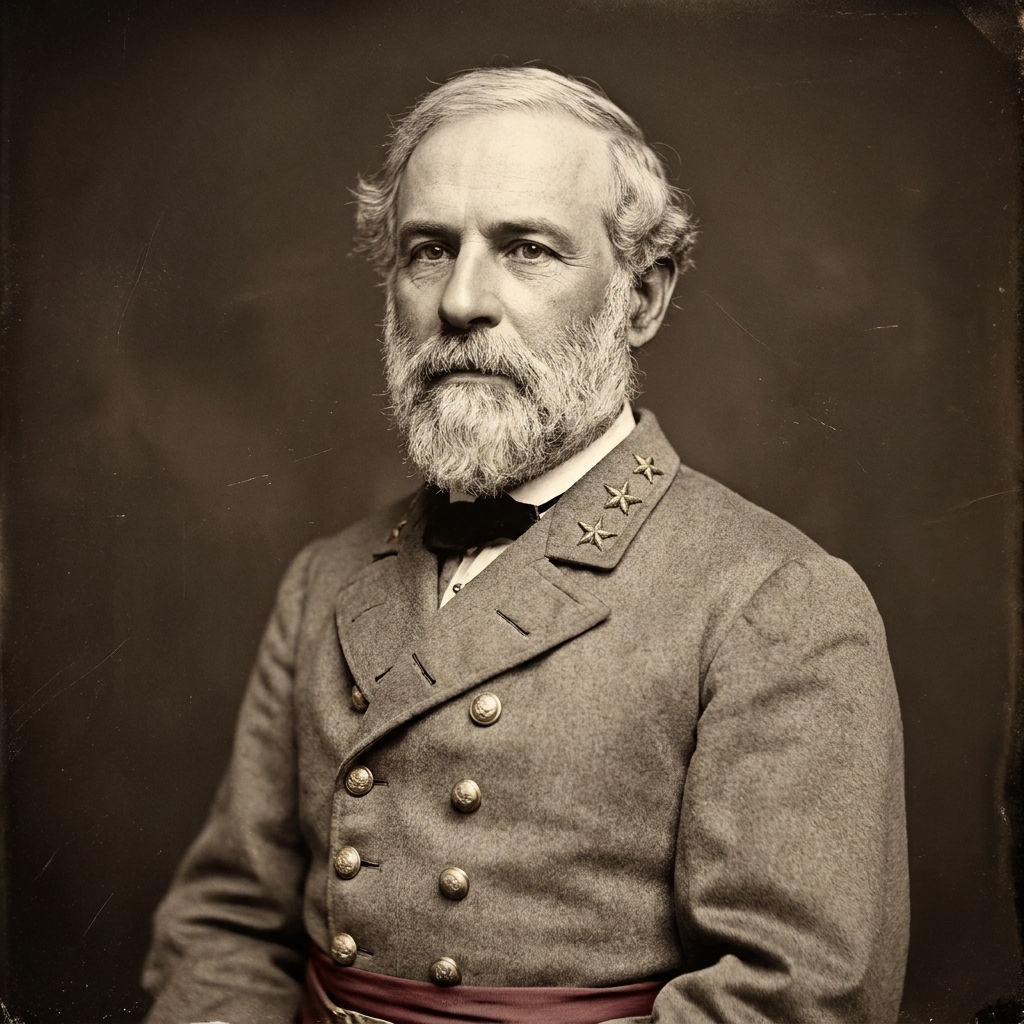
1) Letting the high ground slip on Day 1
If Gettysburg has a single governing law, it is this: high ground is time. Time to see, time to shift units, time to mass artillery, time to breathe.
On July 1, the fighting west and north of town went the Confederates’ way. Union I Corps and XI Corps were driven back through Gettysburg, battered and disorganized. In that moment, Cemetery Hill was not just scenery. It was the key that could lock the Union into a desperate street fight or, if seized quickly, become the hinge of a Confederate victory. Culp’s Hill was part of that same puzzle, but it was a harder prize, one the Federals began occupying and stiffening almost as soon as they fell back.
Where the decision went wrong
After the retreat through town, Lee’s discretionary order left the next move largely to Richard Ewell. The Confederate pursuit slowed at the worst possible moment, and Ewell did not press an immediate, coordinated attack to take Cemetery Hill before the Union could anchor there. Whatever else you believe about feasibility at day’s end, the pause gave the Army of the Potomac exactly what a beaten force needs most: a place to collect itself.
Why it mattered tactically
- The Union got a defensible shape. Cemetery Hill anchored what would become the fishhook-shaped line, giving Federal infantry interior lines and strong artillery platforms.
- Confederate attacks became uphill problems. After Day 1, Lee’s army was increasingly forced into assaults against terrain that punished exposure.
- Federal reinforcements arrived onto ground already organized for defense. More Union troops marched into a position that could be held, reinforced, and sighted quickly for guns.
This is one of those moments you can feel in your knees on a hot day. Stand below Cemetery Hill and look up. Even without a shot fired, you understand how quickly “we won the field” can become “we lost the battle.”
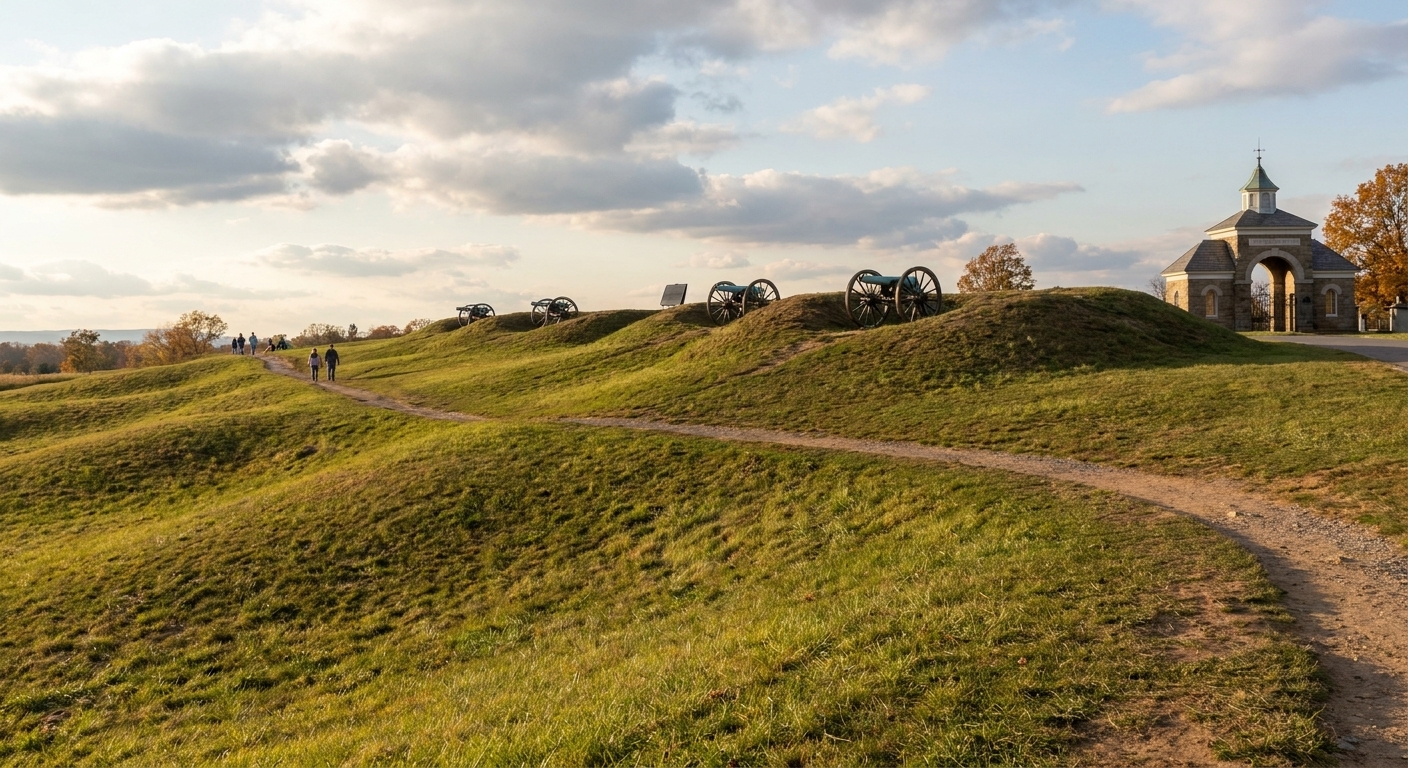
2) Day 2 attacks that did not sync
July 2 often gets told as two separate stories: Longstreet’s heavy blows on the Confederate right against the Union left, and Ewell’s evening attacks on the Confederate left against the Union right. On the ground, those stories overlapped in time, but they did not always overlap in coordination.
Lee’s concept required pressure on multiple points. That part was sound enough. The trouble is that pressure without timing can become something else: a set of isolated fights that allow the defender to shuttle help to the next fire.
Where the decision went wrong
Ewell’s attacks on East Cemetery Hill and Culp’s Hill came late and unevenly, and the broader Confederate effort never quite landed like a single blow. Some of that delay was understandable. The terrain on the Union right is tangled, steep, and confusing. But the tactical mistake was allowing the fighting to become piecemeal, with units feeding into darkness, rough ground, and prepared positions without the clean, synchronized shove that might have made the Union line fail at one point before it could be reinforced.
Why it mattered tactically
- It reduced the “stretch” on the Union line. The Army of the Potomac was strained on July 2, but strain becomes breaking only when timing is merciless.
- Night fighting magnified confusion. Culp’s Hill especially becomes a maze after sundown, and a maze favors the defender who already owns the landmarks.
- It failed to crack the Union’s right anchor. Without a decisive result there, Meade’s fishhook kept its shape into Day 3.
There is an important human layer, too. Officers who could see little and hear less were expected to produce clean results in broken woods at the end of a brutal day. The battlefield does not care about those reasons, but it does enforce the outcome.
If you enjoy dissecting how generals communicate intent, you might like our broader guide section at Guide: Generals.
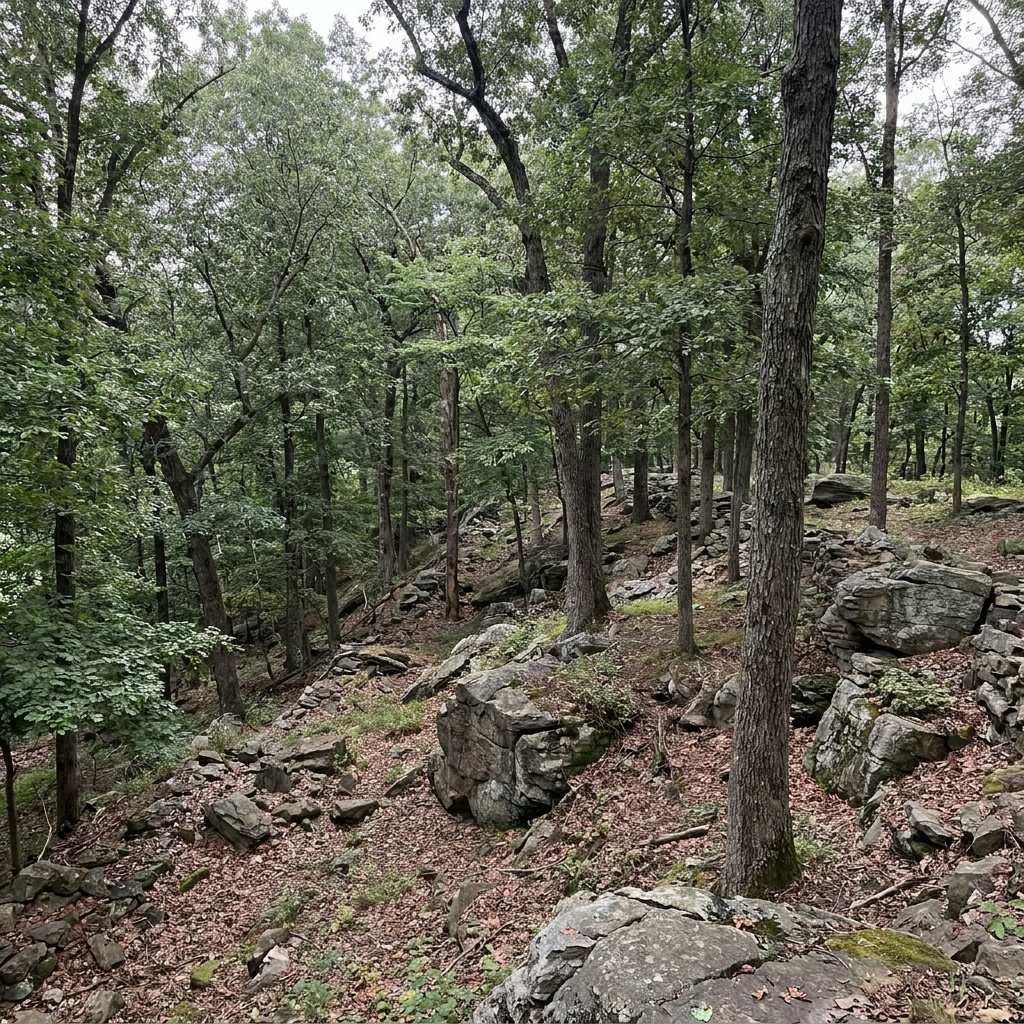
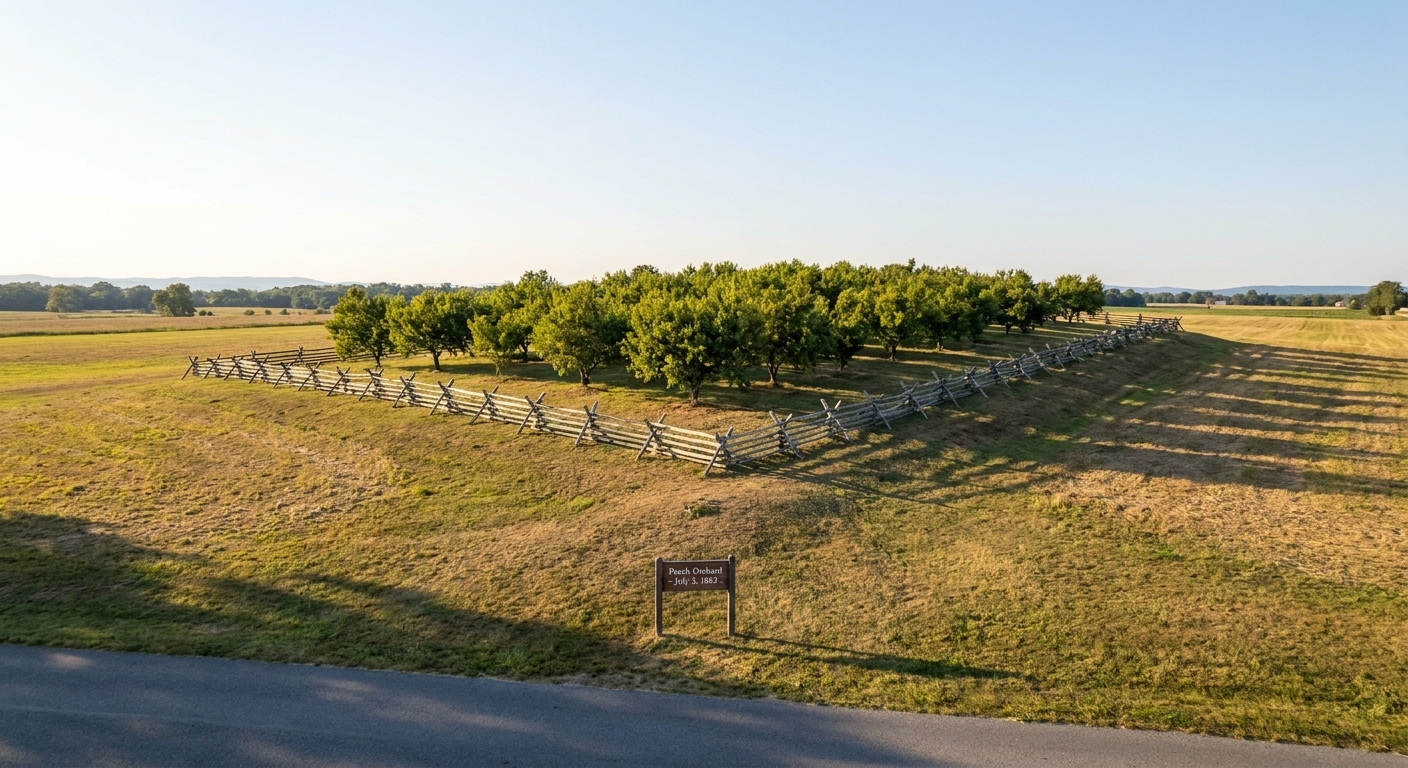
3) The Sickles move
Not every mistake at Gettysburg wore gray. One of the most consequential tactical errors was made by a Union corps commander who decided he did not like the ground he had been given.
Maj. Gen. Daniel Sickles pushed the Union III Corps forward off the intended Cemetery Ridge line to a salient around the Peach Orchard and out toward the Emmitsburg Road. When I stand at the Peach Orchard today, it is easy to see the temptation. The ground feels “forward.” The view is open. You can imagine artillery commanding the approaches.
But salients are promises the enemy gets to collect.
Where the decision went wrong
Sickles advanced without solid support on either flank and outside the cohesion of Meade’s planned defensive line. He created an exposed angle that invited converging fire and forced the Army of the Potomac into a frantic, expensive patchwork response.
Why it mattered tactically
- It thinned the Union line. Units had to stretch to cover more frontage, and stretched lines snap under pressure.
- It forced emergency reinforcements. Federal brigades and divisions were thrown in to plug holes, including hard fighting in the Wheatfield and along the slopes of Little Round Top.
- It increased Union casualties. The III Corps was mauled, and the battle’s margins are partly written in casualty lists.
It is worth saying plainly: the Union survived this mistake largely because other units bled to repair it. That is not an abstract point. It is the difference between a clever “forward defense” and a tactical gamble that other men have to pay for.
For more on how terrain shapes battlefield experiences and what to look for when you visit, see Guide: Battlefield Travel.
4) Cavalry gaps and bad reads
Gettysburg did not begin with a grand plan to fight at Gettysburg. It began because armies were feeling for each other, and feeling is a dangerous substitute for knowing.
The Confederate cavalry under Jeb Stuart was not where Lee needed it in the days leading up to July 1. Stuart’s ride around the Union army has inspired more argument than some battles. I will leave the romance to others. Tactically, the problem is simpler: Lee lacked timely, reliable reconnaissance at the moment his army was fanning out in enemy country.
Where the decision went wrong
Whether you place the fault on Stuart’s choices, Lee’s orders, or both, the result was a command blind spot. Lee was not utterly without mounted help, there were other cavalry elements and local screens at work, but he was missing Stuart’s main body when he most needed a clear picture of where the Army of the Potomac was concentrating.
Why it mattered tactically
- It increased the chance of a meeting engagement on unfavorable ground. When you do not see the enemy clearly, the enemy gets a vote in where you fight.
- It complicated Lee’s ability to choose a battlefield. Lee preferred to fight on ground of his choosing. At Gettysburg, choices narrowed quickly.
- It fed confusion about Union strength and arrival. Misjudging how fast Federal corps were closing in made every subsequent decision riskier.
Cavalry is often described as the army’s eyes and ears. At Gettysburg, Lee had to listen with one ear plugged. He could still fight, of course. But fighting without good information makes every tactical bet more expensive.
If you are interested in how mounted troops shaped Civil War battles more broadly, take a look at Top 5 Cavalry Generals and Where to See Their Key Actions.
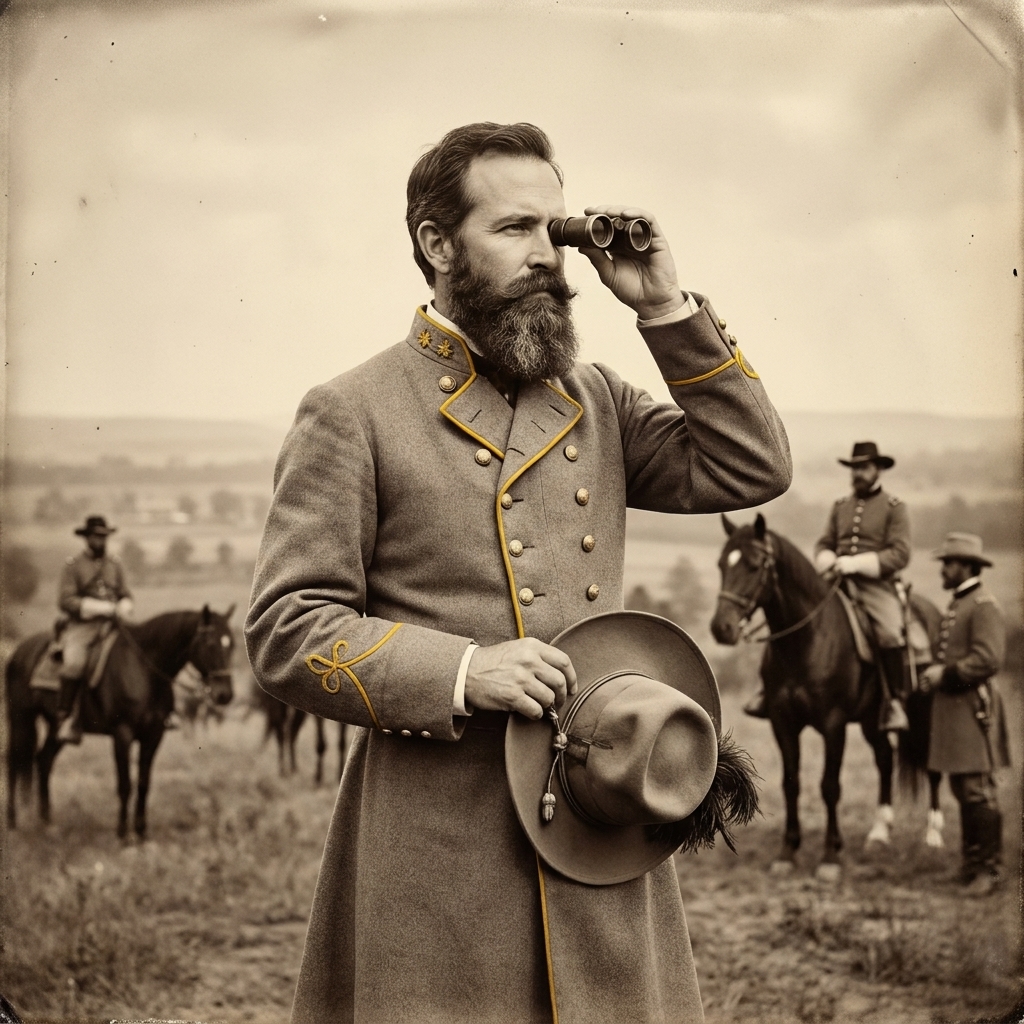
5) Pickett’s Charge
By the afternoon of July 3, Gettysburg had become what battles often become by Day 3: an argument between fatigue and will. Lee believed the Union center on Cemetery Ridge could be ruptured. His artillery would prepare the way. A massed infantry assault would break through, and success in the center would unravel the whole line.
It is a clean idea on paper. On the ground, it asked men to cross open slope under observation, under artillery, and under converging small arms fire. It asked for precision from units that would be shredded on the way in.
Where the decision went wrong
The tactical mistake was choosing a frontal assault against the strongest kind of position Gettysburg offered: a defender on higher ground with clear fields of fire. The assault we shorthand as “Pickett’s Charge” was broader than Pickett’s division alone, and that scale only raised the cost of failure. The supporting arms plan also depended on ideal execution. The Confederate bombardment did not silence Union artillery in the way Lee needed. Union guns conserved ammunition and returned at crucial moments. Coordination across smoke and noise frayed.
Why it mattered tactically
- The approach was exposed. The advance was about three-quarters of a mile, nearly a mile from some start points. It was not just distance. It was time under fire.
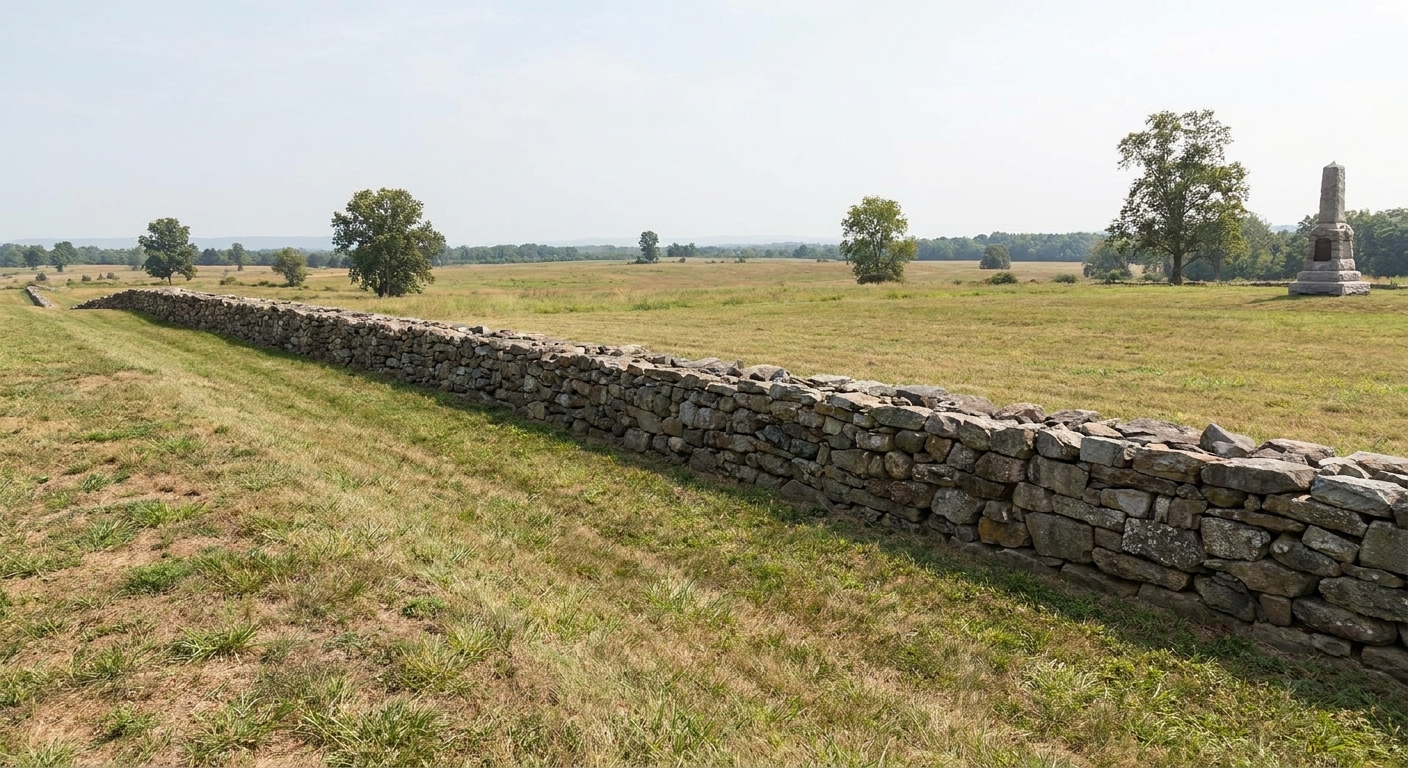
- The Union line had depth. Even where attackers reached the stone wall, reserves and interior lines helped contain the breach.
- Losses were irreplaceable. Gettysburg is not only about what happened on the ridge, but what the Confederacy could not rebuild afterward.
When I walk the ground from Seminary Ridge toward the Angle, I always try to do it slowly, like a man who cannot help but be seen. The modern world is quieter, but the geometry remains. The distance remains. You can understand why courage was not the missing ingredient, and why bravery cannot make a tactic sound.
What these mistakes share
Gettysburg’s “turning points” are often told as dramatic, separate moments. But on the ground they rhyme.
- Time mattered as much as terrain. Delays on Day 1 and Day 2 gave the Union precious hours to fortify and concentrate.
- Information shaped choices. Reconnaissance gaps before the battle narrowed Lee’s ability to select better ground and better moments.
- Exposure got punished. Whether it was Sickles’ forward angle or the long advance on July 3, the side in the open paid dearly.
It is also worth noting what the Union did right once the dice started rolling. Federal leaders and staff work exploited interior lines, shifted reinforcements faster than the Confederates could, and turned good ground into a hard position in hours.
If you are planning a visit and want to read the battlefield like a map, start with the ridge lines and the routes between them. Gettysburg is a lesson in how armies move, but it is also a lesson in how they get stuck.
For a broader primer on how to approach battle narratives and key concepts, see Guide: Battles. And if you want to connect tactics to the lived experience of the men in line, I recommend pairing this with Decoding Civil War Soldier Letters.