
Vicksburg’s bluffs, swamps, ravines, and the Mississippi made it a natural fortress—then helped Grant isolate it. A geography-driven look at why the siege en...
4 Pivotal Naval Battles of the Civil War

Silas Weaver
Silas Weaver has spent decades exploring historic battlefields, reading primary journals, and tracking down the lesser-known stories of the American Civil War. His lifelong passion for 19th-century history comes through in his engaging accounts of the places, people, and lingering questions of the era. He believes that walking the actual grounds where history happened is the best way to truly connect with the past.
Published · Last updated
The first time I stood on the quiet shoreline near Hampton Roads, the water looked too calm to hold the memory of cannon smoke and iron. That is the trick of Civil War naval history. It hides in plain sight, under flat horizons and modern shipping lanes, while the war we picture stays locked on hills and fence lines.
But the conflict’s outcome was hammered out on rivers and coasts as much as it was on fields. Control the waterways and you control movement, supply, trade, and morale. Below are four pivotal naval battles that show how ironclads, river gunboats, and hard-running squadrons shaped the war’s direction.
1) Hampton Roads (March 8 to 9, 1862)
If you only know one Civil War naval battle, make it Hampton Roads. In two days, wooden warships stopped being the unquestioned standard for major navies, with a crash of shot against iron plate.
What happened
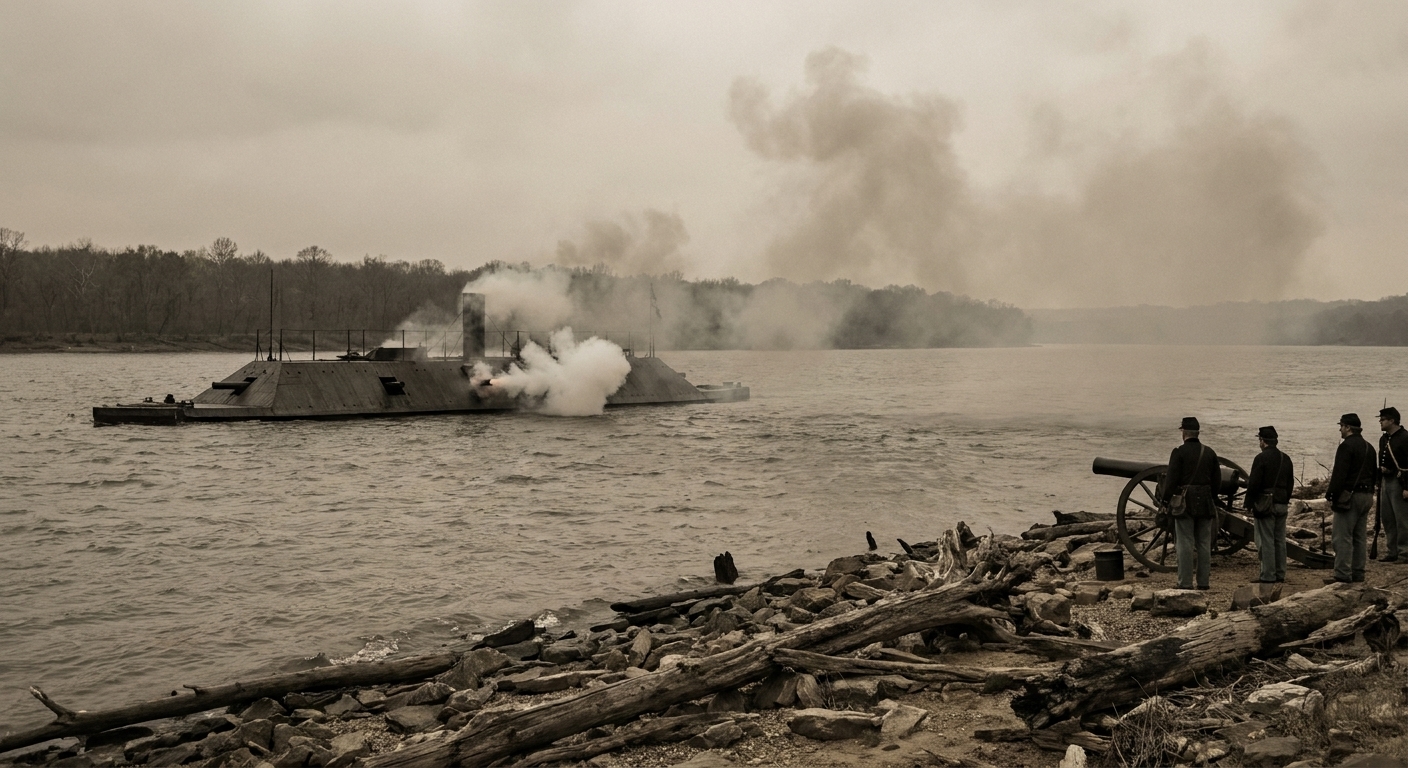
On March 8, the Confederate ironclad CSS Virginia, built on the burned hulk of USS Merrimack, steamed into Hampton Roads and went to work like a wrecking tool. She battered and sank the wooden frigate USS Cumberland, disabled USS Congress and set her ablaze, and sent the rest of the Union squadron scrambling for shallow water.
That night, the Union’s own ironclad, USS Monitor, arrived. On March 9 the two met in a close, grinding duel. Neither could land a decisive blow, but the strategic result was clear. The Confederate threat to the Union blockading force was checked, and the world learned that armor and rotating turrets were not curiosities. They were the future.
Why it mattered
- It preserved the Union blockade’s foothold in the lower Chesapeake. The blockade was not a single line of ships. It was sustained pressure, and an ironclad breaker could have changed the math fast.
- It forced rapid innovation. Both sides, and foreign navies watching closely, accelerated ironclad construction and changed naval design priorities almost overnight.
- It reshaped coastal warfare. After Hampton Roads, you could no longer assume a wooden fleet could dominate a harbor simply by showing up.
For more context on how campaigns and battles connect across different theaters, our Guide to Civil War battles is a good place to roam.
2) Capture of New Orleans (April 1862)
When people talk about the Mississippi, they usually jump straight to Vicksburg. I get it. The siege has a gravity to it. But New Orleans was the Gulf doorway, and in April 1862 the Union forced it open.
What happened
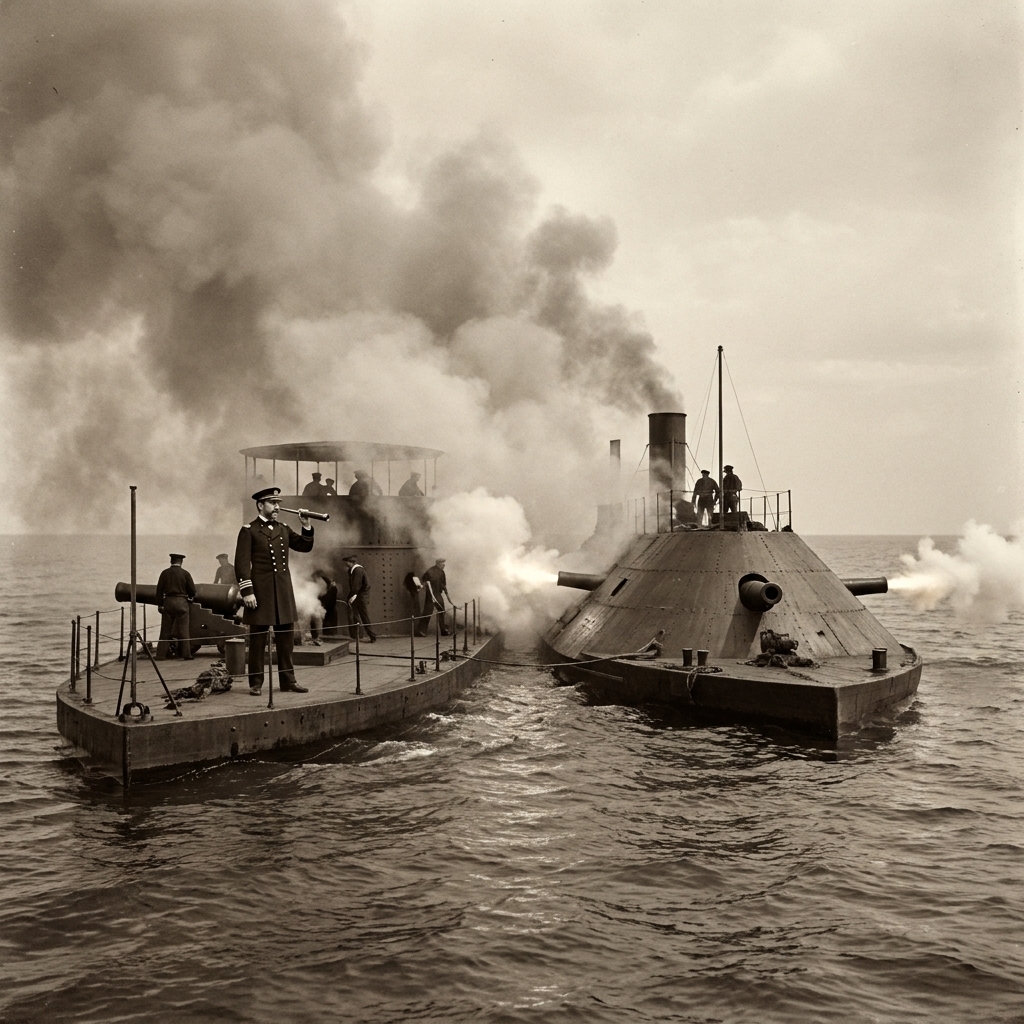
Flag Officer David G. Farragut led a fleet up the Mississippi River past Fort Jackson and Fort St. Philip, a gauntlet of forts, chains, fire rafts, and Confederate river defenses. After a tense night run under fire, Farragut’s ships reached New Orleans. In the days that followed, with the forts isolated and the river controlled, the city was occupied, delivering the Confederacy a major economic and psychological blow.
Why it mattered
- It removed the South’s largest city and busiest port from Confederate control. That cut into trade, ship repair, and the broader hope of keeping Gulf commerce alive.
- It strengthened the anaconda squeeze. A blockade is far more effective when major ports are sealed off or occupied.
- It set the stage for the Mississippi campaign. With New Orleans in Union hands, pressure could build upriver while other forces moved downriver toward the same strategic aim.
If you want the land-side culmination of this story, read The Siege of Vicksburg: Geography and a Union Victory. New Orleans and Vicksburg are chapters of the same river campaign.
3) Battle of Memphis (June 6, 1862)
Memphis tends to get treated like a footnote because it is short and sharp compared with the famous sieges. But it is one of the clearest examples of how river power could collapse a position fast once the chessboard tilted.
What happened
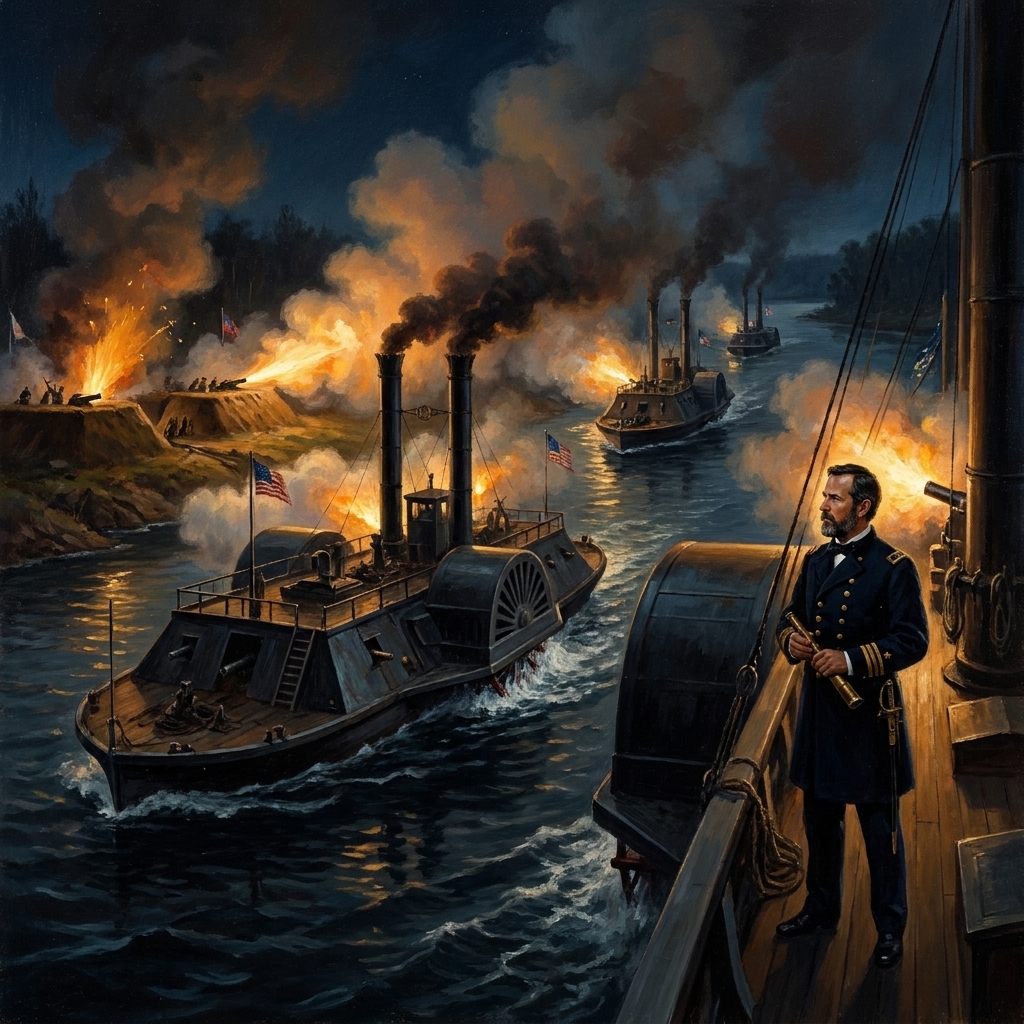
In early June 1862, Confederate defenses along the upper Mississippi were already cracking. After the fall of Fort Pillow, Confederate river forces and garrisons pulled back toward Memphis. A Confederate “River Defense Fleet” of rams and converted vessels faced a Union force that included ironclad gunboats and fast “timberclads,” such as USS Queen of the West. The battle unfolded quickly in full view of spectators on the bluffs. The Confederate flotilla was shattered, and Memphis fell to Union control the same day.
Why it mattered
- It opened a huge stretch of the Mississippi. With Memphis taken, the Union could push deeper south on the river.
- It showed the danger of improvised fleets. Courage was not enough when organization, armor, and gunnery were uneven.
- It tightened the strategic vise on Vicksburg. Every mile of river gained made the remaining Confederate strongpoints more isolated and more essential.
I have always liked Memphis as a teaching battle. It is a reminder that not every turning point takes days. Sometimes it takes hours and the wrong kind of ships in the wrong bend of river.
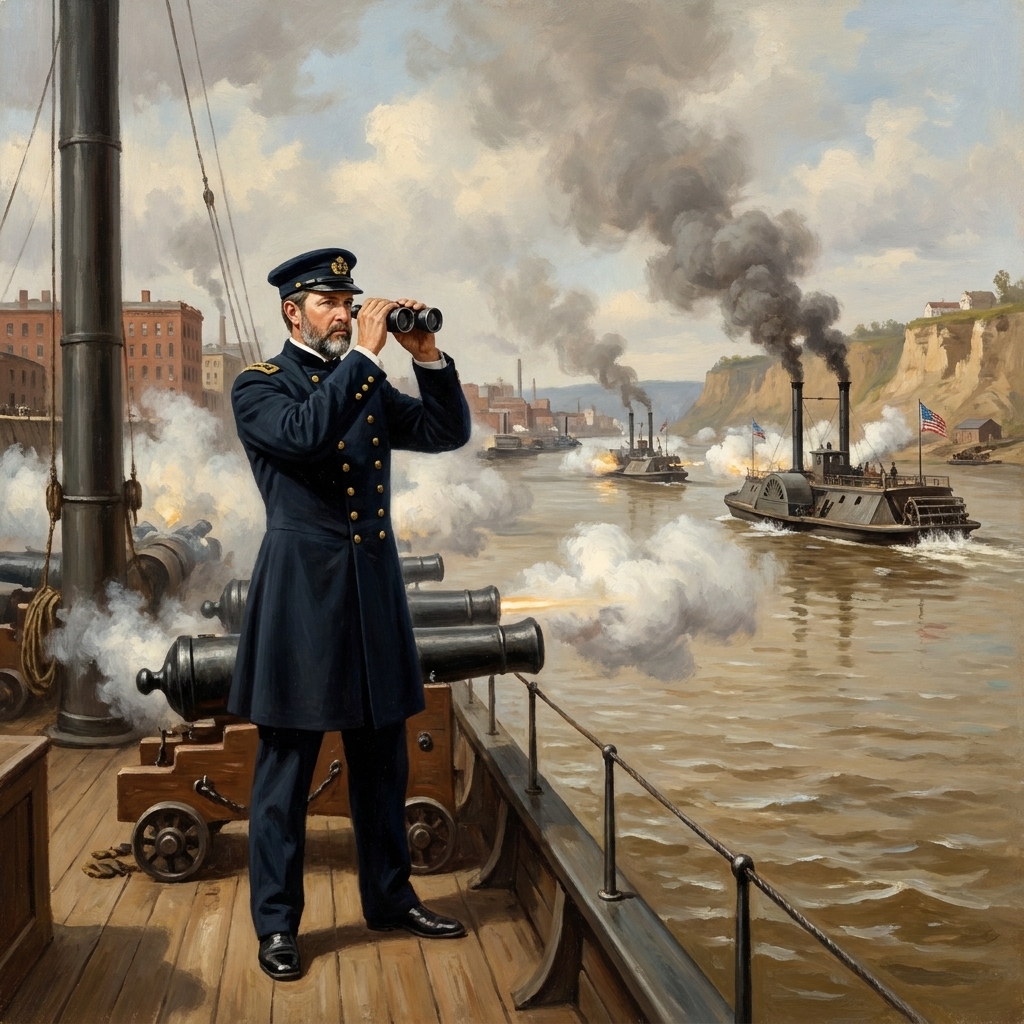
4) Battle of Mobile Bay (August 5, 1864)
By 1864, the Confederacy’s coastline was scarred by blockaded harbors and captured ports, but a few vital outlets remained. Mobile Bay was one of the most important. Taking it would not end the war, but it would tighten the blockade’s grip.
What happened
Admiral David G. Farragut, now a national naval figure, led a fleet into Mobile Bay guarded by forts, torpedoes (what we would now call mines), and the Confederate ironclad CSS Tennessee. The approach was hazardous. When USS Tecumseh struck a mine and sank, the column hesitated under fire. Farragut, secured high in the rigging to see above the smoke, pushed the fleet forward into the bay.
Once inside, Union ships and monitors fought it out with Tennessee in a pounding, close-range fight that ended with the ironclad battered into surrender. Mobile itself did not immediately fall, but the bay was effectively closed as a Confederate port.
Why it mattered
- It sealed off one of the Confederacy’s last major Gulf gateways. Even when blockade running continued elsewhere, losing Mobile Bay shrank the Confederacy’s options.
- It proved the Union Navy could force heavily defended waters. Forts, mines, and ironclads were formidable together. Farragut broke the combination.
- It boosted Northern morale in an election year. In 1864, battlefield news and home-front confidence were tightly braided.
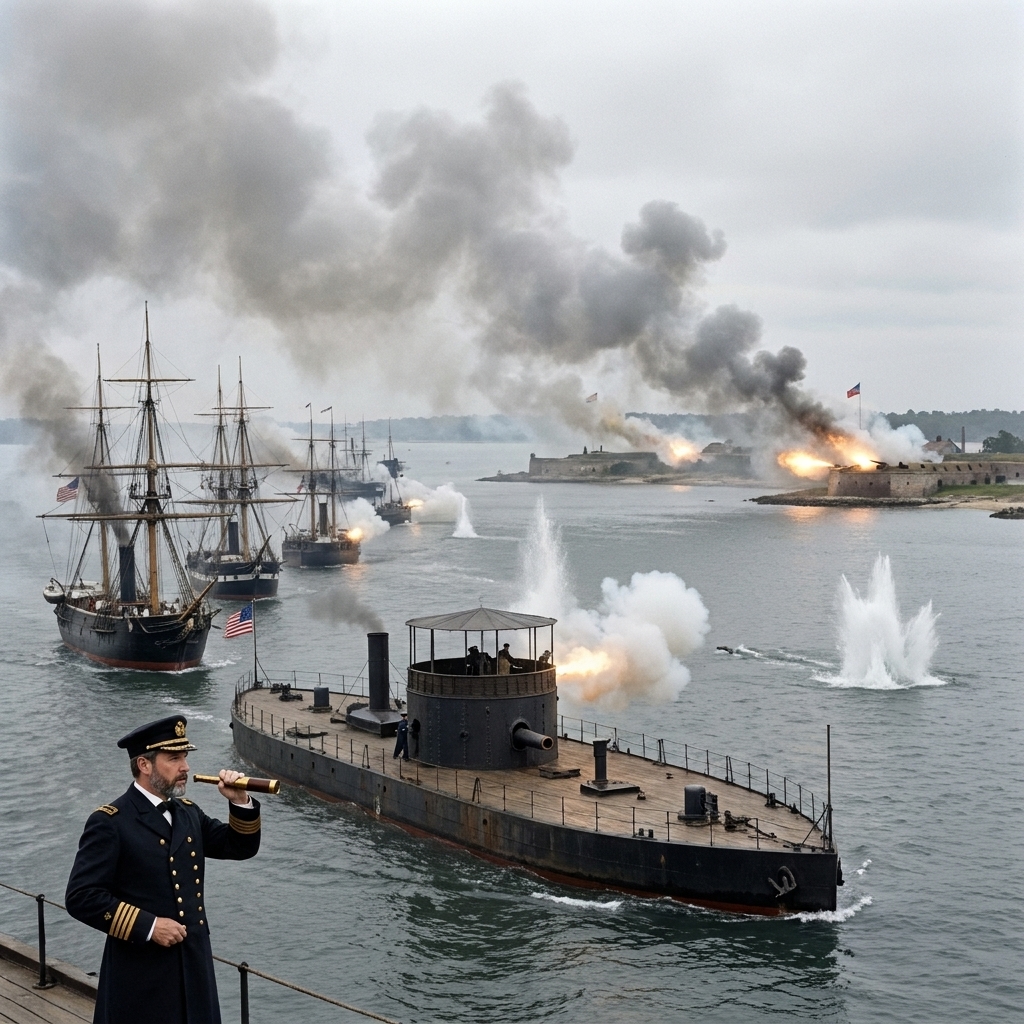
What these four battles show
Put side by side, these battles show the Civil War at sea as something more than ships trading broadsides.
- Technology was strategy. Iron armor and turreted guns did not just change how ships fought. They changed what was possible near forts, in harbors, and along rivers.
- Rivers were highways. Memphis and New Orleans underscore a truth every quartermaster understood: water transport could move heavy supplies far more efficiently than wagons.
- The blockade was a long campaign, not a single event. Naval victories were often about shutting doors and keeping them shut, one harbor at a time.
There were other essential chapters in that longer story, from early footholds on the coast to joint Army-Navy operations that never fit neatly into a single “sea battle” label. These four, though, are clean turning points you can trace on any wartime map.
If you are planning to connect naval history to places you can still walk today, our battlefield travel guide can help you think through timing, pacing, and what to look for on the ground.
Quick questions
Was Hampton Roads a draw?
Tactically, yes. Strategically, it favored the Union. The Confederate ironclad threat to the blockading squadron was blunted, and the Union kept its position. Just as important, the battle ended any illusion that wooden fleets could rule the coast unchallenged.
Why focus on New Orleans rather than Vicksburg?
Because New Orleans was the mouth of the Mississippi. Capturing it did not finish the river war, but it removed a massive Confederate port and made the downstream half of the river far harder for the Confederacy to use.
What made Mobile Bay so dangerous?
It combined three killers in one tight space: fort guns, mines, and an ironclad defender. Farragut’s success was not just bravery. It was disciplined fleet handling under conditions designed to cause hesitation and confusion.