From: National Archives and Records Administration
|
Kindle Available Political Culture and Secession in Mississippi: Masculinity, Honor, and the Antiparty Tradition, 1830-1860 A rich new perspective on the events leading up to the Civil War and will prove an invaluable tool for understanding the central crisis in American politics. Kindle Available  A South Divided: Portraits of Dissent in the Confederacy An account of Southern dissidents in the Civil War, at times labeled as traitors, Tories, deserters, or mossbacks during the war and loyalists, Lincoln loyalists, and Unionists by historians of the war |
Kindle Available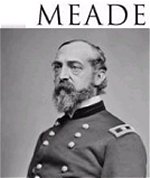 Meade: Victor At Gettysburg Meade took command only hours before his forces stumbled upon Robert E. Lee's Confederates at Gettysburg, Pennsylvania, in 1863. He led his men to victory in one of the most famous battles in history, but Meade was soon embroiled in political battles with fellow generals and Washington politicians |
Kindle Available Personal Memoirs of P.H. Sheridan, General United States Army Philip H. Sheridan earned the enmity of many Virginians for laying waste to the Shenandoah Valley. His date and place of birth is uncertain, but he himself claimed to have been born in New York in 1831 |
Kindle Available Southern Storm Sherman's March to the Sea The destruction spanned more than sixty miles in width and virtually cut the South in two, disabling the flow of supplies to the Confederate army. He led more than 60,000 Union troops to blaze a path from Atlanta to Savannah, ordering his men to burn crops, kill livestock, and decimate everything that fed the Rebel war machine |
Kindle Available Army Life in a Black Regiment: and Other Writings In 1862, Thomas Wentworth Higginson was commissioned as a colonel to head the first regiment of emancipated slaves. A Civil War memoir written by an abolitionist, this text is the stirring history of the first regiment of emancipated slaves formed to fight in the Civil War |
Kindle Available Freedom for Themselves: North Carolina's Black Soldiers in the Civil War Era The processes by which black men enlisted and were trained, the history of each regiment, the lives of the soldiers' families during the war, and the experiences of the colored veterans and their families living in an ex-Confederate state |
Kindle Available The Negro's Civil War: How American Blacks Felt and Acted During the War for the Union In this classic study, Pulitzer Prize-winning author James M. McPherson deftly narrates the experience of blacks--former slaves and soldiers, preachers, visionaries, doctors, intellectuals, and common people--during the Civil War |
Kindle Available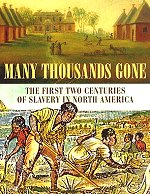 Many Thousands Gone: The First Two Centuries of Slavery in North America The evolution of black society from the first arrivals in the early seventeenth century through the Revolution |
Kindle Available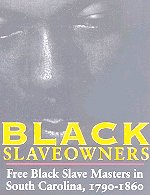 Black Slaveowners: Free Black Slave Masters in South Carolina, 1790-1860 An analysis of all aspects and particularly of the commercialism of black slaveowning debunks the myth that black slaveholding was a benevolent institution based on kinship, and explains the transition of black masters from slavery to paid labor. |
Kindle Available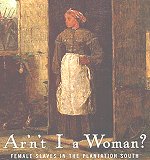 Ar'n't I a Woman?: Female Slaves in the Plantation South Firsthand accounts of Black "sisters of the spirit" is the only way to truly gain a feel for what they endured and the larger cultural evils. |
Kindle Available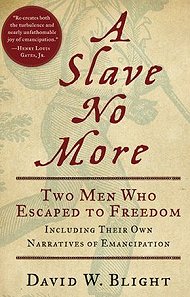 A Slave No More: Two Men Who Escaped to Freedom, Including Their Own Narratives of Emancipation A mere handful are first-person accounts by slaves who ran away and freed themselves. Now two newly uncovered narratives, and the biographies of the men who wrote them, join that exclusive group with the publication |
Kindle Available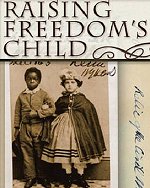 Raising Freedom's Child: Black Children and Visions of the Future After Slavery Previously untapped documents and period photographs casts a dazzling, fresh light on the way that abolitionists, educators, missionaries, planters, politicians, and free children of color envisioned the status of African Americans after emancipation |
Kindle Available What They Didn't Teach You About the Civil War |
