 The Gettysburg Address in Translation: What It Really Means How long is four score and seven years? Just what are unalienable rights? This translation makes important historical documents meaningful. Each book translates the work of a primary source into a language you can understand. |
Abraham Lincoln The Gettysburg Address |
Kindle Available The Civil War Introduces young readers to the harrowing true story of the American Civil War and its immediate aftermath. A surprisingly detailed battle-by-battle account of America's deadliest conflict ensues, culminating in the restoration of the Union followed by the tragic assassination of President Lincoln |
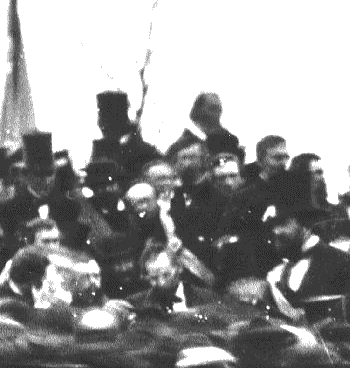
Picture from the battlefield
 Four score and seven years ago our fathers brought forth, upon this continent, a new nation, conceived in Liberty, and dedicated to the proposition that all men are created equal. Four score and seven years ago our fathers brought forth, upon this continent, a new nation, conceived in Liberty, and dedicated to the proposition that all men are created equal.
Now we are engaged in a great civil war, testing whether that nation, or any nation so conceived, and so dedicated, can long endure. We are met here on a great battlefield of that war. We have come to dedicate a portion of it as a final resting place for those who here gave their lives that that nation might live. It is altogether fitting and proper that we should do this. But in a larger sense we can not dedicate - we can not consecrate - we can not hallow this ground. The brave men, living and dead, who struggled, here, have consecrated it far above our poor power to add or detract. The world will little note, nor long remember, what we say here, but can never forget what they did here. It is for us, the living, rather to be dedicated here to the unfinished work which they have, thus far, so nobly carried on. It is rather for us to be here dedicated to the great task remaining before us - that from these honored dead we take increased devotion to that cause for which they here gave the last full measure of devotion - that we here highly resolve that these dead shall not have died in vain; that this nation shall have a new birth of freedom; and that this government of the people, by the people, for the people, shall not perish from the earth. |
 Lincoln's Gettysburg Address: Echoes of the Bible and Book of Common Prayer This is a new look at the sources of one of history's great speeches. While it has long been determined that Abraham Lincoln's writings were influenced by the King James Bible, until now no full-length study has shown the precise ways in which the Gettysburg Address uses its specific language |
| A discussion about Presdient Lincoln's use of the phrase "Under God" in the Gettysburg Address |
|
| John George Nicolay Copy This represents the earliest known of the five drafts of what may be the most famous American speech. Delivered by President Abraham Lincoln in Gettysburg, Pennsylvania, at the dedication of a memorial cemetery on November 19, 1863, it is now familiarly known as the "Gettysburg Address." Drawing inspiration from his favorite historical document, the Declaration of Independence, Lincoln equated the catastrophic suffering caused by the Civil War with the efforts of the American people to live up to "the proposition that 'all men are created equal.'" This document is presumed to be the only working, or pre-delivery, draft and is commonly identified as the Nicolay Copy because it was once owned by John George Nicolay, Lincoln's private secretary. The first page is on White House (then Executive Mansion) stationery, lending strong support to the theory that it was drafted in Washington, D.C. But the second page is on what has been loosely described as foolscap, suggesting that Lincoln was not fully satisfied with the final paragraph of the Address and rewrote that passage in Gettysburg, on November 19, while staying at the home of Judge David Wills. |
|
Kindle Available The Gettysburg Gospel: The Lincoln Speech That Nobody Knows Reconstructs what really happened in Gettysburg, Pennsylvania, on November 19, 1863.  The Gettysburg Address 9 in. x 12 in. Buy at AllPosters.com 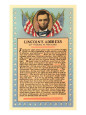 Lincoln with Text of Gettysburg Address 18 in. x 24 in. Buy at AllPosters.com |
 Lincoln and Freedom: Slavery, Emancipation, and the Thirteenth Amendment The history of slavery in North America, the Dred Scott decision, the evolution of Lincoln's view of presidential powers, the influence of religion on Lincoln, and the effects of the Emancipation Proclamation  Biography Abraham Lincoln Preserving the Union Abe Lincoln's presidency in detail. The emotional tragedy and the humorus side of the man. His thoughts on the early commanders and dicussions with Historians. Pictures and details hard to find in other historical documentaries. |
Buy this Abraham Lincoln Gettysburg Address 1863 Poster 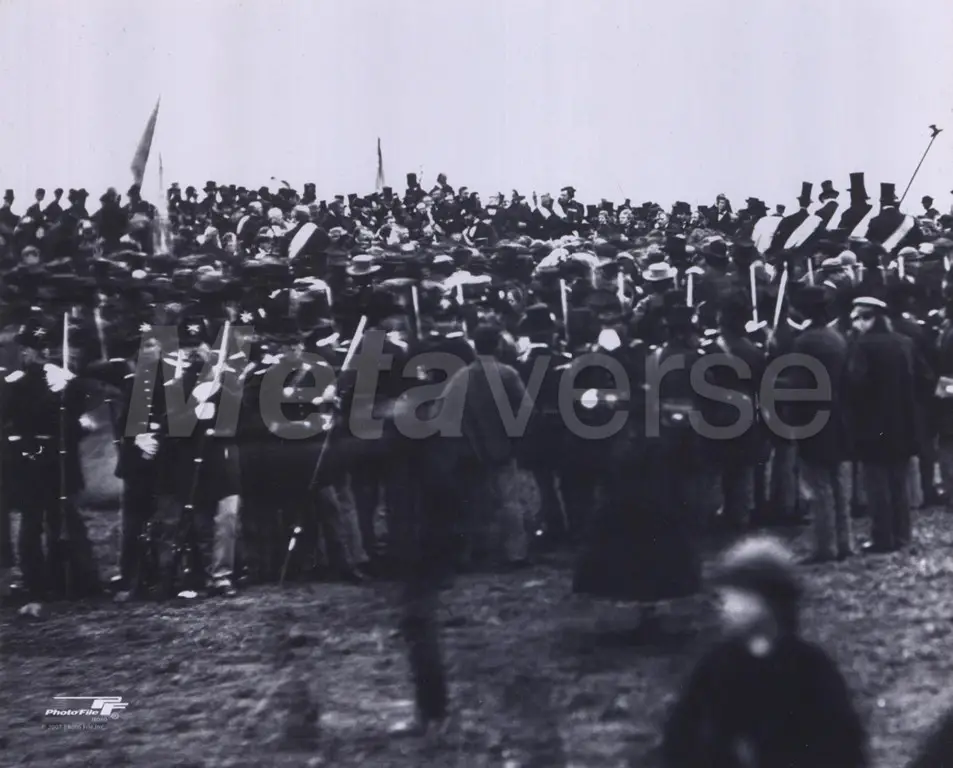 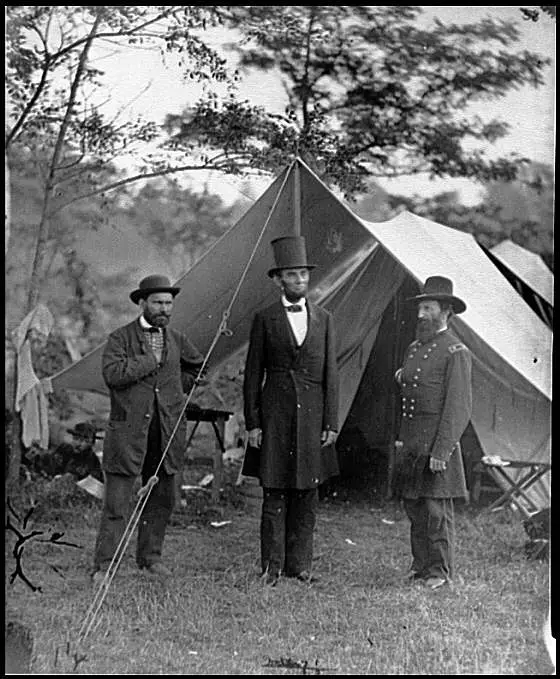 Allan Pinkerton of the secret service, President Lincoln, and Major General John McClernand, 1862 |
The Collected Works of Abraham Lincoln, Rutgers University Press (1953, is the authoritative text for Lincoln’s Gettysburg Address. In Vol VIII, the editors give us this: The First Draft does not contain the phrase “under God” in the final paragraph. The first page of this draft was written in ink on Executive Mansion stationery before Lincoln went to Gettysburg. The page ends in an incomplete sentence which infers that a second page was written in Washington. There is no existing original page, however, that has been found that is written in ink. The only existing second page written in Lincoln’s hand, is written in pencil on lined paper. It shows indications of being a copy made by Lincoln of an original page he threw away, perhaps because it had been overwritten. When Lincoln made the penciled copy is uncertain. If we believe John G. Nicolay, Lincoln wrote the second page at Gettysburg. The second page, written in pencil by Lincoln’s hand, reads in the last sentence: “that the nation, shall have a new birth of freedom, and that the government of the people, by the people, for the people, shall not perish from the earth.” The Second Draft: This draft is written in Lincoln’s hand on paper similar to that of the first draft. It does not contain the phrase “under God” in the last sentence. Lincoln probably spoke with this draft in front of him. While Nicolay writes about “a new autograph copy” written sometime after the event, Nicolay’s account, published many years after the event of the Gettysburg Address, is incomplete, vague and shows no acquaintance with the second draft. No other document containing the address, written in Lincoln’s hand, exists. The phrase “under God” appears in the New York newspapers version of the address Lincoln gave. The text the newspapers printed came from an Associated Press reporter, Joseph I Gilbert. According to Gilbert’s later account, his text came partly from his shorthand notes and partly from Lincoln’s manuscript. In order to accept Gilbert’s rendition of what Lincoln actually said, we have to believe Gilbert wrote down accurately what Lincoln said. That he did not embellish. It must be understood here that Lincoln was speaking in the cemetery, before a large crowd, and whether or not his voice could be heard clearly to Gilbert’s ear, no one can ever know. It is clear that Gilbert did not record precisely what Lincoln actually said. Lincoln’s manuscript reads, for example, “Our poor power.” Gilbert’s text gives us only “our power.” It does appear that three months after the address was given, Lincoln signed off on a copy he sent to Edward Everett, for use by Everett in the publication of his own address, which included the phrase “under God.” The historians take the view, here, that Lincoln included the phrase in the text he sent to Everett, because it had appeared in the newspapers. Whether Lincoln actually said the phrase at the time the address was made remains an issue in dispute. Had Lincoln meant the phrase to be included, there is no intelligent reason why, having prepared at least two drafts of his speech over a number of days, he would not have interlined the phrase into the draft he actually spoke from. Additional Reading:Lincoln at Gettysburg: The Words that Remade America see Appendix I (page 191-195) by: Garry Willis |
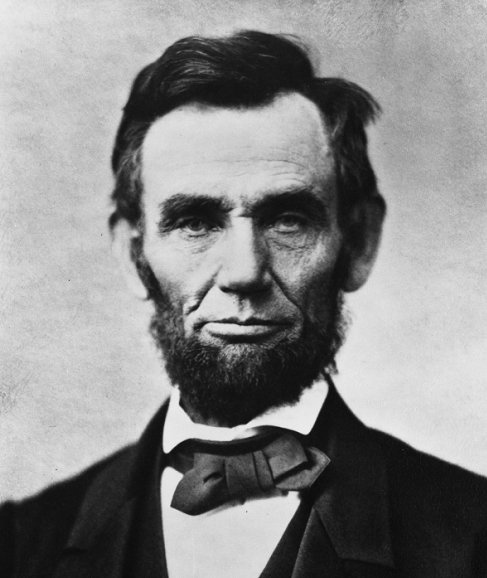 photograph taken Nov. 8 1863 |
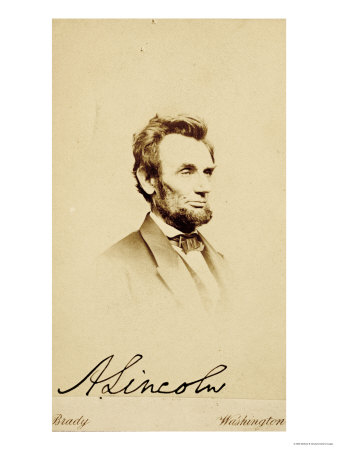 Photographic Portrait of Abraham Lincoln, 1864 Mathew B. Brady, 9 in. x 12 in. Buy at AllPosters.com 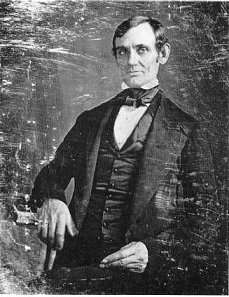 |
 Blood on the Moon: The Assassination of Abraham Lincoln The definative book on the Lincoln Assassination, and the escape of John Wilkes Booth. not only does the author give a clear and concise accounting, he takes us out of the vacuum and explains the minute details of the very knotted relationships between the conspirators, and the links of the Confederate underground to Canada and back. |
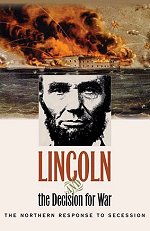 Lincoln and the Decision for War: The Northern Response to Secession Democratic leader Stephen Douglas to Republican party leader William Seward. More than just a politcal history, letters and quotes from common townspeople provide a complete view of the perceptions of the time |
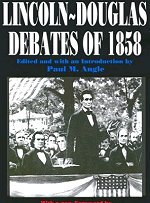 The Complete Lincoln-Douglas Debates of 1858 Zarefsky analyzes the rhetoric of the speeches, showing how Lincoln and Douglas chose their arguments and initiated a debate that shook the nation. Their eloquent, statesmanlike discussion of the morality of slavery illustrates the masterful use of rhetorical strategies and tactics in the public forum: a form of discourse that has nearly disappeared from the political scene today |
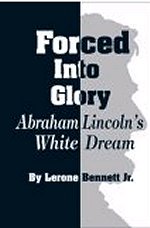 Forced into Glory Abraham Lincoln's White Dream This dissenting view of Lincoln's greatness surveys the president's policies, speeches, and private utterances and concludes that he had little real interest in abolition. Pointing to Lincoln's support for the fugitive slave laws, his friendship with slave-owning senator Henry Clay, and conversations in which he entertained the idea of deporting slaves |
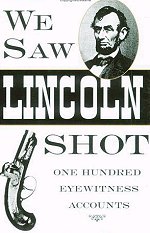 We Saw Lincoln Shot One Hundred Eyewitness Accounts How witnesses felt after; how rumor of other tragedies spread in the hours after, why some Southerners hated Lincoln and cheered his death; and, ultimately, why those who loved him were so profoundly affected |
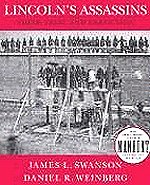 Lincolns Assasins Their Trial and Execution For twelve days after the president was shot, the nation waited breathlessly as manhunters tracked down John Wilkes Booth |
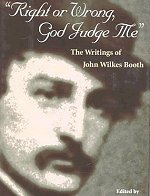 Right or Wrong, God Judge Me The Writings of John Wilkes Booth Collection of the writings of John Wilkes Booth constitutes a major new primary source that contributes to scholarship on Abraham Lincoln, the Civil War, and nineteenth-century theater history. The nearly seventy documents--more than half published here for the first time--include love letters written during the summer of 1864 |
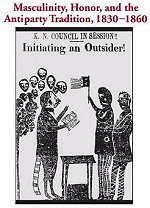 Political Culture and Secession in Mississippi: Masculinity, Honor, and the Antiparty Tradition, 1830-1860 A rich new perspective on the events leading up to the Civil War and will prove an invaluable tool for understanding the central crisis in American politics. Kindle Version |
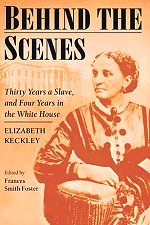 Behind the Scenes: Thirty Years a Slave, and Four Years in the White House This is a memior written by a woman who started life as a slave, then managed to buy her freedom, and later set up a successful living as a seamstress, eventually going to work for Mary Todd Lincoln in the White House |
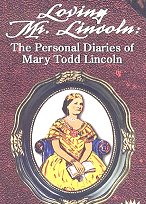 Loving Mr. Lincoln: The Personal Diaries of Mary Todd Lincoln Chronicles life, love, and daily struggles with Abraham in their 26 years together. In frank, haunting journal entries, Mary describes the pain she felt when Abraham left her at the altar, when her sons died, and when Abraham's political career seemed to be at an end |
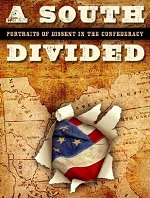 A South Divided: Portraits of Dissent in the Confederacy An account of Southern dissidents in the Civil War, at times labeled as traitors, Tories, deserters, or mossbacks during the war and loyalists, Lincoln loyalists, and Unionists by historians of the war. Kindle Version |
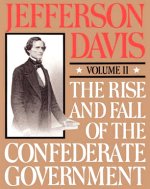 The Rise and Fall of the Confederate Government Whether we agree with Jefferson Davis or not, knowledge of his point of view is essential to understanding the causes of the Civil War. The forward by McPherson helps to give balance and explanation. |
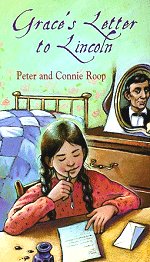 Grace's Letter to Lincoln Many important details of the time period help to make the reader understand what life was like then. It also includes photos of the actual letters written between Grace and Mr. Lincoln |
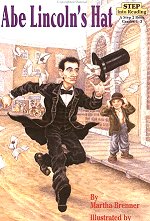 Abe Lincoln's Hat Step into Reading Abraham Lincoln, started out in life as an absent-minded lawyer. How did he nudge his memory? He stuck letters, court notes, contracts, and even his checkbook in his trademark top hat. |
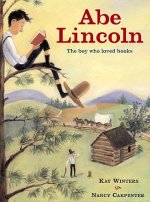 Abe Lincoln The Boy Who Loved Books Children of all ages will enjoy reading this book and realizing that a love of books, as Abraham Lincoln did, can change a persons life and move him or her to become a great person |
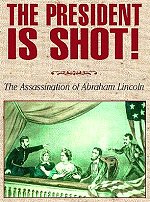 The President Is Shot!: The Assassination of Abraham Lincoln Grade 6-10 --Description of the violent end to Lincoln's life. Holzer provides the Civil War context of the event and then details April 14 and 15, 1865. Why Murder Lincoln?, to demonstrate that this president was not always the universally beloved icon that students see him as today. |
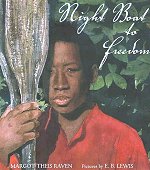 Night Boat To Freedom Night Boat to Freedom is a wonderful story about the Underground Railroad, as told from the point of view of two "ordinary" people who made it possible. Beyond that, it is a story about dignity and courage, and a devotion to the ideal of freedom. |
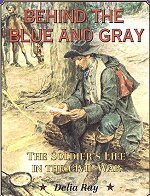 Behind the Blue and Gray The Soldier's Life in the Civil War Civil War reading can be very dry, but not this book. Delia Ray takes us on a soldiers journey beginning with enlistment and ending with a soldiers life after the war, using quotes from actual letters and diaries strategically placed throughout the book. |
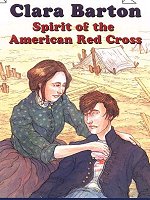 Clara Barton: Spirit of the American Red Cross Ready To Read - Level Three Clara Barton was very shy and sensitive, and not always sure of herself. But her fighting spirit and desire to help others drove her to become one of the world's most famous humanitarians. Learn all about the life of the woman who formed the American Red Cross. |
Kindle Available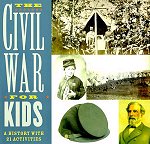 The Civil War for Kids History explodes in this activity guide spanning the turmoil preceding secession, the first shots fired at Fort Sumter, the fierce battles on land and sea, and finally the Confederate surrender at Appomattox. Making butternut dye for a Rebel uniform, learning drills and signals with flags, decoding wigwag, baking hardtack, reenacting battles, and making a medicine kit bring this pivotal period in our nation's history to life. |
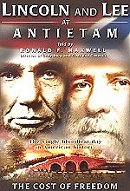 Lincoln and Lee at Antietam The Cost of Freedom Lincoln and Lee at Antietam covers the entire struggle of the Antietam Campaign. The political concept about why Lincoln needed a Union victory and Lee's need to take the war north were covered as well as the battle. |
 Abraham Lincoln Journey though the life of America's heroic President. The story begins at Lincoln's birth. The history of what led this man to the White House, his freeing of the slaves, and the Civil War; This story delves into his personal life, including Lincoln's affair with Ann Ruthledge and courtship of Mary Todd. Lincoln struggles through his debates with Douglas and in the end is assassinated |
 Abraham Lincoln: His Life & Legacy Comprehensive four-DVD set presents a complex portrait of a man who many consider to be our greatest commander-in-chief, but who considered himself "the loneliest man in the world." Bringing to life the tumultuous times in which Lincoln led his country, some of his finest Civil War moments, and his final hours |
 Unsolved History ~ Plots to Kill Lincoln Discovery Channel Before John Wilkes Booth fired that fatal shot in the balcony of Ford's Theater, President Lincoln was the target of at least five other assassination conspiracies. |
Biography - Abraham Lincoln Preserving the Union Abe Lincoln's presidency in detail. The emotional tragedy and the humorus side of the man. His thoughts on the early commanders and dicussions with Historians. Pictures and details hard to find in other historical documentaries. |
 American Experience - Abraham and Mary Lincoln: A House Divided Abraham Lincoln's legacy as the Great Emancipator reshaped the nation while his tragic death left Mary reclusive and forgotten. |
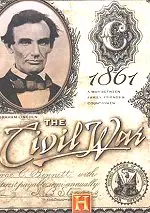 History Channel Presents The Civil War From Harper's Ferry, Fort Sumter, and First Bull Run to Shiloh, Antietam, and Gettysburg. The most legendary Civil War battles in brilliant detail. A selection of the soldiers and legendary leaders. |
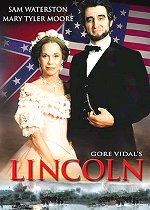 Gore Vidal's Lincoln This a very personal view of President Lincoln and his relationship with his wife Mary. |
 Wargame Construction Age of Rifles 1846 - 1905 Game lets you design and play turn-based strategic battles. You can create scenarios betwen years 1846 and 1905. You have complete control over all the units, and can customize their firepower, movement points, strength, aggressiveness, etc. Supports 1 or 2 players |
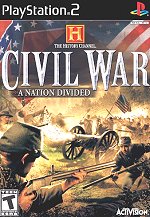 History Channel: Civil War A Nation Divided Rally the troops and organize a counterattack -- Your strategic decision and talent as a commander will decide if the Union is preserved or if Dixie wins its independence |
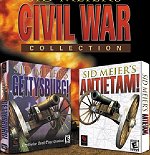 Sid Meier's Civil War Collection Take command of either Confederate or Union troops and command them to attack from the trees, rally around the general, or do any number of other realistic military actions. The AI reacts to your commands as if it was a real Civil War general, and offers infinite replayability. The random-scenario generator provides endless variations on the battles |
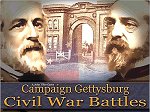 Campaign Gettysburg: Civil War Battles Campaign Gettysburg is simply the best of all the HPS Civil War games. While all of those are very good in their own right they simply do not compete with the level of detail presented here. Hundreds of scenarios and multiple OOBs are only the start, the best thing is the campaign game |
Sources:
Library of Congress
Cornell University
