Kindle Available Lincoln and Chief Justice Taney: Slavery, Secession, and the President's War Powers The clashes between President Abraham Lincoln and Chief Justice Roger B. Taney over slavery, secession, and the president's constitutional war powers went to the heart of Lincoln's presidency. James Simon, author of the acclaimed What Kind of Nation, brings to vivid life the passionate struggle during the worst crisis in the nation's history, the Civil War |
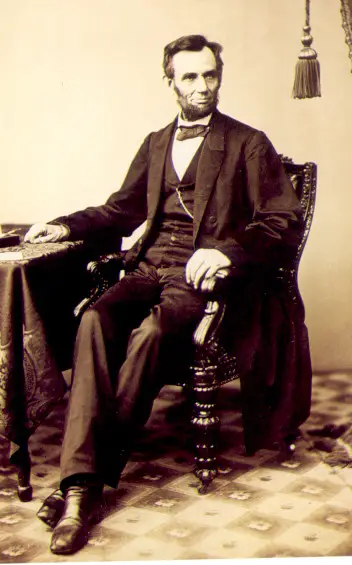
Abraham Lincoln
Sixteenth President 1861-1865
|
Kindle Available Come Retribution: The Confederate Secret Service and the Assassination of Lincoln Many Confederates believed that Abraham Lincoln himself was the sponsor of the Union army's heavy destruction of the South. With John Wilkes Booth as its agent, the Confederate Secret Service devised a plan of retribution--to seize President Lincoln, hold him hostage, and bring the war-weary North to capitulation. |
|
Original Work Did Lincoln Instigate the events at Fort Sumter April 1861?  Lincoln's Gettysburg Address: Echoes of the Bible and Book of Common Prayer This is a new look at the sources of one of history's great speeches. While it has long been determined that Abraham Lincoln's writings were influenced by the King James Bible, until now no full-length study has shown the precise ways in which the Gettysburg Address uses its specific language  The Gettysburg Address in Translation: What It Really Means How long is four score and seven years? Just what are unalienable rights? This translation makes important historical documents meaningful. Each book translates the work of a primary source into a language you can understand. |
|
|
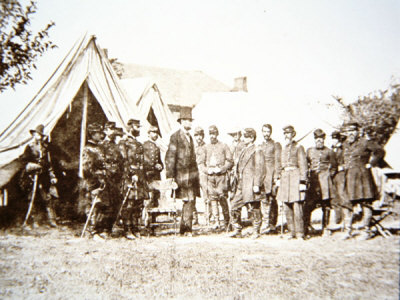 President Lincoln Meets His Generals at Antietam, 3rd October 1862 Photographic Print 16 in. x 12 in. Buy at AllPosters.com |
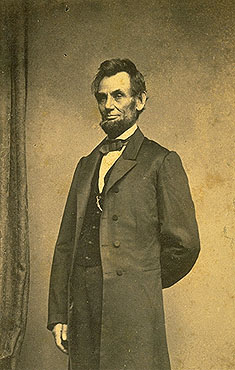 |
Lincoln's Box Ford Theatre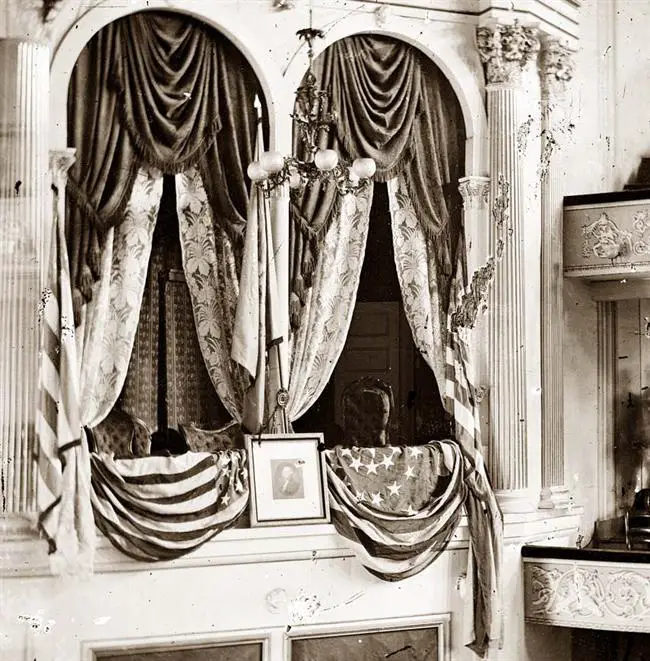 |
 Abraham and Mary Lincoln: A House Divided Abraham Lincoln's legacy as the Great Emancipator reshaped the nation while his tragic death left Mary reclusive and forgotten. DVD 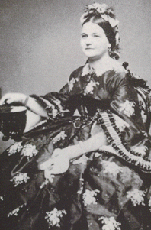 Mary Todd Lincoln |
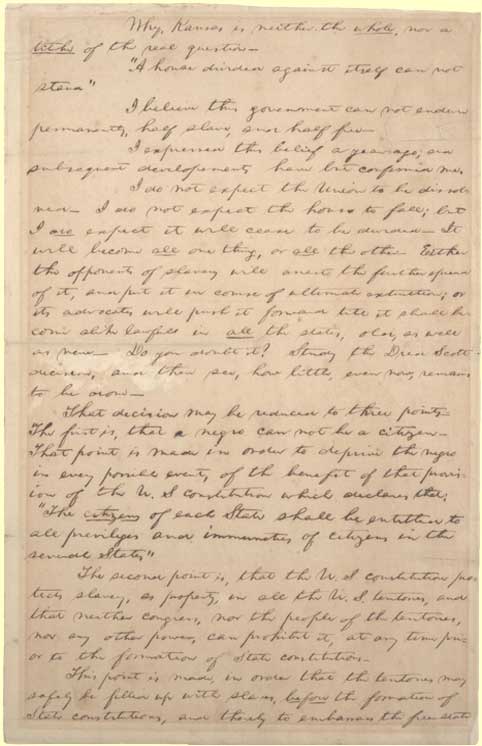 |
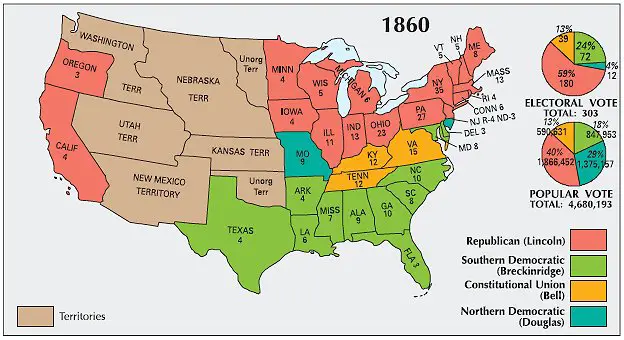
Why, Kansas is neither the whole, nor a tithe of the real question. "A house divided against itself can not stand" I believe this government can not endure permanently half slave, and half free. I expressed this belief a year ago; and subsequent developments have but confirmed me. I do not expect the Union to be dissolved. I do not expect the house to fall; but I do expect it will cease to be divided. It will become all one thing, or all the other. Either the opponents of slavery will arrest the further spread of it, and put it in course of ultimate extinction; or its advocates will push it forward till it shall become alike lawfull in all the states, old, as well as new. Do you doubt it? Study the Dred Scott decision, and then see, how little, even now, remains to be done. That decision may be reduced to three points. The first is, that a negro can not be a citizen. That point is made in order to deprive the negro in every possible event, of the benefit of that provision of the U. S. Constitution which declares that: "The citizens of each State shall be entitled to all previleges [sic] and immunities of citizens in the several States." The second point is, that the U. S. constitution protects slavery, as property, in all the U. S. territories, and that neither congress, nor the people of the territories, nor any other power, can prohibit it, at any time prior to the formation of State constitutions. This point is made, in order that the territories may safely be filled up with slaves, before the formation of State constitutions, and thereby to embarrass the free state (sentiment, and enhance the chances of slave constitutions being adopted.) (The third point decided is that the voluntary bringing of Dred Scott into Illinois by his master, and holding him here a long time as a slave, did not operate his emancipation -- did not make him free.)
|
 The Complete Lincoln-Douglas Debates of 1858 Zarefsky analyzes the rhetoric of the speeches, showing how Lincoln and Douglas chose their arguments and initiated a debate that shook the nation. Their eloquent, statesmanlike discussion of the morality of slavery illustrates the masterful use of rhetorical strategies and tactics in the public forum: a form of discourse that has nearly disappeared from the political scene today |
Illustrated London Times 1861 Click to enlarge 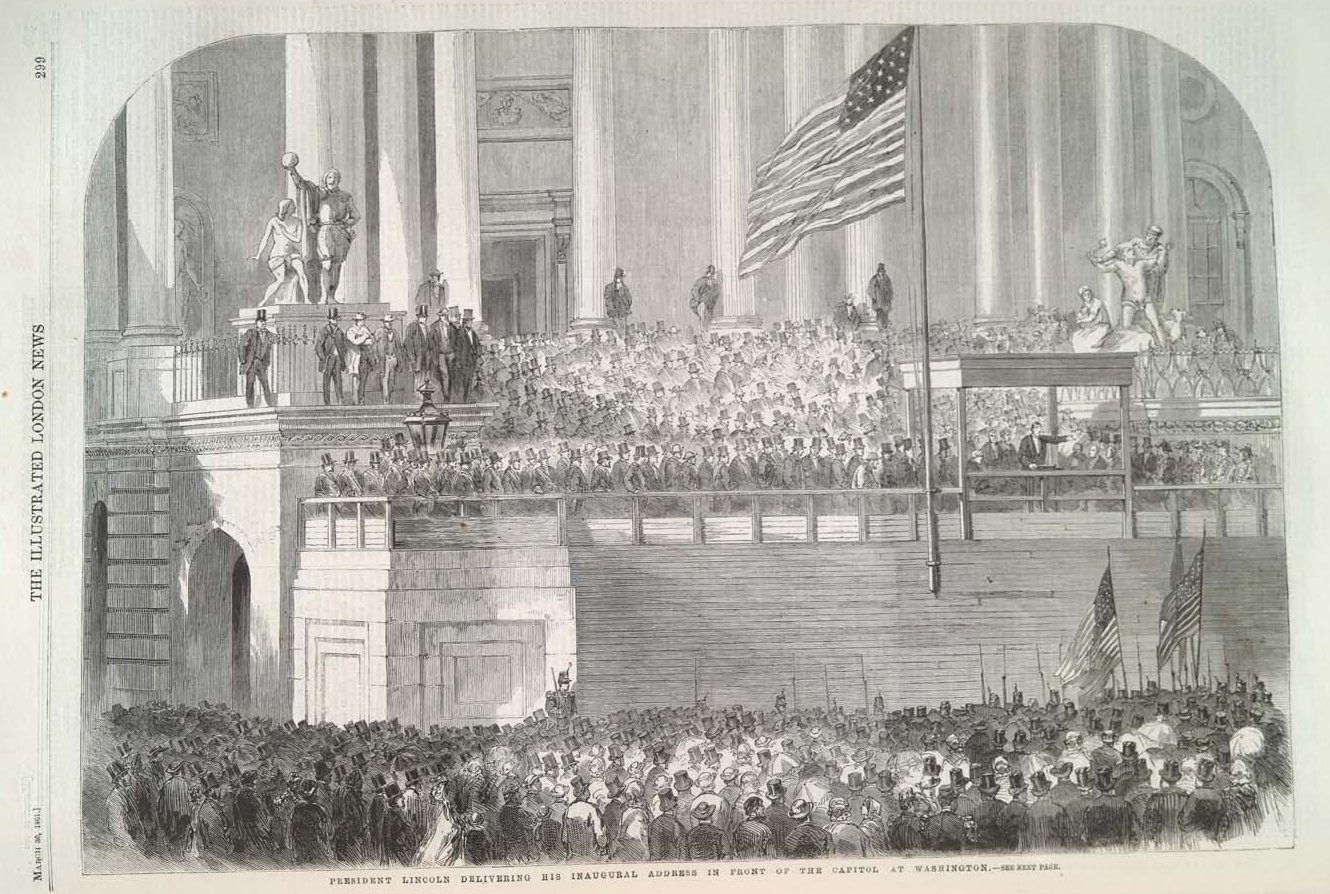 |
Kindle Available The Gettysburg Gospel: The Lincoln Speech That Nobody Knows Reconstructs what really happened in Gettysburg, Pennsylvania, on November 19, 1863. |
 Civil War Soldier 102 Piece Playset
|
Lincoln Calls up a Militia Lincoln Assassination Gettysburg Address American Civil War Exhibits Civil War Documents Civil War Timeline Women in the War Confederate President Jefferson Davis Kids Zone Battle of Gettysburg Civil War Collectibles |
Kindle Available Lincoln and His World: The Early Years Birth to Illinois Legislature The story of this monumental American and bring a fascinating era of American history to life. The book covers Lincoln's birth through his first election to the Illinois legislature in 1834 |
 Blood on the Moon: The Assassination of Abraham Lincoln The definative book on the Lincoln Assassination, and the escape of John Wilkes Booth. not only does the author give a clear and concise accounting, he takes us out of the vacuum and explains the minute details of the very knotted relationships between the conspirators, and the links of the Confederate underground to Canada and back. |
 Lincoln and the Decision for War: The Northern Response to Secession Democratic leader Stephen Douglas to Republican party leader William Seward. More than just a politcal history, letters and quotes from common townspeople provide a complete view of the perceptions of the time |
Kindle Available The Trial: The Assassination of President Lincoln and the Trial of the Conspirators On April 14, 1865, John Wilkes Booth assassinated President Abraham Lincoln. By April 26, eight of the ten people eventually charged as accomplices in Lincoln's murder were in custody |
 Forced into Glory Abraham Lincoln's White Dream This dissenting view of Lincoln's greatness surveys the president's policies, speeches, and private utterances and concludes that he had little real interest in abolition. Pointing to Lincoln's support for the fugitive slave laws, his friendship with slave-owning senator Henry Clay, and conversations in which he entertained the idea of deporting slaves |
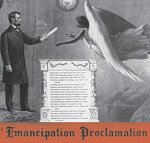 The Emancipation Proclamation: Three Views The Emancipation Proclamation in three distinct respects: the influence of and impact upon African Americans; the legal, political, and military exigencies; and the role pictorial images played in establishing the document in public memory. |
 Lincoln's Emancipation Proclamation The End of Slavery in America No single official paper in American history changed the lives of as many Americans as Lincoln's Emancipation Proclamation. But no American document has been held up to greater suspicion. Its bland and lawyerlike language is unfavorably compared to the soaring eloquence of the Gettysburg Address and the Second Inaugural |
Kindle Available The Fate of Liberty: Abraham Lincoln and Civil Liberties If Abraham Lincoln was known as the Great Emancipator, he was also the only president to suspend the writ of habeas corpus. Indeed, Lincoln's record on the Constitution and individual rights has fueled a century of debate |
Kindle Available Lincoln's Constitution Daniel Farber leads the reader to understand exactly how Abraham Lincoln faced the inevitable constitutional issues brought on by the Civil War. Examining what arguments Lincoln made in defense of his actions and how his words and deeds fit into the context of the times |
Kindle Available Big Enough to Be Inconsistent: Abraham Lincoln Confronts Slavery and Race “Cruel, merciful; peace-loving, a fighter; despising Negroes and letting them fight and vote; protecting slavery and freeing slaves.” Abraham Lincoln was, W. E. B. Du Bois declared, “big enough to be inconsistent.” |
Kindle Available Lincoln's Ladies: The Women in the Life of the Sixteenth President The tumultuous experiences Abraham Lincoln had with women have long been chronicled. Lincoln's Ladies attempts to answer the questions of how he was affected by the women in his life and how he affected them. Abandoned through death by his mother, his sister, and his sweetheart, Ann Rutledge, Lincoln found it difficult to relate to women and developed an emotional barrier that often antagonized them. |
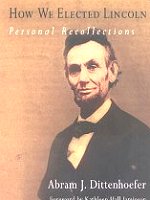 How We Elected Lincoln Personal Recollections Abram J. Dittenhoefer was a young South Carolinian who embraced abolition and moved to New York in order to work for the newly formed Republican party and its antislavery platform. Even though he was in his early twenties, he quickly established himself as a savvy and creative campaigner |
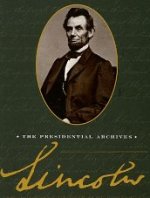 Lincoln: The Presidential Archives There is no better treatment for the life of the great President Abraham Lincoln than this interactive, "museum-in-a-book," which includes accessible text, photography, and removable documents that, combined, provide an educational and entertaining reading experience for the whole family. |
 Moon Over Tennessee: A Boy's Civil War Journal A moving personal narrative in the form of a journal, this powerful poem tells the story of one boy's journey into war |
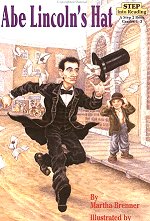 Abe Lincoln's Hat Step into Reading Abraham Lincoln, started out in life as an absent-minded lawyer. How did he nudge his memory? He stuck letters, court notes, contracts, and even his checkbook in his trademark top hat. |
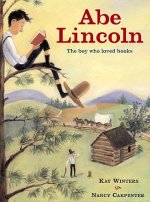 Abe Lincoln: The Boy Who Loved Books Children of all ages will enjoy reading this book and realizing that a love of books, as Abraham Lincoln did, can change a persons life and move him or her to become a great person |
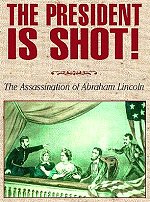 The President Is Shot! The Assassination of Abraham Lincoln Grade 6-10 --Description of the violent end to Lincoln's life. Holzer provides the Civil War context of the event and then details April 14 and 15, 1865. Why Murder Lincoln?, to demonstrate that this president was not always the universally beloved icon that students see him as today. |
 The Big Book of the Civil War Fascinating Facts About the Civil War, Including Historic Photographs, Maps, and Documents |
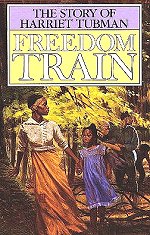 Freedom Train: The Story of Harriet Tubman Harriet escaped North, by the secret route called the Underground Railroad. Harriet didn't forget her people. Again and again she risked her life to lead them on the same secret, dangerous journey. |
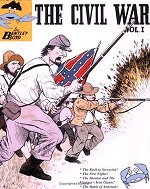 Civil War Volume 1 Chester Comix with Content From the pages of the Daily Press in Newport News, Virginia comes Chester the Crab to teach kids about our country's past in colorful and witty comic books from the creative pen of Bentley Boyd. In the Civil War Volume 1 the War Between the States begins as the South secedes, the first fights break out, the Iron Giants clash and Antietam occurs. |
 A Yankee Girl at Fort Sumter Tale of a girl and her family from Boston living in Charleston, SC during the months leading up to the beginning of the Civil War by the attack on Fort Sumter. The reader senses the inhunanity of slavery through Sylvia's experiences. |
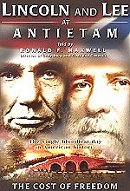 Lincoln and Lee at Antietam The Cost of Freedom Lincoln and Lee at Antietam covers the entire struggle of the Antietam Campaign. The political concept about why Lincoln needed a Union victory and Lee's need to take the war north were covered as well as the battle. |
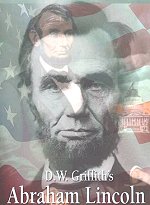 Abraham Lincoln Journey though the life of America's heroic President. The story begins at Lincoln's birth. The history of what led this man to the White House, his freeing of the slaves, and the Civil War; This story delves into his personal life, including Lincoln's affair with Ann Ruthledge and courtship of Mary Todd. Lincoln struggles through his debates with Douglas and in the end is assassinated |
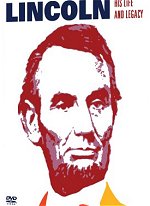 Abraham Lincoln: His Life & Legacy Comprehensive four-DVD set presents a complex portrait of a man who many consider to be our greatest commander-in-chief, but who considered himself "the loneliest man in the world." Bringing to life the tumultuous times in which Lincoln led his country, some of his finest Civil War moments, and his final hours |
 Unsolved History ~ Plots to Kill Lincoln Discovery Channel Before John Wilkes Booth fired that fatal shot in the balcony of Ford's Theater, President Lincoln was the target of at least five other assassination conspiracies. |
 Biography - Abraham Lincoln Preserving the Union Abe Lincoln's presidency in detail. The emotional tragedy and the humorus side of the man. His thoughts on the early commanders and dicussions with Historians. Pictures and details hard to find in other historical documentaries. |
American Experience - Abraham and Mary Lincoln: A House Divided Abraham Lincoln's legacy as the Great Emancipator reshaped the nation while his tragic death left Mary reclusive and forgotten. |
 History Channel Presents The Civil War From Harper's Ferry, Fort Sumter, and First Bull Run to Shiloh, Antietam, and Gettysburg. The most legendary Civil War battles in brilliant detail. A selection of the soldiers and legendary leaders. |
 Gore Vidal's Lincoln This a very personal view of President Lincoln and his relationship with his wife Mary. |
Source:
United States White House
Information Services
US National Park Service
|
Books Civil War Womens Subjects Young Readers DVDs Confederate Store Civil War Games Music CDs Reenactors |

 under God, shall have a new birth of freedom--and that government of the people, by the people, for the people, shall not perish from the earth."