Kindle Available Blood and War at my Doorstep: North Carolina Civilians in the War between the States Civilians dealt with the enemy, bread riots, speculation, conscription, desertion, Union sentiment, smuggling and starvation |
Women of the American Civil War
|
 The Forgotten Grave Women Soldiers of the American Civil War Video Download Available More than 600 women disguised themselves as men to fight in the American Civil War. This documentary tells their stories through the women's own letters, diaries, and testimonials. 'The Forgotten Grave' also follows the lives of other women who took part in the Civil War, such as nurses, spies, and other brave heroines. |
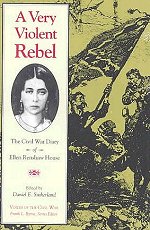 A Very Violent Rebel: The Civil War Diary of Ellen Renshaw House The Siege of Knoxville (November 1863) is covered and Sutherland's footnotes make for good history Harriet Beecher Stowe
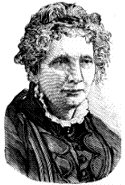
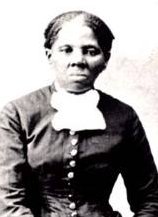
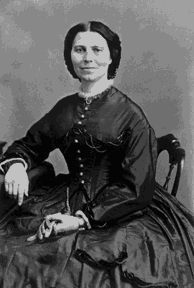
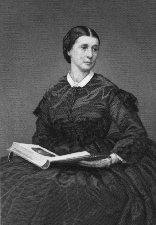
Clara Barton Rose O'Neal Greenhow Dr. Mary Edwards Walker Mary Todd Lincoln Varnia Jefferson Davis Lucretia Mott Harriet Tubman Pauline Cushman Dorothea Lynde Dix Elizabeth Cady Stanton Antonia Ford Willard Elisabeth Neblett Mrs. James Devereux Mrs. Ida Baker Mrs. Lula Bowers Wary Ann Lipscomb Mrs. C. G. Richardson Carrie Berry Diary 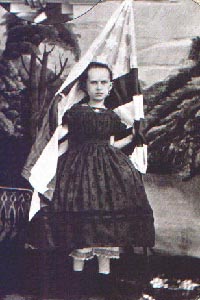 |
|
Rose O'Neal Greenhow
|
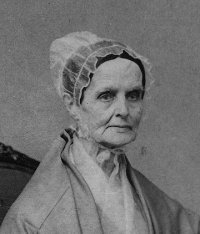
Lucretia Mott
|
 |
Feminism and Suffrage: The Emergence of an Independent Women's Movement in America, 1848-1869 In the two decades since Feminism and Suffrage was first published, the increased presence of women in politics and the gender gap in voting patterns have focused renewed attention on an issue generally perceived as nineteenth-century |
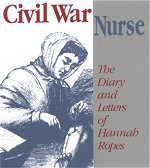 |
Civil War Nurse: The Diary and Letters of Hannah Ropes Hannah Ropes kept a diary for only one year during the time she served as a nurse in the Civil War. She actually supervised Louisa Mae Alcott and was responsible for many of the reforms in the hospital where she worked. She was a well-spoken woman who was also not afraid to stand up to her male supervisors. |
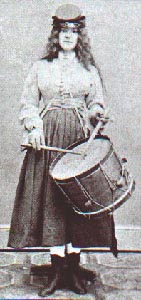
More about Women who were Soldiers during the war
Kindle Title Carolina Rain Open the page of Carolina Rain and step on the streets of an era gone by. Carolina Rain is not just a read, but an experience. You will smell the magnolia trees, feel the sun on your face and taste the bittersweet tears of a beautiful young girl coming of age at the dawning of the Civil War. 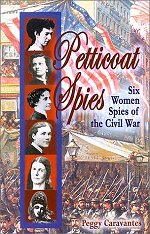 Petticoat Spies: Six Women Spies of the Civil War Describes the lives and wartime exploits of six women spies includes Sarah Emma Edmonds, Belle Boyd, Pauline Cushman, Rose O'Neal Greenhow, Elizabeth Van Lew, and Belle Edmondson. 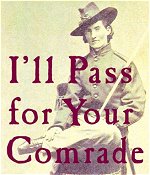 I'll Pass For Your Comrade: Women Soldiers in the Civil War Many people know about Clara Barton, the nurse who did so much to save soldiers' lives. But few have heard of Sarah Emma Edmonds, Rosetta Wakeman, or Mary Galloway. They were among the hundreds of women who assumed male identities, put on uniforms, enlisted in the Union or Confederate Army, and went into battle alongside their male comrades 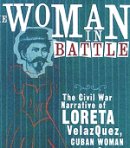 The Woman in Battle: The Civil War Narrative of Loreta Janeta Velazquez, Cuban Woman and Confederate Soldier A Cuban woman fought in the Civil War for the Confederacy as the cross-dressing Harry T. Buford. As Buford, she organized an Arkansas regiment; participated in the historic battles of Bull Run, Balls Bluff, Fort Donelson, and Shiloh  Memoirs of a Soldier, Nurse and Spy: A Woman's Adventures in the Union Army On April 25, 1861, Sarah Emma Edmonds alias Frank Thompson became a male nurse in Company F, of the 2nd Michigan Volunteer Infantry Regiment. This is 'his' story  Doctors in Blue: The Medical History of the Union Army in the Civil War An excellent treatment of a rather specialized subject Kindle Available  The Robert E. Lee Family Cooking and Housekeeping Book Part cookbook, part culinary history, part family history, this book is an engaging and enlightening glimpse into the household of a well-to-do, mid-nineteenth-century Virginia family. Seeking to learn more about her ancestors' daily lives, Anne Zimmer, great-granddaughter of Robert E. and Mary Lee, turned to her great-grandmother's small, now shabby notebook. Packed with recipes, shopping lists, and other domestic jottings, the notebook opened an intimate window onto an earlier way of life. |
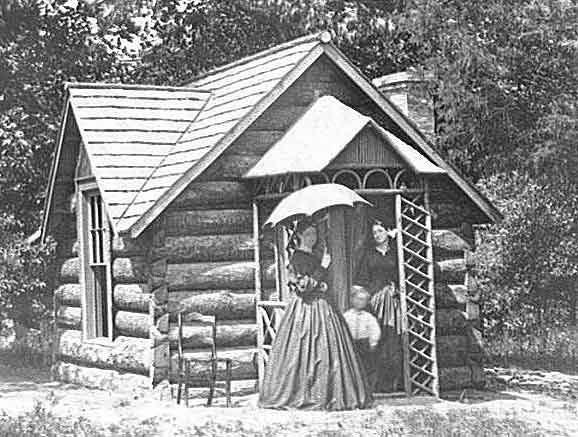
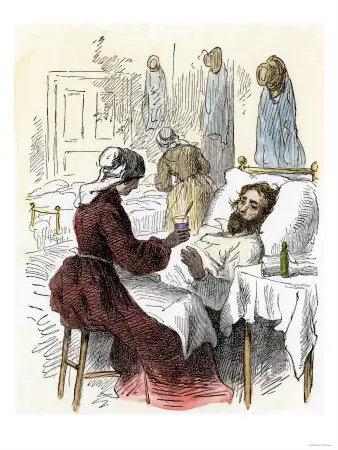
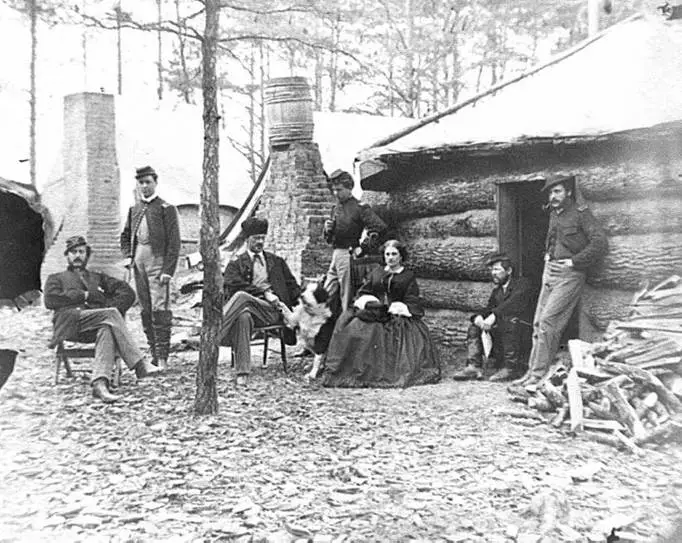
Petersburg, Va. Cottage of Col. Nathaniel Michler The women of the war formed groups like the Sick Soldier's Relief Society and the Soldier's Aid Society. In the South and in the North too, women made bandages for the wounded and knit socks to keep the soldiers' feet warm and dry. A few, Louisa May Alcott, author of Little Women, among them, volunteered to nurse the wounded.
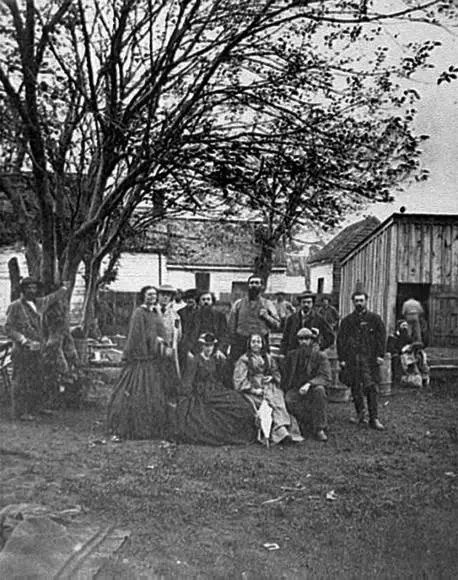
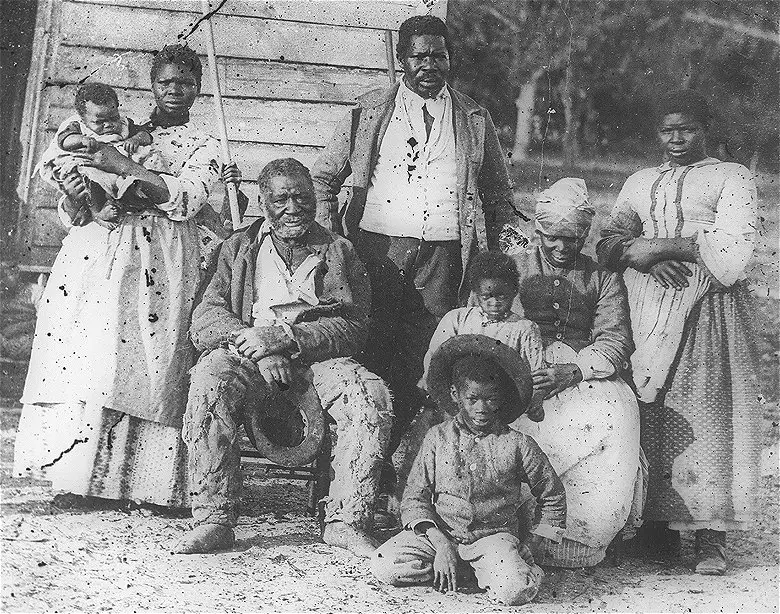
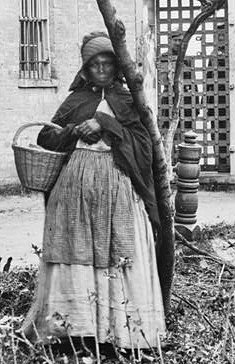
Women worked to manufacture arms, ammunition, uniforms, and other supplies for the soldiers. Prior to its destruction, women in the Fayetteville arsenal made some 900,000 rounds of small arms munitions in 1864. People were grateful for the contributions of women in the war, and newspapers reported their accomplishments. Many other services and supplies were also needed for the war effort. Five generations on Smith's Plantation, Beaufort, South Carolina 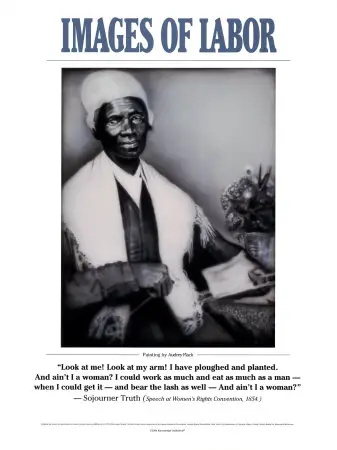
Images of Labor - Sojourner Truth Art Print 18 in. x 24 in. Buy at AllPosters.com Framed Mounted |
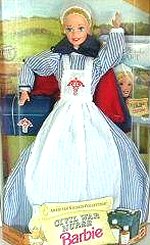 Civil War Nurse Barbie Part of the American Stories Collection. |
Women Soldiers in the Civil War Women Subject Reference Books Womens Suffrage Timeline Women of the Suffrage Movement Civil War Recipe Reference American Civil War Exhibits Kids Zone Soldiers Civil War Letters |
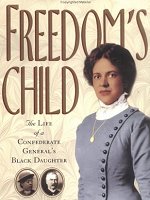 Freedom's Child: The Life of a Confederate General's Black Daughter This is one woman's personal history, she is the grand-daughter of a white Confederate General who openly acknowledged his mixed-race offspring but who also lived in the violent segregated world of the deep South |
| The Confederate Cookbook: Family Favorites from the Sons of Confederate Veterans This book contains over 340 of Dixie's finest recipes courtesy of contemporary Confederate kitchens from Florida to Alaska. Here you'll find the delicious, traditional dishes that evoke the flavour of the Old South, as well as savoury regional favourites from all over the country. Fascinating historic anecdotes and previously unpublished, nostalgic sepia-toned images of identified Confederate soldiers are here for maximum visual appeal, along with easy-to-use instructions for making so memorable dishes ever to grace your sideboard. The Sons of Confederate Veterans is a patriotic and hereditary organisation dedicated to preserving and celebrating the history and principles of the Confederate States of America. |
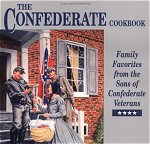 The Confederate Cookbook: Family Favorites from the Sons of Confederate Veterans |
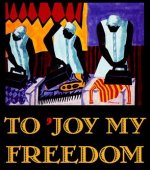 To 'Joy My Freedom: Southern Black Women's Lives and Labors after the Civil War |
To 'Joy My Freedom is a fascinating look at the long-neglected story of black women in postwar southern culture. Hunter examines the strategies these women (98 percent of whom worked as domestic servants) used to cope with low wages and poor working conditions and their efforts to master the tools of advancement, including literacy. Hunter explores not only the political, but the cultural, too, offering an in-depth look at the distinctive music, dance, and theater that grew out of the black experience in the South. |
Kindle Available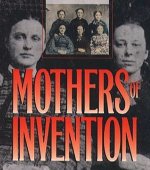 Mothers of Invention: Women of the Slaveholding South in the American Civil War |
Mothers of Invention : Women of the Slaveholding South in the American Civil War In the ante-bellum South, women from elite slaveholding families were raised to consider themselves not so much as "women" but as "ladies," models of dependent femininity. But that ideal was to prove impossible to maintain during the social upheaval of the Civil War, when they found themselves suddenly assuming unaccustomed roles as workers, protectors, and providers. Through the use of hundreds of moving and eloquent letters, memoirs, and diary excerpts, Drew Gilpin Faust, one of the foremost historians of the American South, illuminates the lives of a wide array of Confederate women: from Lizzie Neblett, a housewife facing a life of physical labor for the first time, to Sallie Tompkins, a Virginia aristocrat turned military nurse, to Belle Boyd, a ruthless teenaged spy. |
Kindle Available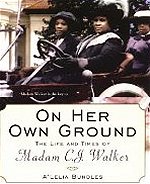 On Her Own Ground: The Life and Times of Madam C.J. Walker The daughter of slaves, Madam C. J. Walker was orphaned at seven, married at fourteen and widowed at twenty. She spent the better part of the next two decades laboring as a washerwoman for $1.50 a week. Building a storied beauty empire from the ground up, amassing wealth unprecedented among black women and devoting her life to philanthropy and social activism. |
Kindle Available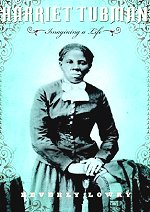 Harriet Tubman: Imagining a Life: A Biography Travel with Tubman along the treacherous route of the Underground Railroad. Hear of her friendships with Frederick Douglass, John Brown, and other abolitionists. |
Kindle Available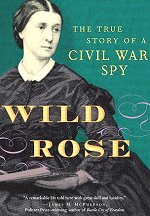 Rose O'Neale Greenhow, Civil War Spy Fearless spy for the Confederacy, glittering Washington hostess, legendary beauty and lover, Rose Greenhow risked everything for the cause she valued more than life itself |
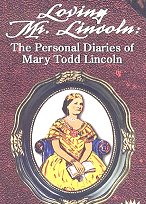 Loving Mr. Lincoln: The Personal Diaries of Mary Todd Lincoln Chronicles life, love, and daily struggles with Abraham in their 26 years together. In frank, haunting journal entries, Mary describes the pain she felt when Abraham left her at the altar, when her sons died, and when Abraham's political career seemed to be at an end |
Kindle Available The War-Time Journal of a Georgia Girl, 1864-1865 Eliza Andrews' diary is more cogent than any novel about the Civil War. General Sherman laid a track, and ELiza had to follow his footsteps through Georgia. Her insights into war and the havoc it wrought in the South are accompanied by her own editorial comments forty-four years later |
Kindle Available When Will This Cruel War Be Over? A Confederate girl in Virginia, in 1864, Emma Simpson writes about the hardships of growing up during a turbulent time |
 A Girl's Life in Virginia Before the War First published in 1895. An engrossing eyewitness account of antebellum plantation life as it really was |
 Record of the Actual Experiences of the Wife of a Confederate Officer The author tells of her many travels across the war-torn South, capture behind enemy lines, encounter with Belle Boyd, friendship with General J. E. B. Stuart, and the devastation suffered by the citizens of Richmond in the last days of the Confederacy. |
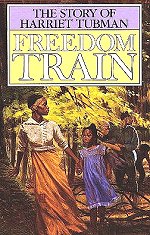 Freedom Train: The Story of Harriet Tubman Harriet escaped North, by the secret route called the Underground Railroad. Harriet didn't forget her people. Again and again she risked her life to lead them on the same secret, dangerous journey. |
Kindle Available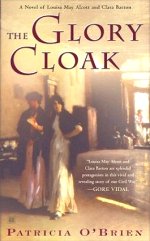 The Glory Cloak: A Novel of Louisa May Alcott and Clara Barton From childhood, Susan Gray and her cousin Louisa May Alcott have shared a safe, insular world of outdoor adventures and grand amateur theater -- a world that begins to evaporate with the outbreak of the Civil War. Frustrated with sewing uniforms and wrapping bandages, the two women journey to Washington, D.C.'s Union Hospital to volunteer as nurses. |
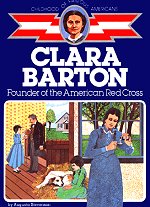 Clara Barton Founder of the American Red Cross Young Clara Barton is shy and lonely in her early days at boarding school. She is snubbed by the other girls because she doesn't know how to talk to them. But when she gets an opportunity to assist the local doctor, her shyness disappears, and Clara begins to discover her true calling as a nurse. |
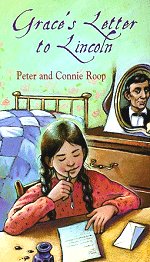 Grace's Letter to Lincoln Many important details of the time period help to make the reader understand what life was like then. It also includes photos of the actual letters written between Grace and Mr. Lincoln |
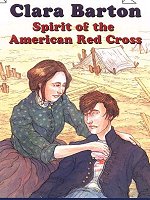 Clara Barton Spirit of the American Red Cross Ready To Read - Level Three Clara Barton was very shy and sensitive, and not always sure of herself. But her fighting spirit and desire to help others drove her to become one of the world's most famous humanitarians. Learn all about the life of the woman who formed the American Red Cross. |
 Day Of Tears Through flashbacks and flash-forwards, and shifting first-person points of view, readers will travel with Emma and others through time and place, and come to understand that every decision has its consequences, and final judgment is passed down not by man, but by his maker. |
Kindle Available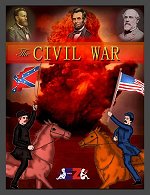 The Civil War Introduces young readers to the harrowing true story of the American Civil War and its immediate aftermath. A surprisingly detailed battle-by-battle account of America's deadliest conflict ensues, culminating in the restoration of the Union followed by the tragic assassination of President Lincoln |
Kindle Available A Yankee Girl at Fort Sumter Tale of a girl and her family from Boston living in Charleston, SC during the months leading up to the beginning of the Civil War by the attack on Fort Sumter. The reader senses the inhumanity of slavery through Sylvia's experiences. |
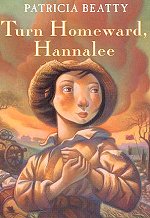 Turn Homeward, Hannalee During the closing days of the Civil War, plucky 12-year-old Hannalee Reed, sent north to work in a Yankee mill, struggles to return to the family she left behind in war-torn Georgia. "A fast-moving novel based upon an actual historical incident with a spunky heroine and fine historical detail."--School Library Journal. |
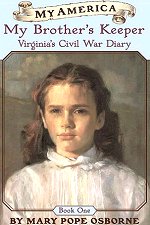 My Brothers Keeper Virginia Dickens is angry. Her father and brother Jed have left her behind while they go off to Uncle Jack's farm to help him hide his horses from Confederate raiders. It's the summer of 1863 and Pa and Jed believe 9-year-old Virginia will be out of harm's way in the sleepy little town of Gettysburg, Pennsylvania. |
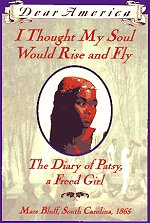 I Thought My Soul Would Rise and Fly: The Diary of Patsy, a Freed Girl, Mars Bluff, South Carolina 1865 Not only is 12-year-old Patsy a slave, but she's also one of the least important slaves, since she stutters and walks with a limp. So when the war ends and she's given her freedom, Patsy is naturally curious and afraid of what her future will hold. |
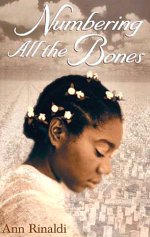 Numbering The Bones The Civil War is at an end, but for thirteen-year-old Eulinda, it is no time to rejoice. Her younger brother Zeke was sold away, her older brother Neddy joined the Northern war effort,. With the help of Clara Barton, the eventual founder of the Red Cross, Eulinda must find a way to let go of the skeletons from her past. |
|
Battle of Shiloh Civil War Map First Manassas Civil War Pictures Civil War Cooking Gettysburg Civil War Ships |