|
|
|
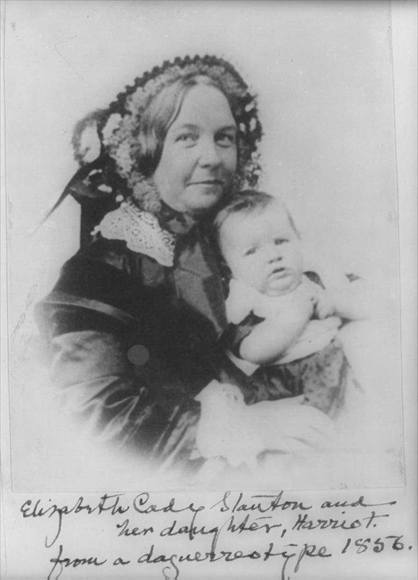
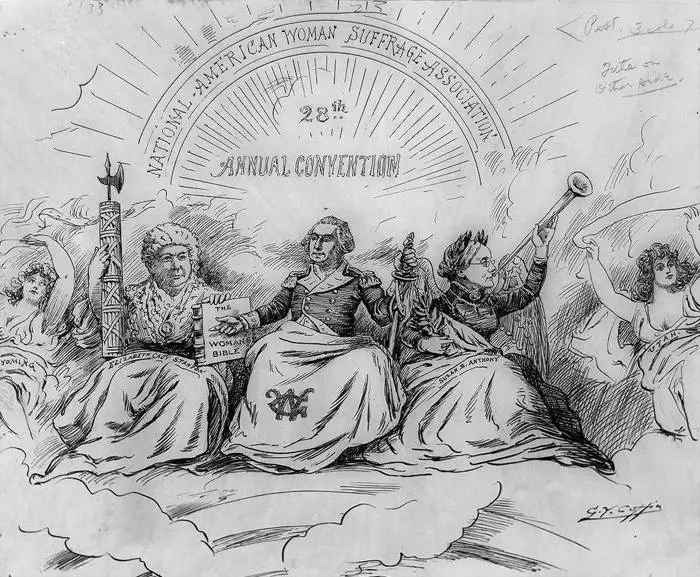
Born: November 12, 1815, Johnstown, New York Elizabeth Cady Stanton was one of the first leaders of the American woman's rights movement. An excellent writer and speaker, she and Susan B. Anthony formed the National Woman Suffrage Association in 1869 and worked together to secure women's right to vote. Throughout her life, Elizabeth Cady Stanton was a spokesperson for the rights of women, and her daughter, Harriot Stanton Blatch, carried on her mother's work. |
 Feminism and Suffrage: The Emergence of an Independent Women's Movement in America, 1848-1869 In the two decades since Feminism and Suffrage was first published, the increased presence of women in politics and the gender gap in voting patterns have focused renewed attention on an issue generally perceived as nineteenth-century  Century of Struggle The Womans Rights Movement Young suffragists who helped forge the last links in that chain were not born when it began. Old suffragists who forged the first links were dead when it ended. It is doubtful if any man, even among suffrage men, ever realized what the suffrage struggle came to mean to women 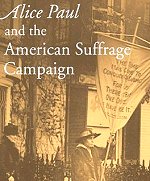 Alice Paul and the American Suffrage Campaign An analysis of Paul's nonviolent and visual rhetorical strategies, Alice Paul and the American Suffrage Campaign narrates the remarkable story of the first person to picket the White House, the first to attempt a national political boycott, the first to burn the president in effigy, and the first to lead a successful campaign of nonviolence |
Civil War Women
Women Civil War Soldiers
Womens Sufferage
Civil War Music History
Colored Troop Pictures
Civil War Picture Album
Documents of the War
Kids Zone Causes of the War
Kids Zone Underground Railroad
Civil War Exhibits
Civil War Timeline
State Battle Maps
 Harriet Beecher Stowe : Three Novels : Uncle Tom's Cabin Or, Life Among the Lowly; The Minister's Wooing; Oldtown Folks Uncle Tom's Cabin is probably the most influential work of fiction in American history. This Christian epic turned millions of Americans against slavery, bringing the "peculiar institution" immeasurably closer to its destruction. In The Minister's Wooing and Oldtown Folks, Stowe examines the interplay of religion, domesticity, and women's roles and choices in the shaping of American culture. |
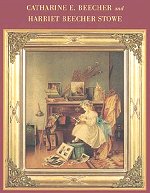 The American Woman's Home by Catharine E. Beecher and Harriet Beecher Stowe Originally published in 1869, was one of the late nineteenth century's most important handbooks of domestic advice. This book represents their attempt to direct women's acquisition and use of a dizzying variety of new household consumer goods available in the post-Civil War economic boom |
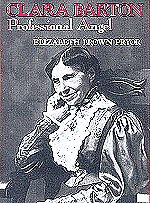 Clara Barton Professional Angel This eloquently told story of Clara Barton digs deep into who exactly Clara Barton was and the many areas in which Clara was an agent for change in society |
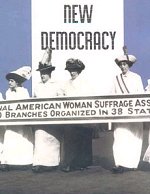 Woman Suffrage and the New Democracy The woman suffrage movement achieved its goal by forging a highly organized and centrally controlled interest group, the National American Woman Suffrage Association (NAWSA), one of the most effective single-issue pressure groups in the United States |
Kindle Available You Want Women to Vote, Lizzie Stanton? Grade 3-6. Fritz applies her gift for creating engaging, thorough historical literature to a larger-than-life historical figure. Stanton was a radical among radicals, and this objective depiction of her life and times, as well as her work for women's rights, makes readers feel invested in her struggle. An appealing, full-page black-and-white drawing illustrates each chapter. For students who need a biography, this title should fly off the shelves with a minimum of booktalking. And it is so lively that it is equally suitable for leisure reading.? |
 Not For Ourselves Alone: The Story of Elizabeth Cady Stanton and Susan B. Anthony Two heroic women who vastly bettered the lives of a majority of American citizens. For more than fifty years they led the public battle to secure for women the most basic civil rights and helped establish a movement that would revolutionize American society |
Kindle Available Women and the American Civil War An Annotated Bibliography The first reference work to draw together the stories and studies of women in the American Civil War, this annotated bibliography offers access to the literature that documents the history of women who experienced the war, changed it, and were changed by it. Offering nearly 800 entries |
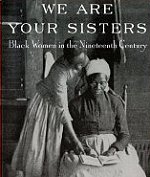 We Are Your Sisters: Black Women in the Nineteenth Century A remarkable documentary and the first in-depth record of many black women, slave and free."--Dorothy B. Porter, curator emeritus, Moorland-Spingarn Research Center, Howard University |
Sources:
U.S. Library of Congress
U.S. National Park Service
Federal Citizen