|
|
|
Kindle Available The Negro's Civil War: How American Blacks Felt and Acted During the War for the Union In this classic study, Pulitzer Prize-winning author James M. McPherson deftly narrates the experience of blacks--former slaves and soldiers, preachers, visionaries, doctors, intellectuals, and common people--during the Civil War  A House Divided: The Antebellum Slavery Debates in America, 1776-1865 An excellent overview of the antebellum slavery debate and its key issues and participants. The most important abolitionist and proslavery documents written in the United States between the American Revolution and the Civil War  Campfires of Freedom: The Camp Life of Black Soldiers During the Civil War African-Americans - both freemen and ex-slaves - enlisted for a variety of reasons, from patriotism to sheer poverty. Like many of their white counterparts, they attributed theological significance to the war  Strike the Blow for Freedom: The 6th United States Colored Infantry in the Civil War The recruitment, training, battles and finally the mustering out of the 6th. The 6th shared some of the same influences that shaped the formation of many military units of that time |
Congressional Medal Of Honor Winner
|
 Invoice of the Sale of Negro Slaves, 1835 18 in. x 24 in. Buy at AllPosters.com Framed Mounted |
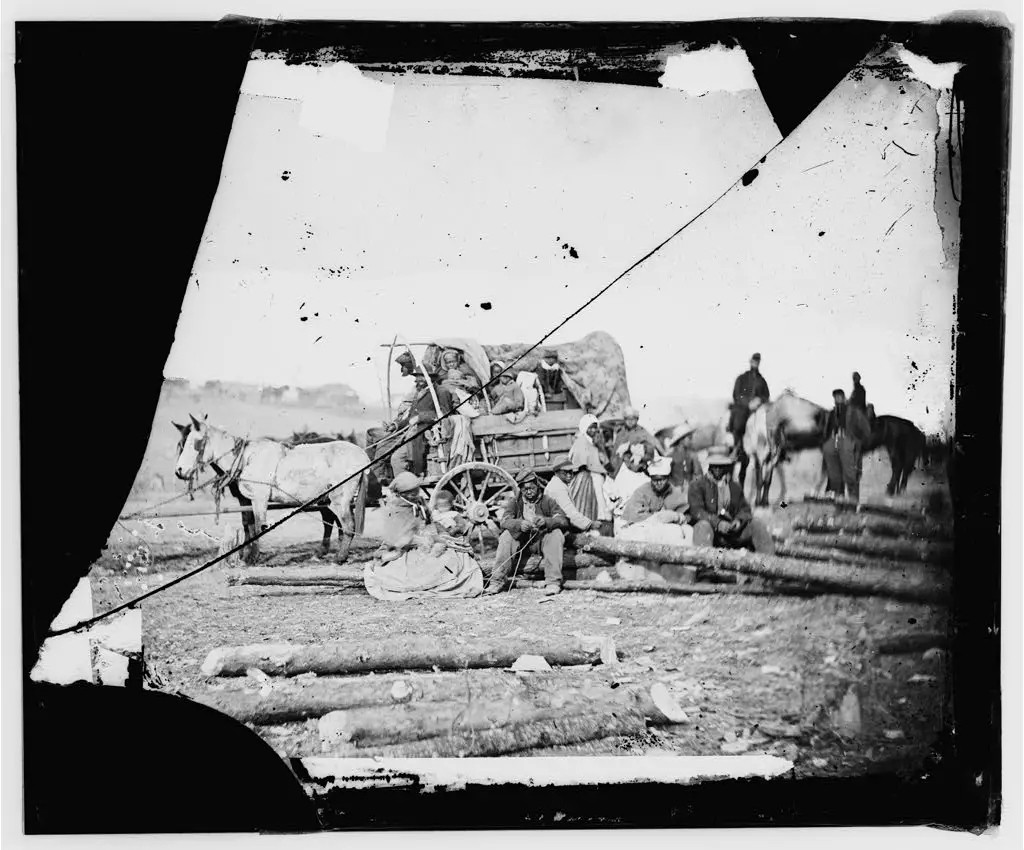
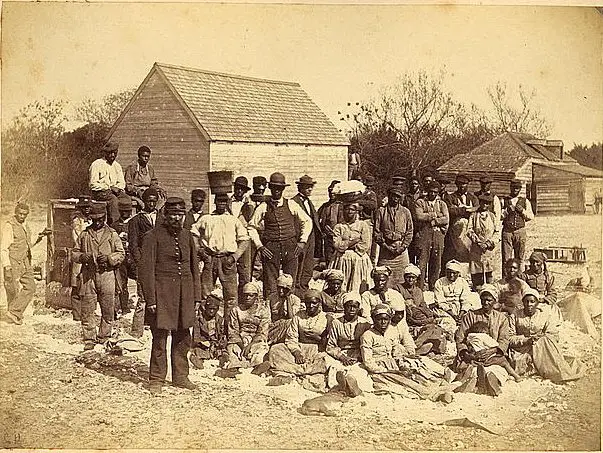
Slaves of the rebel General Thomas F. Drayton, Hilton Head, S.C circa 1862
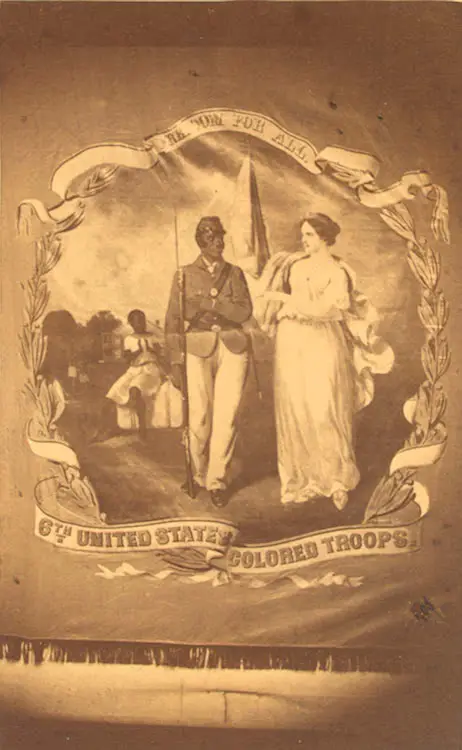
In many of the stylized images of African Americans during the 1800s, freedom and justice are personified as a statuesque white woman in flowing robes. Behind the soldier in this image, liberated slaves are celebrating his accomplishments.
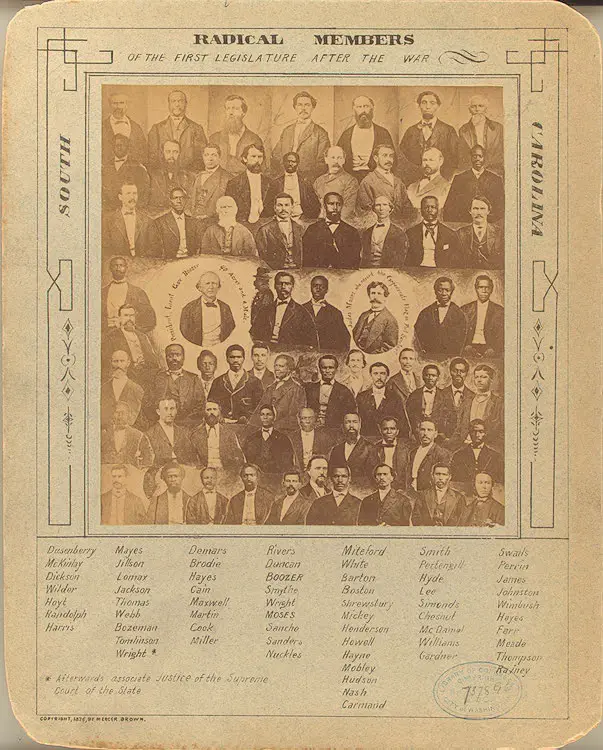
| After black men were allowed to vote, African-Americans were elected to fill legislative positions. This 1878 photograph - entitled Radical Members of the First Legislature after the War, South Carolina - shows that blacks outnumbered whites. "Because blacks in South Carolina vastly outnumbered whites, the newly-enfranchised voters were able to send so many African American representatives to the state assembly that they outnumbered the whites. Many were able legislators who worked to rewrite the state constitution and pass laws ensuring aid to public education, universal male franchise, and civil rights for all." |
Kindle Available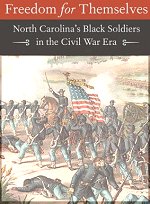 Freedom for Themselves: North Carolina's Black Soldiers in the Civil War Era The processes by which black men enlisted and were trained, the history of each regiment, the lives of the soldiers' families during the war, and the experiences of the colored veterans and their families living in an ex-Confederate state 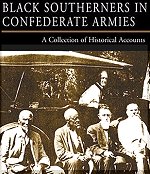 Black Southerners in Confederate Armies Official records, newspaper articles, and veterans' accounts to tell the stories of the Black Confederates. This well researched collection is a contribution to the discussion about the numbers of black Southerners involved and their significant history. Kindle Available  Black Slaveowners: Free Black Slave Masters in South Carolina, 1790-1860 An analysis of all aspects and particularly of the commercialism of black slaveowning debunks the myth that black slaveholding was a benevolent institution based on kinship, and explains the transition of black masters from slavery to paid labor. |
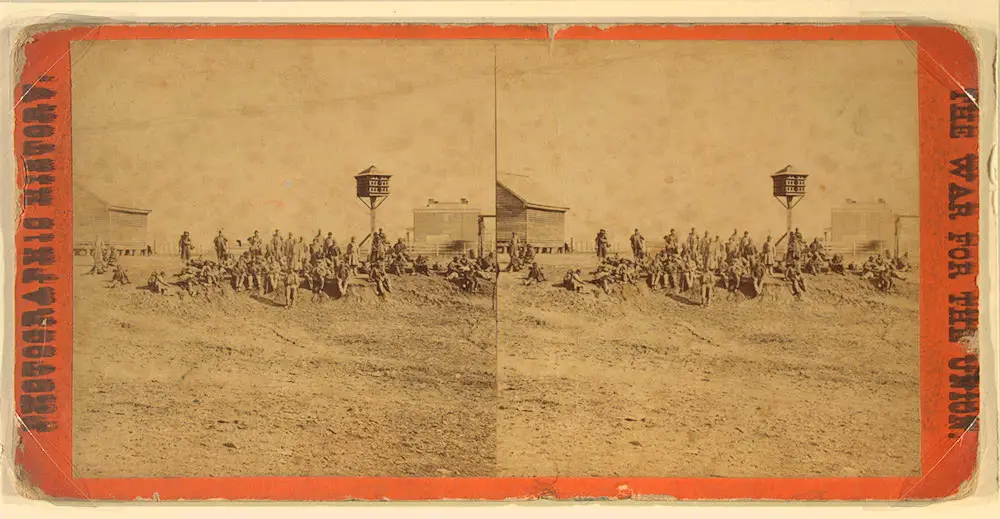
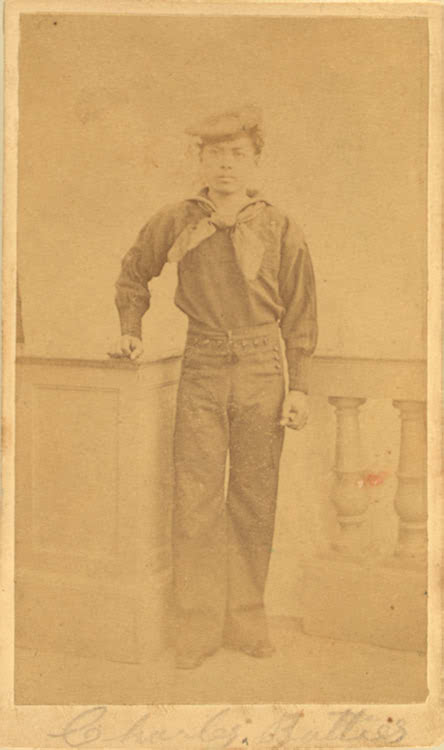
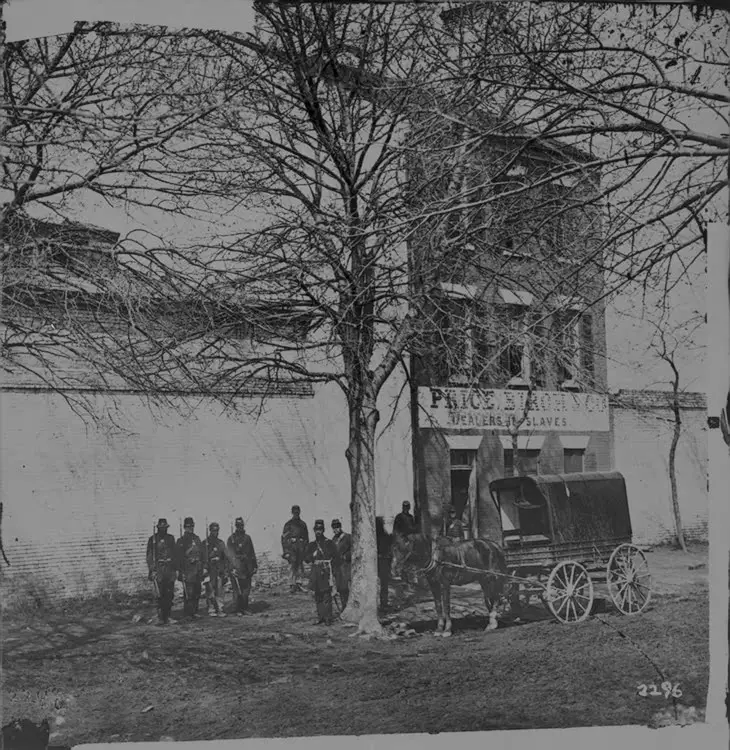
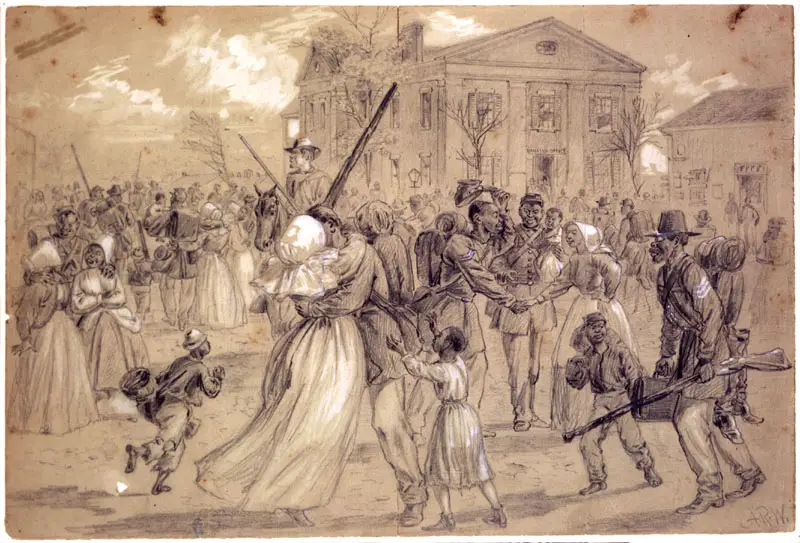
Although the United States Colored Troops did not see as much action as many of them wanted to, they did participate in many skirmishes and major battles. After an unspecified battle in Virginia, probably in 1864, these wounded soldiers recuperated at Aikens Landing, a site used mainly for supplies. Taunted by many detractors, African American soldiers were eager to demonstrate that they could be courageous under fire. Despite problems getting paid, lower wages than white soldiers when they finally were paid, segregated units, and high ranks for whites only, the U.S. Colored Troops displayed a tenacious loyalty to the Union cause. This stereograph shows an African American, one of thousands of blacks who served at sea during the Civil War. The most famous of these was the Honorable Robert Smalls, later a Reconstruction congressman, who became the captain of a Confederate vessel that he commandeered and sailed into Union lines. Service records for over eighteen thousand African American Civil War seamen have now been identified by the Naval Historical Center at the Washington, D. C., Navy Yard. Not until after the Emancipation Proclamation was in force as of January 1, 1863, did Union officers actively recruit African American soldiers, although some black men were unofficially part of segregated units in a few states. By the end of the Civil War, one out of every eight Union soldiers was a black man. This image is symbolic because the soldiers stand in front of a location where black slaves were held for auction, stripped, examined, and bought and sold before interested purchasers. |
Sources:
U.S. National Park Service
U.S. Library of Congress.