 American Girl Addy Doll |
Harriet Tubman
Runaway Slave
|
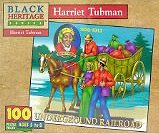 Harriet Tubman Toys |
 When Slavery was Called Freedom: Evangelicalism, Proslavery, and the Causes of the Civil War Dissects the evangelical defense of slavery at the heart of the nineteenth century's sectional crisis. John Daly's writing uncovers the cultural and ideological bonds linking the combatants in the Civil War era and reinterprets the intellectual foundations of secession |
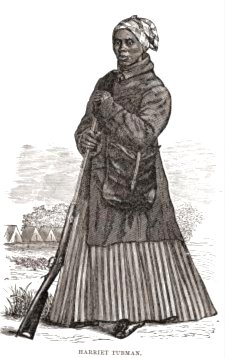
Born: c. 1820, Dorchester County, Maryland Harriet Tubman was a runaway slave from Maryland who became known as the "Moses of her people." Over the course of 10 years, and at great personal risk, she led hundreds of slaves to freedom along Harriet Tubman's name at birth was Araminta Ross. She was one of 11 children of Harriet and Benjamin Ross born into slavery in Dorchester County, Maryland. As a child, Ross was "hired out" by her master as a nursemaid for a small baby, much like the nursemaid in the picture. Ross had to stay awake all night so that the baby wouldn't cry and wake the mother. If Ross fell asleep, the baby's mother whipped her. From a very young age, Ross was determined to gain her freedom. |
 I've Got a Home in Glory Land: A Lost Tale of the Underground Railroad The Blackburn case was the first serious legal dispute between Canada and the United States regarding the Underground Railroad. The impassioned defense of the Blackburns by Canada's lieutenant governor set precedents for all future fugitive-slave cases |
|
Kindle Available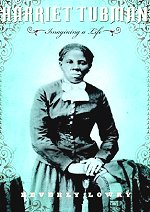 Harriet Tubman: Imagining a Life: A Biography Travel with Tubman along the treacherous route of the Underground Railroad. Hear of her friendships with Frederick Douglass, John Brown, and other abolitionists. Young Reader Title  Freedom Train: The Story of Harriet Tubman Harriet escaped North, by the secret route called the Underground Railroad. Harriet didn't forget her people. She risked her life to lead them on the same secret, dangerous journey |
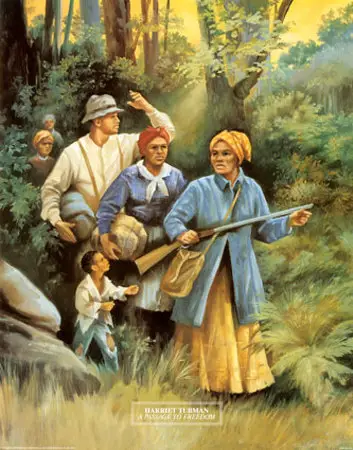
Passage to Freedom Art Print 22 in. x 28 in. Buy at AllPosters.com Framed Mounted |
Kindle Available Raising Freedom's Child: Black Children and Visions of the Future After Slavery Previously untapped documents and period photographs casts a dazzling, fresh light on the way that abolitionists, educators, missionaries, planters, politicians, and free children of color envisioned the status of African Americans after emancipation |
Raiding CombaheeIn June, 1863, in the midst of the Civil War, the union hatched a bold plan to raid the Combahee Ferry area in South Carolina. Under the overall command of Colonel Montgomery, several hundred black soldiers (led by white officers) would board three US Navy ships. These ships would then travel a dangerous course inland, deep into Confederate territories. The area had been mapped out and reconnoitered by a Union spy. Because of these efforts the area was known to have an abundance of supplies and food needed for the south’s war efforts, Travelling by night, one ship was put out of commission. Yet the other two continued on and, near dawn, combat actions began. The spy, not the type of person to sit idle as a spectator, took control of a small group and led them into battle. As cannon fire erupted from the ships and shots were fired from both sides, the Union forces created havoc and were rewarded with a stunning victory. A bridge was wrecked. Surprised Confederate troops were forced to flee. Several plantations and their important crops were completely destroyed. A horde of rice along with a variety farm animals were confiscated for the use of northern troops. But most important, over 700 slaves were freed, boarded and brought back to Union lines where many of them were formed into military units. Not one Union death was reported. Just another exciting chapter in a large book of Civil War battles? Perhaps. Except that the northern spy who helped lead the Union forces was a woman. The first American woman to lead a raid during the Civil War. More, she was a black woman. A black woman and former slave named Harriet Tubman. Tubman was less used to travelling by ship than she was by railroad – Underground Railroad. Prior to the Civil War she’d personally helped to free hundreds of black men, women and children from the grip of southern slavery. Those talents she’d used to free slaves came to use again during the war, as a spy by Bob Maschi |
Biography Channel Harriet Tubman Video |
|
 Slaves No More: Three Essays on Emancipation and the Civil War The first essay traces the destruction of slavery by discussing the shift from a war for the Union to a war against slavery The second essay examines the evolution of freedom in occupied areas of the lower and upper South. The third essay demonstrates how the enlistment and military service of nearly 200,000 slaves hastened the transformation of the war into a struggle for universal liberty |
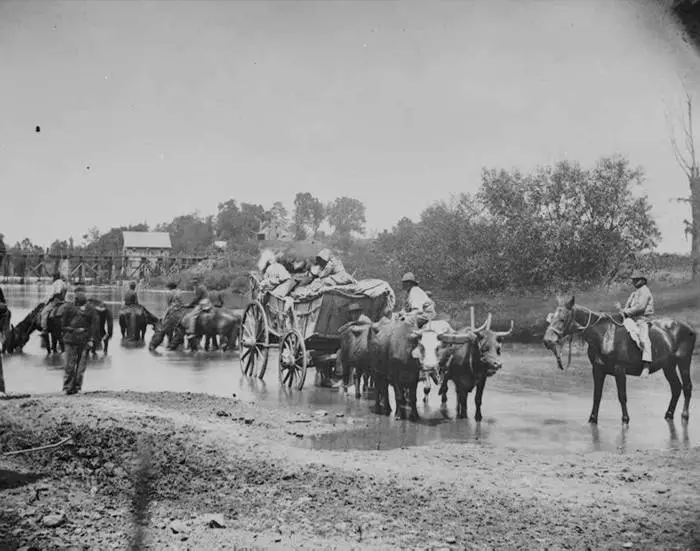
Fugitive African Americans Fording the Rappahannock River. Rappahannock, Virginia, August 1862
|
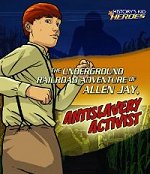 Allen Jay and the Underground Railroad Allen Jay and the Underground Railroad is the retelling of a man's recollections of his first experience helping an escaped slave. The book brings the underground railroad down to the level primary students can comprehend. This book makes for wonderful discussions regarding overcoming one's fears, going against the norm and doing what you believe to be morally correct. |
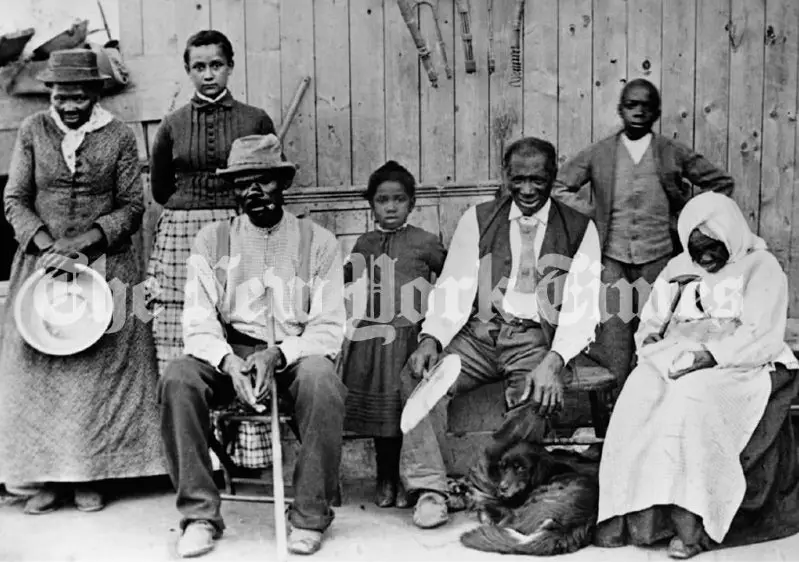
Harriet Tubman with slaves she helped during Civil War
|
 Women Soldiers of the American Civil War Video Download More than 600 women disguised themselves as men to fight in the American Civil War. This documentary tells their stories through the women's own letters, diaries, and testimonials. 'The Forgotten Grave' also follows the lives of other women who took part in the Civil War, such as nurses, spies, and other brave heroines. |
American Civil War Women Underground Railroad History of Colored Troops Womens Suffrage Movement Civil War Exhibits Dred Scott Decision Frederick Douglas Kids Zone Underground Railroad Civil War Cooking Civil War Submarines |
 The Waterman's Song: Slavery and Freedom in Maritime North Carolina |
 Slavery, Secession, and Civil War Views from the UK and Europe, 1856-1865 Contains articles written by foreign journalists living in the UK and Europe during the American Civil War, who provide an outsider's view of events. Articles were first published from 1856-1865 in British, French, and Spanish journals |
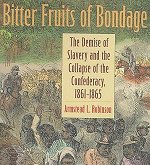 Bitter Fruits Of Bondage: The Demise Of Slavery And The Collapse Of The Confederacy, 1861-1865 The process of social change initiated during the birth of Confederate nationalism undermined the social and cultural foundations of the southern way of life built on slavery, igniting class conflict that ultimately sapped white southerners of the will to go on. |
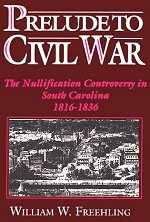 Prelude to Civil War: The Nullification Controversy in South Carolina From 1816 to 1836 planters of the Palmetto State tumbled from a contented and prosperous life to a world rife with economic distress, guilt over slavery, and apprehension of slave rebellion. Compelling details ofhow this reversal of fortune led the political leaders down the path to states rights doctrines |
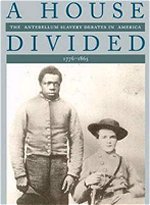 A House Divided: The Antebellum Slavery Debates in America, 1776-1865 An excellent overview of the antebellum slavery debate and its key issues and participants. The most important abolitionist and proslavery documents written in the United States between the American Revolution and the Civil War |
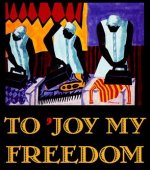 To 'Joy My Freedom: Southern Black Women's Lives and Labors after the Civil War Thousands of former slaves flocked to southern cities in search of work, they found the demands placed on them as wage-earners disturbingly similar to those they had faced as slaves: seven-day workweeks, endless labor, and poor treatment |
Kindle Available Many Thousands Gone: The First Two Centuries of Slavery in North America The evolution of black society from the first arrivals in the early seventeenth century through the Revolution |
Kindle Available Political Culture and Secession in Mississippi: Masculinity, Honor, and the Antiparty Tradition, 1830-1860 A rich new perspective on the events leading up to the Civil War and will prove an invaluable tool for understanding the central crisis in American politics. |
Kindle Available Nothing but Freedom Emancipation and Its Legacy Insights into the relatively neglected debates over fencing laws and hunting and fishing rights in the postemancipation South, and into the solidarity of the low-country black community |
 Allen Jay and the Underground Railroad Allen Jay and the Underground Railroad is the retelling of a man's recollections of his first experience helping an escaped slave. The book brings the underground railroad down to the level primary students can comprehend. This book makes for wonderful discussions regarding overcoming one's fears, going against the norm and doing what you believe to be morally correct. |
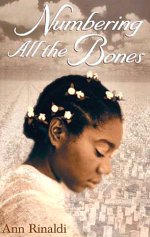 Numbering The Bones The Civil War is at an end, but for thirteen-year-old Eulinda, it is no time to rejoice. Her younger brother Zeke was sold away, her older brother Neddy joined the Northern war effort,. With the help of Clara Barton, the eventual founder of the Red Cross, Eulinda must find a way to let go of the skeletons from her past. |
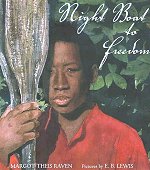 Night Boat To Freedom Night Boat to Freedom is a wonderful story about the Underground Railroad, as told from the point of view of two "ordinary" people who made it possible. Beyond that, it is a story about dignity and courage, and a devotion to the ideal of freedom |
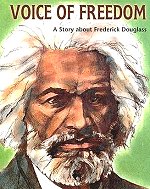 Voice of Freedom A Story About Frederick Douglass Interesting for both children and adults, this book does much to evoke the strong-minded, highly-principled person who inspired so many others |
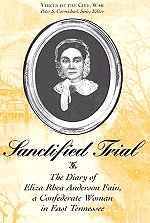 Sanctified Trial: The Diary of Eliza Rhea Anderson Fain, a Confederate Woman in East Tennessee The Diary of Eliza Rhea Anderson Fain |
Kindle Available Harriet Tubman: Imagining a Life: A Biography Travel with Tubman along the treacherous route of the Underground Railroad. Hear of her friendships with Frederick Douglass, John Brown, and other abolitionists. |
Kindle Available Rose O'Neale Greenhow, Civil War Spy Fearless spy for the Confederacy, glittering Washington hostess, legendary beauty and lover, Rose Greenhow risked everything for the cause she valued more than life itself |
 Loving Mr. Lincoln: The Personal Diaries of Mary Todd Lincoln Chronicles life, love, and daily struggles with Abraham in their 26 years together. In frank, haunting journal entries, Mary describes the pain she felt when Abraham left her at the altar, when her sons died, and when Abraham's political career seemed to be at an end |
 Clara Barton Spirit of the American Red Cross Ready To Read - Level Three Clara Barton was very shy and sensitive, and not always sure of herself. But her fighting spirit and desire to help others drove her to become one of the world's most famous humanitarians. Learn all about the life of the woman who formed the American Red Cross. |
 Day Of Tears Through flashbacks and flash-forwards, and shifting first-person points of view, readers will travel with Emma and others through time and place, and come to understand that every decision has its consequences, and final judgment is passed down not by man, but by his maker. |
Kindle Available The Civil War Introduces young readers to the harrowing true story of the American Civil War and its immediate aftermath. A surprisingly detailed battle-by-battle account of America's deadliest conflict ensues, culminating in the restoration of the Union followed by the tragic assassination of President Lincoln |
Kindle Available A Yankee Girl at Fort Sumter Tale of a girl and her family from Boston living in Charleston, SC during the months leading up to the beginning of the Civil War by the attack on Fort Sumter. The reader senses the inhumanity of slavery through Sylvia's experiences. |
 Turn Homeward, Hannalee During the closing days of the Civil War, plucky 12-year-old Hannalee Reed, sent north to work in a Yankee mill, struggles to return to the family she left behind in war-torn Georgia. "A fast-moving novel based upon an actual historical incident with a spunky heroine and fine historical detail."--School Library Journal. |
 My Brothers Keeper Virginia Dickens is angry. Her father and brother Jed have left her behind while they go off to Uncle Jack's farm to help him hide his horses from Confederate raiders. It's the summer of 1863 and Pa and Jed believe 9-year-old Virginia will be out of harm's way in the sleepy little town of Gettysburg, Pennsylvania. |
 I Thought My Soul Would Rise and Fly: The Diary of Patsy, a Freed Girl, Mars Bluff, South Carolina 1865 Not only is 12-year-old Patsy a slave, but she's also one of the least important slaves, since she stutters and walks with a limp. So when the war ends and she's given her freedom, Patsy is naturally curious and afraid of what her future will hold. |
Numbering The Bones The Civil War is at an end, but for thirteen-year-old Eulinda, it is no time to rejoice. Her younger brother Zeke was sold away, her older brother Neddy joined the Northern war effort,. With the help of Clara Barton, the eventual founder of the Red Cross, Eulinda must find a way to let go of the skeletons from her past. |
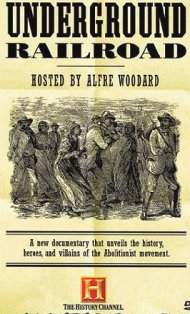
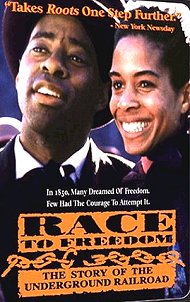 Race to Freedom The Underground Railroad The movie took me inside the Underground Railroad and showed how people of all walks of life were involved in assisting African-Americans in helping them cross into Canada. |
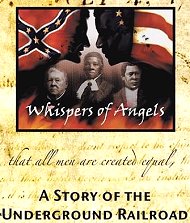 A Story Of the Underdround Railroad Defiant, brave and free, the great abolitionists Thomas Garrett, William Still and Harriet Tubman, along with hundreds of lesser known and nameless opponents of slavery, formed a Corridor of Courage stretching from Maryland's eastern shore through the length of Delaware to Philadelphia and beyond -- making the Underground Railroad a real route to freedom for enslaved Americans before the Civil War. |
 History's Mysteries - Human Bondage The story of Africans forcibly enslaved and shipped to America is a well-known tale; yet, it is just one tragic episode in the saga of world slavery. For nearly 6,000 years of recorded history, conquerors have imprisoned their enemies and forced them to act as laborers |
Sources:
Library of Congress
SocialistCafe.com

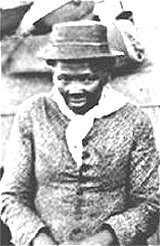 the Underground Railroad, a secret network of safe houses where runaway slaves could stay on their journey north to freedom. She later became a leader in the abolitionist movement, and during the Civil War she was a spy with for the federal forces in South Carolina as well as a nurse.
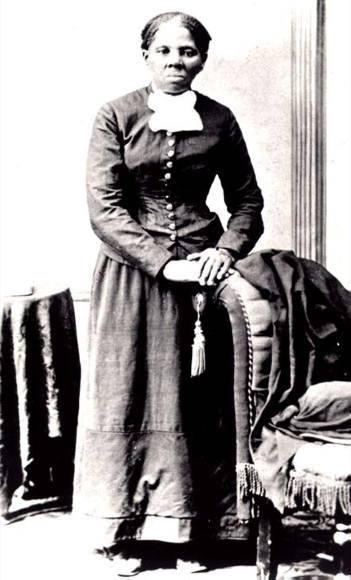 overseer wanted to whip him. He asked Ross to help but she refused. When the young man started to run away, the overseer picked up a heavy iron weight and threw it at him. He missed the young man and hit Ross instead. The weight nearly crushed her skull and left a deep scar. She was unconscious for days, and suffered from seizures for the rest of her life.
  along with a variety of plantations and their accompanying slaves. This spy would participate in the mission should any additional information be needed.