|
|
|
|
 Doctors in Blue: The Medical History of the Union Army in the Civil War An excellent treatment of a rather specialized subject  Clara Barton: Spirit of the American Red Cross Ready To Read - Level Three Clara Barton was very shy and sensitive, and not always sure of herself. But her fighting spirit and desire to help others drove her to become one of the world's most famous humanitarians. |
 Memoirs of a Soldier, Nurse and Spy: A Woman's Adventures in the Union Army On April 25, 1861, Sarah Emma Edmonds alias Frank Thompson became a male nurse in Company F, of the 2nd Michigan Volunteer Infantry Regiment. This is 'his' story |
Washington, D.C. Maimed soldiers and others before office of U.S. Christian Commission 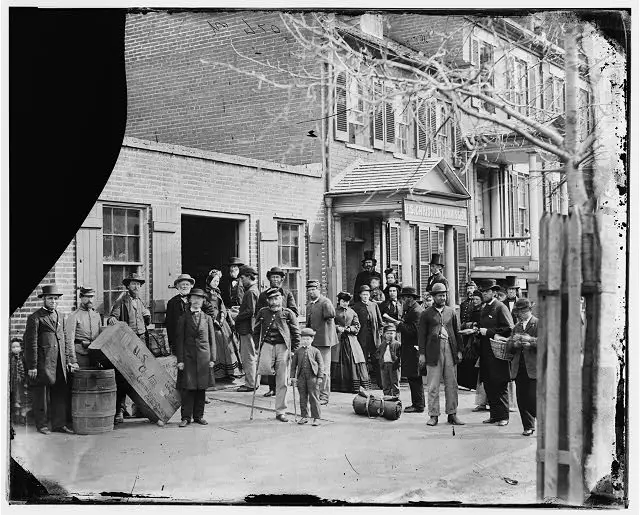 |
| The Papers of Frederick Law Olmsted: Defending the Union: The Civil War and the U.S. Sanitary Commission "The mission of the Sanitary Commission was to provide supplies to Union Army volunteers, and to work with the Army in promoting good health in the ranks... The longest and most arresting item in this volume is a private report Olmsted wrote in September 1861 on the Bull Run disaster. Olmsted and several assistants spent late July and all of august interviewing Union troops on the prelude, action, and aftermath of battle. The investigation compiled a lengthy questionnaire and concluded from the responses that the failure in the battle directly flowed from the poor physical condition of the troops in camp. Many had not eaten for days before the fighting, and the Olmsted report concluded that the war could only be won by drastic changes in the organization and supply of the army."-- Civil War History |
 Civil War Nurse Barbie Part of the American Stories Collection. She comes with her own storybook and wears a costume of the times. Go back to Gettysburg, (1863), where Barbie tends to the wounded soldiers. She comes with a nurse's cape, cap, bag, stand and small storybook. |
Civil War Sisterhood: The U.S. Sanitary Commission and Women's Politics in Transition Although the significant involvement of American women in the reform movements that swept the nation prior to the Civil War and afterward has often been noted in historical studies, women's wartime activity has tended to be ignored. Giesberg (history, Northern Arizona Univ.), the author of several articles on women and the war, presents a study designed to correct this picture. By examining gender differences in the leadership of the U.S. Sanitary Commission, she shows that women thought and acted independently in this highly developed female-driven system of soldier supply and that this activity prepared them for postwar, women-led reform work. Libraries that own Jeanie Attie's Patriotic Toil (Cornell Univ., 1998) and other studies of women's work within this organization may still wish to acquire this book, which offers not only a comprehensive view of female wartime activity but also establishes a link between their prewar and postwar political action. |
Kindle Available Civil War Curiosities: Strange Stories, Oddities, Events, and Coincidences |
Germantown, Virginia Headquarters of the U.S. Christian Commission 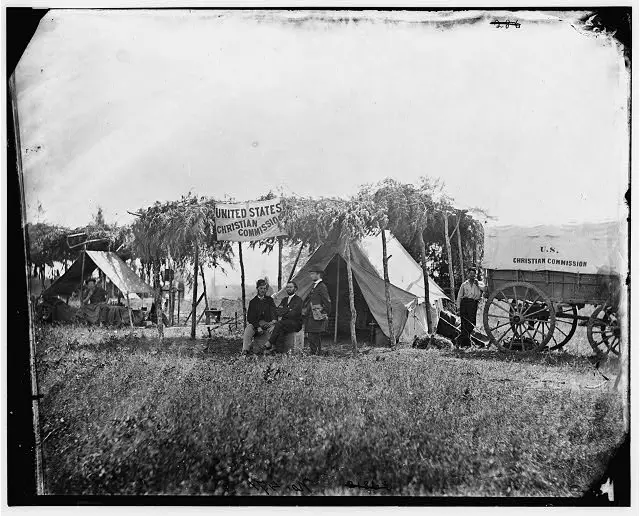 |
Kindle Available Civil War Medicine The staggering challenge of treating wounds and disease on both sides of the conflict. Written for general readers and scholars alike, this first-of-its kind encyclopedia will help all Civil War enthusiasts to better understand this amazing medical saga. Clearly organized, authoritative, and readable |
Richmond, Virginia Crowd before headquarters of the U.S. Christian Commission 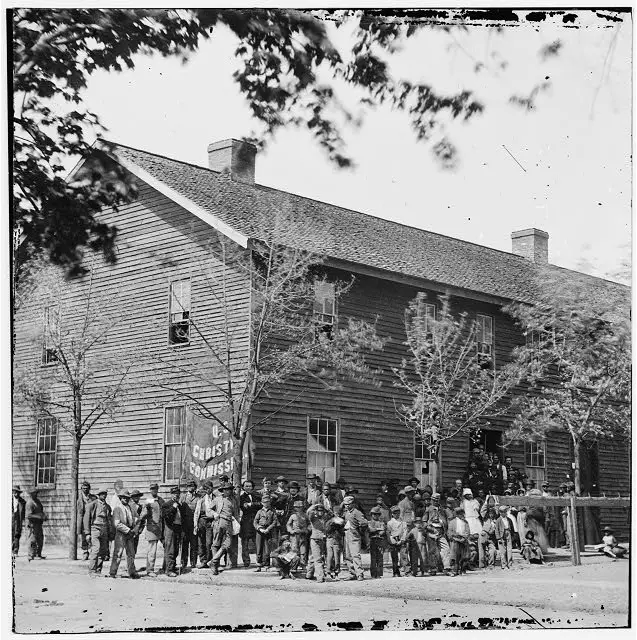 Petersburg Virginia Surgeons of the 3rd Division 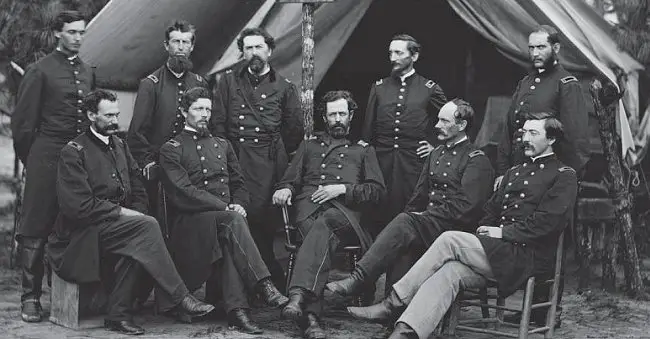 |
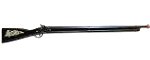 Civil War Musket Wood & Steel Frontier Rifle Designed After The Original Rifle, This Civil War Musket replica has been designed after the original rifle of its era. Measures approximately 37 inches long. Each is constructed with a solid one-piece wood stock, painted steel barrel and die-cast parts. |
Womens Suffrage |
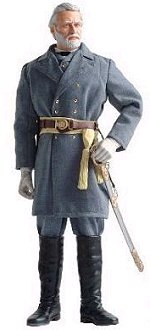 Robert E Lee CSA |
Civil War Nurse Barbie Part of the American Stories Collection. |
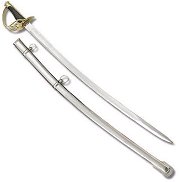 Cavalry Saber This fine replica is 39 inches overall and features a highly polished 33 inch carbon steel blade. Its leather wrapped handle fits the hand perfectly and sports decorative brass accents and a shiny brass pommel. |
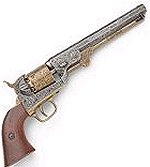 Civil War Model 1851 Naval Pistol Engraved Silver Tone / Gold Tone Finish and Wooden Grips - Replica of Revolver Used by Both USA / Union and CSA / Confederate Forces |
 1860 Enfield Civil War Musketoon This piece is a full-size non-firing reproduction of the rifle used in the Civil War. The body is made of European hardwood |
||||||
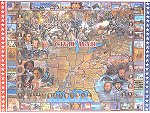 Civil War Historic 1000-piece Puzzle The famous faces and fearsome facts of the Civil War are captured in this 1,000-piece cardboard puzzle for Civil War buffs and serious puzzle fans. |
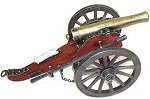 Civil War Cannon Collectible Models and childrens playsets Miniature Collectible Civil War Cannon12 pound Civil War field cannon replica weapon collectible is a detailed 1/12th scale military caisson replica weapon collectible as used throughout the Civil War Childrens Cannon Set. Includes 6 gray cannon with black wheels that measure 4.5 inches long |
 Professor Noggin's Civil War Trivia Game
|
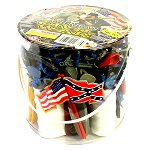 Civil War Soldier 102 Piece Playset
|
