 A Maryland Boy in Lee's Army: Personal Reminiscences of a Maryland Soldier in the War between the States, 1861-1865 Young George Wilson Booth followed the call of the Confederacy and served four years in the Army of Virginia. During the days of the successes at Manassas battles and in the Peninsula to the Valley |
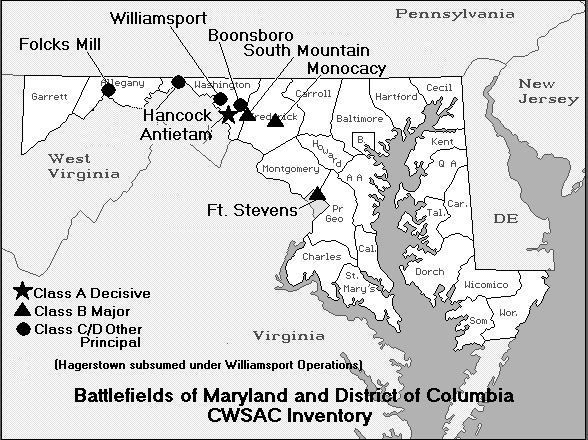
Maryland Civil War Map of Battles
 |
Kindle Available The Politically Incorrect Guide to the Civil War As a graduate history instructor, I found this book to be a refreshing view of history. It's nice to read some critical reasoning that goes against the popular biases by presenting facts that are conveniently over-looked by many others. I highly recommend this book to high school seniors and college undergraduates as an excellent basis to their understanding of the war. |
January 5-6, 1862 Hancock / Romney Campaign Sept 14, 1862 South Mountain / Crampton Gap / Turner Gap / Fox Gap September 16-18, 1862 Antietam / Sharpsburg July 6-16, 1863 Williamsport / Hagerstown / Falling Waters July 8, 1863 Boonsboro July 9, 1864 Monocacy August 1, 1864 Folck's Mill / Cumberland
|
Kindle Available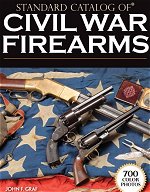 Standard Catalog of Civil War Firearms Over 700 photographs and a rarity scale for each gun, this comprehensive guide to the thousands of weapons used by Billy Yank and Johnny Reb will be indispensable for historians and collectors. |
 Civil War Soldier 102 Piece Playset |
Civil War State Battle Maps American Civil War Exhibits American Civil War Timeline Civil War Summary Women in the War Civil War Submarines Antietam Battle Maryland Kids Zone Gettysburg Civil War Picture Album |
 Maryland Terrapins Hat  Two Great Rebel Armies: An Essay in Confederate Military History The Army of Northern Virginia was able to compile a large number of impressive victories during the war. The Army of Tennessee was only able to win at Chickamauga, and even that victory proved barren strategically. |
 The Gleam Of Bayonets: The Battle Of Antietam And Robert E. Lee's Maryland Campaign, September, 1862 Antietam turned the tide of the Civil War in favor of the North and delivered the first major defeat to Robert E. Lee's Confederate army. The gentleness and patience of Lincoln, the vacillations of McClellan, and the grandeur of Lee—all unfold before the reader |
 Maryland In The Civil War After Fort Sumter, the Lincoln administration could ill afford to lose Maryland, especially its principal city Baltimore, site of the first blood spilled when a mob attacked the Sixth Massachusetts Regiment. Maryland was the site of the greatest single day's carnage in American |
 Maryland Voices of the Civil War Maryland Voices of the Civil War draws upon hundreds of letters, diaries, and period newspapers to portray the passions of a wide variety of people -- merchants, slaves, soldiers, politicians, freedmen, women, clergy, slave owners, civic leaders, and children caught in the emotional vise of war. |
 First and Second Maryland Cavalry, C.S.A An indepth look at Maryland and her divided loyalties during the Civil War. Brother against brother epitomizes the state of affairs in Maryland. Men, loyal to the South, crossed the Potomac river at great personal peril to join Confederate ranks. |
|
Kindle Available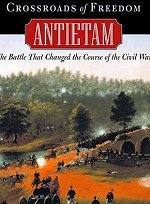 Crossroads of Freedom: Antietam James M. McPherson states in his concise chronicle, it may well have been the pivotal moment of the war . The South had reversed the war's momentum during the summer, and was on not only on the "brink of military victory" but about to achieve diplomatic recognition by European nations |
Kindle Available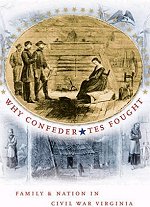 Why Confederates Fought Family and Nation in Civil War Virginia The Southern view of slavery as essential to the Southern economy is reiterated. Slavery was the great Southern irony, viewed as a foundation of white liberty. From that perspective, the Confederate soldier's choice was simply victory or death |
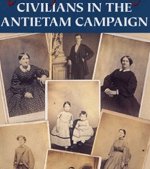 Too Afraid to Cry: Maryland Civilians in the Antietam Campaign The children, women, and men living in the village of Sharpsburg and on surrounding farms. The dramatic experiences of these Maryland citizens, stories that have never been told, and also examines the political web holding together Unionists and Secessionists, many of whom lived under the same roofs |
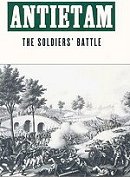 Antietam The Soldiers Battle In "Antietam: The Soldiers' Battle," author John Michael Priest tells the story of the American Civil War's bloodiest day using a compilation of eyewitness accounts. The book also includes 72 sketch maps of the battle. Between the plentiful maps and the chronologically-arranged accounts, the reader can follow the battle. |
|
 Encyclopedia of the American Civil War: A Political, Social, and Military History Definitive Reference Work, this volume, rich with over 500 illustrations, 75 maps, and 250 primary source documents, offers more than 1,600 entries that chart the war's strategic aims, analyze diplomatic and political maneuvering, describe key military actions, sketch important participants, assess developments in military science, and discuss the social and financial impact of the conflict. |
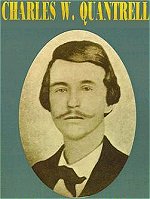 Charles W. Quantrell A True History Of His Guerilla Warfare On The Missouri And Kansas Border During The Civil War Of 1861-1865 This book was written just as Captain Harrison Trow told it to John P. Burch, giving accounts of fights that he participated in, narrow escapes experienced, dilemmas it seemed almost impossible to get out of, and also other battles |
 Secret Six: The True Tale of the Men Who Conspired with John Brown The story of how Brown was covertly aided by a circle of prosperous and privileged Northeasterners who supplied him with money and weapons, and, before the raid, even hid him in their homes while authorities sought Brown on a murder charge. These men called themselves the Secret Six. |
 The Shipwreck of Their Hopes The Battles for Chattanooga All the information you need to understand the flow of the battle at Chattanooga as well as the political intriguing that helped to shape the results is here |
|
Kindle Available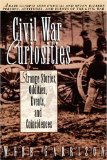 Civil War Curiosities: Strange Stories, Oddities, Events, and Coincidences |
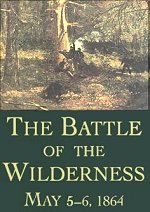 The Battle of the Wilderness May 5-6, 1864 Fought in a tangled forest fringing the south bank of the Rapidan River, the Battle of the Wilderness marked the initial engagement in the climactic months of the Civil War in Virginia, and the first encounter between Ulysses S. Grant and Robert E. Lee |
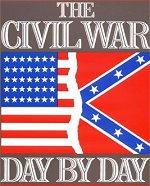 The Civil War Day By Day An Almanac, 1861-1865 The most exhaustively detailed and fascinating book on the American Civil War of its kind. Not only does it provide a day-by-day look at the major events of the war, but lists so many of the small skirmishes and actions as well. Accurate and enjoyable |
Kindle Available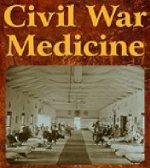 Civil War Medicine The staggering challenge of treating wounds and disease on both sides of the conflict. Written for general readers and scholars alike, this first-of-its kind encyclopedia will help all Civil War enthusiasts to better understand this amazing medical saga. Clearly organized, authoritative, and readable |

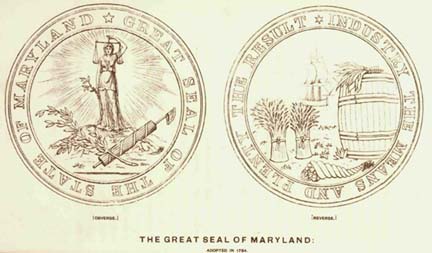
The front of the Maryland Seal of 1794 is on the left and bears an image of a woman holding the scales of justice. Its back is on the right, showing sheaves of wheat, a sailing ship, tobacco leaves atop a hogshead (barrel), and a cornucopia, which represent Maryland agriculture and trade. This seal was intended as a wax pendant seal (not for embossing). From 1794 to 1817, both its sides constituted the "Great Seal" until a new single-sided Great Seal was adopted in 1817. The mace of the House of Delegates is capped in contemporary silver with the back of the Great Seal of 1794, which bears the motto: "Industry the Means and Plenty the Result". |
 |
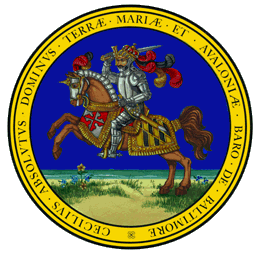 |
The front of the Great Seal of Maryland shows Lord Baltimore as a knight in full armor mounted on a charger. The inscription translated is "Cecilius, Absolute Lord of Maryland and Avalon, Baron of Baltimore" |
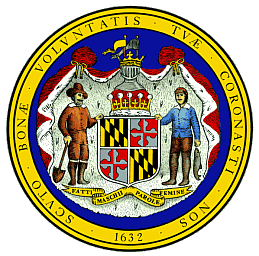 |
The reverse of the Great Seal of Maryland consists of an escutcheon, or shield, bearing the Calvert and Crossland arms quartered. Above is an earl's coronet and a full-faced helmet. The escutcheon is supported on one side by a farmer and on the other by a fisherman. It symbolizes Lord Baltimore's two estates: Maryland, and Avalon in Newfoundland. The Calvert motto on the scroll is "Fatti maschii parole femine," loosely translated "manly deeds, womanly words," but more accurately translated as "strong deeds, gentle words." The Latin legend on the border is the last verse of Psalm 5 (from the Latin Vulgate Bible). It translates as "with favor wilt thou compass us as with a shield." The date, 1632, refers to the year Charles I, King of England, granted the Maryland charter to Cecilius Calvert, second Lord Baltimore. |
Sources:
U.S. National Park Service
U.S. Library of Congress.