 Burnside Ambrose Burnside, the Union general, was a major player on the Civil War stage from the first clash at Bull Run until the final summer of the war. He led a corps or army during most of this time and played important roles in various theaters of the war. |
Crater
|
|
|
|
| Colored Troops figured prominently in the ill-fated Battle of the Crater fought on July 30, 1964 as part of the Petersburg Campaign. In utter confusion, black and white Federal units poured into a crater which resulted from a planned mine explosion set off by Union soldiers under the small Confederate fort. Northern soldiers were cut down in the chaos with blacks experiencing the heaviest single-day casualties of the war |
|
 The Last Citadel: Petersburg Virginia, June 1864-April 1865 The Siege of Petersburg was the prelude to the final chapter of our Nation's Civil War. The work is thoroughly researched with a plethora of primary sources incorporated right into the text |
Young Reader Title Petersburg Sieges That Changed the World Describes the details and significance of the Virginia Civil War battle called the Siege of Petersburg |
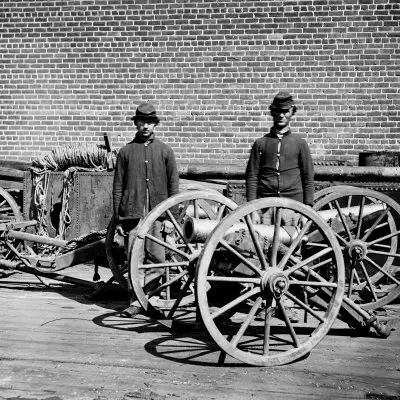 Confederate Brass Mountain Howitzers from Glass Negative, 1865 Photographic Print 24 in. x 24 in. Buy at AllPosters.com Framed Mounted |
Kindle Available Army Life in a Black Regiment: and Other Writings In 1862, Thomas Wentworth Higginson was commissioned as a colonel to head the first regiment of emancipated slaves. A Civil War memoir written by an abolitionist, this text is the stirring history of the first regiment of emancipated slaves formed to fight in the Civil War |
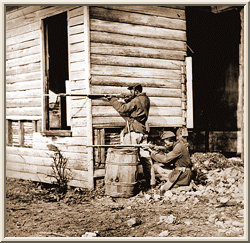 Colored picket guards near Petersburg, VA 1864 |
Kindle Available Freedom for Themselves: North Carolina's Black Soldiers in the Civil War Era The processes by which black men enlisted and were trained, the history of each regiment, the lives of the soldiers' families during the war, and the experiences of the colored veterans and their families living in an ex-Confederate state |
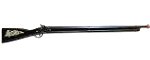 Civil War Musket Wood & Steel Frontier Rifle Designed After The Original Rifle 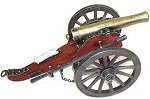 Civil War Cannon Collectible Models and childrens playsets Miniature Collectible Civil War Cannon12 pound Civil War field cannon replica |
Virginia State Battle Map 1864 History of Colored Troops State Battle Maps Ships and Naval Battles Civil War Submarines Appomattox Courthouse President Abraham Lincoln Confederate Commanders American Civil War Exhibits Civil War Summary Women Civil War Soldiers Reenactors Supplies |
 Civil War Soldier 102 Piece Playset
|
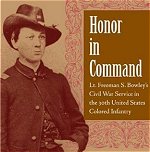 Honor in Command: Lt. Freeman S. Bowley's Civil War Service in the 30th United States Colored Infantry A young white officer who served as a lieutenant in a regiment of U.S. Colored Troops in the Union Army, is the work of a superb storyteller who describes how his Civil War experiences transformed him from a callow youth into an honorable man. Describing in detail his relationship with the men in his company, Bowley extols the role of black soldiers and their officers in the Union victory. |
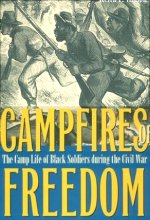 Campfires of Freedom: The Camp Life of Black Soldiers During the Civil War African-Americans - both freemen and ex-slaves - enlisted for a variety of reasons, from patriotism to sheer poverty. Like many of their white counterparts, they attributed theological significance to the war |
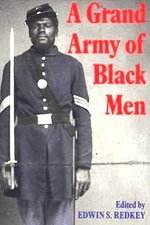 A Grand Army of Black Men: Letters from African-American Soldiers in the Union Army 1861-1865 Almost 200,000 African-American soldiers fought for the Union in the Civil War. Although most were illiterate ex-slaves, several thousand were well educated, free black men from the northern states |
Kindle Available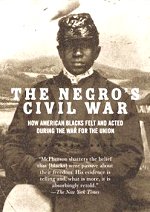 The Negro's Civil War: How American Blacks Felt and Acted During the War for the Union In this classic study, Pulitzer Prize-winning author James M. McPherson deftly narrates the experience of blacks--former slaves and soldiers, preachers, visionaries, doctors, intellectuals, and common people--during the Civil War |
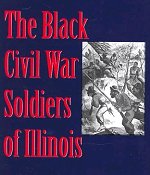 The Black Civil War Soldiers of Illinois: The Story of the Twenty-Ninth U.S. Colored Infantry Study in the lives of black recruits in the Civil War era, and a journey into the hinterlands of an American racial pathos. Throughout this study, Miller explores in detail the biographies of individual soldiers, revealing their often convoluted histories |
 Standing Soldiers, Kneeling Slaves The United States of America originated as a slave society, holding millions of Africans and their descendants in bondage, and remained so until a civil war took the lives of a half million soldiers, some once slaves themselves. |
 Where Death and Glory Meet: Colonel Robert Gould Shaw and the 54th Massachusetts Infantry July 18, 1863, the African American soldiers of the Fifty-Fourth Massachusetts Infantry led a courageous but ill-fated charge on Fort Wagner, a key bastion guarding Charleston harbor. Confederate defenders killed, wounded, or made prisoners of half the regiment. Only hours later, the body of Colonel Robert Gould Shaw, the regiment's white commander, was thrown into a mass grave with those of twenty of his men. |
 Strike the Blow for Freedom: The 6th United States Colored Infantry in the Civil War The recruitment, training, battles and finally the mustering out of the 6th. The 6th shared some of the same influences that shaped the formation of many military units of that time |
 I've Got a Home in Glory Land: A Lost Tale of the Underground Railroad The Blackburn case was the first serious legal dispute between Canada and the United States regarding the Underground Railroad. The impassioned defense of the Blackburns by Canada's lieutenant governor set precedents for all future fugitive-slave cases |
Kindle Available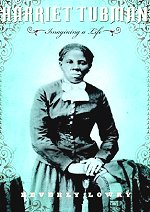 Harriet Tubman: Imagining a Life: A Biography Travel with Tubman along the treacherous route of the Underground Railroad. Hear of her friendships with Frederick Douglass, John Brown, and other abolitionists. |
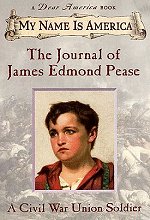 The Journal of James Edmond Pease: A Civil War Union Soldier, Virginia, 1863 James was only 15 when he joined, but he was able to get in. Nobody really liked him cause he was unlucky. One day in the confusion he charged ahead of his company and scared off all the Confederates single handed. After that, he became well liked by most people and soon rose Corporal. He showed his bravery when he spent a week in enemy territory. By the end of the war he rose up to Second Lieutenant. |
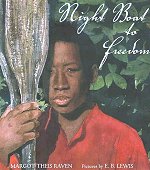 Night Boat To Freedom Night Boat to Freedom is a wonderful story about the Underground Railroad, as told from the point of view of two "ordinary" people who made it possible. Beyond that, it is a story about dignity and courage, and a devotion to the ideal of freedom. |
 American Experience The Massachusetts 54th Colored Infantry After Lincoln signed the Emancipation Proclamation, the governor of Massachusetts was authorized to raise the first northern black regiment, the Massachusetts 54th colored infantry. |
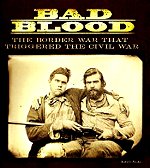 Bad Blood: The Border War That Triggered the Civil War In the years leading up to the Civil War, a bloody conflict between slaveholders and abolitionists focused the nation's eyes on the state of Missouri and the territory of Kansas. Told through the actual words of slave owners, free-staters, border ruffians, and politicians, Bad Blood presents the complex morality, differing values, and life-and-death decisions faced by those who lived on the Missouri-Kansas border |
 Blue Vs. Gray - Killing Fields Relive the most vicious fighting of the Civil War, in which General Ulysses S. Grant forcibly reversed the tide of the conflict by paying with the blood of thousands. It was a desperate time for the Union |
 History's Mysteries - Human Bondage The story of Africans forcibly enslaved and shipped to America is a well-known tale; yet, it is just one tragic episode in the saga of world slavery. For nearly 6,000 years of recorded history, conquerors have imprisoned their enemies and forced them to act as laborers |
