6 Historic Bed-and-Breakfasts Near Civil War Battlefields

Silas Weaver
Silas Weaver has spent decades exploring historic battlefields, reading primary journals, and tracking down the lesser-known stories of the American Civil War. His lifelong passion for 19th-century history comes through in his engaging accounts of the places, people, and lingering questions of the era. He believes that walking the actual grounds where history happened is the best way to truly connect with the past.
I have slept a lot of miles away from home with a battlefield map folded on the passenger seat and the smell of campfire still clinging to my jacket. After a full day walking ridge lines and cornfields, I want a place that lets the history linger a little longer, not a beige corridor and an ice machine. A good old inn does something subtle. The floorboards creak, the walls feel thick, and when you sit down with a cup of coffee you can almost hear the town settling into evening the way it must have in 1863.
Here are six historic bed-and-breakfasts and inns I recommend booking near major Civil War battlefields. I picked places that are close to the ground you came to see and that still carry a sense of age, craftsmanship, and story. Because ownership, policies, and breakfast schedules can change, I always confirm the basics before I book, especially during peak season.
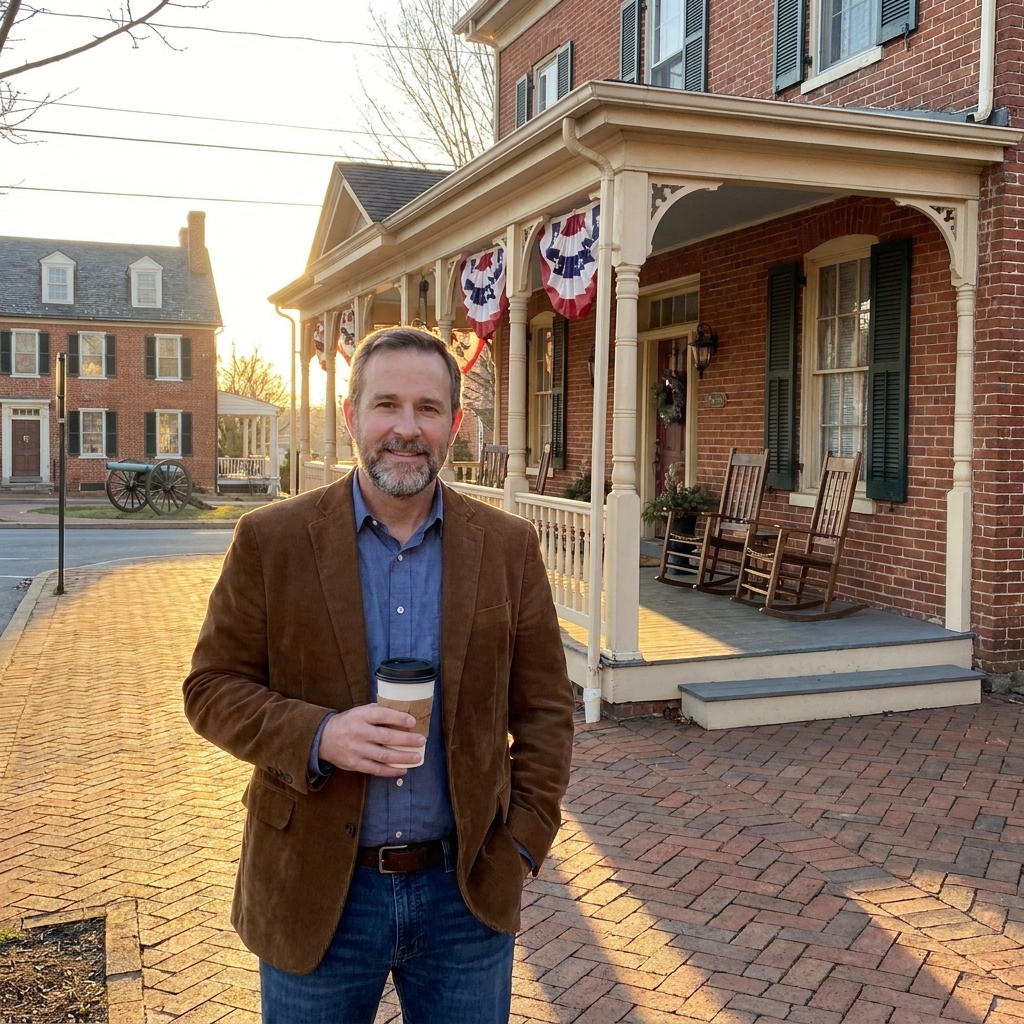
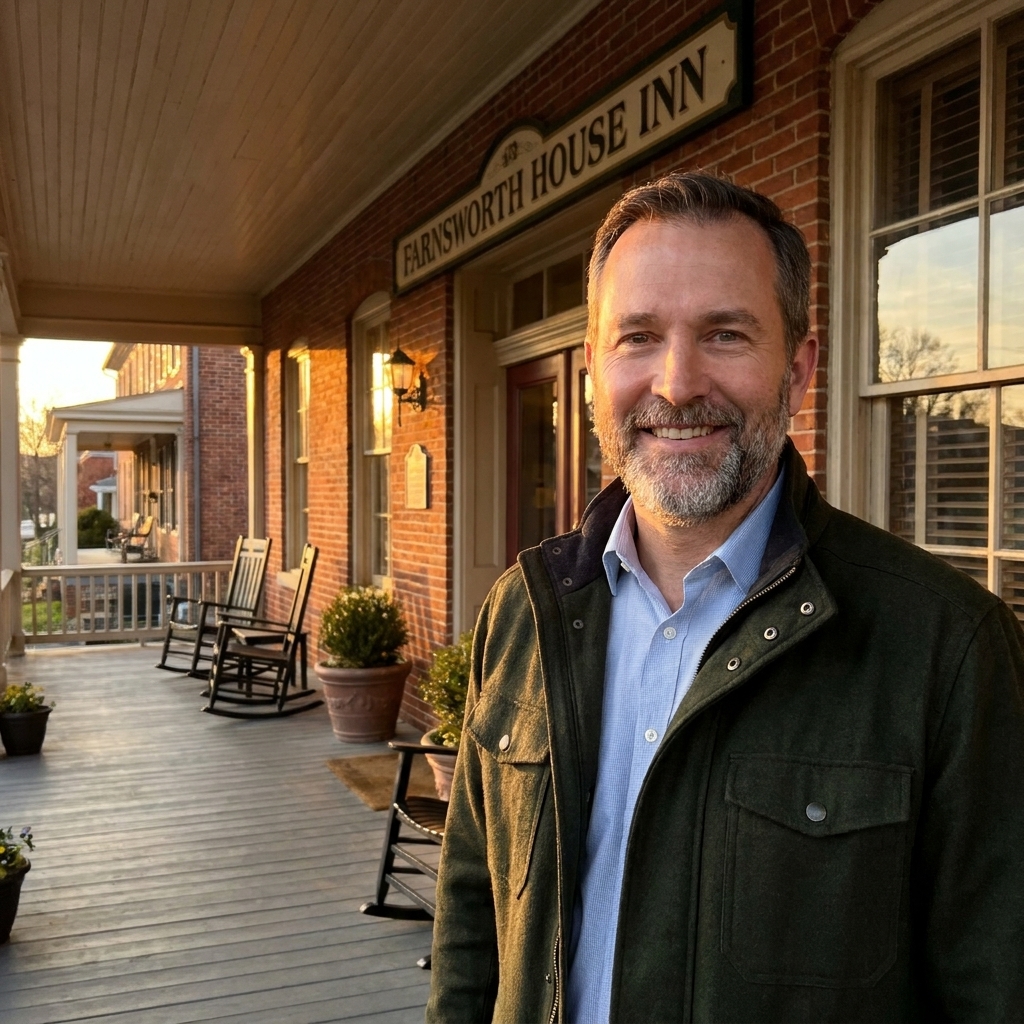
1) Farnsworth House Inn (Gettysburg, Pennsylvania)
Best for: stepping out the front door and being in Gettysburg’s story instantly
Gettysburg is my old backyard, the place I grew up circling and returning to. If you want lodging that feels inseparable from the town’s wartime heartbeat, the Farnsworth House is hard to top. It sits where town life and battlefield travel overlap, so you can spend less time in the car and more time walking and looking.
The building’s 19th-century character is the point here. You are not just near Gettysburg. You are staying in a place that has heard the town’s footsteps for generations. After a day on Seminary Ridge or down in the shadowed lanes near Devil’s Den, it is a short walk back to a porch and a quiet room that still feels grounded in the era.
- Nearby battlefield time: roughly 5 to 15 minutes to key park areas, depending on where you start your loop and parking conditions
- What I like: you can do an early or late walk when the crowds thin and the air changes
- Tip: if you want to build a full day with minimal backtracking, use my planning approach here: /plan-a-civil-war-battlefield-day/
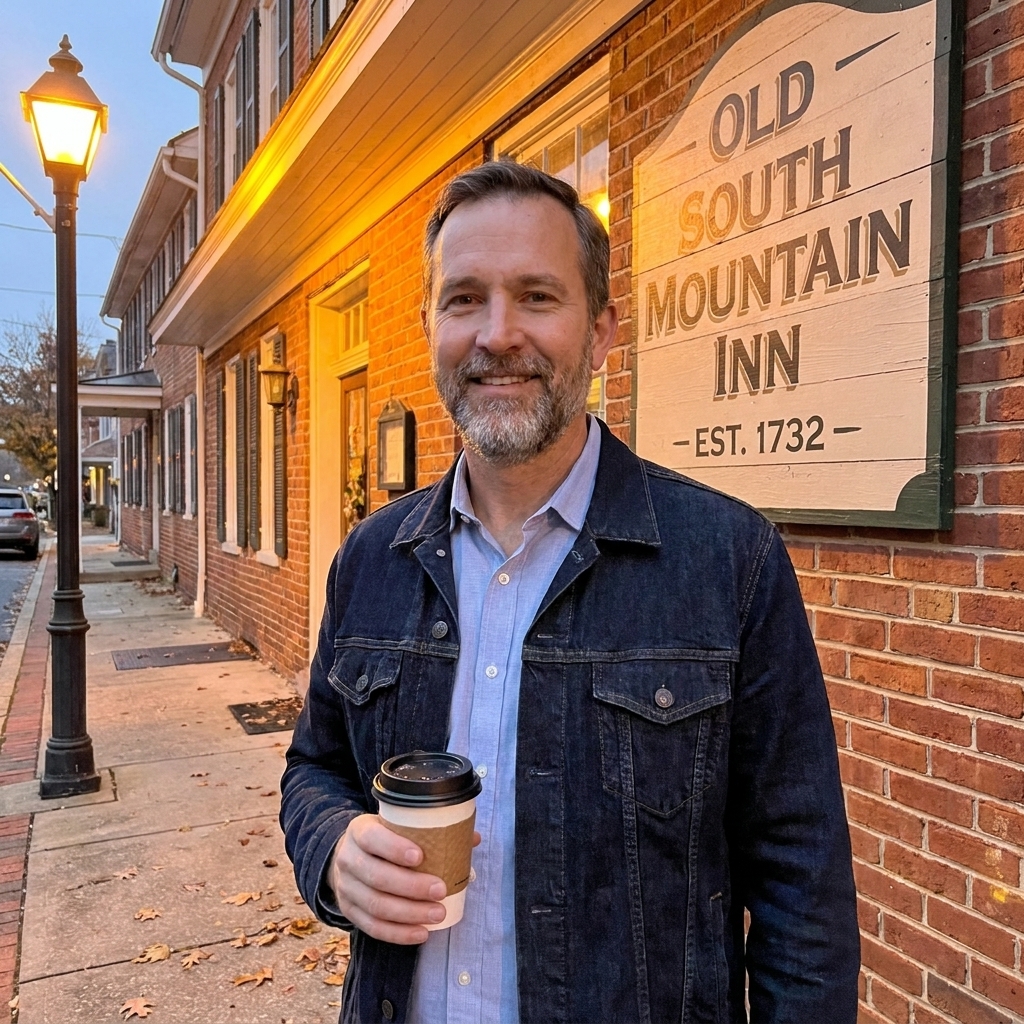
2) Inn BoonsBoro (Boonsboro, Maryland)
Best for: Antietam visitors who want small-town quiet after a heavy day on the field
Antietam can leave you wordless if you let it. The Cornfield looks peaceful until you remember what happened there in a matter of hours. After walking that ground, I appreciate a place where the evening feels gentle, where you can sit with your notes and not feel rushed back onto the highway.
Boonsboro is a good base for Antietam, and Inn BoonsBoro leans into the historic feel without turning it into a gimmick. It is the kind of stay that pairs well with a sunrise drive out to the battlefield, when the fog still hangs low and the monuments look like silhouettes.
- Nearby battlefield time: about 15 to 25 minutes to Antietam National Battlefield, depending on your route and traffic through Sharpsburg
- What I like: an old-town setting that helps you slow down and reflect
- Tip: Antietam rewards careful pacing. Build in time to walk, not just drive the tour stops
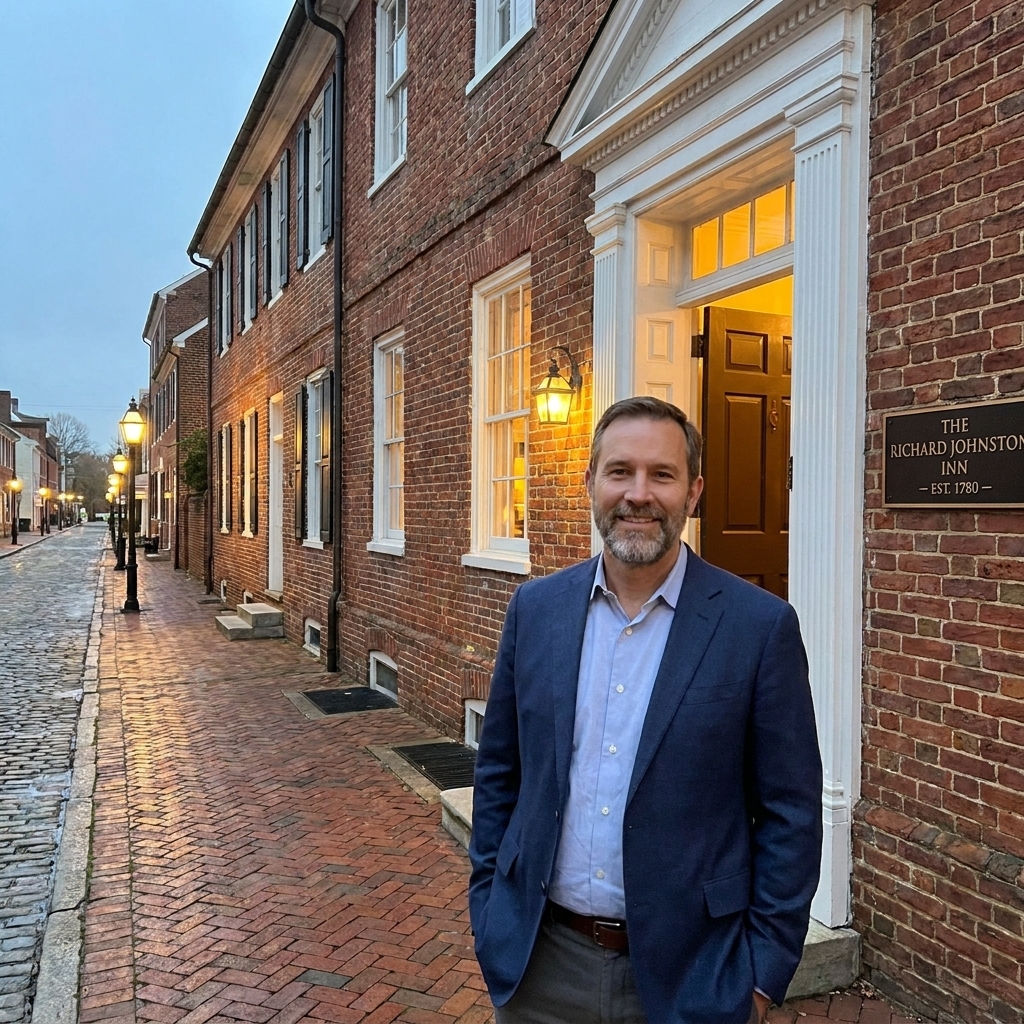
3) The Richard Johnston Inn (Fredericksburg, Virginia)
Best for: pairing Fredericksburg’s preserved downtown with the battlefield landscape
Fredericksburg is one of those places where the war is not confined to a park boundary. You can feel it in the streets, in the old brick, in the way the town sits beside the river. Staying in a historic inn here makes sense because the town itself is part of the story.
The Richard Johnston Inn puts you right in the middle of that atmosphere. After touring the Sunken Road or standing where assault lines formed and broke, you can come back and walk a few blocks in the evening, imagining what it looked like when hospital wagons and exhausted infantry filled these same streets.
- Nearby battlefield time: about 10 to 20 minutes to Fredericksburg area battlefields and key sites, depending on which unit you start with
- What I like: you can mix battlefield stops with downtown history on foot
- Trip idea: if you are building a multi-stop swing through Virginia, start here: /3-day-virginia-civil-war-battlefield-road-trip/
4) Duff Green Mansion (Vicksburg, Mississippi)
Best for: being close enough to Vicksburg to start early and stay late
Vicksburg is one of those campaigns that sprawls, both geographically and emotionally. The siege lines, the river, the bluffs, Grant’s persistence, and the civilian experience all press on you at once. When I visit, I want lodging that keeps me near the ground, not an hour or two down the road with a long drive standing between me and first light.
Staying in Vicksburg itself is the cleanest way to do it, and the Duff Green Mansion has the kind of weight you feel the moment you step onto the property. After a day riding the park roads and walking into ravines and along old approaches, I like coming back to a place that still feels like it belongs to the era you are studying.
- Nearby battlefield time: roughly 5 to 15 minutes to Vicksburg National Military Park, depending on which section you start with
- What I like: you can tour early, break midday, and return when the heat drops without losing time to the highway
- Tip: in hot months, start at dawn, rest in the worst heat, then go back out for a late loop when the shadows return

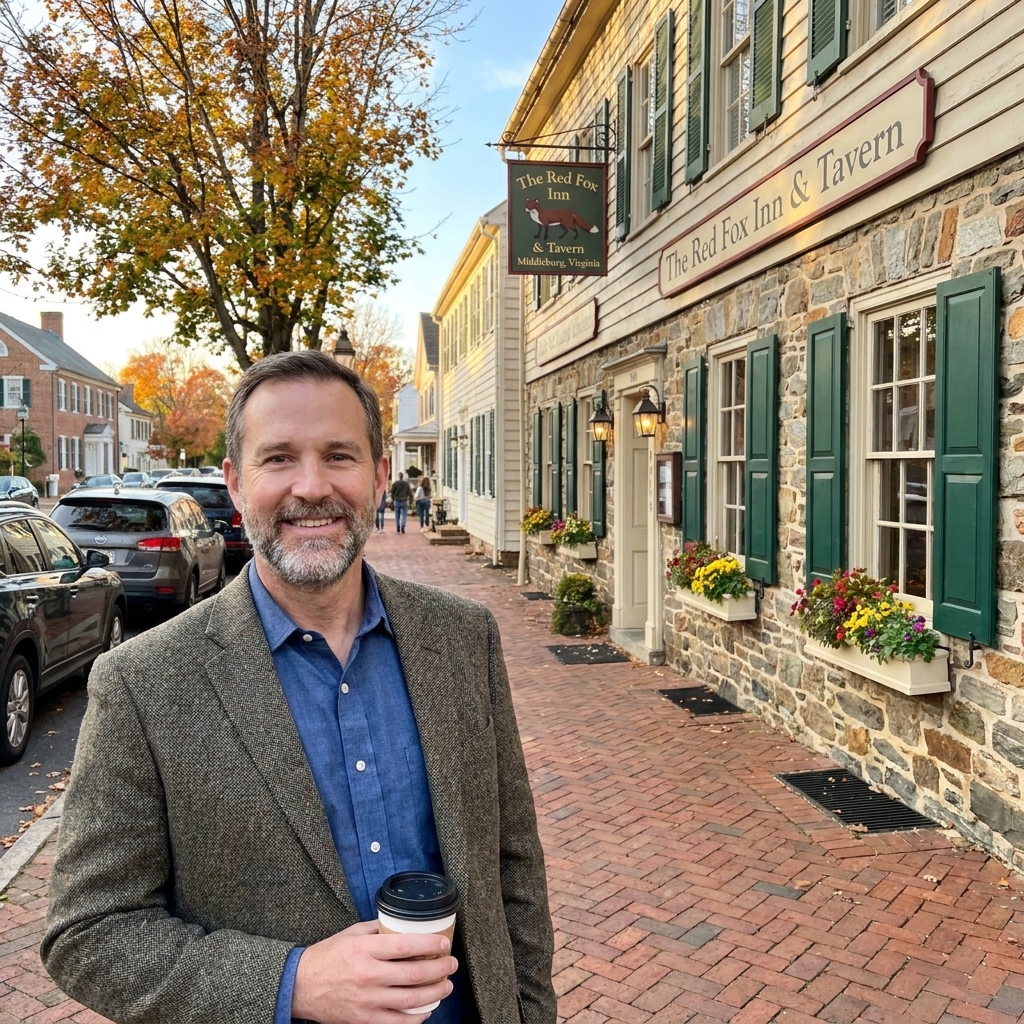
5) The Red Fox Inn and Tavern (Middleburg, Virginia)
Best for: a quieter Virginia base within reach of Manassas
I like Manassas because you can still feel how raw the war was there, especially at First Manassas. The Stone House is one of those landmarks everyone recognizes. It is not a place you can book for the night, and for a long day on that field I would rather sleep somewhere that feels old and settled than somewhere that feels like a highway interchange.
Instead of betting on a smaller, hard-to-verify property near the commuter churn, I point people to Middleburg and the Red Fox Inn and Tavern. It is not in the immediate shadow of the battlefield, but it is a dependable historic option that lets you come in early, tour with a clear head, and leave the traffic and noise behind at night.
- Nearby battlefield time: often under an hour to Manassas National Battlefield Park in light traffic, but plan on extra time during Northern Virginia rush hours
- What I like: you wake up somewhere that feels like Virginia, not a parking lot
- Further reading: if you enjoy digging into the little stories that harden into legend, you might like: /the-truth-behind-stonewall-jacksons-nickname-at-first-bull-run/
6) The Peabody Hotel (Memphis, Tennessee)
Best for: Shiloh visitors who want a historic stay with an easy drive to the field
Shiloh is a battlefield that changes with the light. In the morning it can feel like a churchyard, dew in the grass and birds in the trees. Later, when the sun climbs, the distances and the terrain start to make more sense, and you realize how quickly a person can lose their bearings in the timber.
For years I have tried to name a small, perfect historic bed-and-breakfast right near the park that I feel comfortable recommending without hesitation. The truth is, options closest to Shiloh can change hands or go seasonal, and I would rather be reliable than romantic. If you are willing to widen your circle, Memphis gives you a real historic hotel and a straightforward drive east when you want to be on the field early.
The Peabody is not a Shiloh story in itself, but it is a place with its own long life and a sense of tradition that suits this kind of trip. I like doing Shiloh as a very early start, giving the battlefield the quiet hours it deserves, then returning to a city base where you can eat well, sleep hard, and start sorting through what you saw.
- Nearby battlefield time: about 2 to 2.5 hours to Shiloh National Military Park, depending on where you start in Memphis and your route
- What I like: a historic building and a predictable night’s rest after a long day outside
- Tip: confirm park hours and seasonal conditions before you go, especially if you are planning a dawn arrival

How I choose a stay
Every traveler is different, but I keep coming back to the same checklist when I book:
- Distance to the field: I want to be close enough for an early visit without negotiating traffic or complicated parking.
- Quiet at night: after a battlefield day, quiet matters more than amenities.
- A building with a past: I am not chasing ghosts. I am chasing texture. Plaster walls, old staircases, thick doors, and rooms that do not feel interchangeable.
- A good breakfast and an easy start: being fed and out the door early can be the difference between a thoughtful tour and a rushed one.
- Hours and closures: I check visitor center hours, seasonal road access, and any planned closures so I do not lose the best part of the day to a locked gate.
If you are newer to battlefield travel, this overview will help you think through timing, driving, and expectations: /guide-battlefield-travel/
A small courtesy
Historic inns are living buildings, and many are in neighborhoods where people still work regular jobs and walk dogs after supper. I always try to arrive with a soft footprint. Park where you are told, keep your voices down on porches late at night, and remember that you are borrowing a little bit of someone else’s peace while you go looking for the past.
That quiet respect fits the reason we visit battlefields in the first place. We come to listen.