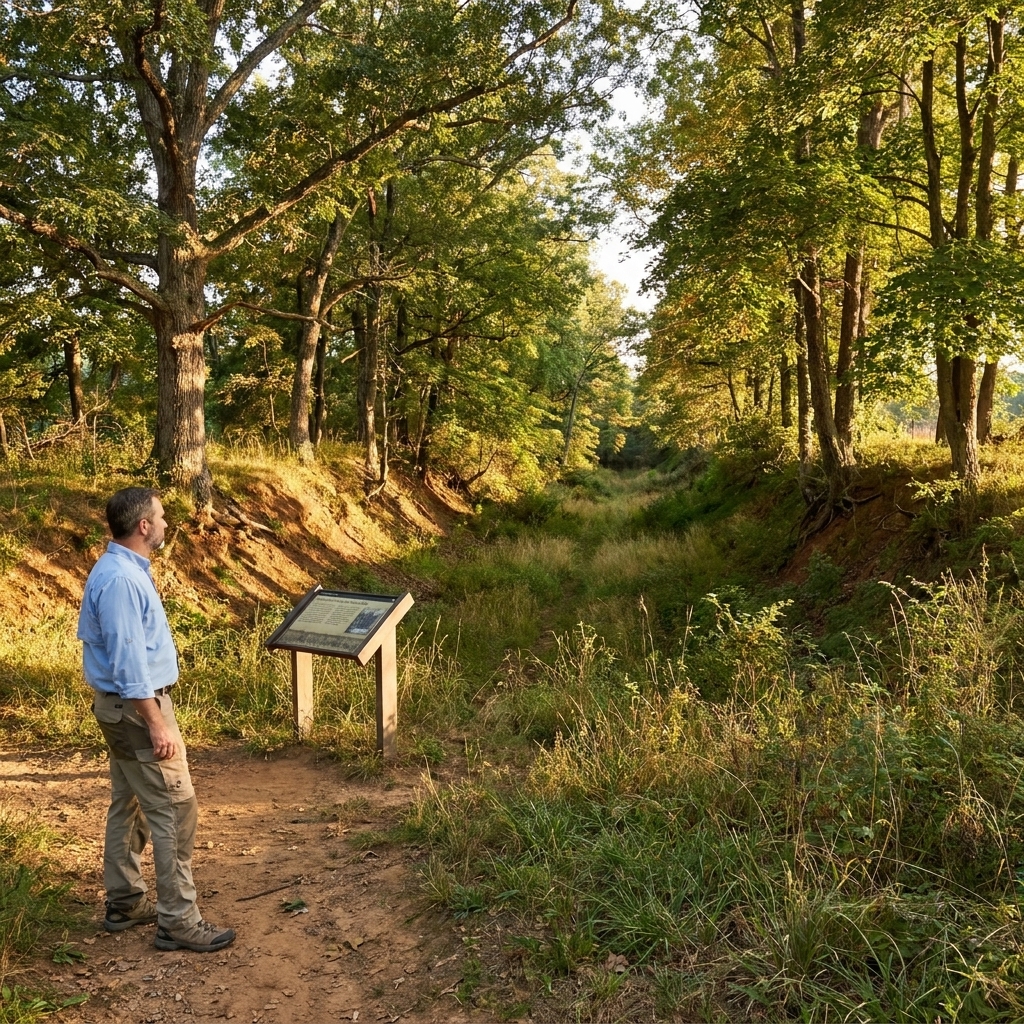
Walk Manassas through two battles a year apart and see infantry tactics harden: stronger skirmish lines, habitual use of cover, and Jackson’s railroad cut de...
The Truth Behind Stonewall Jackson’s Nickname at First Bull Run

Silas Weaver
Silas Weaver has spent decades exploring historic battlefields, reading primary journals, and tracking down the lesser-known stories of the American Civil War. His lifelong passion for 19th-century history comes through in his engaging accounts of the places, people, and lingering questions of the era. He believes that walking the actual grounds where history happened is the best way to truly connect with the past.
Published
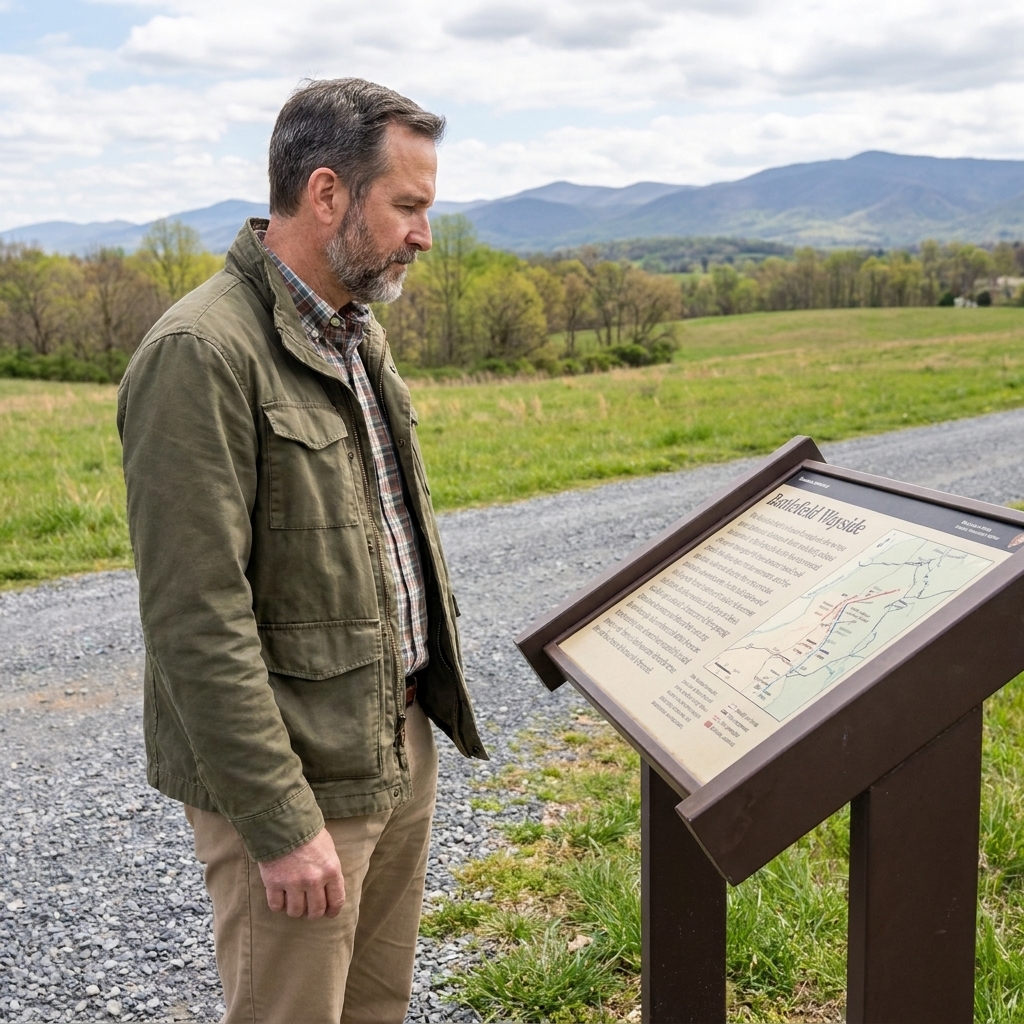
I have stood on Henry House Hill when the light is slanting low, when the grass looks almost too peaceful to hold a memory of panic. On that slope at First Bull Run, Confederates stabilized their line and Thomas J. Jackson acquired a name that would follow him to the grave. The trouble is, the most famous sentence attached to the moment is also one of the slipperiest.
“There stands Jackson like a stone wall.” Most folks can quote it. Far fewer can say, with confidence, what was meant, when it was said, and who heard it firsthand. The sources do not give us a tidy answer. They give us a battlefield full of smoke, a general with a sharp tongue, and decades of veterans retelling the same instant until it hardened into legend.
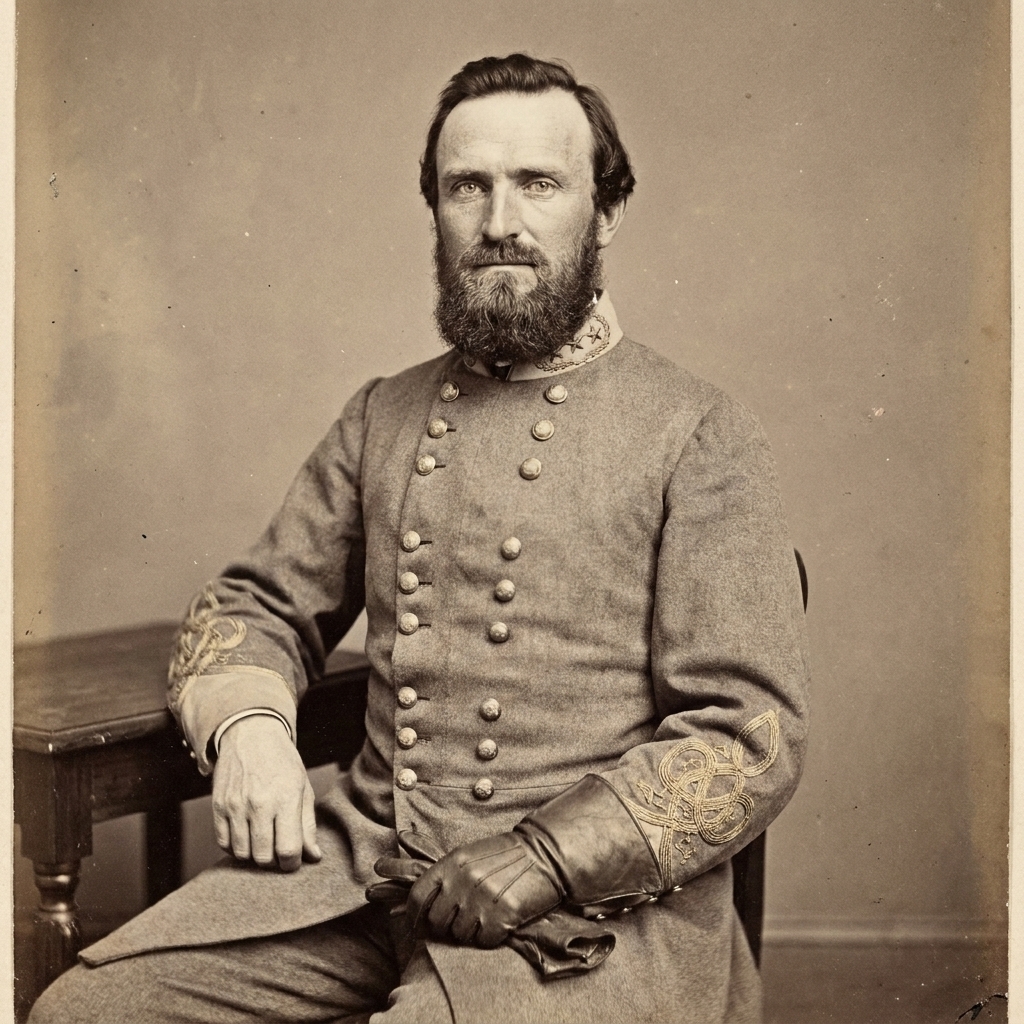
Set the stage: Henry House Hill
By late morning on July 21, 1861, the fight had already shifted from the earlier clashes north and west of the hill. Union troops had forced back parts of the Confederate line and the action flowed toward the high ground around the Henry House, where artillery could command open approaches and infantry could form a rallying line.
Jackson’s brigade, Virginians not yet famous to the wider public, took position near the hill and helped anchor a defensive line while Confederate units arrived in fragments. It was a moment built for a nickname because it was a moment of visible steadiness amid confusion. Whether Jackson was actually calm, or simply looked calm compared with the men around him, is part of the point. In war, appearances can harden into “facts” in later memory.
The quote and the first problem
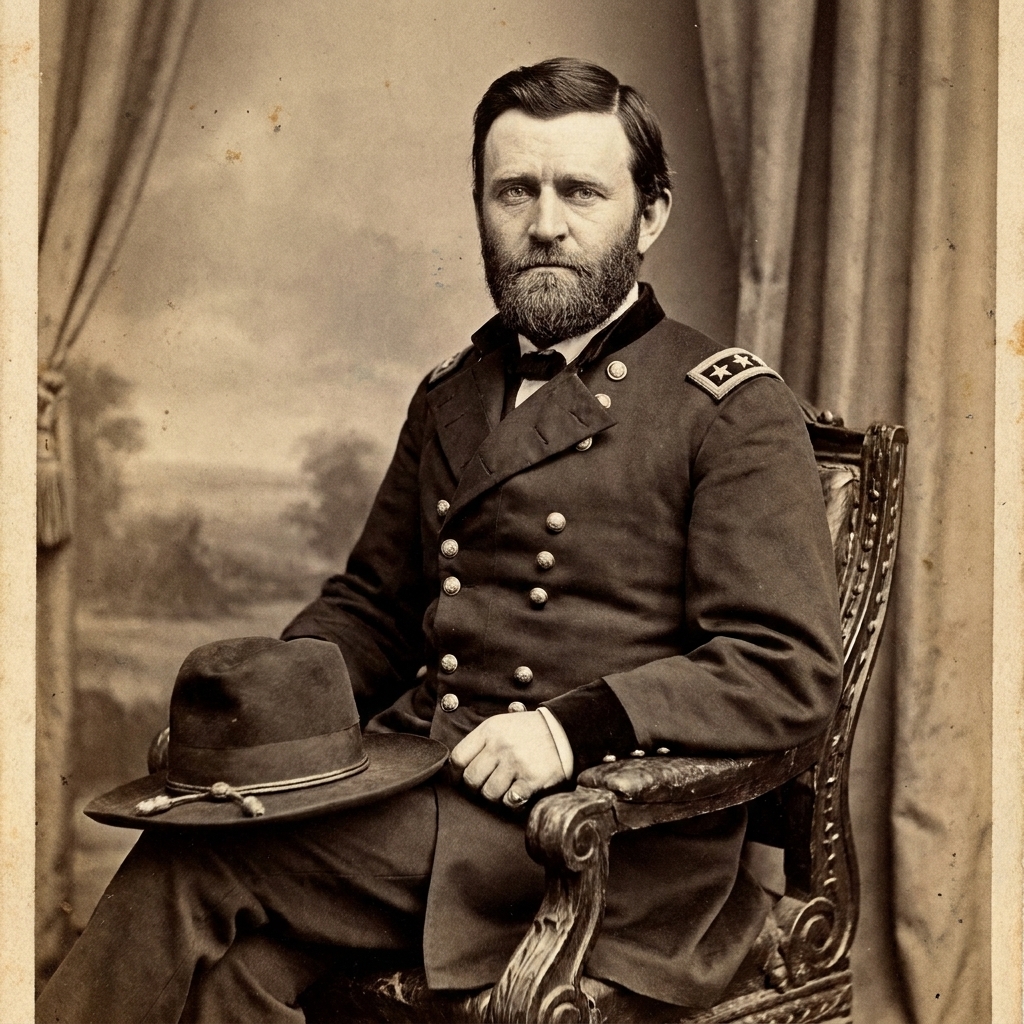
The classic story is that Brigadier General Barnard E. Bee, trying to rally his wavering South Carolinians, pointed toward Jackson and declared, “There stands Jackson like a stone wall. Rally behind the Virginians.” Jackson’s men hold, Bee’s men rally, and a legend is born.
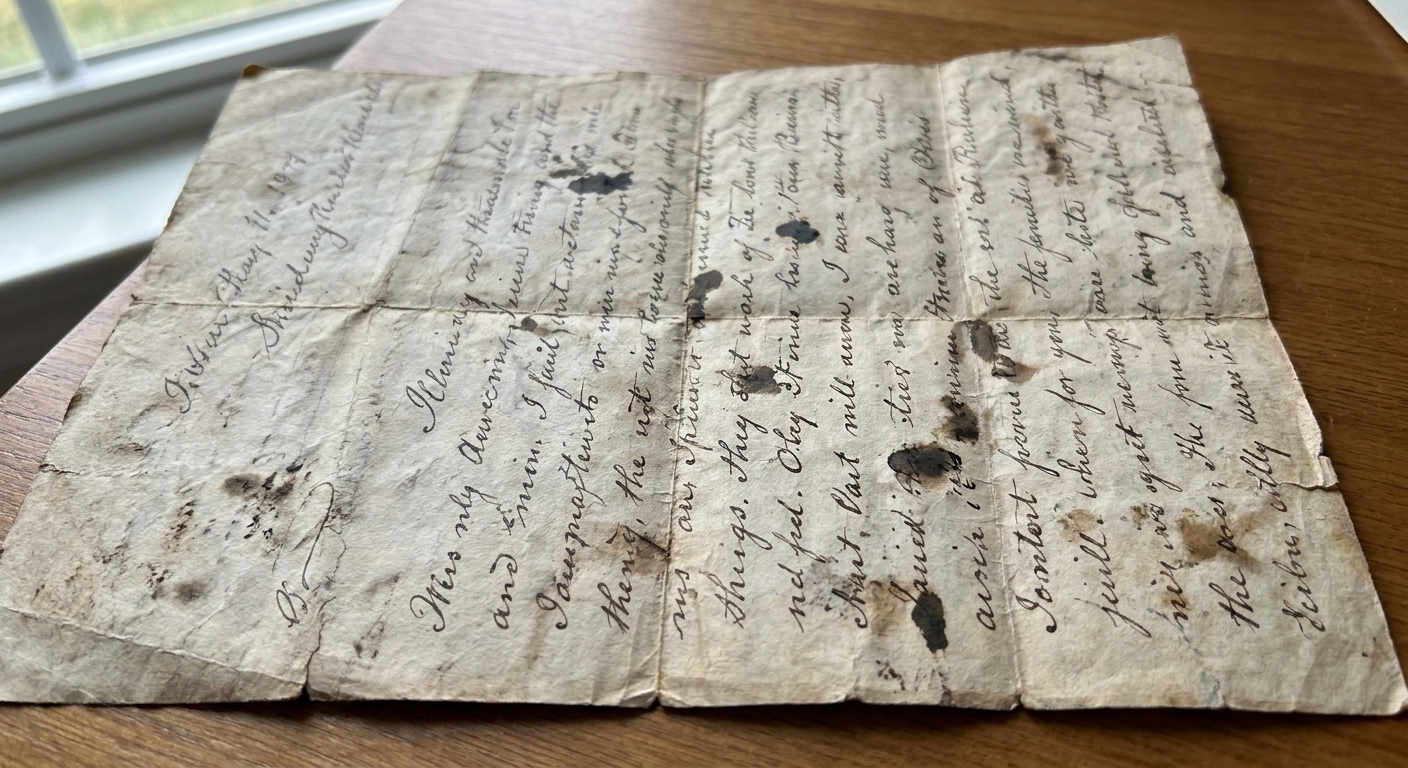
But the very neatness of that line should make you suspicious. We do not have a clean, contemporaneous transcript of Bee’s words. Bee was mortally wounded that day and died without leaving a definitive written statement of what he said on that hillside. What we have instead are later recollections, some from men under terrible stress, and many filtered through pride, grievance, and postwar memory.
Praise or scolding?
This is the argument that refuses to die, and I understand why. Bee had reason to admire Jackson’s steadiness, but he also had reason to be furious if he believed Jackson was not moving to help at the speed Bee expected. That ambiguity opened the door to two readings of the same sentence, and later participants sometimes insisted on the version that best defended their own unit or commander.
Reading 1: a compliment
In this version, Bee is doing what officers have always done in a crisis: pointing at something solid and telling frightened men, in plain language, to take heart. Jackson becomes the “stone wall” because he looks immovable, and the phrase is meant as immediate battlefield encouragement.
Reading 2: an insult
In the harsher version, Bee is not admiring Jackson at all. He is accusing him of standing there like a stone wall while others are being driven back. Under this reading, Bee’s words are closer to a bitter jab than a stirring cheer.
The difficulty is that both readings can be made to fit what men later wanted the moment to mean. South Carolinians might defend Bee’s competence by suggesting he was exasperated, not awestruck. Virginians, and later Jackson’s admirers, naturally preferred the heroic interpretation.
The eyewitness problem
When you sift the accounts, you run into the same battlefield obstacles again and again.
- Who was close enough to hear Bee? A shouted sentence does not carry evenly through cannon fire, musketry, and massed troops.
- Who repeated it first? The earliest repetition matters because every retelling adds polish, sometimes without the teller noticing.
- What time did it happen? The phrase gets placed at different points in the fight, which changes what Bee could plausibly have been reacting to.
- What did “stone wall” mean in 1861 speech? It could be praise for firmness, or it could be a metaphor for stubborn inaction. Context was everything, and context is exactly what gets lost in later storytelling.
The more I read veteran recollections, the more I treat the famous line like a marker on a map that has shifted slightly over time. It points to something real, but it does not sit on a single, exact coordinate.
Jackson and the legend
Jackson did not publicize the nickname himself in the way a modern public figure might, but he also did not reject it. The name fit the public hunger for clear heroes early in the war. It fit Confederate morale-building. And it fit Jackson’s personality as it was perceived by others: stern, self-contained, hard to read.
There is also a simpler truth that can coexist with all the uncertainty about Bee’s intent. Jackson’s brigade did stand and did contribute to turning a bad morning into a Confederate victory. Even if Bee never uttered the sentence exactly as we repeat it today, the battlefield performance created the conditions for the name to stick.
Why it hardened after the war
First Bull Run was the Confederacy’s first great moment of vindication, and Jackson’s later career gave people a reason to backfill the origin story with meaning. Nicknames often work that way. They feel prophetic when a man grows into them.
After the war, veterans had decades to speak at reunions, write memoirs, and settle old scores. In that long echo chamber, the sharpest lines survive. The uncertain parts get trimmed away. A phrase that may have been one of several shouted that day becomes the phrase, repeated until it seems as solid as the very stone wall it describes.

The most honest answer
If you asked me for the clean version to put on a roadside sign, I would tell you this: at First Bull Run, Jackson’s brigade held firm on Henry House Hill, and in the scramble to rally shaken troops, Bee (or men around him) connected Jackson’s steadiness to a “stone wall” remark.
If you asked me what I actually believe happened, I would be a little more careful. I think some form of the “stone wall” comment was very likely said in the crisis, because versions of it show up early in the war, in the kind of places that spread phrases quickly: soldiers’ letters, newspaper reporting, and wartime conversation that veterans later claimed they remembered clearly. But I also think we cannot prove, beyond reasonable doubt, whether Bee meant it as pure praise or as a sharp-edged complaint that later generations softened.
That uncertainty is not a flaw in the history. It is part of its texture. War is lived in fragments. The clean stories come later.
Read it like a historian
When you run into a famous battlefield quote, I suggest three habits. They have served me well in dusty archives and on windswept ridges.
- Separate the event from the quote. Jackson’s defensive stand can be true even if the exact wording is not.
- Prioritize timing. Accounts written closest to 1861 deserve extra weight, even when they are imperfect.
- Watch for postwar incentives. Veterans had reasons to elevate certain units, vindicate certain leaders, or sharpen rivalries.
If you want more of my general approach to commanders and reputations, our main hub on leaders is a good place to wander: Guide to Civil War Generals.
Quick questions
Did Jackson have the nickname before Bull Run?
No. “Stonewall” attaches to him because of First Bull Run and the way that day was remembered. Before that, he was a relatively obscure brigadier to the wider public.
Did Bee say “Rally behind the Virginians” too?
That full sentence is part of the popular version, but it is also part of what becomes hard to verify word for word. Surviving versions vary, including tellings closer to “There is Jackson standing like a stone wall.” Some accounts may capture the meaning of the moment without preserving a perfect transcript.
Was Jackson literally behind a stone wall?
Not in the sense most folks imagine. The “stone wall” is best understood as a metaphor for firmness. The Henry Hill area had fences and field boundaries, but the nickname is not a reliable guide to the exact kind of cover Jackson stood near.
A final thought
Whenever I revisit Manassas, I try to picture not the monument version of Jackson, but the man as a new brigadier on a brutal first day, trying to hold a line that was coming apart in places. Whether Bee praised him or cursed him, the nickname tells us what soldiers needed in that instant: something that would not move.
If you are planning a visit and want a simple structure for a day on the ground, start here: Plan a Civil War Battlefield Day. Even a few hours spent walking the rises and dips will teach you why legends cling to certain places.