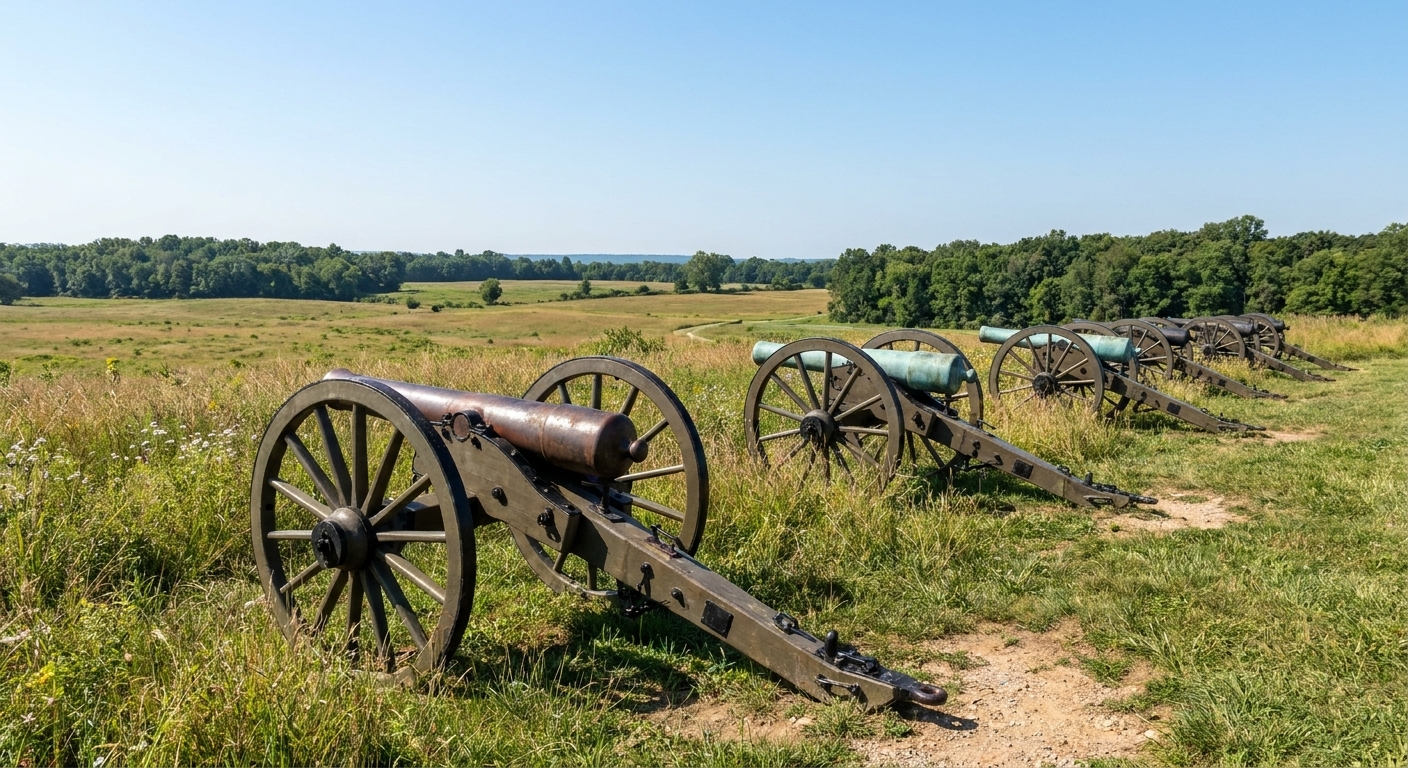
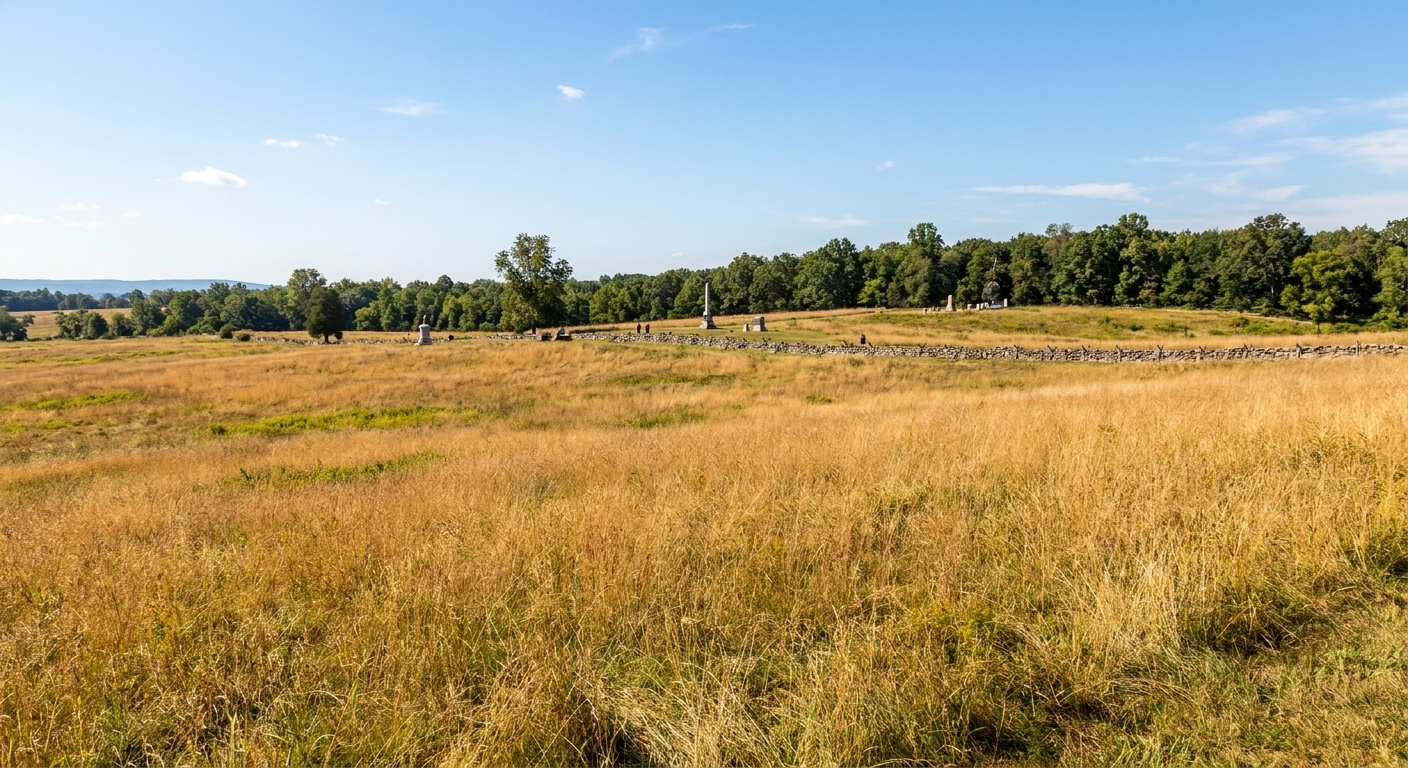
A practical, step-by-step walking route across Pickett’s Charge—Seminary Ridge to Emmitsburg Road, the Copse of Trees, High Water Mark, and the Angle—with di...
Gettysburg vs. Antietam: Which Battlefield to Visit First?

Silas Weaver
Silas Weaver has spent decades exploring historic battlefields, reading primary journals, and tracking down the lesser-known stories of the American Civil War. His lifelong passion for 19th-century history comes through in his engaging accounts of the places, people, and lingering questions of the era. He believes that walking the actual grounds where history happened is the best way to truly connect with the past.
Published
I grew up a short drive from Gettysburg, which means I met that battlefield the way a lot of locals do: first as a landscape. Summer heat shimmering over the fields. Fence lines running off toward the next ridge. The hush inside the National Cemetery when you are too young to have words for what you are sensing.
Antietam came later for me, down in Maryland among rolling farmland and creek bottoms. It felt quieter, sharper, and in some ways harder to shake. If Gettysburg is a sprawling story you can enter from a dozen angles, Antietam is a single day that still feels trapped in the folds of the ground.
If you are wondering which one to visit first, you are really asking: what kind of introduction do you want to the Civil War, and what kind of day do you want on your feet?
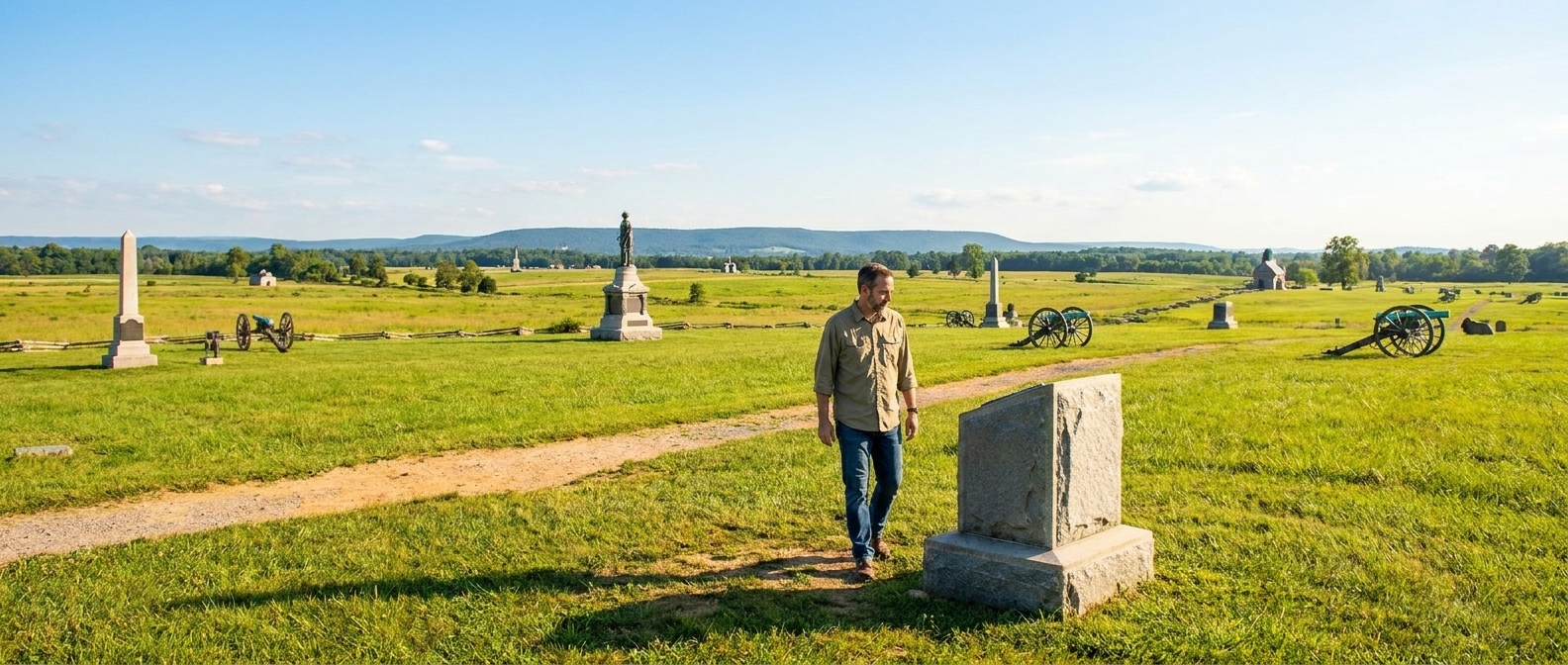
The quick answer
- Visit Gettysburg first if you want the fullest big picture experience: a large preserved landscape, many iconic stops, a strong visitor infrastructure, and a battle that is easier to understand on the ground even on a first trip.
- Visit Antietam first if you want a quieter, more contemplative day, shorter driving between key points, and an intensely human story that can hit you hard without needing three days of context.
Why these two places matter
Gettysburg: the war in three acts
Gettysburg matters because it gathers so many Civil War themes into one place. You have movement and surprise on Day 1, massive set piece fighting on Day 2, and a climactic gamble on Day 3. You can stand at different points and feel the logic of the battlefield, why a ridge matters, why a road matters, why a few minutes of decision making can echo for generations.
Historically, Gettysburg is often framed as the high tide of the Confederacy. Lee’s invasion of the North is turned back, and the strategic momentum shifts. Pair that with the Gettysburg Address later in the year, and you also get the moral and political language of the war taking on a new clarity.
Antietam: the bloodiest day, and a turning point beyond the battlefield
Antietam is compact compared to Gettysburg, but it carries an outsized weight. September 17, 1862 is widely regarded as the bloodiest single day in American history, with roughly 23,000 soldiers killed, wounded, or missing.
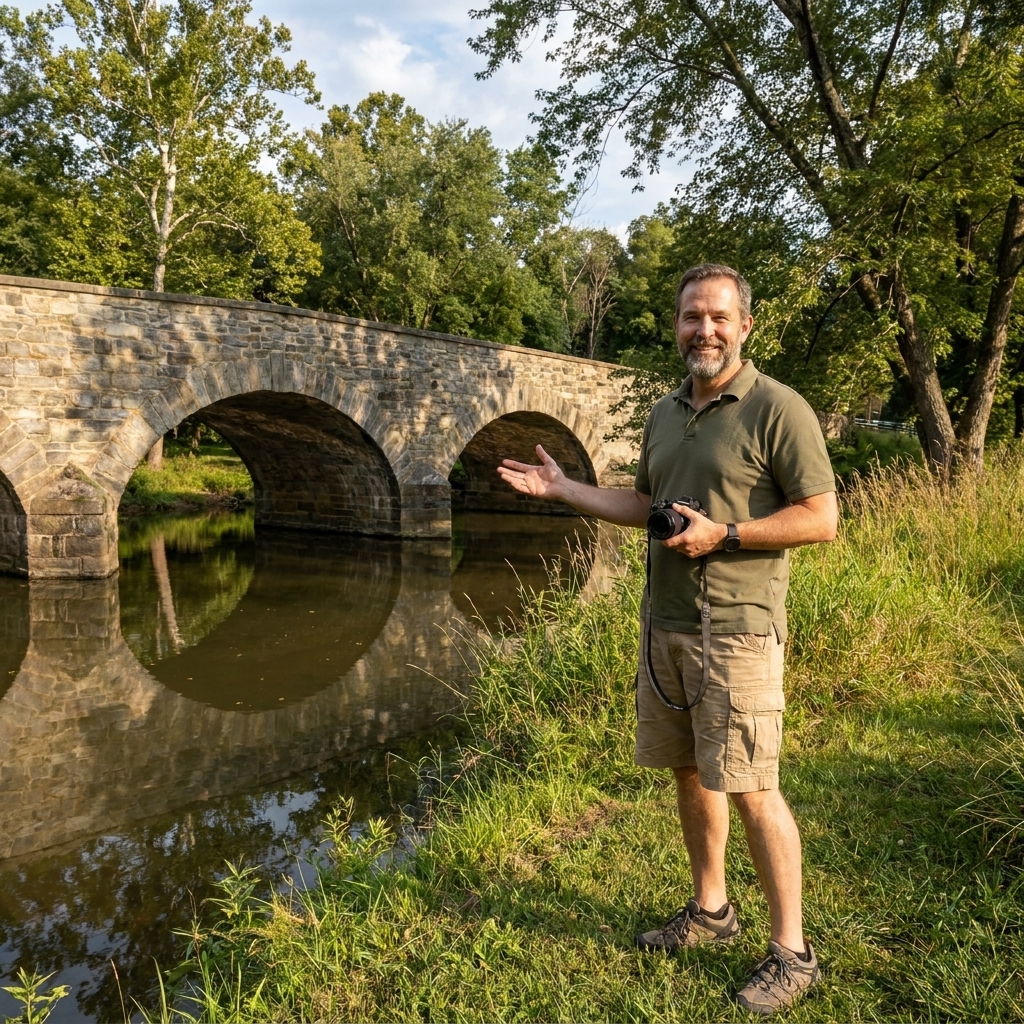
The cornfield, the sunken road, the fighting around Burnside Bridge, and the late day crisis as A.P. Hill’s division arrived and struck the Union left combine into a day that feels like it should not fit inside sunrise to sunset.
Antietam’s significance also runs outward into policy. The battle gave President Lincoln the opportunity to issue the preliminary Emancipation Proclamation. When you walk Antietam, you are not only tracing a tactical story. You are walking through the hinge where the war’s purpose, as expressed by federal policy, began to change in public terms.
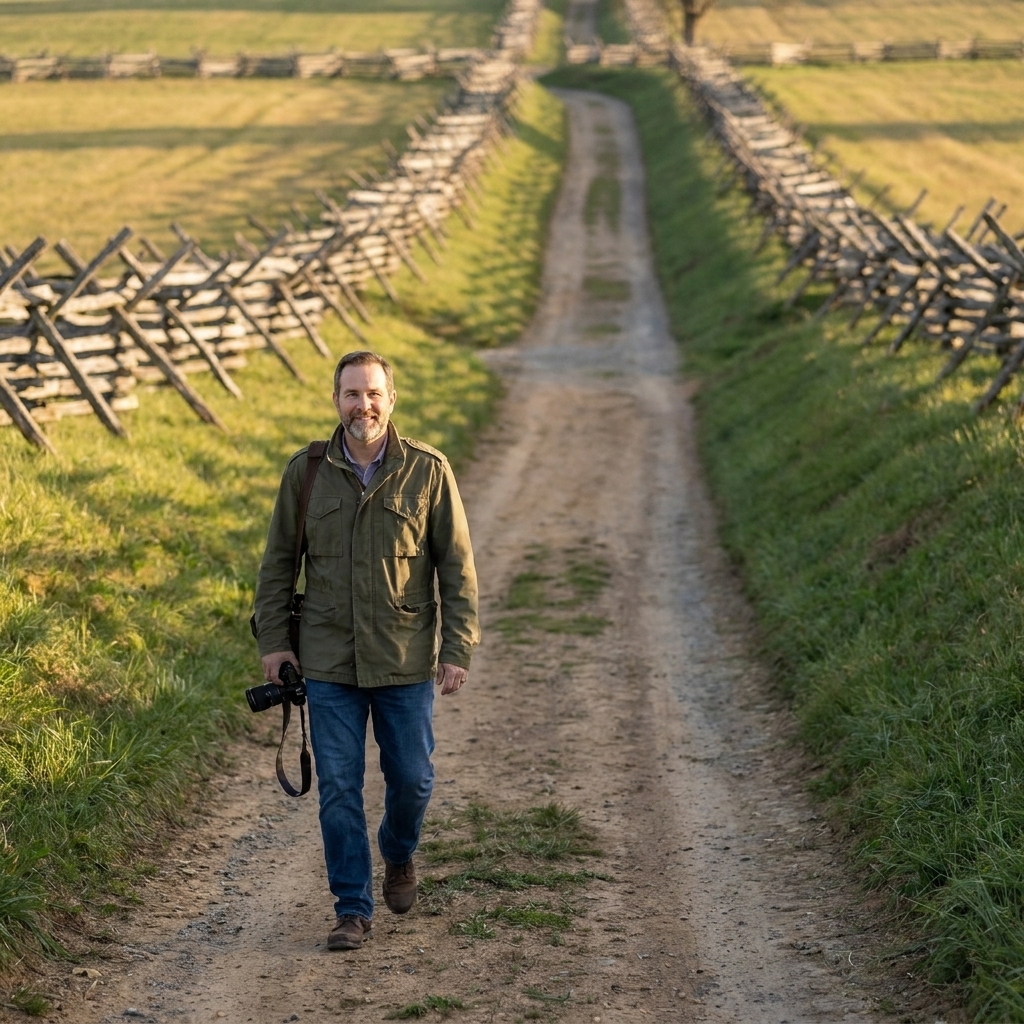
The visitor experience
Scale and pacing
Gettysburg is big enough that you can do it wrong. I say that kindly, because most of us do on the first attempt. You can spend half your day driving, hopping out for ten minutes, then driving again. The antidote is to choose a theme for your first visit: Day 2 fighting, the cavalry story, the Round Tops, or even a simple “follow the ridge line and pay attention to the ground.”
Antietam is easier to pace in a single day. The key areas are closer together, and the battlefield has a natural flow: north to south, morning to afternoon. You can still rush it, but it resists checkbox touring. The lanes, fields, and creek crossings tend to pull you into stopping, listening, and looking longer than you planned.
Crowds and atmosphere
Gettysburg can feel busy, especially in summer and on anniversary weeks. There are benefits to that. More ranger programs. More open sites. More services close by. The downside is that it can be harder to find stillness.
Antietam often feels quieter. Even when there are visitors, the experience tends to be more dispersed. If you are the sort of person who wants to hear the wind in the trees at the edge of a field and think about what happened there, Antietam gives you that more readily.
Interpretation and learning curve
Gettysburg is a friendly battlefield for beginners because the terrain explains so much. High ground is obvious. Lines of sight are obvious. The story has clear turning points that map well to physical landmarks.
Antietam takes a little more patience. The fighting was ferocious, but the lines and objectives can feel less clean at first glance. Once it clicks, it clicks hard, because you realize how repeated attacks, confusion, and exhaustion piled up hour after hour in the same small corridors of ground.
Guided or self guided?
Both parks work well whether you join a ranger program or keep it self guided. If you like structure, start at the visitor center, pick one or two ranger talks if they fit your timing, then keep your own tour simple. If you prefer to move at your own pace, you can still get a lot out of either battlefield by choosing a short walk, reading the waysides slowly, and letting the terrain do some of the teaching.
If you want a structured approach to any battlefield, I keep my own routine simple: arrive early, walk a small section before you drive much, then circle back at day’s end to re-walk one place with the story in your head. That method is laid out in Plan a Civil War Battlefield Day.
How much time do you need?
If you only remember one planning rule, make it this: one full day is the minimum for either battlefield if you want more than a windshield tour.
- Gettysburg: plan on a full day for a first visit, and two days if you want breathing room for longer walks, quieter moments, and a better sense of how Day 1 connects to Day 3.
- Antietam: a solid half day (4 to 6 hours) can cover the major stops, but a full day gives you time to walk the cornfield and the lanes without hurrying, and to sit with the story a little.
Walking difficulty
Gettysburg on foot
Gettysburg rewards walking, but it demands choices. The Round Tops can be steep in spots, and distances between major areas can be longer than first-time visitors expect. If you have one day, pick one anchor walk such as Little Round Top and the slopes around it, or a stretch of Cemetery Ridge.
Antietam on foot
Antietam’s signature areas are more compact for walking. The cornfield and the lanes nearby can be explored with shorter loops. Burnside Bridge is a manageable walk, with some elevation changes. Overall, I find Antietam easier to absorb on foot in bite-sized pieces without feeling like you are missing half the story.
For visitors who want a gentler experience or have mobility concerns, start with our guide to wheelchair-accessible battlefields and trails. Even when a site is not fully accessible, planning ahead can make the day far more enjoyable.
Amenities and kids
Visitor services
Gettysburg generally has the edge in visitor infrastructure, simply because it sees so many people. Lodging and food options are plentiful nearby, and there are many ways to build a multi-day itinerary.
Antietam is well supported, but it feels more rural. That is part of its charm. It also means you will want to plan meals and timing a bit more carefully, especially if you are traveling with kids or anyone who needs frequent breaks.
Kids on the battlefield
If you are bringing young historians along, I have found that Gettysburg offers more obvious hooks for attention, because the landscape is dotted with memorable landmarks and there is so much variety. Antietam can be powerful for kids too, but it often works better when you keep the day short, pick two or three stops, and let them walk and ask questions rather than forcing a complete tour.
If you want some practical ways to keep the day enjoyable, see How to Keep Kids Engaged on a Civil War Battlefield Trip.
Which one first?
Choose Gettysburg for the big story
- You are new to Civil War battlefields and want an easy-to-follow narrative.
- You like having lots of options: scenic drives, short walks, longer hikes, and multiple days of stops.
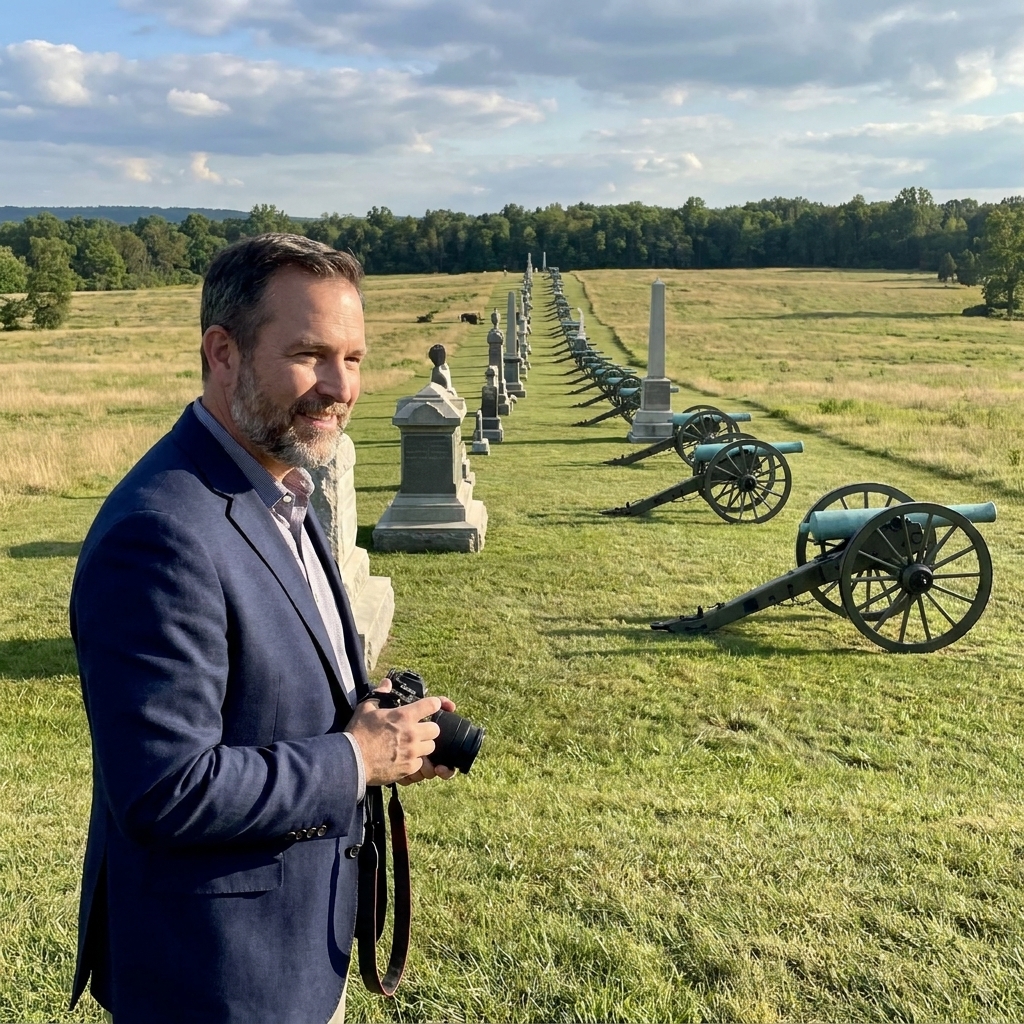
- You want to see famous places you have read about since you were a kid: Cemetery Ridge, Little Round Top, Pickett’s Charge ground.
Choose Antietam for intensity
- You want a single day that feels focused and emotionally direct.
- You prefer quieter landscapes and less bustle.
- You are drawn to the idea of walking a battlefield where policy and combat history intersect in a particularly sharp way.
If you only have one day
One day at Gettysburg: do less, walk more
My best Gettysburg advice for a first day is to avoid trying to see it all. Pick a core story. Day 2 is often the best choice because it is the day where the ground and the decisions are easiest to read with your eyes and feet.
One day at Antietam: follow the clock
At Antietam, I like a simple north-to-south progression. Start early in the morning areas, then let the day move you toward the bridge and the lower fields near Sharpsburg. It mirrors the battle’s momentum and helps you keep the narrative straight.
Either way, pack water, wear shoes you trust, and give yourself permission to sit quietly at least once. Battlefields are not theme parks. They are outdoor history books written in dirt, stone, and distance.
When to go
Winter is not the only good season, but it is an underrated one. Summer can be beautiful and busy, but it can also mean heat, humidity, and less patience for long walks. Spring and fall bring gentler temperatures, with spring sometimes muddy after rains and fall offering clear sight lines once the fields are cut back. Whatever month you choose, an early start usually does more for your day than any perfect forecast.
Photography
If you enjoy battlefield photography, you will find strong compositions at both sites, but they feel different through a lens. Gettysburg gives you long sight lines and dramatic changes in elevation. Antietam gives you intimate frames: fences, lanes, bridges, and creeks that naturally focus the eye.
For general tips on finding strong views and working with light on preserved ground, take a look at 7 Stunning Vantage Points for Civil War Battlefield Photography.
My recommendation
If you are visiting your first Civil War battlefield and you want to fall in love with the idea of learning history by walking it, start with Gettysburg. It is spacious, legible, and rich with moments that connect quickly, even if you arrived knowing only the broad outlines.
If you have already visited a battlefield or two, or if you know you are the kind of traveler who would rather have one concentrated, quiet experience than a long checklist of stops, start with Antietam. It does not need fireworks to be unforgettable.
And if you can manage it, do not treat them as rivals. Visit one this season, the other next. The Civil War was not one battle. These two landscapes simply give you two different doorways into the same hard human story.
For more context on how we approach battle narratives and trip planning across the site, you can browse our Battles guide and the broader Battlefield Travel guide.
FAQ
Which battlefield feels more intense?
Both can be, but Antietam often hits visitors with a kind of compressed intensity. The idea of so much loss in a single day is hard to carry, and the landscape is quiet enough to let that fact settle in.
Which is better in winter?
Winter can be excellent at either site: fewer crowds, longer sight lines, and a more reflective mood. If you are curious about why I like winter visits, see Why Winter Is the Best Time to Visit Civil War Battlefields.
Can I do both on one trip?
Yes, if your itinerary gives you at least two full days and you resist the temptation to sprint. The distance is manageable, but each battlefield deserves unhurried time on the ground.