A kid-friendly battlefield plan that actually works: the three-stops rule, Junior Ranger pacing, two-minute stories, simple landscape games, and comfort/safe...
Inside a Civil War Field Hospital

Silas Weaver
Silas Weaver has spent decades exploring historic battlefields, reading primary journals, and tracking down the lesser-known stories of the American Civil War. His lifelong passion for 19th-century history comes through in his engaging accounts of the places, people, and lingering questions of the era. He believes that walking the actual grounds where history happened is the best way to truly connect with the past.
Published · Last updated
I have stood in a lot of quiet places where men once screamed.
If you have ever walked a battlefield at dawn, you know the feeling. The fog sits low in the swales, birds go about their business, and the cannon are long gone. But every so often you come across the other side of combat: a low field near a farm lane, a cluster of shade trees, a springhouse, a churchyard. Places where the wounded were carried, dropped, sorted, and treated as best as human hands could manage in 1862 or 1863.
This is what a Civil War field hospital really was. Not a tidy room with clean sheets and polite silence, but an improvised system built to do two things at once: save lives and keep armies moving.
What counted as a field hospital
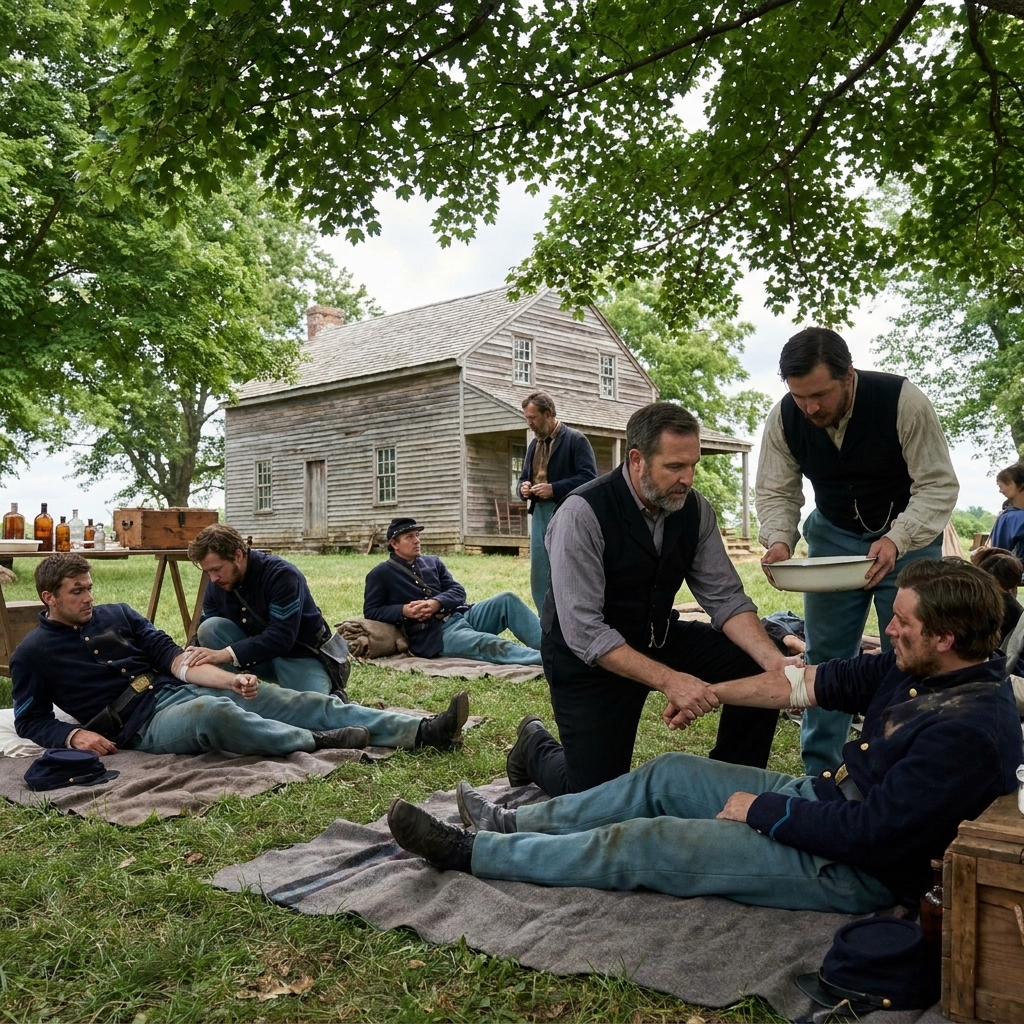
When people picture a hospital, they often imagine a building. In the Civil War, the “hospital” near the front was frequently whatever could be seized quickly: a barn, a church, a schoolhouse, a private home, or just a stretch of ground with good water and enough shade to keep men from baking in the sun.
There was a rough medical ladder, and it mattered because time mattered.
- On the firing line: a wounded man might be helped by a comrade, or pressed along by a regimental musician or other detail assigned to stretcher work.
- First aid just behind the line: bandaging, a quick tourniquet, perhaps a shot of whiskey or morphine.
- Field hospital: the place for surgery and immediate stabilization. This could be a divisional or corps hospital once systems improved.
- General hospitals farther back: larger, more organized facilities in towns and cities for longer recovery.
In the Army of the Potomac, Dr. Jonathan Letterman’s reforms in 1862 helped turn that ladder into something closer to a system, with dedicated ambulance crews, clearer evacuation procedures, and division-level hospital organization. It proved its worth under pressure, and it is hard to read about Antietam without feeling Letterman’s fingerprints on what followed.
If you want the broader day-to-day context that surrounded this kind of medical work, our overview in Civil War Life pairs well with what you are about to read.
The first thing you noticed
Accounts from surgeons and nurses tend to circle back to the same sensory facts.
Sound
The wounded did not arrive politely spaced out. They came in waves. There was groaning, shouting for water, delirious singing, prayer, arguments, sometimes silence that frightened the attendants more than noise. Outside, artillery could still be working, and every new concussion meant more men were about to be carried in.
Smell
Blood, sweat, wet wool, mud, and human waste were the baseline. Add chloroform or ether, and whatever disinfecting agents were on hand. Chlorinated lime and bromine show up in accounts, especially in the grim fight against hospital gangrene. When a hospital had been operating for a day or two in summer heat, the odor could be overpowering.
Speed
Speed was not cruelty. Speed was strategy. A surgeon who lingered too long over one complicated case might lose three men who could have been saved with faster decisions.
Triage
“Triage” is a modern word, but the practice existed in plain terms. Men were assessed quickly and sorted, sometimes with a tag, sometimes by placing them in different areas.
- Hopeless cases: abdominal shots, massive head trauma, and severe internal bleeding were often beyond the reach of 1860s medicine. These men might be made as comfortable as possible with water, blankets, and opiates.
- Immediate surgery: arterial bleeding, shattered limbs, and certain chest wounds that could be stabilized demanded attention quickly.
- Delayed treatment: less severe wounds could wait, sometimes for many hours.
This sorting could look heartless if you step into it without context. But if you have ever studied the casualty numbers at places like Antietam or Chickamauga, you start to understand how brutal the math became. The hospital was a choke point, and the flow of wounded did not pause just because the doctors were tired.
The surgical kit
In museum cases today, Civil War surgical instruments gleam like jewelry. In the field, they were working tools, dulled by use and sometimes stained beyond redemption.
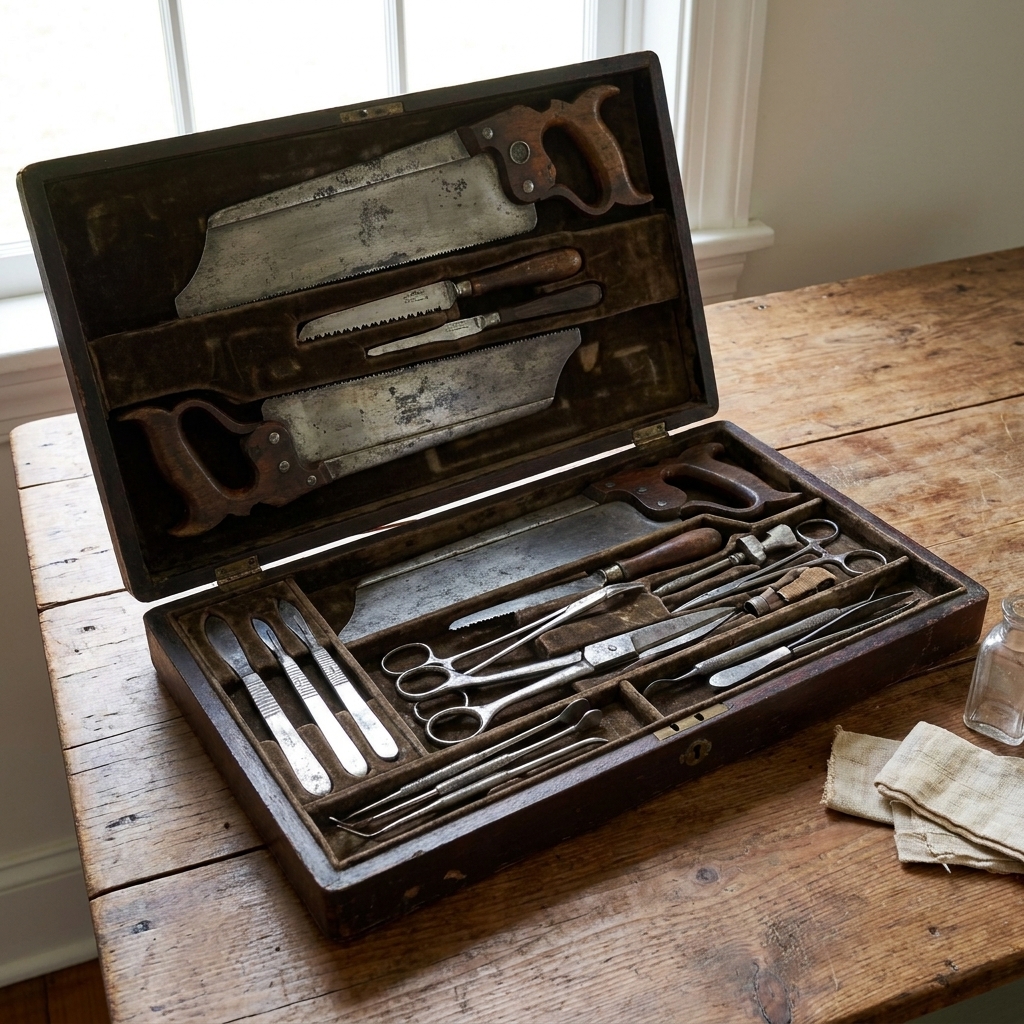
Common instruments you would have seen
- Amputation saws: larger bone saws for major limbs and smaller versions for more delicate work.
- Knives and scalpels: for cutting skin and muscle cleanly before sawing bone.
- Forceps and tenacula: for grasping tissue and handling blood vessels.
- Probes: to trace the path of a ball or locate fragments.
- Tourniquets: to reduce bleeding, though improper use could do harm.
- Needles and silk thread: for ligatures, tying off blood vessels, and closing certain wounds.
Not every surgeon had the same quality of tools. A well-supplied unit might have decent sets. Others, especially later in the war and particularly in the Confederacy, made do with a mix of worn instruments, improvised items, and hard choices about what could be attempted.
Anesthesia
One of the stubborn myths is that Civil War surgery was routinely performed with no anesthesia. In reality, chloroform and ether were widely used when supplies allowed, especially by Union surgeons. Confederate surgeons used them too, but shortages and blockades made consistent access harder as the war dragged on.
Chloroform became especially common because it worked quickly and was easier to administer in crowded conditions. An attendant would hold a cloth or cone near the patient’s face, and the surgeon watched for the change in breathing and the slackening of muscles that meant unconsciousness.
Anesthesia did not make surgery safe. It made it possible. It kept men from thrashing, reduced shock, and allowed surgeons to operate with speed and precision.
Amputation
No single subject in Civil War medicine attracts more dread than amputation. It is also the one most likely to be misunderstood.
The Minié ball changed the math
The soft lead Minié ball, fired from rifled muskets, tended to smash bone rather than drill a clean hole. A limb hit hard could become a mess of splinters, torn muscle, and embedded cloth. A shattered femur or humerus was not just broken. It was contaminated and unstable.
Infection was the real killer
Surgeons did not yet understand germs in the modern sense. Antiseptic practice existed in scattered forms, but it was not standardized early in the war. When bone was pulverized and tissue was devitalized, infection was likely. Removing the limb quickly could, in some cases, reduce the burden of dead tissue and lower the risk of runaway infection later.
Timing mattered
A “primary” amputation, done soon after injury, often had better odds than waiting days. Delay meant swelling, infection, and weaker patients.
None of this turns amputation into something noble. It was terrible. But on a chaotic day with hundreds of wounded, it was often the most realistic attempt at survival.
What wounds looked like
The surgical tables saw every kind of damage a 19th-century battlefield could produce.
- Limb wounds: extremely common, and often survivable if bleeding could be controlled and infection avoided.
- Chest wounds: unpredictable. Some men lived with a ball lodged inside for years, others died quickly from collapsed lungs or internal bleeding.
- Abdominal wounds: frequently fatal, because surgery inside the abdomen was limited and infection nearly inevitable.
- Head wounds: ranged from superficial scalp cuts to catastrophic skull fractures.
- Bayonet and saber injuries: less common than legend suggests, but they occurred, especially in close fighting and cavalry actions.
Even “small” wounds could turn lethal once infection took hold. A ball through a shoulder that missed major vessels might look manageable on day one and become a death sentence by day five.
Infection and gangrene
If you want one sentence that explains Civil War medicine, it might be this: surgeons could cut fast, but they could not reliably stop infection.
What they called it
Terms like “hospital gangrene,” “pyemia,” and “erysipelas” appear again and again in reports. Doctors observed patterns: foul odor, blackened tissue, spreading redness, fever, delirium. They knew crowded wards and dirty bedding made things worse. They did not yet have the full explanation for why.
What they tried
- Cleaning and ventilation: opening windows, spacing beds, moving patients when possible.
- Wound washing: water, sometimes alcohol or other solutions.
- Cauterization: chemical or hot iron in some situations, meant to control bleeding or destroy infected tissue.
- Isolation: attempts to separate gangrene cases, though this was difficult in makeshift hospitals.
The tragedy is that many of the right instincts were there, especially later in the war. The tools of bacteriology and antibiotics were not.
Medicines on the table
There was no single “Civil War medicine cabinet,” but there were common staples, carried in medical wagons when wagons could get through.
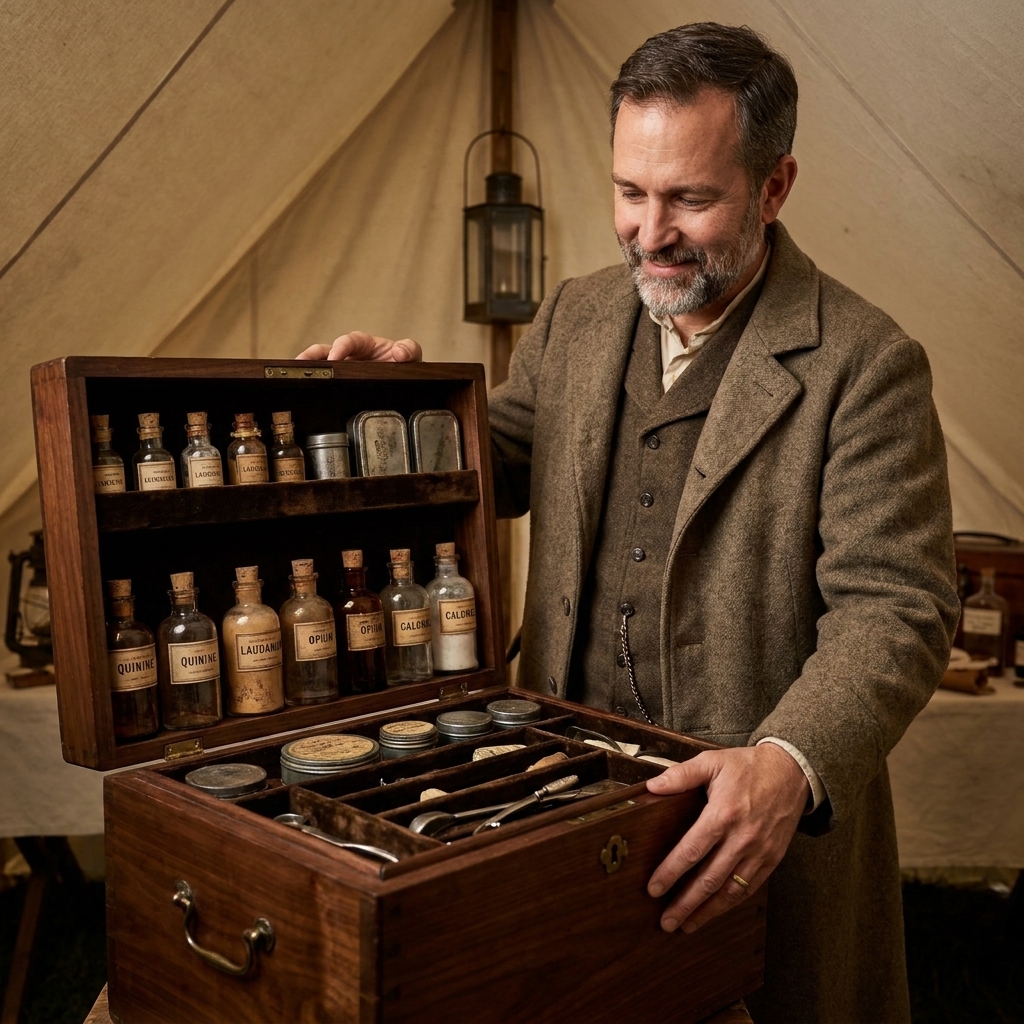
- Morphine and opium preparations: for pain, dysentery, and to calm patients. Morphine was a godsend, and it also contributed to postwar dependence for some veterans.
- Chloroform and ether: anesthesia agents.
- Quinine: used against malaria and fevers, especially in swampy or southern environments.
- Calomel and other purgatives: mercury-based medicines were still used early on, though many doctors became more cautious as the war progressed.
- Whiskey and brandy: as stimulant, pain relief, and comfort.
- Bandages and lint: sometimes made from whatever cloth could be gathered, including torn sheets and donated garments.
It is worth saying plainly: some treatments helped, some were neutral, and some likely harmed. The men providing them were not fools. They were practicing in the transition zone between older medicine and the modern world.
Nurses and caregivers
Surgeons tend to get the spotlight, but a field hospital ran on sheer human labor.
Army hospital stewards and orderlies
These men managed supplies, assisted surgeries, dressed wounds, and handled the endless unglamorous tasks: hauling water, cleaning, carrying bodies. Many became highly skilled through repetition.
Female nurses and relief workers
In Union service, organized nursing expanded dramatically, shaped by figures like Dorothea Dix and by large civilian efforts such as the U.S. Sanitary Commission. Confederate nursing also grew, often under harsher supply conditions. Women served in hospitals, in transport, and sometimes close enough to the front to be in genuine danger.
Chaplains and volunteers
They wrote letters, prayed with the dying, and in many cases simply stayed near men who were terrified to be alone.
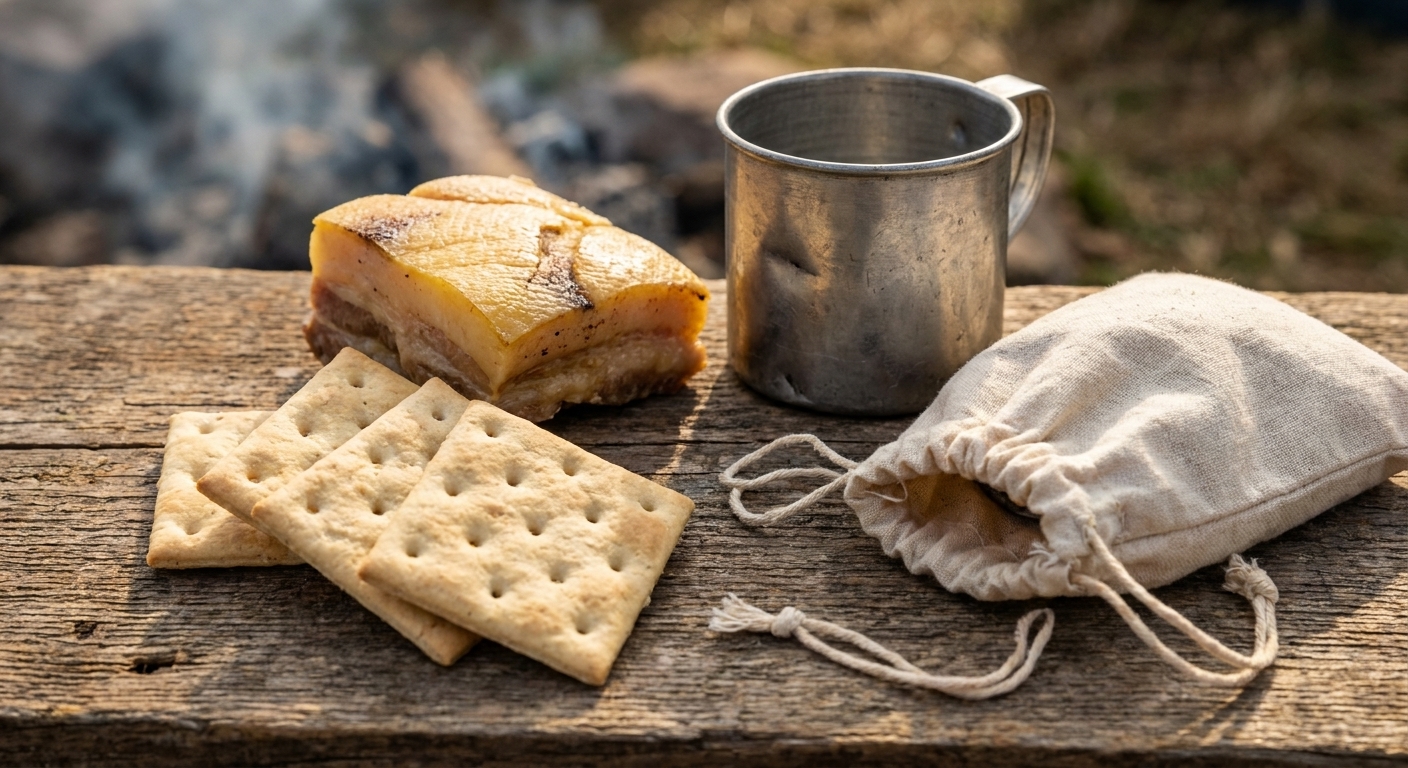
If you want to understand what those soldiers carried into the hospital, and what their bodies were running on even before they were wounded, it helps to read Civil War soldier rations. Hunger and malnutrition shaped recovery in ways we can easily overlook.
Union and Confederate reality
It is tempting to talk about “Civil War medicine” like both sides lived in the same supply world. Early on, they often did. As the war went on, the gap widened.
Union medical services generally improved with steadier supply lines, rail access, and a growing institutional structure. Confederate doctors could be skilled and experienced, but they worked under tightening shortages. Medicines like quinine became harder to come by, substitutes appeared, and even basics like bandaging material could become an anxious question. That did not change a surgeon’s hands. It changed what those hands could reach for.
Food, water, sanitation
A wounded man does not heal on bravery alone. He needs calories, clean water, and a relatively stable place to rest. Field hospitals struggled with all three.
- Water: a blessing and a danger. Springs and streams were essential, but they were also contaminated by camps, livestock, and decomposing remains.
- Food: broth, bread, coffee, sometimes milk, sometimes whatever could be obtained from nearby farms or supply trains.
- Sanitation: latrines, disposal pits, and bedding changes were constant battles against time and manpower.
When you read hospital reports, you can feel how often the medical story becomes a logistics story. A surgeon could know exactly what a man needed and still fail him because there were no clean bandages left by midnight.
Transport
The field hospital was rarely the end point. Men who could be moved were evacuated to larger facilities, sometimes by wagon, sometimes by railroad, and in some theaters by hospital ships on rivers and along the coasts.
Roads mattered. Weather mattered. A simple rain could turn evacuation into misery, with wagons bogging down and men jolting over ruts for hours. In cold weather, shock and exposure could be as deadly as the wound itself.
This is one reason I always tell people that battlefield travel is not just about monuments. It is about terrain. When you walk it, you notice the low spots that flood, the narrow bridges, the steep climbs. If you enjoy that kind of ground-truth approach, start with our battlefield travel guide and build your next trip around the landscape itself.
Survival and recovery
Survival rates varied widely depending on the wound, the speed of treatment, the season, and sheer luck. A clean amputation performed quickly with good aftercare could be survivable. A similar wound treated late in a crowded hospital could end in gangrene.
And then there was the long tail. “Recovered” could mean:
- a missing arm and a lifetime of altered work
- chronic pain and recurring infection
- lung damage from a chest wound that never fully healed
- opiate dependence after months of morphine
- psychological scars, though they did not call it that in the 1860s
When you read pension files or late-war letters, you see how a single afternoon of gunfire could echo for forty years.
Seeing it on the ground
Many battlefield parks mark hospital sites, but even when they do not, you can often make an educated guess about where one stood.
- Look for water: a spring, creek, or reliable well.
- Look for cover: shade trees, barns, churchyards, or sheltered folds in the ground.
- Look for access: proximity to roads or farm lanes that wagons could use.
- Look for separation: not too close to the fighting, but close enough that the wounded could reach it.
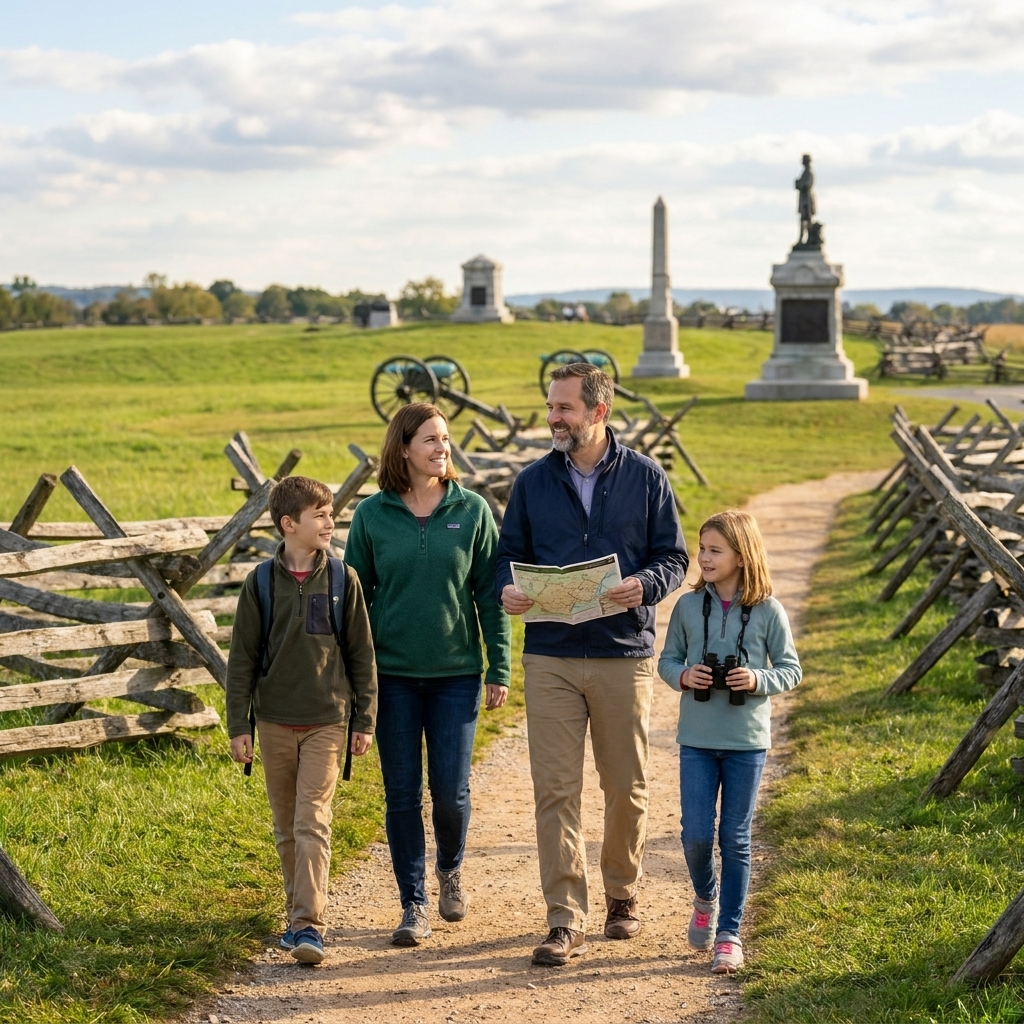
If you travel with children or first-timers, these sites can be emotionally heavy. I have found it helps to frame the stop around care and human effort, not gore. Our piece on keeping kids engaged on a battlefield trip has a few practical ways to do that without turning history into spectacle.
Frequently asked questions
Did Civil War surgeons wash their hands?
Sometimes, yes, but not with a consistent germ theory understanding. Surgeons might rinse hands and instruments, especially if visibly soiled, and some emphasized cleanliness. But standardized antiseptic technique was not yet widespread, and crowded conditions often overwhelmed good intentions.
Were instruments reused without cleaning?
They were reused constantly. Instruments might be wiped or rinsed between cases, but thorough sterilization as we understand it did not exist in the field. This was one reason infection spread so easily.
How fast could an amputation be done?
Experienced surgeons could work very quickly, sometimes in minutes, especially for a straightforward limb removal. Speed reduced suffering and shock, but it could not erase the infection risks that came afterward.
Was nursing mostly volunteer work?
It included a mix: enlisted hospital staff, contracted workers, religious and charitable groups, and organized nursing efforts. Women played an increasingly significant role, especially in larger hospitals, and their work often extended from bedside care to supply management and writing letters for wounded men.
A quiet place
When I walk a battlefield, I try to pause at the places where the wounded would have collected. You can still find the practical logic in the land: the shade, the water, the nearby road. It is sobering to realize how thin the line was between life and death, and how much of that line depended on mud, daylight, wagon wheels, and whether a bottle of chloroform had run dry.
The men and women in those improvised hospitals were not practicing modern medicine. They were practicing their medicine under pressure that is hard to imagine. And sometimes, against all odds, it worked.
For more stories that live in the space between the battlefield and the home front, visit our hub on Civil War Life.