A ground-level comparison of Ulysses S. Grant and Robert E. Lee—how they thought, issued orders, handled risk, and managed logistics from Vicksburg to Peters...
Why McClellan Hesitated in the Peninsula Campaign

Silas Weaver
Silas Weaver has spent decades exploring historic battlefields, reading primary journals, and tracking down the lesser-known stories of the American Civil War. His lifelong passion for 19th-century history comes through in his engaging accounts of the places, people, and lingering questions of the era. He believes that walking the actual grounds where history happened is the best way to truly connect with the past.
Published · Last updated
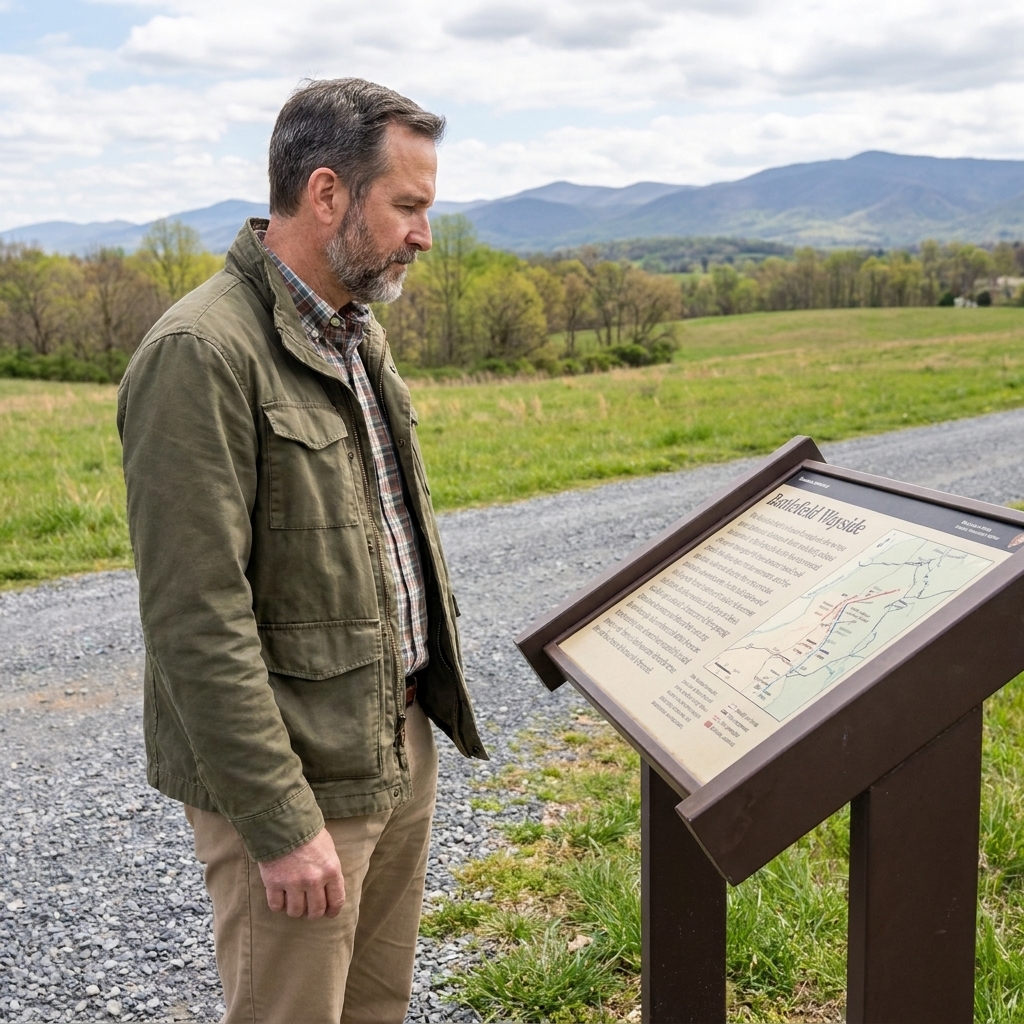
The first time I stood on the damp, low ground around Yorktown, I understood why the Peninsula Campaign can feel like a dream that keeps slipping away. Everything is close. The rivers pinch you. The roads turn to glue after rain. The tree lines hide distance and numbers. And in 1862, that landscape did something even more powerful than slow an army. It fed a commander’s imagination.
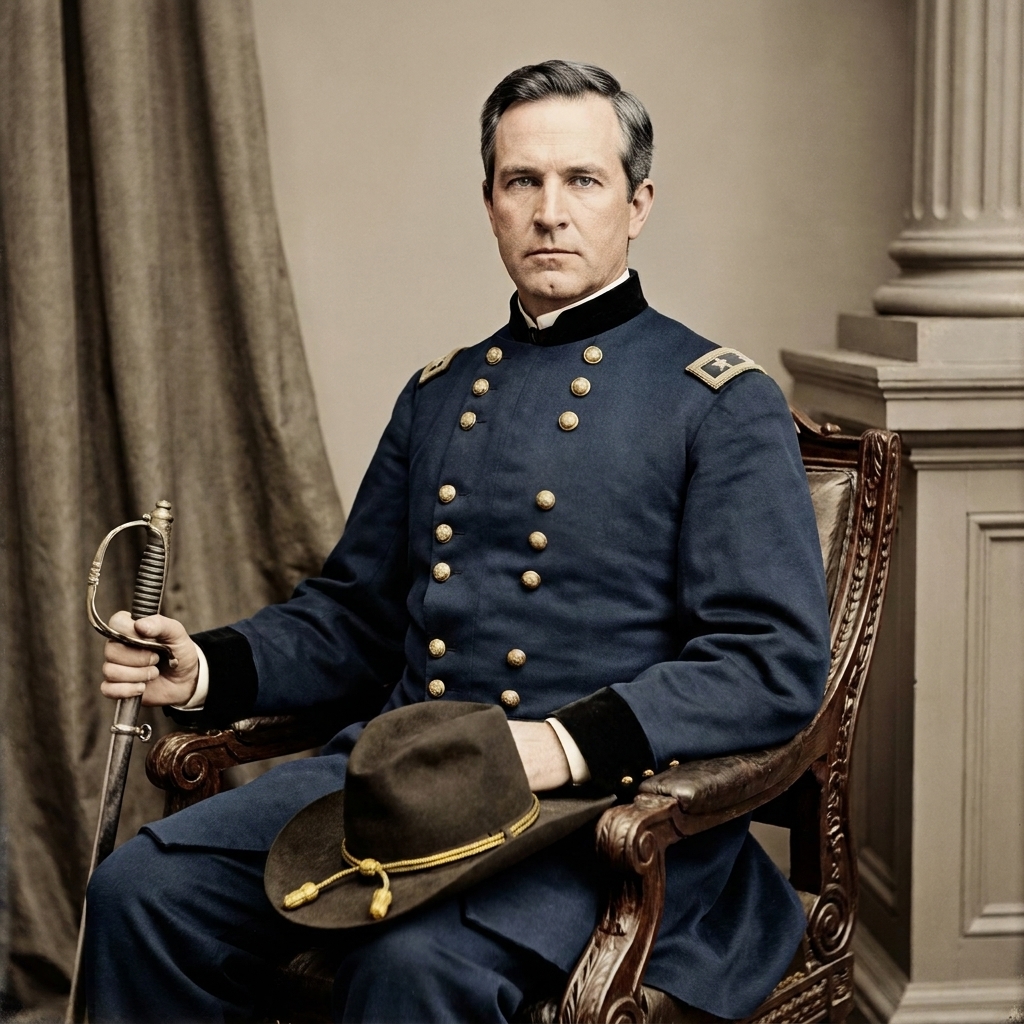
George B. McClellan was not a coward, and he was not an idiot. He was, in many ways, exactly the kind of man a young nation thought it wanted. Organized. Methodical. Brilliant at building an army. Beloved by his soldiers. But on the Peninsula, when the moment called for aggression and speed, he hesitated. That hesitation became his legend.
To make sense of it, I try to do what the best diaries do: strip away the hindsight and sit with the uncertainty. McClellan was not operating with a tidy map and a clean enemy strength report. He was operating inside a fog of imperfect intelligence, political pressure, and his own temperament, with the weight of the Union cause sitting squarely on his shoulders.
The Peninsula plan and its nerve
McClellan’s concept in early 1862 was not foolish. Move the Army of the Potomac by water to the Virginia Peninsula, establish a secure supply base on the tidewater rivers, and advance on Richmond. On paper it promised a way to outflank the familiar overland approaches through northern Virginia and avoid having Washington tugging at his elbow mile by mile.
It also came with a catch. The approach up the Peninsula was not a clean corridor “between” the York and James the whole way. In practice, the York River and then the Pamunkey River became his main supply lifeline as the army pushed inland toward the Chickahominy. Only later, after the campaign turned violent and chaotic near Richmond, did the Union supply focus shift toward the James.
But the plan had an unforgiving requirement: once you committed, you had to keep committing. The Peninsula is a funnel. Every delay gives the defender time to strengthen works, shift troops by rail, and choose where you will bleed. McClellan’s caution was therefore not a small flaw. It was a mismatch between temperament and operational design.
If you are newer to Civil War command personalities, our broader overview of Union and Confederate leaders is a helpful starting point: /guide-generals/.
Reason one: he thought he was outnumbered
If you want a single lever that moved McClellan’s mind, it is this: he consistently believed the Confederates had far more men than they actually did. That belief did not come from nowhere. It came from a system that rewarded scary numbers.
Pinkerton and the intelligence trap
McClellan relied heavily on Allan Pinkerton and a small intelligence apparatus that tried to estimate enemy strength using interrogations, rumor, prisoner statements, and civilian talk. The problem is that rumor does not average out into truth when everyone has an incentive to exaggerate. Prisoners repeated what they heard. Civilians repeated what frightened them. Units could be reported in ways that effectively double-counted them as they shifted, reappeared, and were described differently from one day to the next.
On the Peninsula, Confederate commanders also helped the illusion along. Limited forces were displayed in ways that suggested larger ones, and the defenses were arranged to look more fully occupied than they were.
Yorktown and battlefield theater
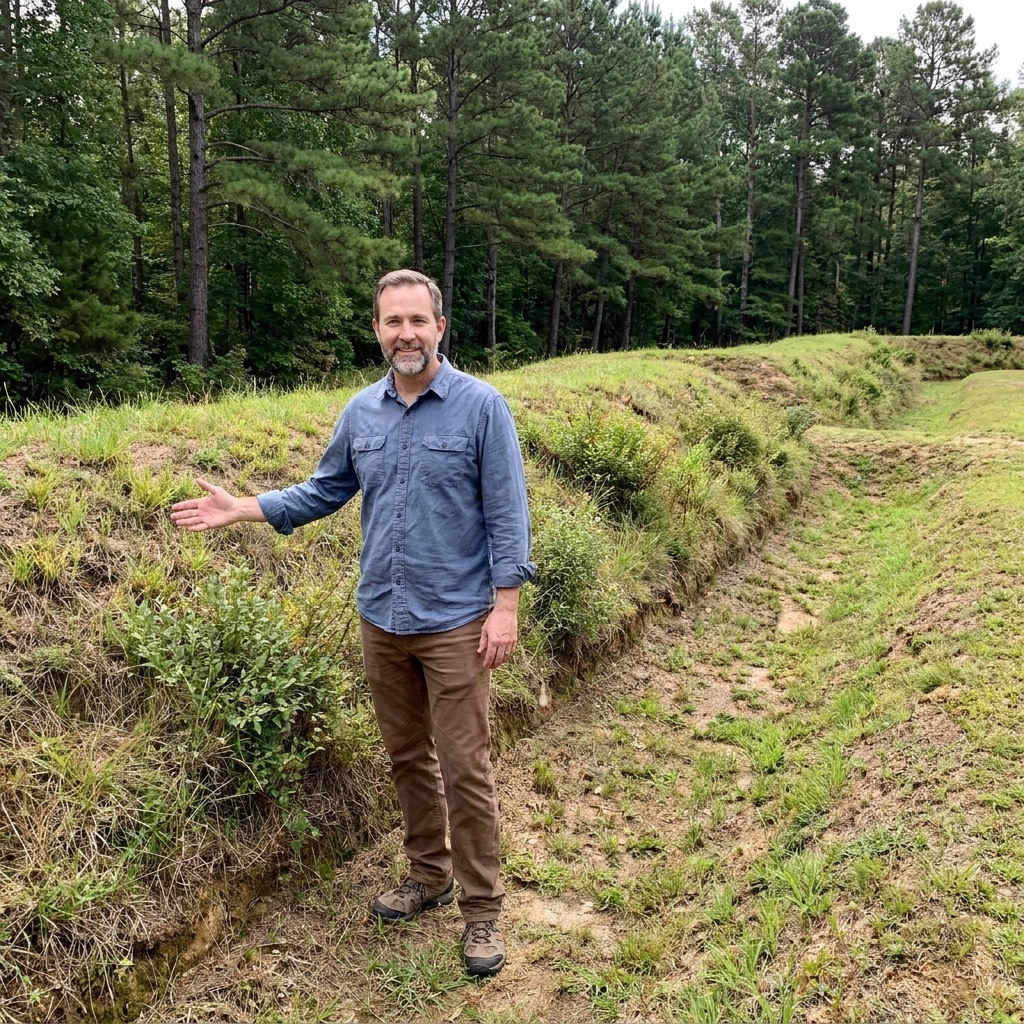
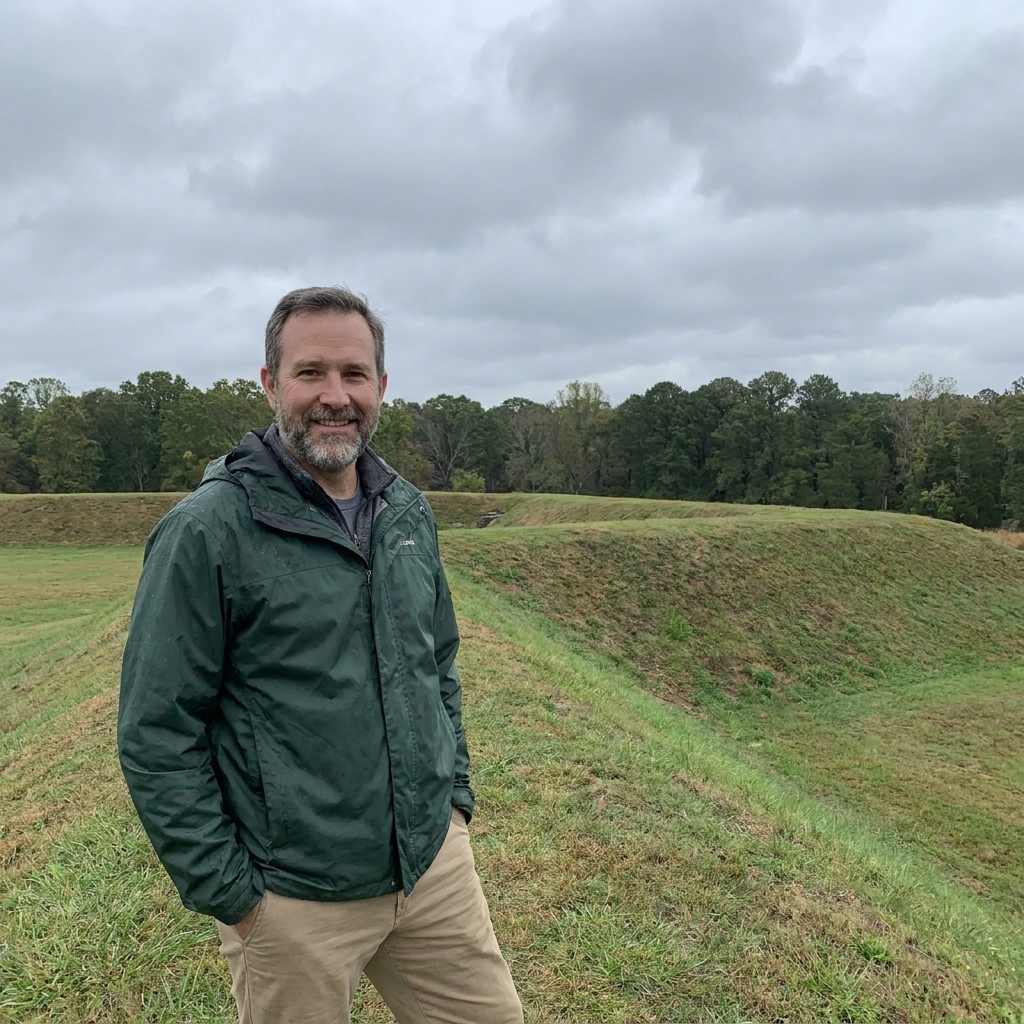
Yorktown is one of the places where the campaign’s tempo broke. McClellan came up against fortified lines on April 5, 1862, accepted the picture that he faced a very large army behind strong works, and chose siege operations. Earthworks went up. Heavy guns were brought forward. The calendar kept moving.
From the Confederate side, the line was held in part by performance as well as steel. The famous “Quaker guns,” logs painted to resemble artillery, did not win the position by themselves, but they fit the larger purpose: make the works seem bristling, make the Union commander feel watched and threatened everywhere at once. McClellan saw a trap because he expected one.
Reason two: he feared catastrophe
There is a kind of caution that is just slow thinking. McClellan’s was different. It was the caution of a man terrified of losing in a way that could not be repaired.
In 1862, the Union cause still felt breakable. McClellan believed the Army of the Potomac was the nation’s main instrument of victory. If it were shattered, what then? Another army could be raised, yes, but not quickly, and not with the same political patience behind it.
This produced an ugly incentive. A commander who believes he cannot be allowed to fail becomes reluctant to take the very risks that make success possible. McClellan often behaved as if his primary mission was to avoid a disaster that would make him the man who “lost the war.” That is not how campaigns are won, but it is very much how cautious campaigns are managed.
Reason three: builder, not wielder
McClellan’s gifts were real. He transformed a demoralized force into a drilled, supplied, confident army. Soldiers adored him for it. He knew how to organize corps, improve camps, impose standards, and demand better logistics. Those are not small things. In a modern sense, he was an exceptional administrator and trainer.
But field command asks for different muscles. It asks you to accept incomplete information, strike anyway, and let the chaos play out. It asks you to decide quickly and live with the consequences.
On the Peninsula, McClellan often drifted back into the habits that had served him in Washington: perfect the plan, improve the position, wait for all pieces to align. Against an opponent who was learning quickly and moving fast, that approach bled initiative away day by day.
Reason four: Washington pulled the strings
McClellan’s relationship with the Lincoln administration was poisonous, and it mattered operationally. He did not trust Washington. Washington did not trust him. That lack of trust turned every request for men, every worry about the capital, and every troop movement into a political fight.
Detached forces and the capital panic
McClellan believed, with some reason, that Washington was exposed. He also believed he was being denied troops that were “rightfully” part of his army. The most painful example was the force he expected to receive from Irvin McDowell, a corps that never joined him on the Peninsula as Washington reacted to threats closer to home, including Stonewall Jackson’s Valley Campaign. Whether you agree with McClellan or not, you can see what it did to him: it made him feel he must be conservative because the government itself might not support him in a crisis.
When you read his dispatches, a pattern emerges. The enemy is always strong. Reinforcements are always needed. The margin for error is always razor thin. That narrative served a strategic purpose, too. It insulated him from blame if things went wrong.
For readers planning to explore the human side of how armies and governments collide, our broader guide is here: /guide-civil-war-life/.
Reason five: he misread Lee
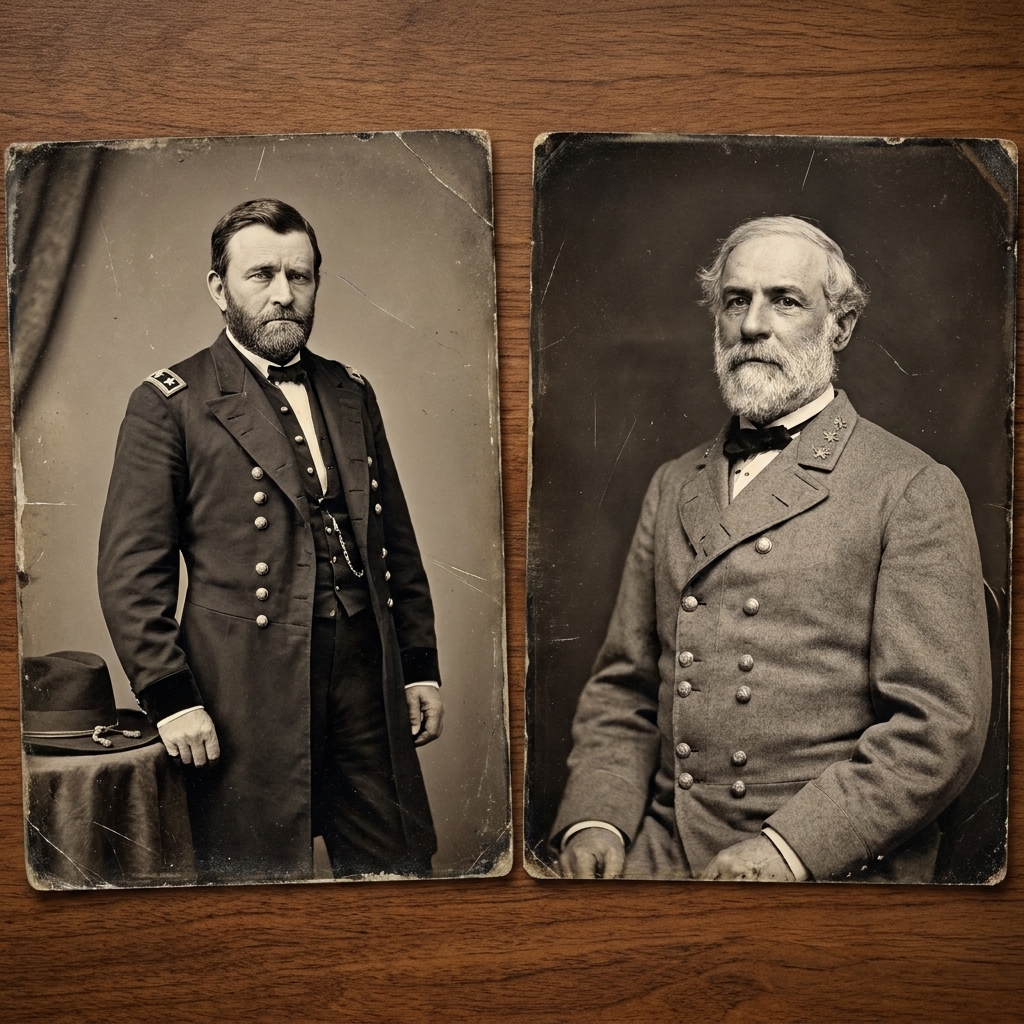
For part of the campaign, McClellan faced Joseph E. Johnston, a cautious commander in his own right. Then came Robert E. Lee, and with him a different kind of war. Lee accepted risk. He attacked. He moved. He used audacity as a weapon.
McClellan tended to interpret Confederate aggression as proof of Confederate strength. If Lee attacked hard, McClellan concluded Lee must have large reserves. In reality, Lee was often betting heavily with limited means, trying to seize the initiative and break McClellan’s rhythm. That is why calling the Peninsula a gambler’s campaign is not just rhetoric. Lee repeatedly staked the army’s safety on timing and nerve, and he kept doing it until McClellan began to yield ground.
The Seven Days Battles in late June and early July are where this mismatch becomes clearest. McClellan’s army fought well tactically in several engagements, but operationally he surrendered the initiative. Lee’s violence and momentum convinced McClellan that retreat was prudent. Once the retreat began, it was difficult for McClellan to reverse it psychologically, even when opportunities flickered.

Reason six: mud, rivers, and supply
If you have ever tried to walk the Peninsula backroads after a hard rain, you know they do not forgive. In 1862, the Army of the Potomac had to haul food, ammunition, tents, tools, pontoons, medical supplies, and siege guns through a region crisscrossed by swamps and creeks. The roads were narrow, rutted, and easily jammed.
Then there was the Chickahominy River, the kind of waterway that looks manageable until it decides not to be. Flooding and bad crossings helped split Union forces on opposite banks at key moments, turning coordination into a daily argument with the weather. Even when McClellan wanted to move, the ground and the water asked their own questions first.
McClellan also carried a powerful logistical idea in his head: that steady supply and strong communications were the difference between a professional army and a mob. He was not wrong. But his insistence on secure logistics often translated into a cautious operational pace. He was always protecting his line of supply, always worried about his flanks, always anticipating a sudden blow that would cut him off.
Lee, fighting closer to Richmond, could often exploit shorter interior movements once the armies were in that tightening ring around the city. McClellan, farther from his political base and dependent on water transport and fragile roads, often felt he could not accept the same disorder.
If you want to think like a battlefield traveler, not just a reader, we have a practical approach to planning your stops and timing here: /plan-a-civil-war-battlefield-day/.
Reason seven: control felt like safety
It is tempting to reduce McClellan to a caricature: the overcautious general who always wanted “just a few more men.” But the more useful question is why caution felt rational to him.
McClellan had a deep confidence in his own ability to prepare and organize, paired with a deep anxiety about the unknown. He preferred situations where he could control inputs. Clear numbers. Clear lines. Clear responsibilities. War on the Peninsula did not offer him that. It offered shifting reports, political interference, and an enemy who actively tried to confuse him.
In that environment, building entrenchments, waiting for siege guns, and requesting reinforcements gave him something emotionally valuable: control. They were actions that made him feel less exposed. In a narrow personal sense, hesitation can be a form of self defense.
What he got right
It is easy, with hindsight, to treat the Peninsula as a morality play about caution. But if we want to learn from it, we should admit what McClellan did well, including early operational achievements that are easy to forget because the ending was so bitter.
- He moved an enormous army by water. The amphibious shift to Fort Monroe and the opening advance were real feats of organization.
- He forced a withdrawal from Yorktown. The Confederates left the line on May 3 to 4, 1862, in part because they could not hold it forever against the mass building in front of them.
- He created a fighting army. The Army of the Potomac’s professionalism did not appear by magic. His organizational work mattered long after he was gone.
- He generally avoided reckless slaughter. In an era that could waste men with shocking indifference, McClellan genuinely cared about his soldiers and tried not to throw them away.
- He recognized the importance of logistics. Many generals learned that lesson the hard way. He started with it.
The tragedy is that these strengths did not translate into the kind of sustained operational boldness the Peninsula demanded. His care for the army, mixed with fear of catastrophe, made him reluctant to gamble. And against an opponent willing to bet, that reluctance was costly.
If he moved faster, would Richmond fall?
That is the question everyone asks around campfires and museum displays, and I have asked it myself while looking across those quiet Virginia fields.
A faster McClellan might have done better at two key moments: pressing harder after Yorktown and driving more aggressively in the weeks when Johnston’s army was still reacting and repositioning. More speed could have reduced Confederate time to concentrate and dig. It could have forced Johnston or Lee into uglier choices, earlier.
But “faster” is not a magic word. Even a bolder McClellan still faced ugly realities: difficult terrain, fragile lines of communication, divided Union command priorities, and an enemy defending its capital with increasing desperation. Richmond was not a solitary prize sitting on an open table. It was the center of gravity for the Confederacy in Virginia, and it would have been fought over viciously.
So my answer is cautious, fittingly enough. McClellan’s hesitation likely reduced his chances significantly. It did not guarantee failure on day one, and boldness did not guarantee victory. What it did do was allow Lee time to become Lee, and that time was worth divisions.
Seeing it in his mind
When I travel, I try to give myself one assignment at each stop: stand still long enough for the place to start arguing with the story you brought with you. The Peninsula argues loudly.
It tells you how easy it is to believe a hidden enemy is larger than he is. It tells you how rain and mud can feel like enemy regiments. It tells you how fortifications bend a commander’s mind, especially one already inclined to caution. And it tells you that, in war, delay is never neutral. Delay is a gift you hand to the other side.
McClellan hesitated for reasons that were, to him, rational: bad intelligence, political distrust, fear of national catastrophe, logistical vulnerability, and a personality built for control. Put them together in the swampy funnel of the Peninsula, and you get the campaign we still argue about.
For more context on visiting and interpreting Civil War sites without losing the human thread, see: /guide-battlefield-travel/.