A practical 3-day Virginia battlefield loop based in Fredericksburg: Marye’s Heights, Chancellorsville, the Wilderness, and Spotsylvania’s Mule Shoe and Bloo...
Grant vs. Lee: Two Command Styles, One War

Silas Weaver
Silas Weaver has spent decades exploring historic battlefields, reading primary journals, and tracking down the lesser-known stories of the American Civil War. His lifelong passion for 19th-century history comes through in his engaging accounts of the places, people, and lingering questions of the era. He believes that walking the actual grounds where history happened is the best way to truly connect with the past.
Published · Last updated
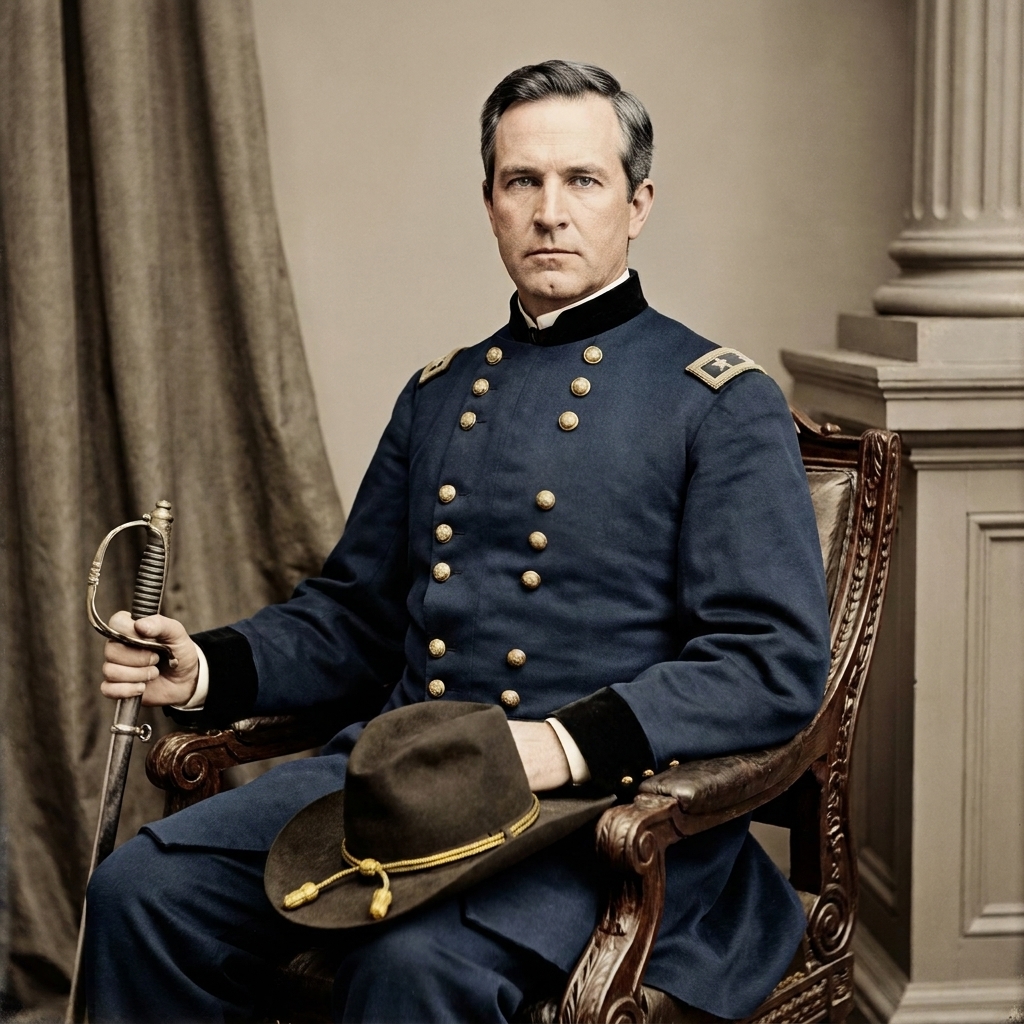
I have stood on enough windy ridgelines and muddy low ground to know this much: two men can look at the same battlefield and see two completely different wars. When I walk the Overland Campaign sites in Virginia, I always feel that tug of contrast. Ulysses S. Grant brought a hard, workmanlike pressure. Robert E. Lee carried a gambler’s eye for timing and audacity. Both could be brilliant. Both could be stubborn. And both commanded armies that paid for every decision with blood.
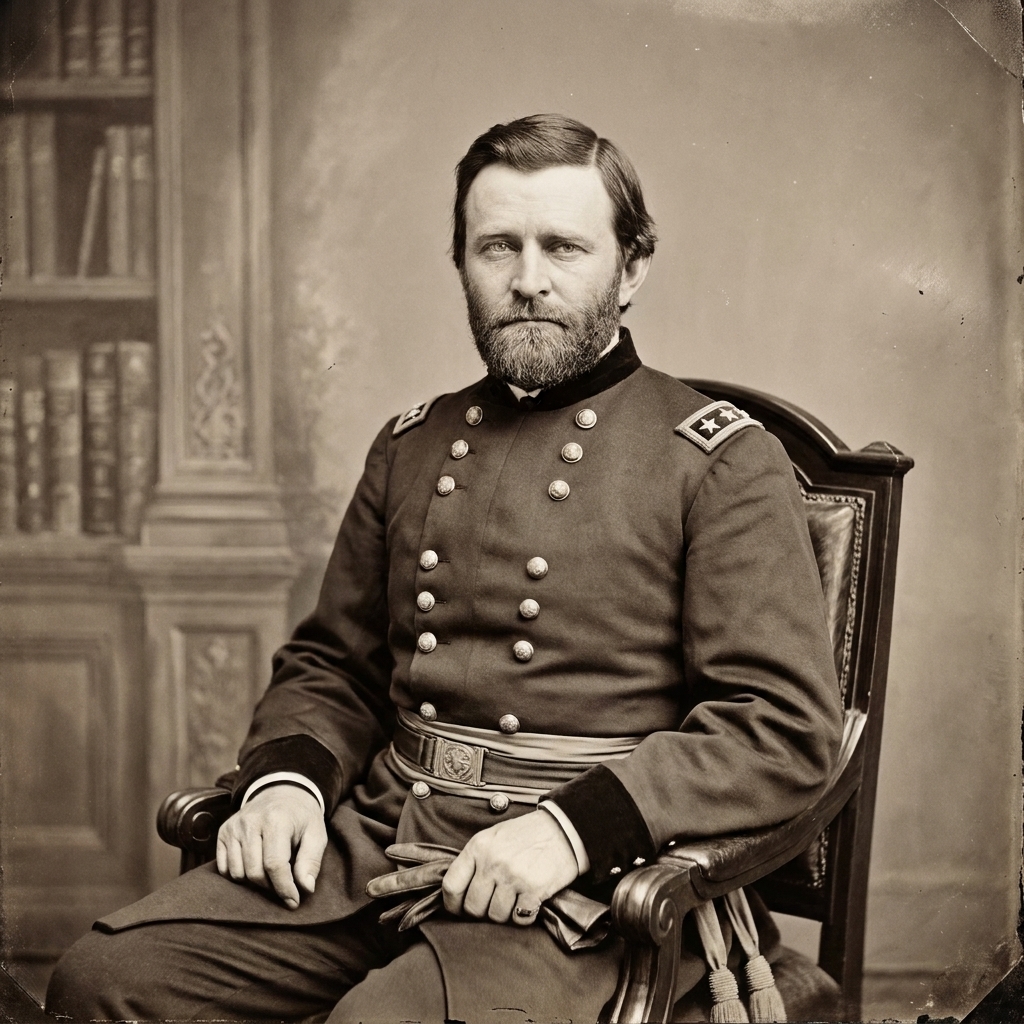
What follows is not a tally of wins and losses. It is a look at how each man thought, how he communicated, what he demanded from subordinates, and how his style shaped the lives of the soldiers doing the actual marching and dying.
Where their styles came from
Grant: practical, quiet, and relentlessly focused
Grant’s best-known quality is persistence, but the more revealing trait is his clarity. He tended to reduce a messy situation to a few essential facts: Where is the enemy? What do I need to keep him from doing? What roads, rivers, and rail lines matter? Then he acted, usually without flourish.
His Western war experience mattered here. The Mississippi, the long supply lines, the joint Army-Navy cooperation at places like Vicksburg, and the need to coordinate multiple columns taught him to think in systems, not single set-piece battles. If you want a deep dive into that Western campaign mindset, our piece on the Siege of Vicksburg is a good companion read.
Lee: aggressive, intuitive, and built for maneuver
Lee came into high command with a reputation for engineering, staff work, and battlefield courage. He also inherited an Army of Northern Virginia that, early on, could move fast and hit hard. Lee’s style fit that tool perfectly. He trusted bold movement, concentrated force, and the fighting quality of his veterans to unbalance larger Union armies before they could fully apply their numbers.
Where Grant often looked like a man solving a problem, Lee often looked like a man reading a situation. That “read” could be dazzling. It could also be costly when the assumptions behind it failed.
Leadership in camp and battle
Grant’s steadiness: the calm center
Grant did not inspire with theatrical speeches. He inspired by being hard to rattle. Soldiers noticed that. Subordinates noticed it too. When things went wrong, he was less likely to explode than to adjust, reinforce, and keep the larger plan moving.
That steadiness had a management side: Grant generally expected officers to execute once he set the direction, not re-litigate it in the field. When an officer could deliver, he protected him and used him hard. When one could not, Grant could cut bait. John A. McClernand’s removal after Vicksburg is the clearest example of Grant’s willingness to end a command relationship that had become more trouble than value.
Lee’s personal bond: beloved, but not boundless
Lee inspired devotion in a way few commanders ever manage. Many Confederates did not merely respect him, they loved him. He cultivated that bond through visible personal courage, courtesy, and an almost pastoral concern for his men’s welfare, at least as they perceived it.
But that image has limits. Even when Lee worried over rations and shoes, he still chose offensives that spent men the Confederacy could not truly replace, and he sometimes held ground longer than the army’s condition could comfortably bear. Admiration and exhaustion lived side by side in the ranks.
When the shooting started
Grant’s preference: pin, turn, and keep moving
Grant is often caricatured as a blunt instrument, but his better operations show a commander who liked to fix an enemy in place and then move around him. In the West, that meant rivers and railroads. In Virginia, it meant roads, crossroads, and the constant hunt for Lee’s flank and communications.
In the Overland Campaign, terrain often punished maneuver, especially in the Wilderness. When battles became brutal, close-range slugging matches, Grant did not quit the field. Instead, he shifted laterally, trying again. The rhythm was pressure, shift, pressure, shift. And the moment many soldiers remembered, and Lee’s scouts recognized, came after the Wilderness when Grant moved south instead of retreating back across a major river line. It signaled a new kind of Union persistence in the East.
Grant also made mistakes, and he knew it. Cold Harbor is the unavoidable example: a costly assault against strong defensive works that produced little. It does not cancel his strategic logic, but it does underline that “relentless” was not always the same thing as “right.”
Lee’s preference: seize initiative with hard blows
Lee’s battlefield style leaned toward taking the initiative, even when outnumbered. He looked for moments when an opponent was split, slow, or overconfident, then struck hard enough to create panic and disorder.
At his best, Lee used interior lines and fast marches to bring force to a threatened point, then counterpunch. He also relied heavily on his senior lieutenants to translate his intent into action. When that system worked, it was deadly. When communication broke down, or when subordinates were absent, wounded, or simply not equal to the moment, Lee’s aggressiveness could become a lunge into uncertainty. Gettysburg remains the best-known case, but the pattern appears elsewhere: bold intent, friction in execution, and a bill that the army had to pay in veterans.
Managing the long war
Grant fought like a man who could be supplied
One of the least glamorous differences between the two commanders is also one of the most decisive: Grant generally operated in a world where rails, rivers, and factories could be bent to his purpose. Even when supply was hard, he had national infrastructure behind him. That did not make his choices painless, but it made sustained operations possible.
This matters when people argue about “attrition.” Grant did not invent casualty lists. He understood, coldly, that the Union could replace losses more reliably than the Confederacy could. That reality shaped his strategic aggression in 1864 and 1865.
Lee fought like a man running out of margins
Lee’s logistical world narrowed as the war went on. Shoes, forage, artillery horses, fresh recruits, even reliable food became harder to guarantee. You can read the soldier side of that struggle in our look at Civil War soldier rations. An army’s stomach is not separate from its tactics. Hungry, ragged soldiers cannot march as fast, cannot entrench as long, and cannot recover as quickly.
By late war, Lee’s daring had to coexist with grim arithmetic. Every aggressive battle risked losing irreplaceable veterans. Every retreat risked losing morale, rail hubs, and political confidence. He was squeezed between military necessity and national survival.
Working with subordinates
Grant: clear missions, hard accountability
Grant could delegate widely, but his delegation came with sharp expectations. He tended to be plain in his orders, focused on objectives rather than ornate instructions. In 1864, he coordinated multiple armies across a broad front, expecting other commanders to move when he moved. That kind of synchronized pressure was not always pretty, but it aimed at one goal: keep Confederate forces from shifting freely to rescue each other.
Grant’s willingness to remove underperforming officers is part of this story, but it was not reflexive. He could be loyal and patient when he believed the larger machine was still working. When it was not, he acted. The wartime record shows both sides of that temperament.
Lee: deep trust, sometimes too much
Lee’s command system leaned heavily on trust and personal relationships. With the right lieutenants, it was a force multiplier. But trust can become a blind spot. Lee sometimes issued discretionary orders that assumed subordinates would interpret his intent exactly as he did. When clarity is replaced by assumption, battlefields have a way of collecting misunderstandings.
Also, Lee’s army developed a culture where certain leaders were viewed as indispensable. When the Confederacy lost key senior commanders, replacing their competence and cohesion was far harder than replacing mere numbers.
How they handled risk
Grant’s risk: operational and strategic
Grant took risks, but often at the operational level. He risked marches, crossings, and supply arrangements to gain position. He also risked political backlash by continuing offensive action after costly fights, betting that persistence would matter more than headlines.
To see how Union command caution looked earlier in the war, compare Grant’s tempo with the frustration explored in why McClellan hesitated in the Peninsula Campaign. Grant’s approach was close to the inverse: he accepted imperfect information and moved anyway.
Lee’s risk: tactical and psychological
Lee’s risks were often closer to the line of fire. He trusted offensive battle to create opportunities that numbers alone could not. He also understood the psychological value of making the enemy react. In the Eastern Theater, where newspapers and politics breathed down every campaign, the ability to seize initiative had real strategic consequences.
But tactical risks have a hidden cost. They consume veteran units faster than cautious warfare does. As Confederate manpower tightened, the price of those risks rose.
Myths and reality
- Myth: Grant was only a “butcher.” Reality: Grant used pressure as a tool, but he also maneuvered effectively and understood joint operations, supply, and strategic coordination. His goal was to end the war, not win a prettier battle.
- Myth: Lee was always a flawless tactician. Reality: Lee was frequently brilliant, but he could be overconfident in offensive battle and sometimes vague in orders. His army’s early-war excellence can hide the moments where assumptions failed.
- Myth: Their styles were purely personal. Reality: personality mattered, but so did resources, geography, and the stage of the war. Grant’s North had depth. Lee’s Confederacy had urgency.
See it on the ground
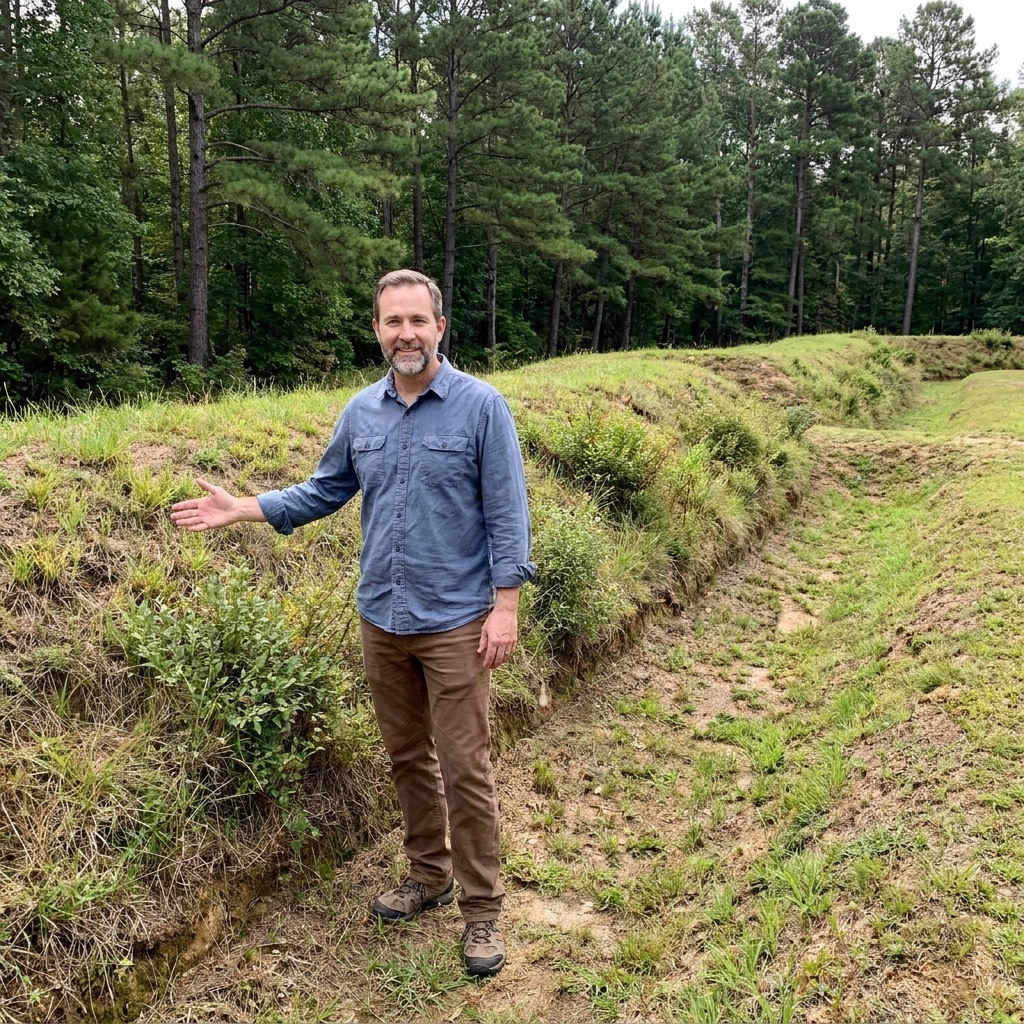
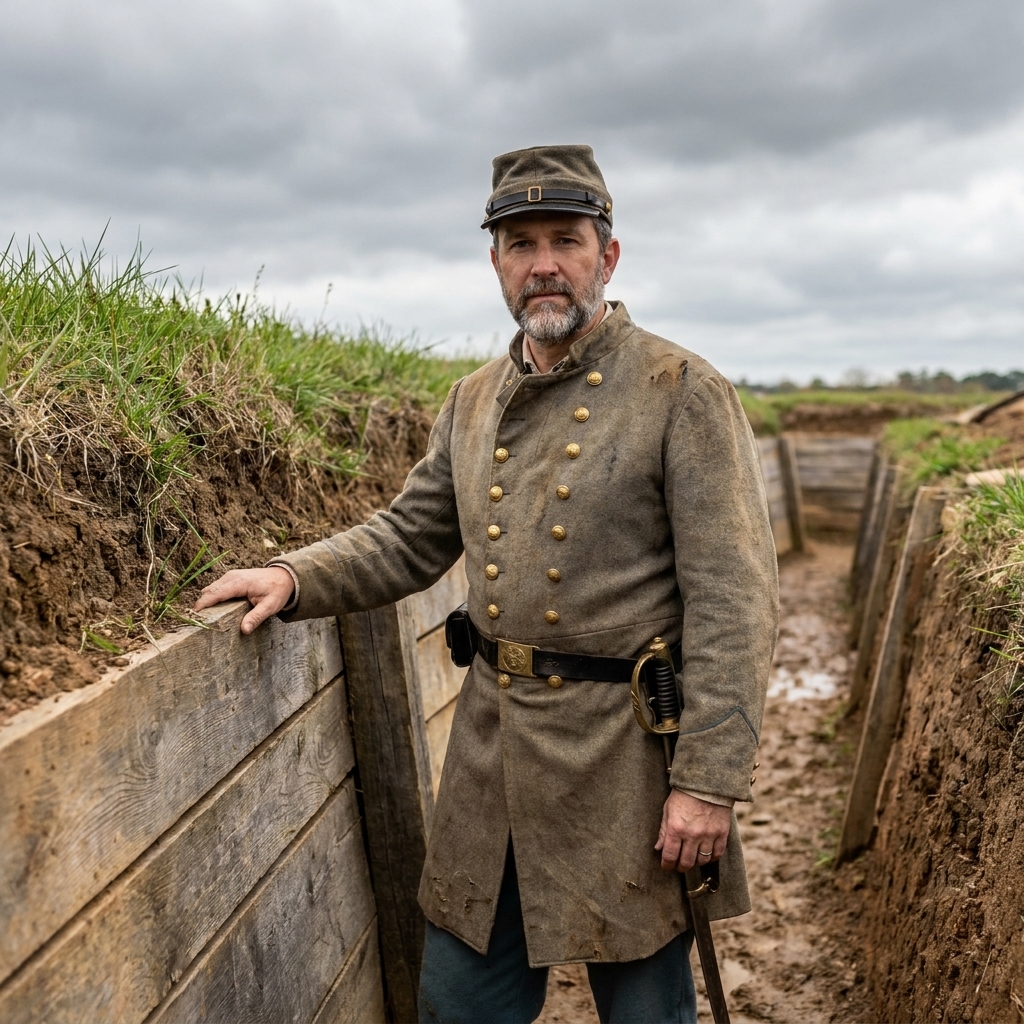
If you want to feel the difference between these men, you can do it with your boots on the ground. Petersburg, for example, shows what sustained pressure and engineering looks like when neither side can easily win in open field. It is also a landscape shaped by railroads and lifelines, with both armies straining to protect or cut the lines that fed Richmond and Petersburg. Walking those trenches makes Grant’s grinding logic and Lee’s defensive improvisation feel very real. Our field guide to exploring the trenches of Petersburg is a good starting point.
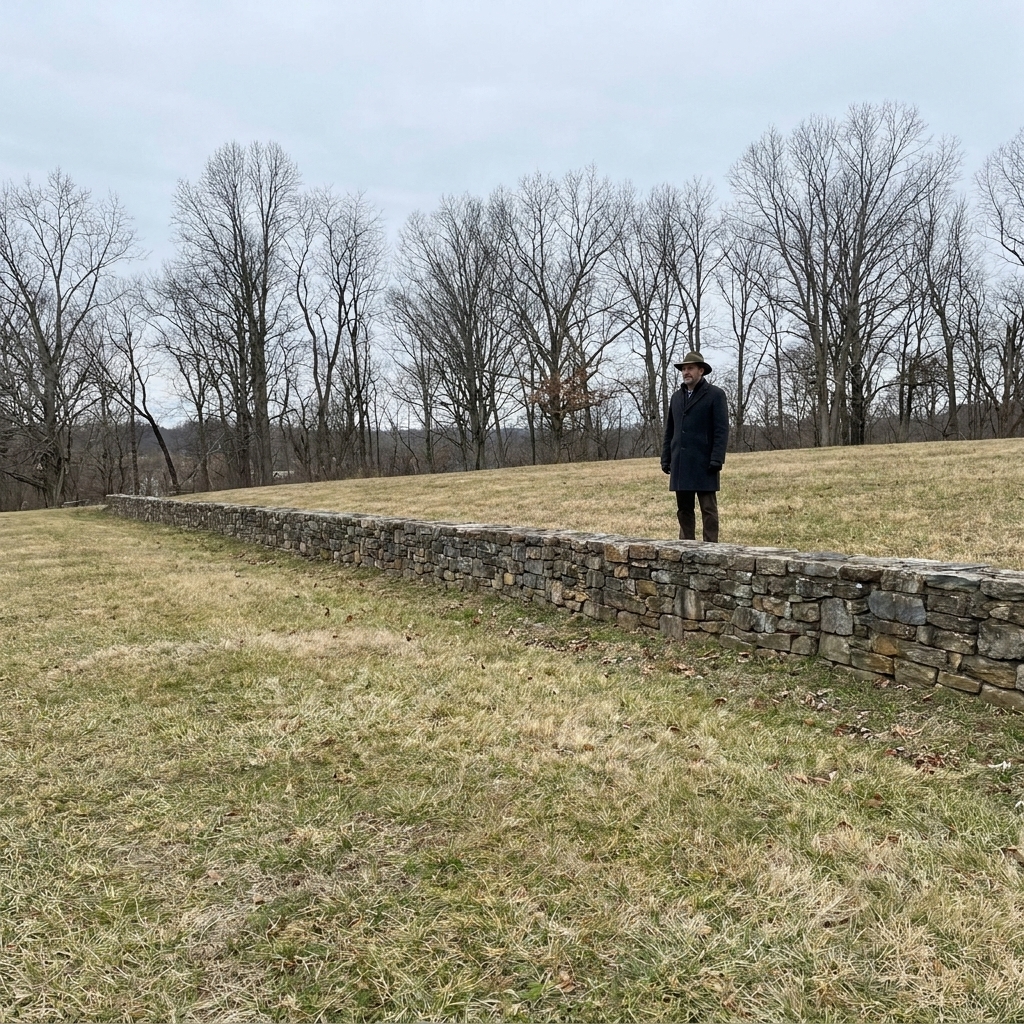
And if you are planning a trip through Virginia’s major sites, you might enjoy our 3-day Virginia Civil War battlefield road trip. It is the kind of route where Grant and Lee stop being marble names and start becoming decisions made in heat, smoke, and exhaustion.
The key difference
If I had to put it as simply as possible: Grant fought the Confederacy as a system to be broken, while Lee fought the Union army in front of him as a problem to be outmaneuvered and outpunched. Both approaches could win battles. Only one, in the end, matched the war’s underlying math.
Grant vs. Lee at a glance
| Category | Ulysses S. Grant | Robert E. Lee |
|---|---|---|
| Leadership tone | Calm, plainspoken, results-driven | Formal, paternal, personally inspiring |
| Battlefield preference | Pressure plus maneuver, repeated lateral shifts | Aggressive blows, seize initiative, counterpunch |
| Use of risk | Operational and strategic risk to gain position | Tactical and psychological risk to disrupt enemy |
| Subordinates | Delegates with clear expectations, replaces when needed | High trust, discretionary orders, relies on key lieutenants |
| Logistics reality | Generally supported by strong supply and replacements | Increasing shortages, shrinking manpower and materiel |
| Endgame | Coordinate, press, and deny Confederate recovery | Hold, strike when possible, seek a political-military opening |