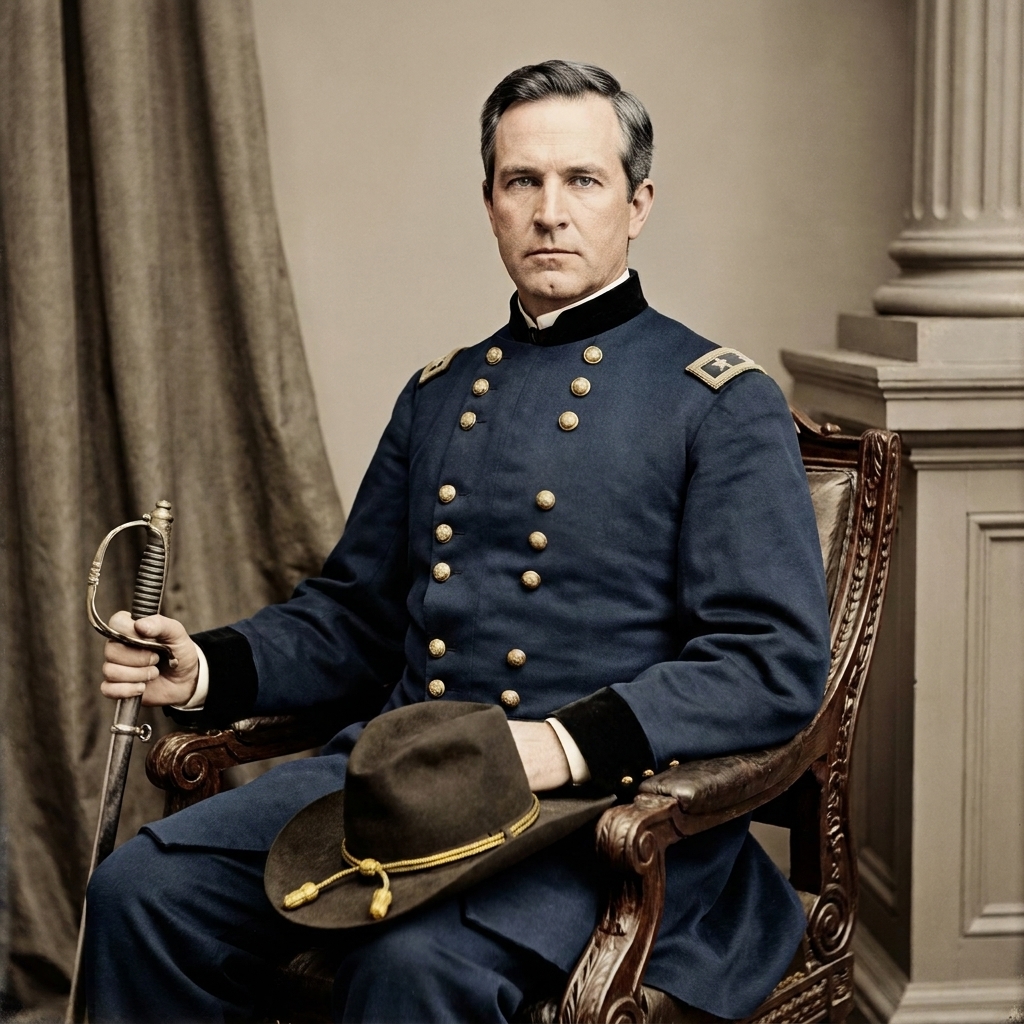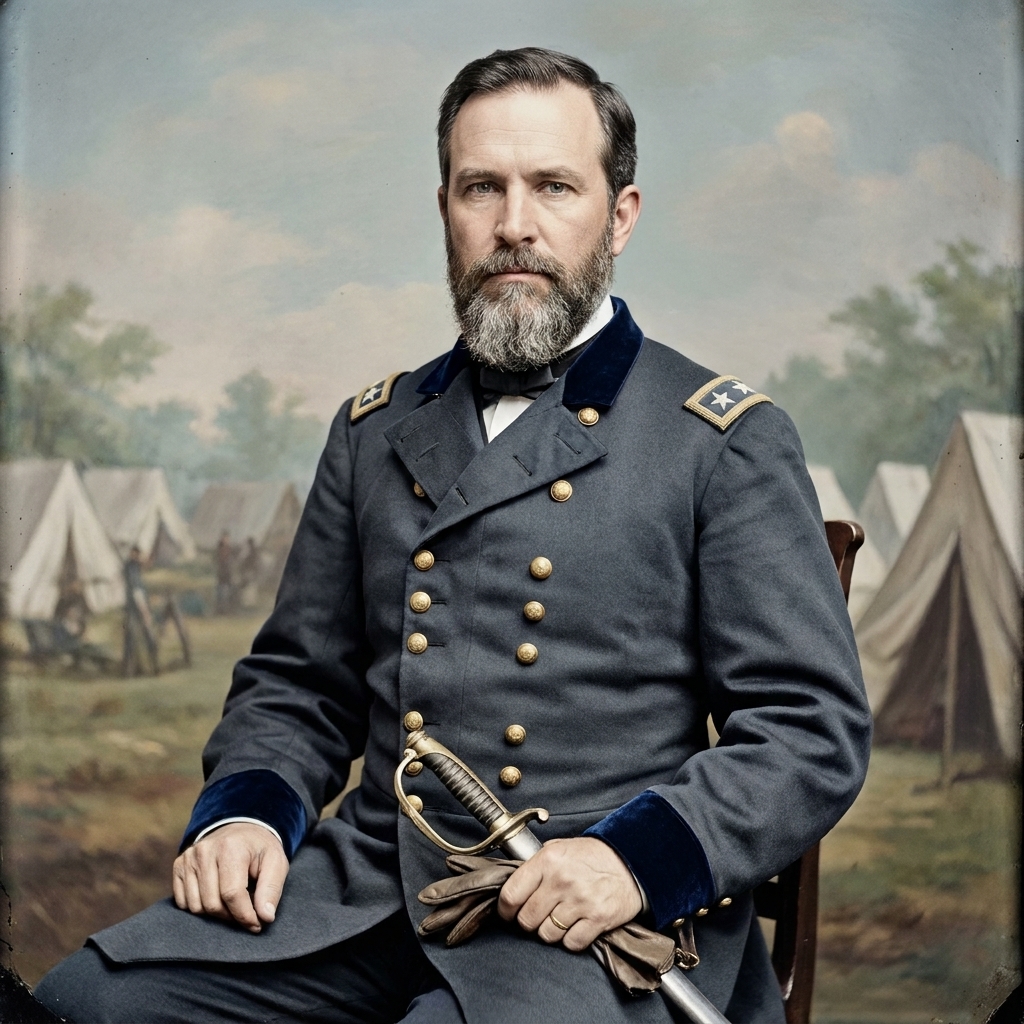
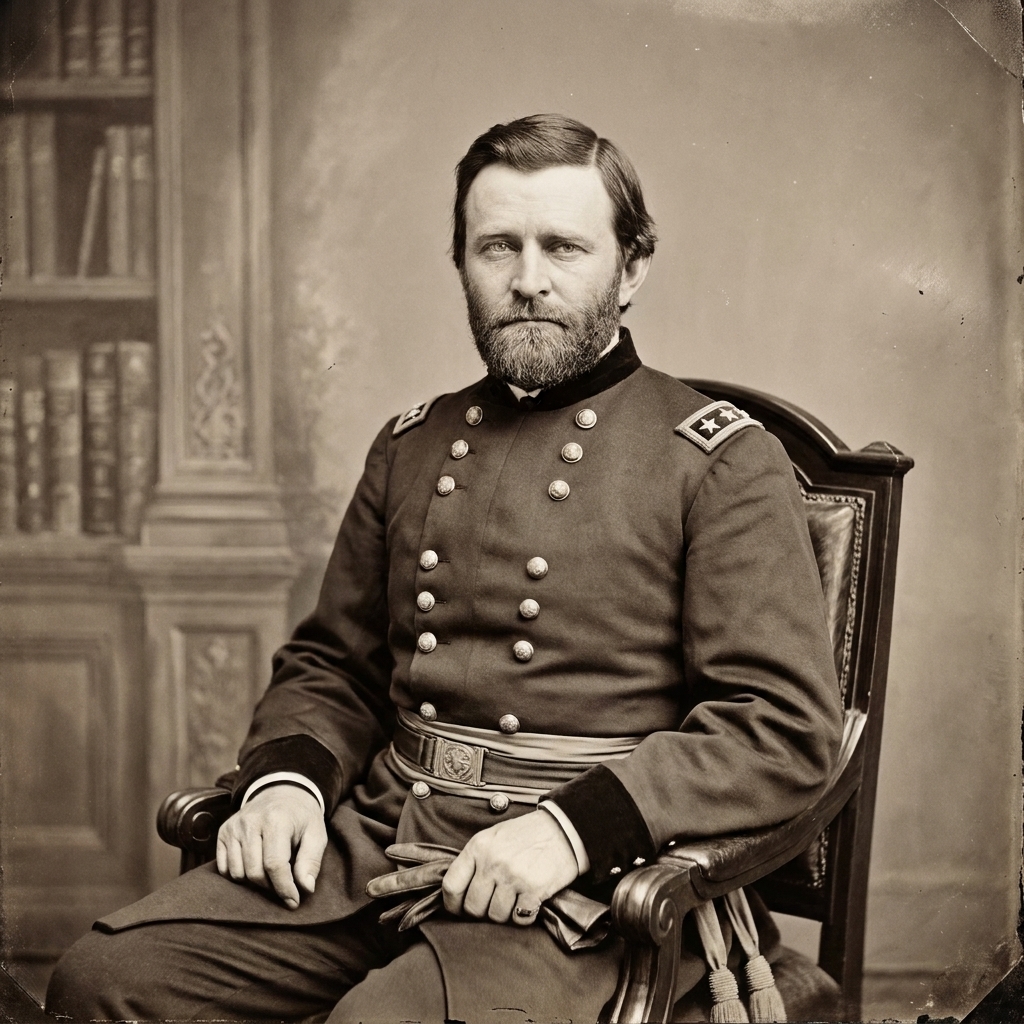
A ground-level comparison of Ulysses S. Grant and Robert E. Lee—how they thought, issued orders, handled risk, and managed logistics from Vicksburg to Peters...
Brothers Divided: Pre-War Bonds of Rival Civil War Generals

Silas Weaver
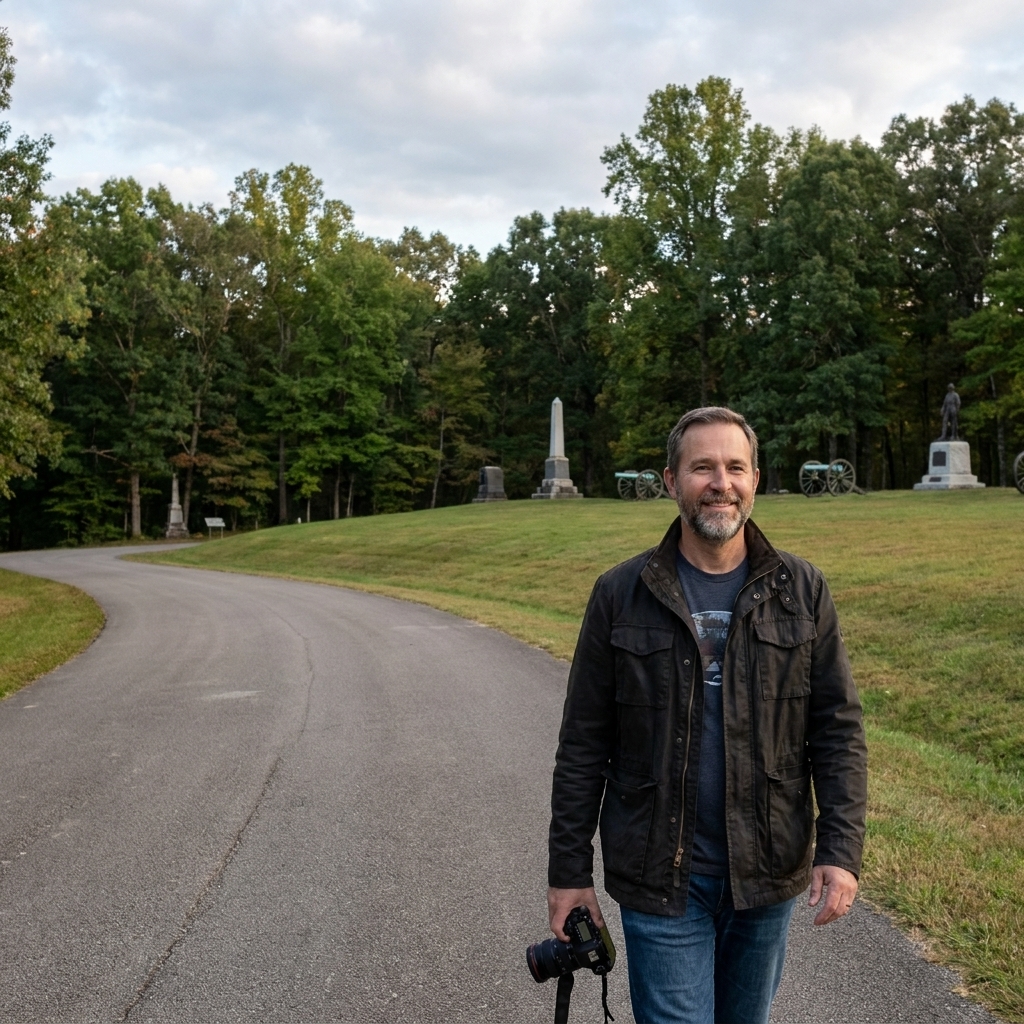
Silas Weaver has spent decades exploring historic battlefields, reading primary journals, and tracking down the lesser-known stories of the American Civil War. His lifelong passion for 19th-century history comes through in his engaging accounts of the places, people, and lingering questions of the era. He believes that walking the actual grounds where history happened is the best way to truly connect with the past.
Published · Last updated
I have stood on more than one ridgeline where the wind still seems to carry two voices at once. One voice belongs to the side that held the ground. The other belongs to the side that tried to take it. What keeps catching in my throat is this: in a surprising number of cases, those voices once laughed together over the same Army coffee, studied the same mathematics at West Point, and swapped the same weary jokes on dusty frontier posts.
The Civil War did not just divide states. It split friendships and working relationships that had been forged in a small, tight professional world. Before 1861, the United States Army was not a vast institution. It was a traveling neighborhood of ambitious young officers, many of them West Pointers, who expected to spend a lifetime serving the same flag. Then secession came, and the old bonds were tested against home, family, politics, and conscience.
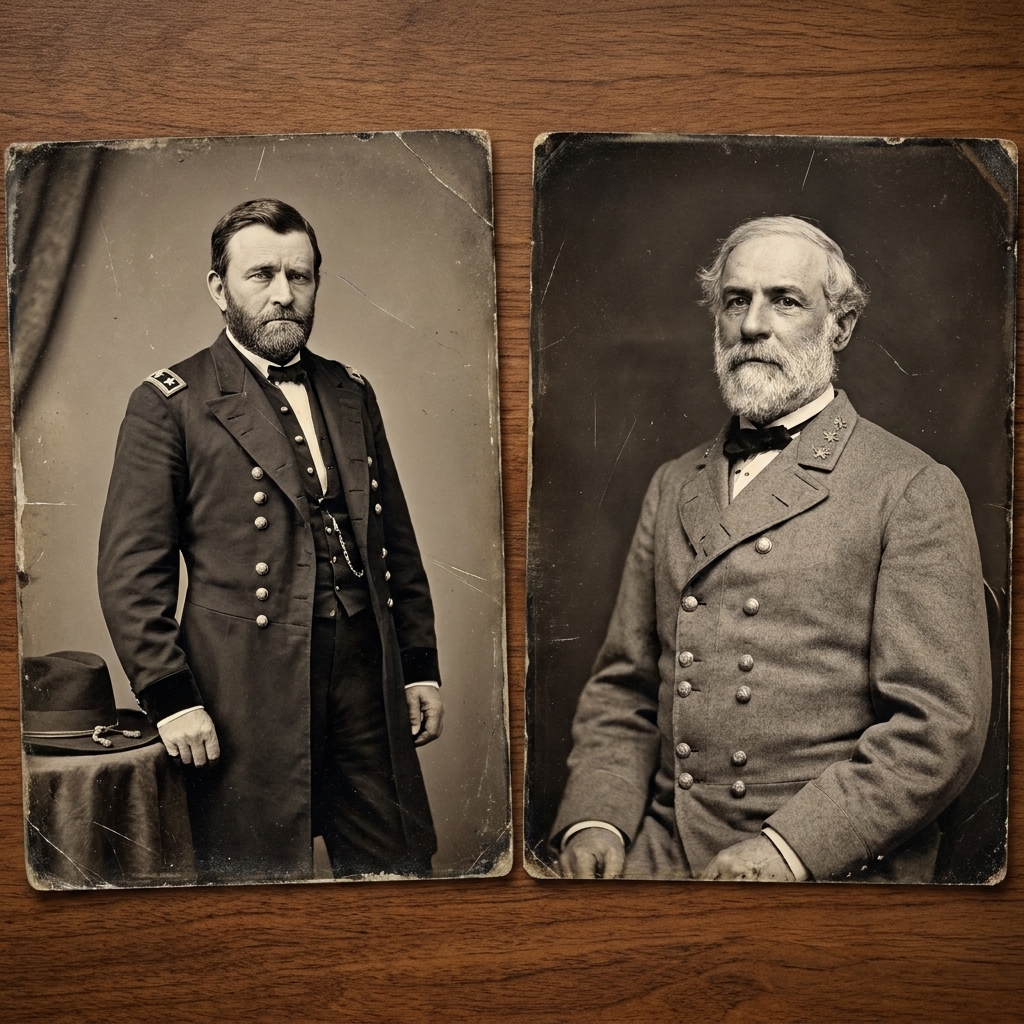
Why West Point mattered
When folks talk about “West Point ties,” they sometimes imagine secret handshakes and automatic loyalty. It was not quite that. The academy’s real power was simpler: it created shared memory.
- A common education: Engineering, artillery practice, military law, and the grind of daily discipline. Men learned how the other one thought.
- A small pool of peers: Graduating classes were modest in size. Names and reputations stuck.
- Reunions on the frontier: Even officers who did not particularly like each other often served side by side later, at Fort Vancouver, on Texas rivers, in the Mexican War, or in Washington offices.
That means when war came, many commanders were not guessing at the enemy. They were guessing at an old roommate, an old subordinate, or a man they had once trusted with their life.
If you want a broader look at the way military careers were shaped before the war, our Generals guide is a good starting point for how these men rose, stalled, and sometimes reinvented themselves.
Grant and Lee
Ulysses S. Grant and Robert E. Lee are often framed as inevitable opposites, as if they were born for Appomattox. In truth, they were products of the same pre-war army culture. They did not share a West Point class, and they were not intimate friends. But they moved in the same professional universe, both fought in Mexico, and both understood the habits of a small Regular Army officer corps.
What makes their relationship worth mentioning here is the way the war forced men who spoke the same institutional language to decide what loyalty meant. When Lee resigned his U.S. commission, he was making a choice many of his friends and acquaintances in the army could not accept, even if they understood the agony of it. Grant, for his part, became the kind of relentless commander the old army often discouraged, not out of cruelty, but out of necessity.
Appomattox itself feels like a last echo of that earlier professional world: formal courtesies, mutual recognition, and a shared understanding that surrender could be honorable and binding. That atmosphere did not erase the bloodshed, but it tells you these men were not strangers to one another.
Johnston and Sherman
If you want a clearer example of pre-war familiarity carrying into the conflict, look at Joseph E. Johnston and William Tecumseh Sherman. They were not known as close friends in the way people sometimes mean it today. Their connection was closer to a long acquaintance inside a small profession: Regular Army men, seasoned by the same system, aware of each other’s reputations, and legible to each other as soldiers.
During the Atlanta Campaign and the Carolinas Campaign, they fought hard, and neither man was sentimental about military necessity. Yet after the war, their story took on a complicated human shape. Their correspondence and Sherman’s later public respect, including serving as a pallbearer at Johnston’s funeral, suggest that even after years of marching and burning and burying, some lines of professional regard could be restored.
It is tempting to treat that as a tidy redemption, but I do not. I read it as evidence of how deeply the pre-war army formed its people. A man could hate what the war made necessary and still recognize the person across the line as someone shaped by the same service.
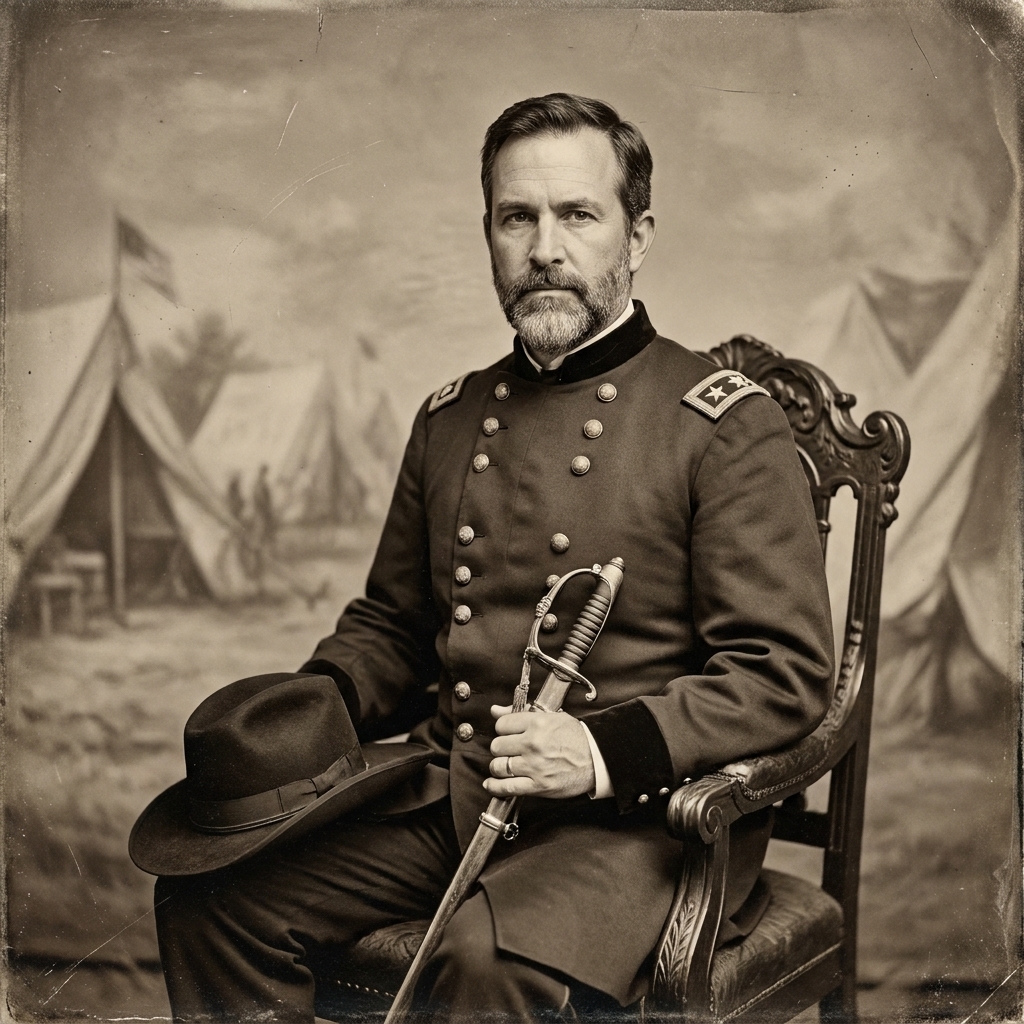
Thomas and Bragg
Some pairings are tragic precisely because the pre-war tie was not warm. West Point could breed lifelong rivalry as easily as friendship. George H. Thomas and Braxton Bragg were not classmates, but they were still very much of the same world: Regular officers shaped by the same institution, later operating on opposite sides.
Thomas, a Virginian who stayed with the Union, carried a private burden that does not always show up on battlefield maps. To fight the Confederacy was, in a real sense, to fight the direction his home had chosen. Bragg, meanwhile, became notorious for strained relationships even within his own command structure, which only sharpens the sense that the war dragged old tensions into a far more lethal arena.
When you walk places like Chickamauga or Missionary Ridge, it helps to remember that decisions there were not purely “blue vs gray.” They were also shaped by long memories and old judgments formed in classrooms and mess tents years earlier.
For readers planning to visit those western battlefields, our Battlefield Travel guide can help you think through timing, terrain, and what to look for beyond the big monuments.
McClellan and Lee
George B. McClellan and Robert E. Lee did not have a storybook friendship, but they shared something that mattered: a pre-war professional identity rooted in engineering, staff work, and the careful, methodical habits of the old army. McClellan had served in Mexico and was widely regarded as brilliant. Lee, also a Mexican War veteran and famed engineer, represented the old model of duty and reputation.
On the Peninsula in 1862, it sometimes feels like you are watching two pre-war mindsets clash under new, brutal pressures. McClellan wanted certainty and overwhelming force. Lee accepted risk and operated closer to the edge. Both approaches were legible to the other. They were not guessing how the enemy’s mind worked. They were watching a familiar kind of officer choose a different road.
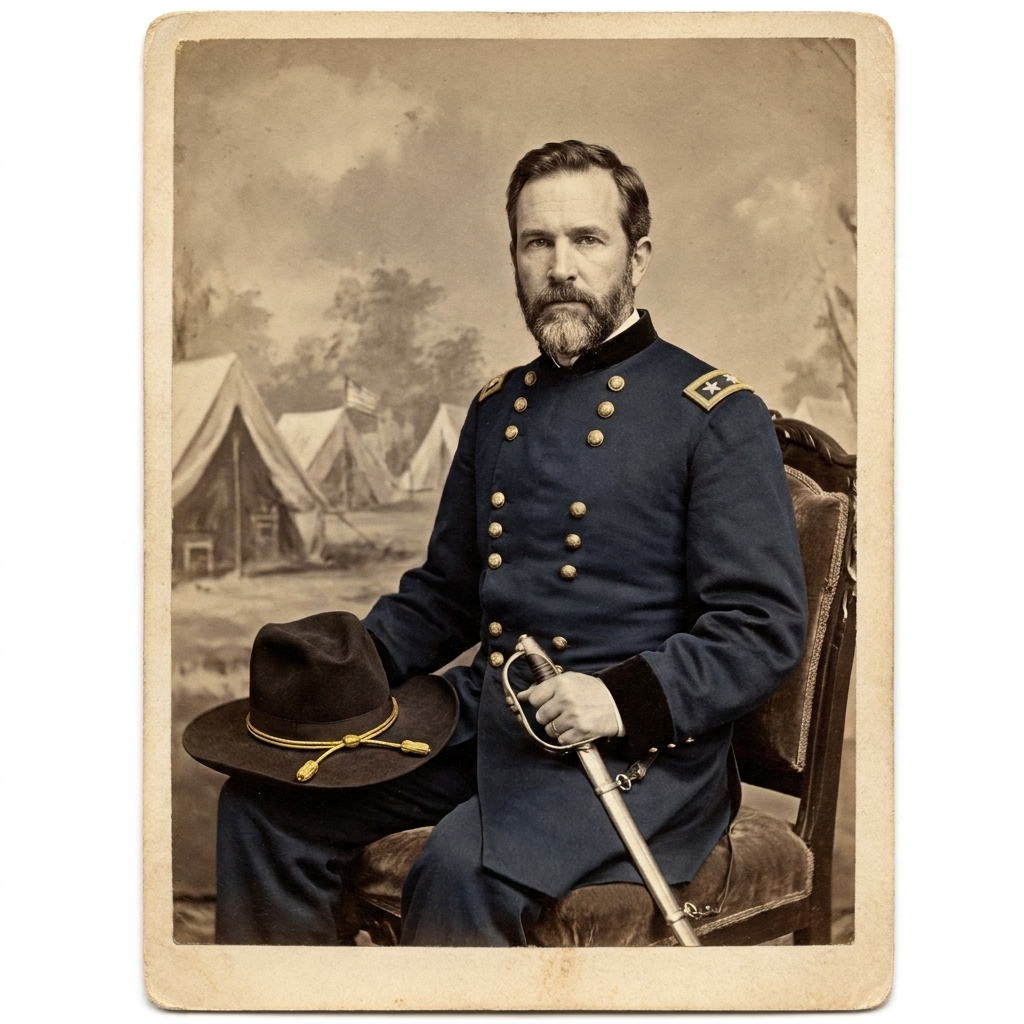
Scott and Lee
If you want a relationship that was more clearly personal, and more clearly painful, consider Winfield Scott and Robert E. Lee. Scott, the aging general-in-chief, had long seen Lee as one of the army’s most promising officers. Lee, in turn, served under Scott and benefited from his confidence. It was not merely shared schooling or a familiar name in the register. It was a mentor and a favored subordinate inside a very small service.
That is part of what makes Lee’s resignation so sharp when you read it against the grain of old army life. It was not only a political break. It was the severing of a chain of trust and expectation. Scott’s reported grief at Lee’s decision reads, to me, like the grief of a man watching the institution he built begin to split along human seams.
Old Army letters
When you read officers’ letters from the months before and after secession, the most striking thing is how often they are trying to preserve dignity while walking into the fire. Even when they do not name a future opponent, you can hear the same themes.
- Reluctance and inevitability: Many writers insist they did not seek war, even as they prepare for it.
- Honor as a compass: “Honor” could mean loyalty to the United States, loyalty to a state, or loyalty to family. The same word, different destinations.
- Professional regard: Some men tried to separate politics from soldiering. Others could not, or would not.
- Fear of meeting friends in battle: This appears more often than people expect. Not melodrama, but a plain dread.
One thing I have learned, sitting with these documents late at night in camp light, is to pay attention to what is not said. Silence can be a kind of mourning. A name omitted can be a name that hurts to write.
When it held
Not every divided relationship fits neatly into “they reconciled” or “they never spoke again.” The war scattered men across continents of experience. Some returned home and found they could speak again, especially if they shared a professional language and a mutual exhaustion.
Others could not bridge the gap, even if they once had been close. In those cases, it was often less about personal insult and more about the meaning of sacrifice. If a man believed his comrades died for a cause, then a former friend who fought against that cause could feel like a betrayal too large to be handled politely.
That is why these pre-war friendships are not trivia. They are a way to understand the private grudges and loyalties that shaped real decisions under fire. Decisions were made by humans with memory, pride, grief, and old loyalties that did not vanish just because uniforms changed color.
Reading a battlefield
When I walk a battlefield, I try to do one thing before I think about tactics. I try to imagine recognition.
Ask yourself:
- Where would a commander have received news about who was opposite him?
- What did he already know about that person’s habits?
- If this was a former colleague, how would that change your sense of urgency, risk, or restraint?
Sometimes the landscape itself helps. A ridge that looks gentle on a map can feel like a wall when you are standing at its base. If you can put an old friendship into that physical space, the war stops being abstract. It becomes heartbreakingly immediate.
If you are building an itinerary with room for quiet stops as well as famous ones, you might like our plan for a Civil War battlefield day.
FAQ
Did West Point graduates mostly fight for the Union?
More did, yes. The Union retained the larger share of West Point trained officers, and many historians place it at roughly two-thirds Union to one-third Confederate among academy alumni who served. The deeper story is not the tally. It is that men trained by the same institution ended up applying the same schooling to destroy each other’s armies.
Were there generals who were truly close friends before the war?
Yes, although “close” can mean different things in the 1850s army. Some were intimate companions, others were warm professional friends who shared posts and families, and some were simply men who respected each other deeply. The war strained each type in a different way.
Where can I learn more about the generals as people?
Start with our Civil War Life guide for social context and daily realities, then circle back through the biographical sketches and overviews in the Generals guide. The human story makes more sense once you understand the world they lived in between wars.
Further reading
If you want to go straight to the documents and institutional records that help anchor these relationships, here are a few reliable starting points: