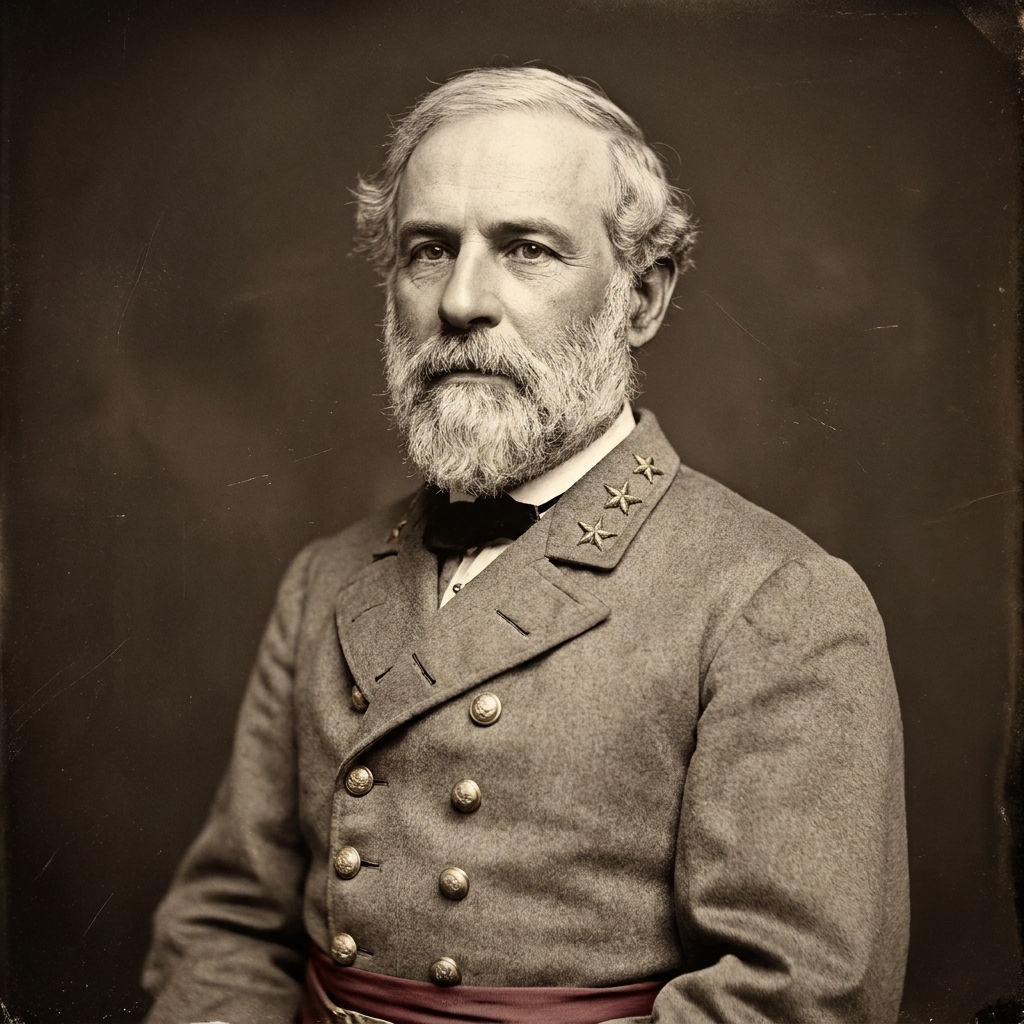
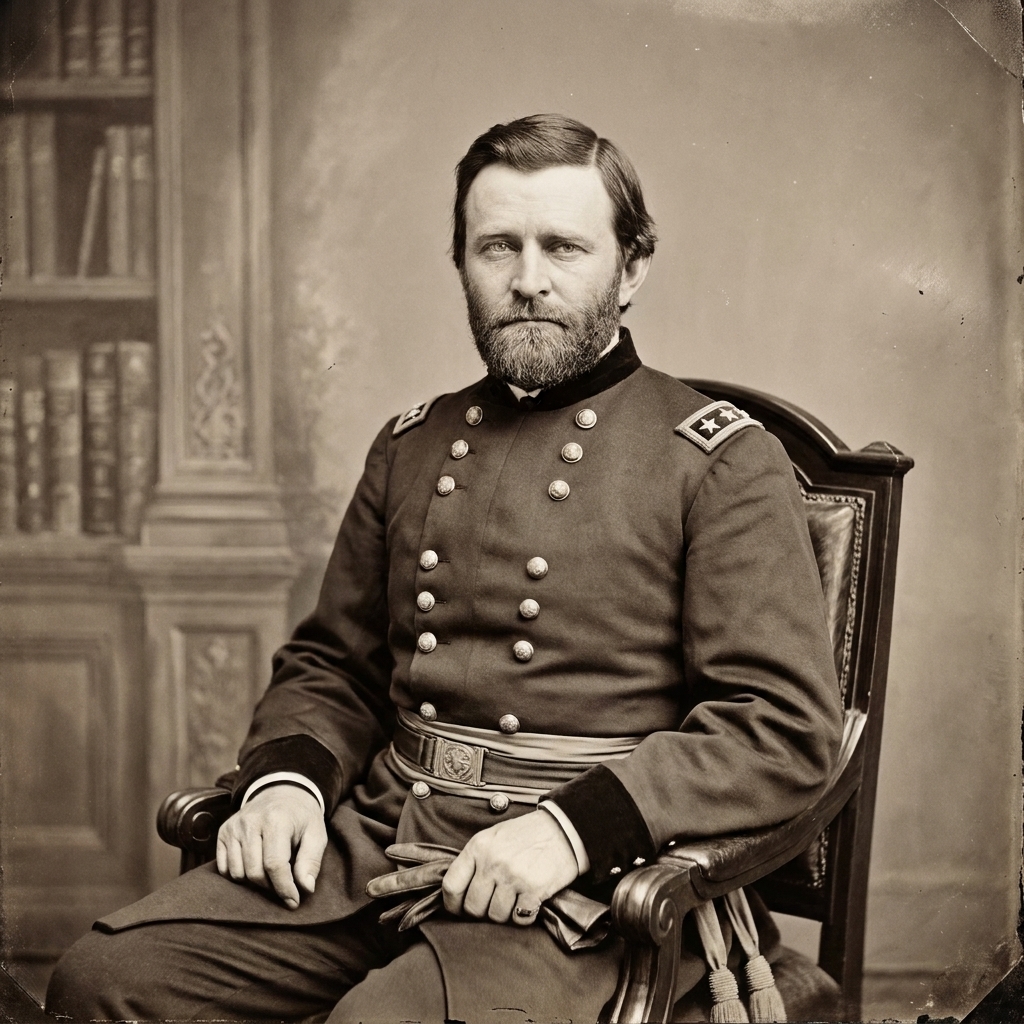
A ground-level comparison of Ulysses S. Grant and Robert E. Lee—how they thought, issued orders, handled risk, and managed logistics from Vicksburg to Peters...
7 Unsung Union Generals Who Quietly Shaped the Outcome of the Civil War
Silas Weaver
Silas Weaver has spent decades exploring historic battlefields, reading primary journals, and tracking down the lesser-known stories of the American Civil War. His lifelong passion for 19th-century history comes through in his engaging accounts of the places, people, and lingering questions of the era. He believes that walking the actual grounds where history happened is the best way to truly connect with the past.
Published · Last updated
On most battlefields, the famous names are carved deepest. You see them on bronze tablets, on big equestrian statues, on the gift shop shelves. But if you linger a little longer, and read the smaller markers, you start running into the men who did the unglamorous work: holding shaky lines, moving supplies, training raw regiments, managing disasters without panic, and turning half-won opportunities into real victories.
I have come to admire that kind of general. Not the headline-maker, but the steady hand. The ones who rarely got the credit in their own day and sometimes never got it at all. Here are seven Union generals who, in my view, helped shape how the war ended, even when someone else got the applause.
1) George H. Thomas
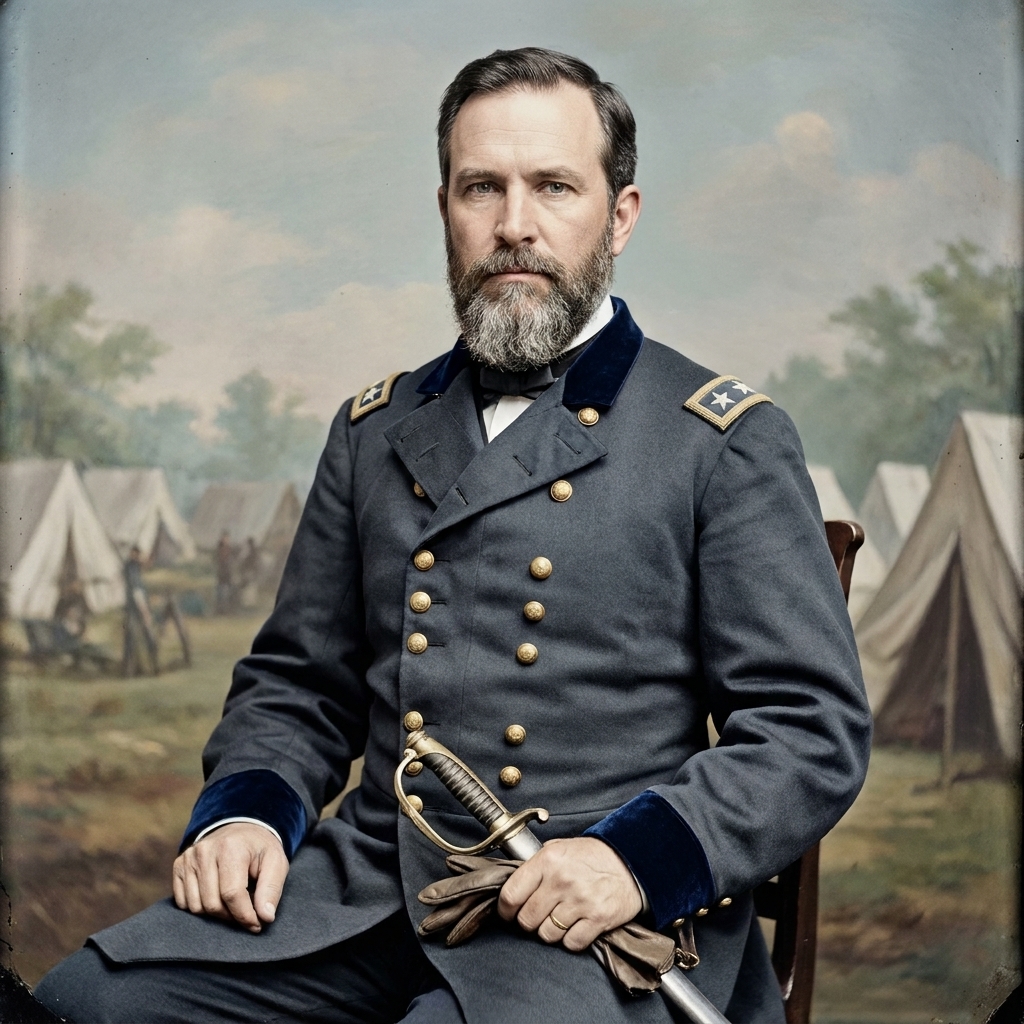
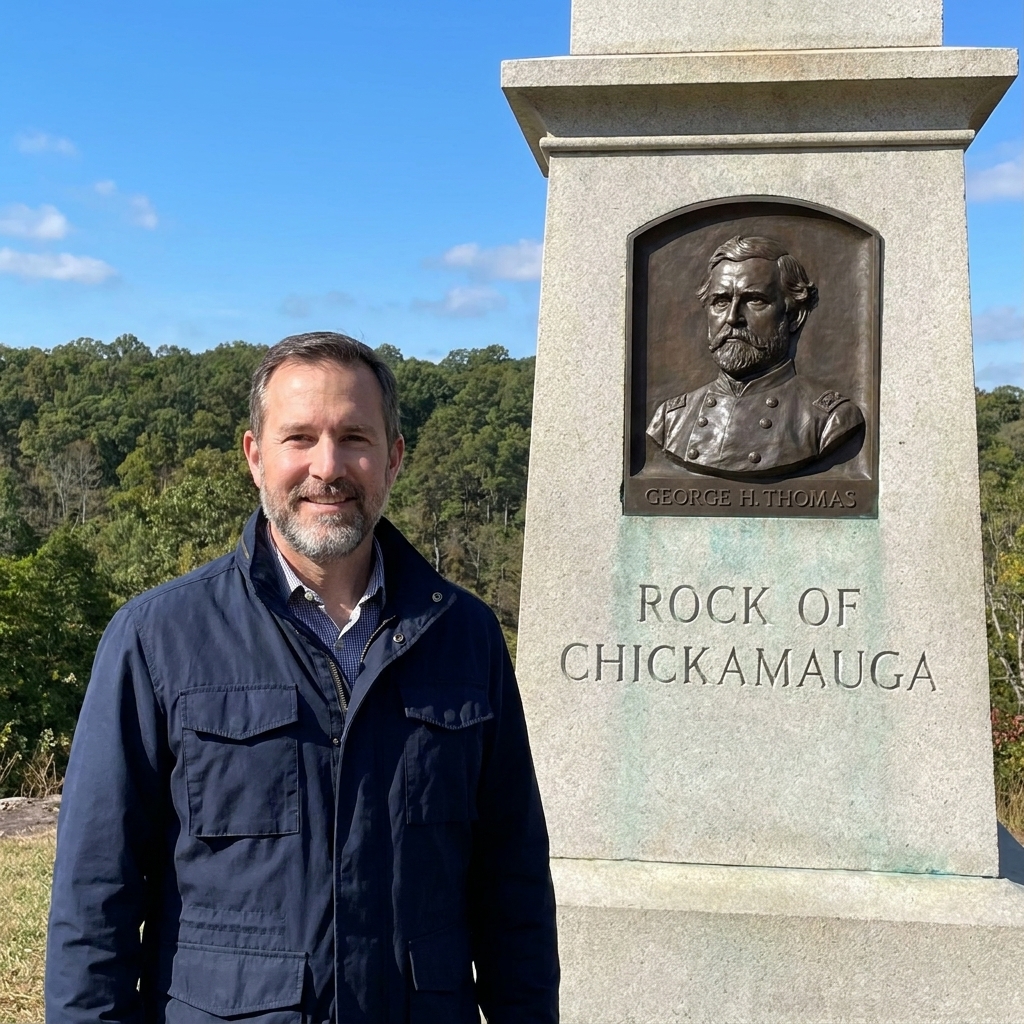
If you have ever stood on Snodgrass Hill at Chickamauga, you can feel why Thomas earned his most famous title. The army around him was breaking and streaming back. Orders were confused. Units were shattered. And yet there was Thomas, holding long enough to cover the withdrawal of much of the Army of the Cumberland toward Chattanooga after the Confederate breakthrough.
Thomas was not a self-promoter, which is a dangerous personality trait in wartime politics. His caution also frustrated superiors who wanted more flash. Even so, time and again, he proved to be the man who would not crack when the situation went sideways. Also, to be fair to the word “unsung,” Thomas is celebrated in plenty of circles. He is just easy to overlook if your version of Civil War history is mostly built around louder names.
Why he mattered
- At Chickamauga, his stand helped prevent a complete rout and bought the time needed for a battered army to pull back and regroup at Chattanooga.
- At Nashville, he delivered one of the war’s most decisive defeats, effectively smashing Hood’s army as an organized force.
If you are planning a visit, our Chickamauga battlefield guide will help you orient yourself to the ground where his reputation was forged.
2) John A. Logan
Logan is remembered in some circles for politics and postwar influence, but his wartime value often gets flattened into a footnote. He should not be. Logan was a citizen-soldier with a rare knack for getting men to move forward when their nerves and common sense told them to do otherwise.
He stepped into high responsibility at moments when the army needed urgency more than elegance. In the shock after McPherson fell outside Atlanta on July 22, 1864, Logan temporarily took control of the Army of the Tennessee and kept it fighting with real bite. He did not keep that command, since Oliver O. Howard soon received it permanently, but those in-between hours mattered.
Why he mattered
- Fighting spirit in the Western armies was not automatic. Logan could generate it, which mattered in long, grinding campaigns.
- Continuity under shock after a commander’s death is a fragile thing. Logan steadied the handoff when it counted.
For context on the Atlanta fighting and how memory got built afterward, I like pairing Logan’s story with a walk among the markers in 10 Striking Atlanta Campaign Monuments.
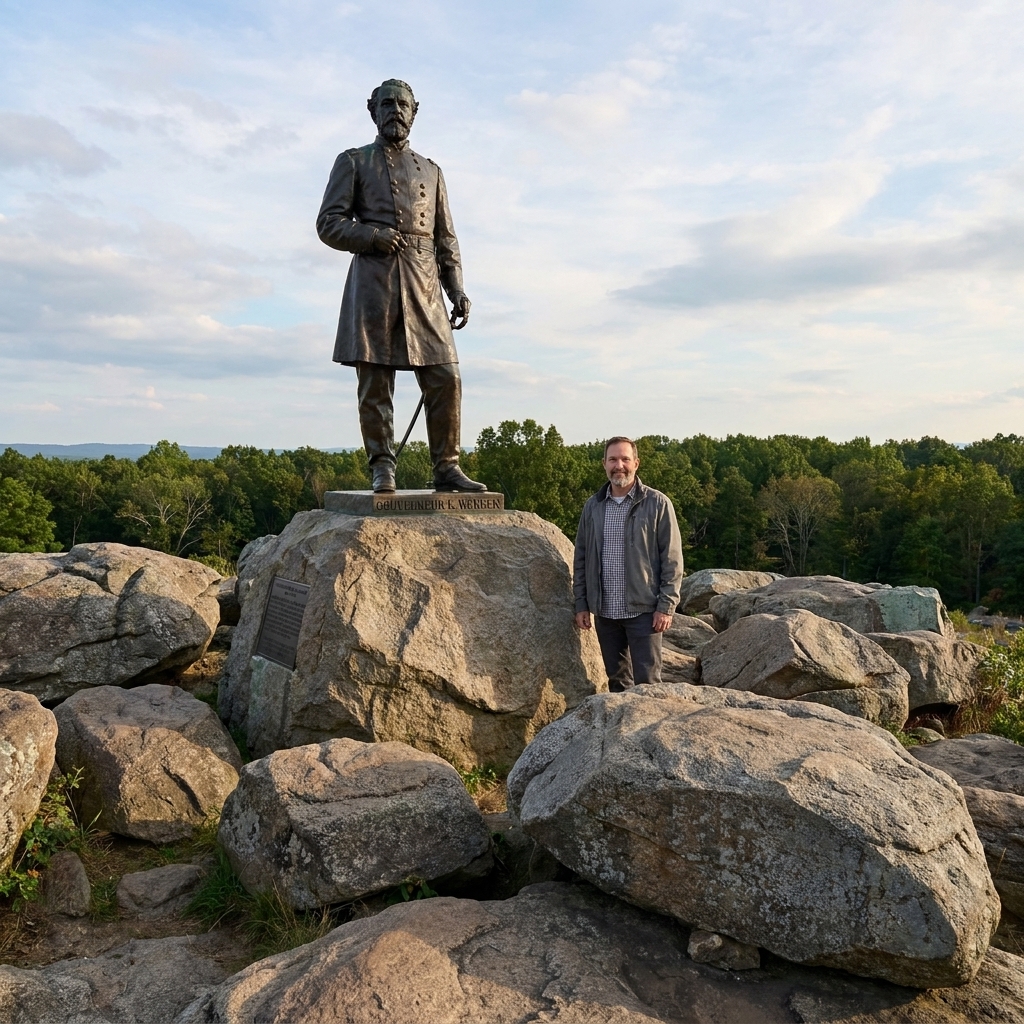
3) Gouverneur K. Warren
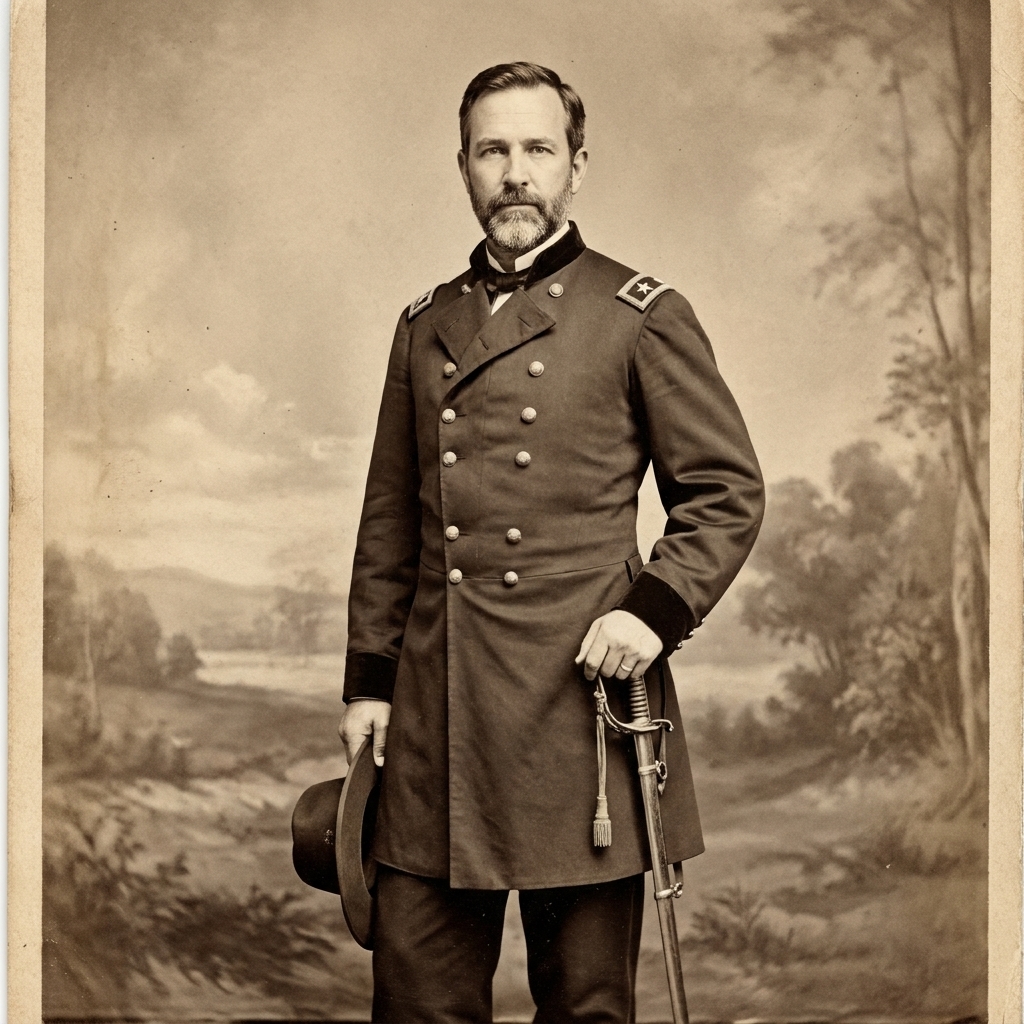
Warren is one of those men you can accidentally underrate if you only read campaign summaries. He was an engineer by training, a careful thinker, and the kind of commander who saw terrain like a language.
At Gettysburg, Warren’s eye for ground helped prompt the rush to secure Little Round Top at the moment it was most vulnerable. He did not “win Gettysburg” singlehandedly, and anyone who says so is selling you a neat story instead of history. But he helped prevent a dangerous gap from becoming a fatal one.
Why he mattered
- Terrain sense at the right moment can be worth more than another brigade.
- Under pressure, he could translate what he saw into urgent action, not just observation.
If Gettysburg is on your list, you might enjoy 5 Tactical Mistakes That Changed Gettysburg and Gettysburg vs Antietam: Which Battlefield to Visit First? for a broader feel of how small choices ripple.
4) John M. Schofield
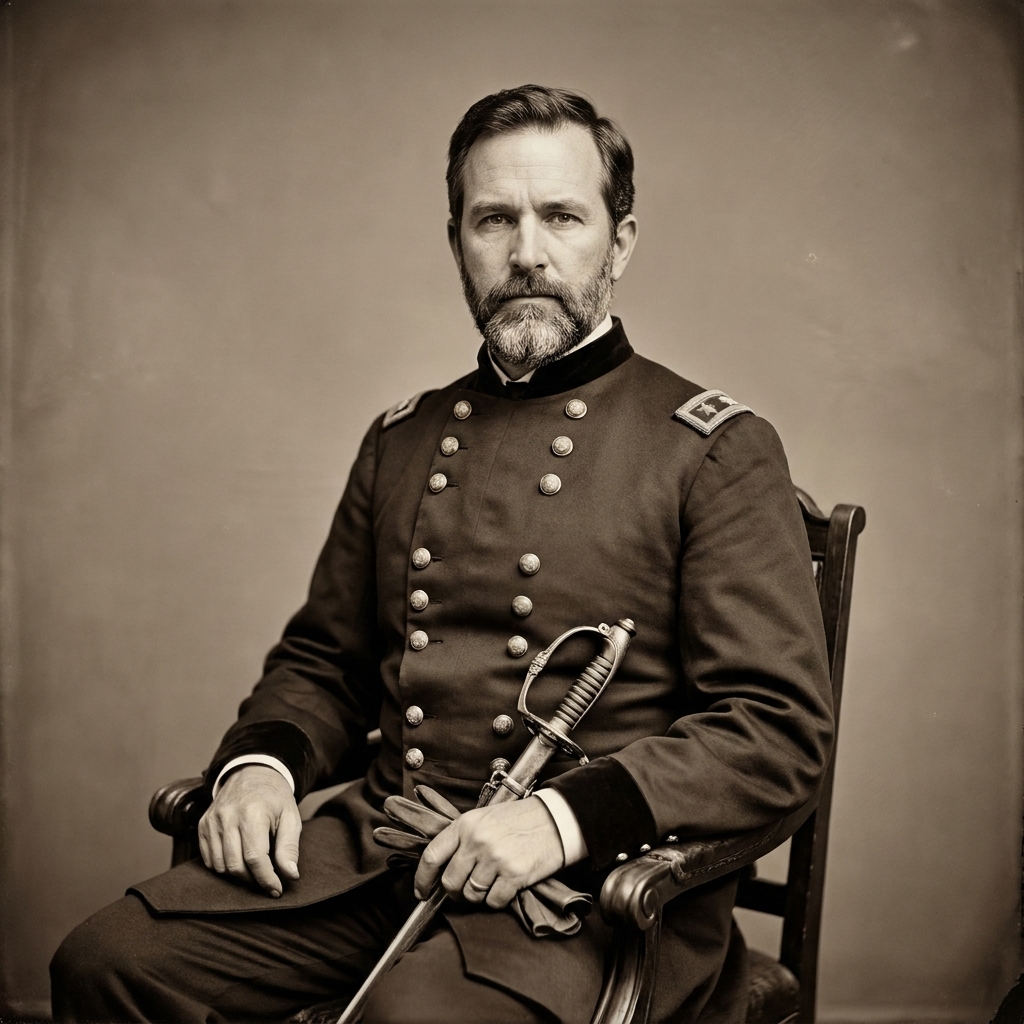
Schofield’s name rarely gets the same kind of dramatic retelling as Sherman or Sheridan, but he did something that wins wars: he kept an army intact when it would have been easy to lose it.
In late 1864, during Hood’s campaign in Tennessee, Schofield managed a tense fighting withdrawal. His moves around Columbia and the Duck River, followed by the night march past Hood at Spring Hill and on toward Franklin, helped preserve Union combat power when one mistake could have meant being cut off and crushed.
Mistakes were made around him and by him. That is true of every human being in this war. But the overall result was what the Union needed: a field force that survived the danger long enough to help deliver Hood’s defeat.
Why he mattered
- Operational survival is underrated. Armies can be ruined in retreats as surely as in battles.
- Coordination between commanders who do not particularly like one another is a skill, and Schofield practiced it.
5) Andrew A. Humphreys
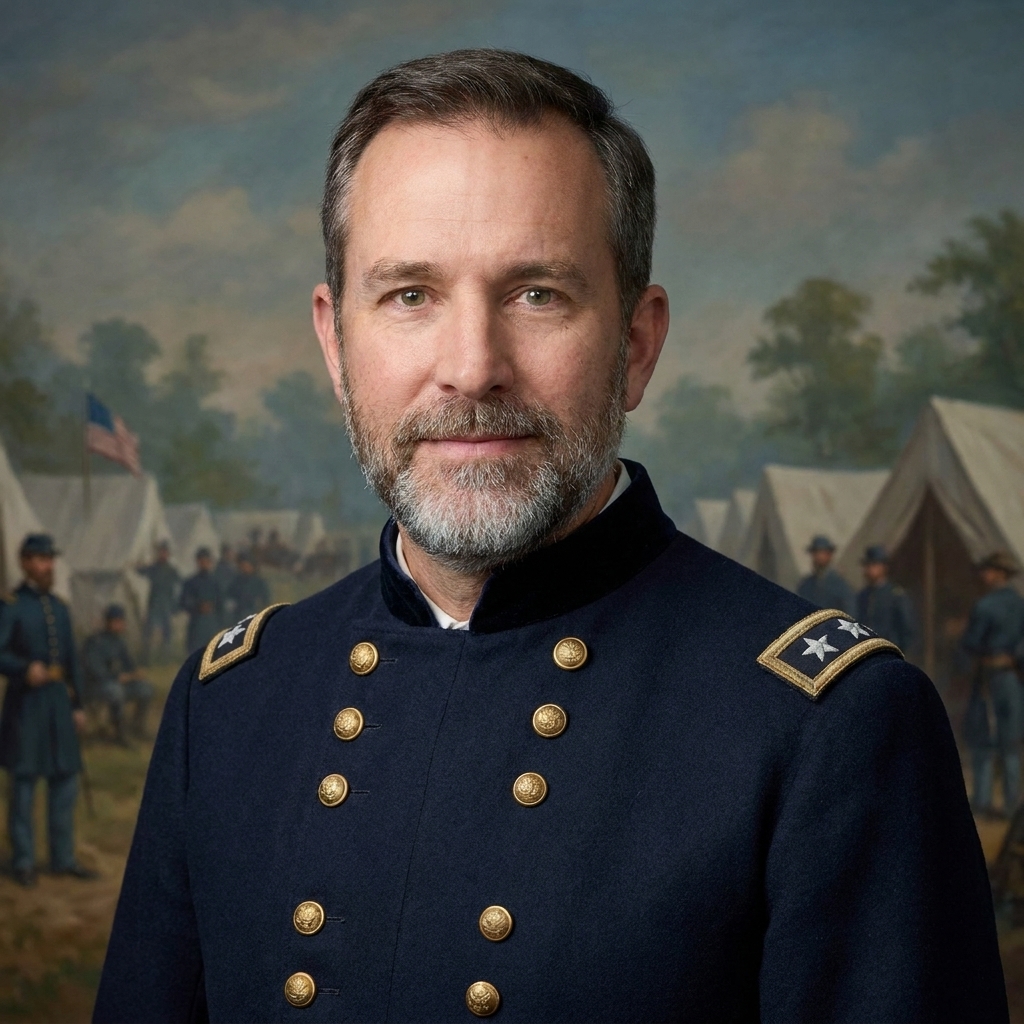
Humphreys is not the first name most people bring up when discussing the Army of the Potomac, which is exactly why I am including him. Late in the war, that army needed brains as much as bravery. It needed staff work that could keep pace with Grant’s style of continuous pressure.
Humphreys, as chief of staff and later as a corps commander, helped translate intent into movement, and movement into pressure. In the Overland Campaign, the hard part was not only fighting. It was shifting, regrouping, and doing it again before the Confederates could breathe. Later, in the long operations around Petersburg, he had to keep men and paperwork and marching orders pointed in the same direction for months at a time.
When he took over the II Corps late in the war, the job was less about speeches and more about doing the dull, punishing work well. Actions like Hatcher’s Run show the kind of command problem he faced: probing, reacting, holding the line together, and keeping the pressure on without letting the whole thing unravel.
Why he mattered
- Staff work that actually worked kept the army from tripping over its own feet during complex operations.
- Petersburg’s trench war demanded organization, patience, and the ability to manage relentless detail.
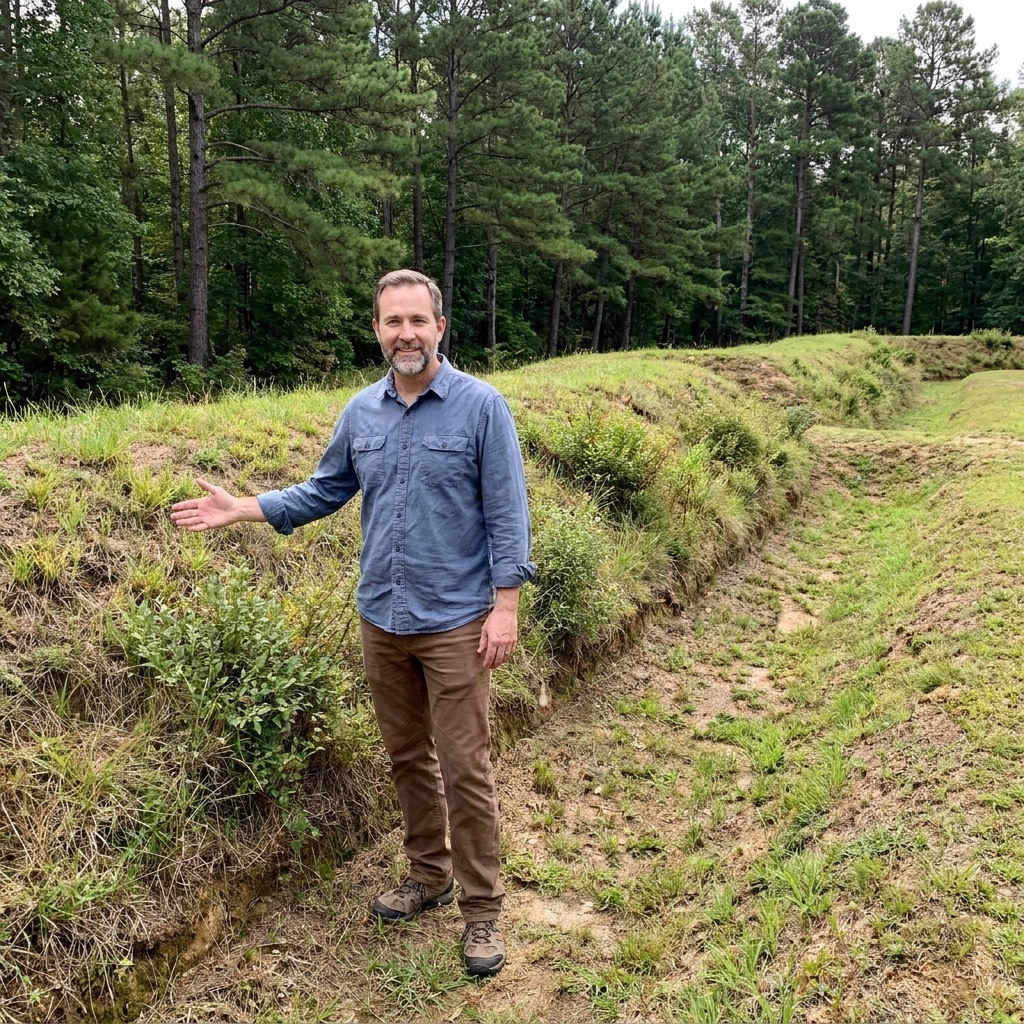
If you have never walked those lines, start with Exploring the Trenches of Petersburg. It is a place that makes you respect the men who could keep an army functioning in misery.
6) James H. Wilson
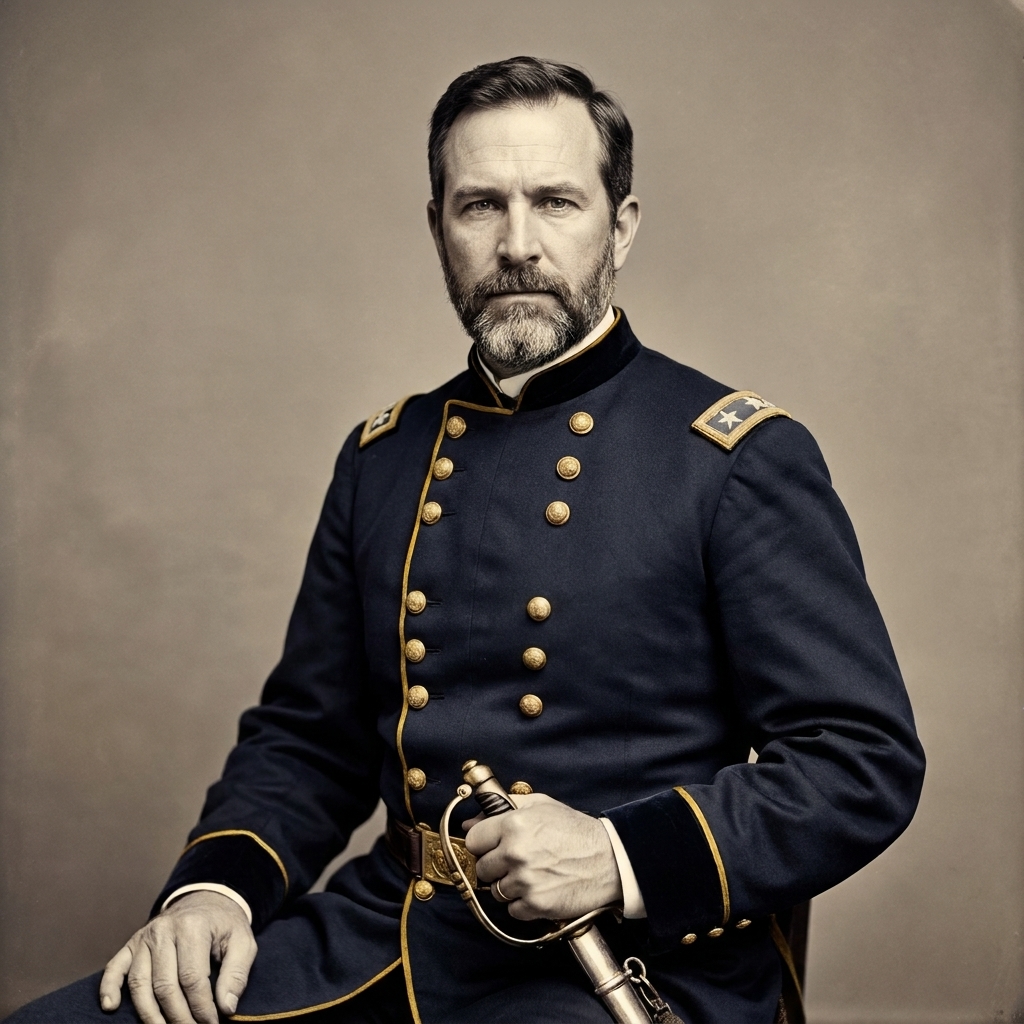
When people talk cavalry, the conversation usually veers toward big personalities. But Wilson’s late-war raids show the hard military math of targeting what keeps an enemy army alive: rails, factories, depots, and the ability to replace losses.
In 1865, Wilson led a large mounted force through Alabama and into Georgia, striking places like Selma and Montgomery, then pushing on to targets such as Columbus and Macon. Selma is the headline, but the deeper story is how quickly a well-led cavalry column could wreck the infrastructure behind an army.
Why he mattered
- War-making capacity is not just men with rifles. It is foundries, horses, rails, and supply depots.
- Late-war mobility let the Union turn battlefield success into collapse by taking away the Confederacy’s ability to recover.
For another angle on the war beyond the infantry line, our readers often enjoy Top 5 Cavalry Generals and Where to See Their Key Actions.
7) Franz Sigel
Sigel is an unusual pick for a list like this, because his battlefield record is mixed and, in places, plainly poor. If you came here looking for seven spotless heroes, you will not get that from me. But wars are not only fought with tactics. They are fought with politics, recruitment, and morale at home.
Sigel’s influence among German American communities helped the Union raise and hold manpower, especially early on when Washington needed every regiment it could get. The old phrase “I fights mit Sigel” tells you something important even if you never pin it to a single enrollment table: for many immigrants, he felt like their man inside the Union war effort.
He is a reminder that “shaping the outcome” can mean more than winning a clean battle. Sometimes it means helping build the army that will win the war, even if you are not the commander who delivers the final blow.
Why he mattered
- Recruitment and loyalty in immigrant communities strengthened the Union war effort in a way that does not show up neatly on battlefield maps.
- Political glue mattered in a democracy fighting a long war.
If the Shenandoah Valley side of the war interests you, you might pair Sigel’s story with a drive through the region using Jackson’s 1862 Valley Campaign Driving Tour, if only to see how often that ground pulled armies back like a magnet.
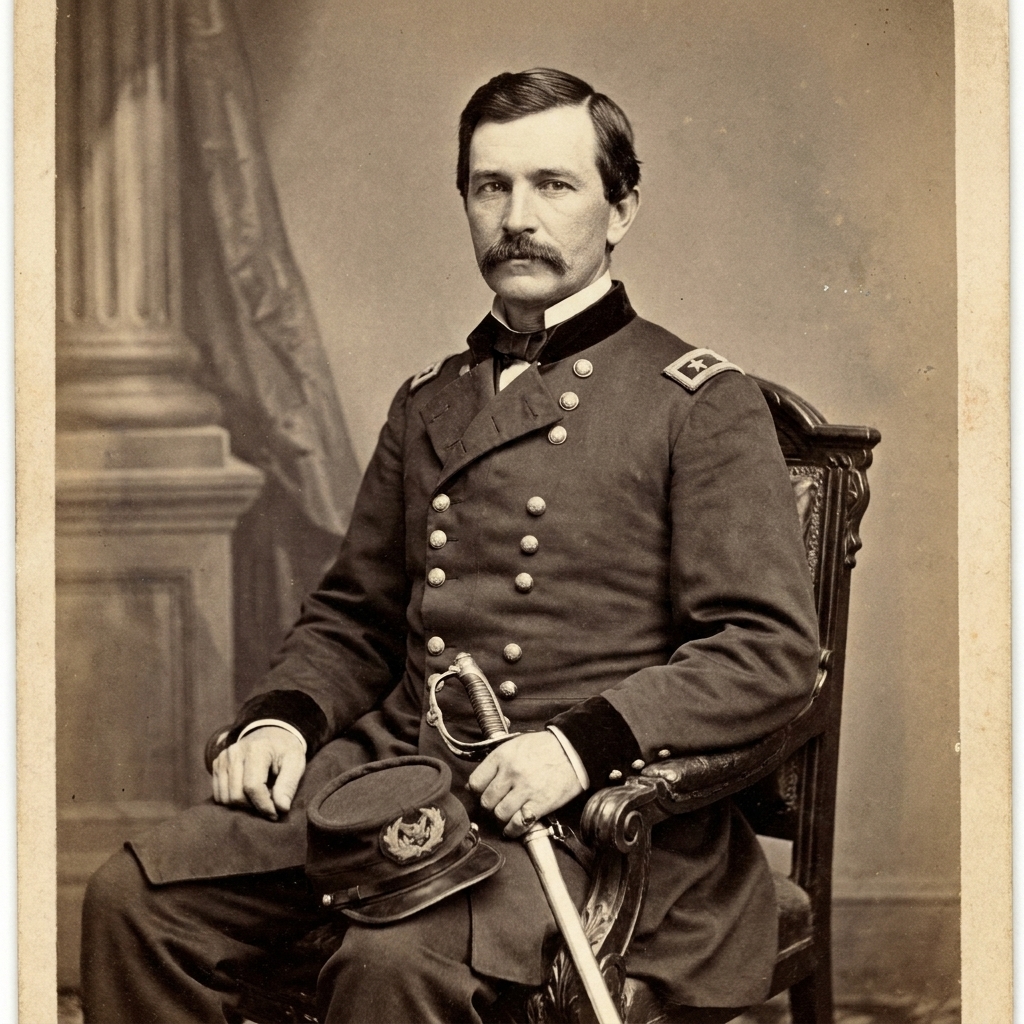
What makes a general unsung?
I tend to use the word carefully. “Unsung” does not have to mean perfect, and it does not have to mean obscure. It usually means one of three things. Also, it is always a little relative. A man can be famous in one region, or among serious readers, and still be strangely absent from the popular story.
- They did essential work that looked unromantic, like staff coordination, supply movement, or keeping a retreat from becoming a rout.
- They were overshadowed by a louder personality above them or beside them.
- Their best contribution was a single critical choice, made fast, with incomplete information, when the consequences were enormous.
Meet them on the ground
I always come back to the same belief: battlefield study is better with boots on the dirt. If you are planning trips, a few pieces on this site can help you build days that fit real life.
- Plan a Civil War Battlefield Day
- Guide to Battlefield Travel
- Why Winter Is the Best Time to Visit Civil War Battlefields
- Wheelchair Accessible Civil War Battlefields and Trails
And if you want to keep the focus on people, not just movements on a map, I recommend reading soldiers in their own words. Start with Decoding Civil War Soldier Letters. The “unsung” feeling makes more sense when you realize how many lives depended on a few calm decisions made far from any monument.