|
|
|
|
Kindle Available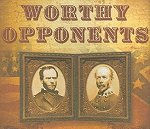 Worthy Opponents: William T. Sherman and Joseph E. Johnston: Antagonists in War-Friends in Peace If Confederate President Jefferson Davis had left General Johnston, one of its most effective generals, in command of Atlanta's defenses, the city might have been preserved. Edward Longacre offers a new perspective on Sherman's and Johnston's military histories, including their clashes at Vicksburg, Kennesaw Mountain, and Bentonville |
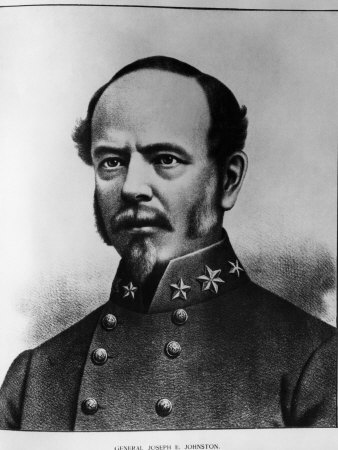
Joseph E. Johnston, U.S. Army Officer Senior General in the Confederate States Army, 1860s Photographic Print 18 in. x 24 in. Buy at AllPosters.com Framed Mounted |
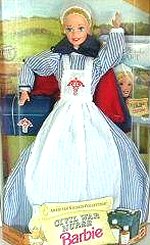 Civil War Nurse Barbie Part of the American Stories Collection. |
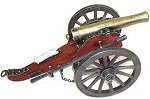 Civil War Cannon Collectible Models and childrens playsets Miniature Collectible Civil War Cannon12 pound Civil War field cannon replica weapon collectible is a detailed 1/12th scale military caisson replica weapon collectible as used throughout the Civil War Childrens Cannon Set. Includes 6 gray cannon with black wheels that measure 4.5 inches long |
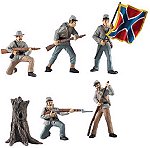
 Civil War Soldier 102 Piece Playset
|
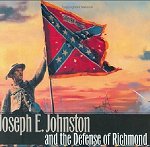 Joseph E. Johnston and the Defense of Richmond The high-level conferences in Richmond to set strategy and the relationship of the Peninsula campaign to operations in the Shenandoah Valley and the western Confederacy. What emerges is a portrait of a general who was much more complex in thought and action than even his advocates have argued |
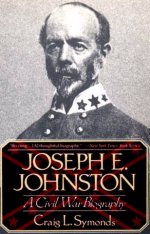 Joseph E. Johnston A Civil War Biography A biography of the public and private life of General Joseph E. Johnston, one of the most important Southern field commanders during the American Civil War |
Kindle Available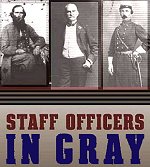 Staff Officers in Gray: A Biographical Register of the Staff Officers in the Army of Northern Virginia Profiles some 2,300 staff officers in Robert E. Lee's famous Army of Northern Virginia. A typical entry includes the officer's full name, the date and place of his birth and death, details of his education and occupation, and a synopsis of his military record. Two appendixes provide a list of more than 3,000 staff officers who served in other armies of the Confederacy and complete rosters of known staff officers of each general |
Kindle Available The Class of 1846: From West Point to Appomattox: Stonewall Jackson, George McClellan, and Their Brothers No single group of men at West Point has been so indelibly written into history as the class of 1846. The names are legendary: Thomas "Stonewall" Jackson, George B. McClellan, Ambrose Powell Hill, Darius Nash Couch, George Edward Pickett, Cadmus Marcellus Wilcox, and George Stoneman |
 History Channel Civil War A Nation Divided Rally the troops and organize a counterattack -- Your strategic decision and talent as a commander will decide if the Union is preserved or if Dixie wins its independence |
 Sid Meier's Civil War Collection Take command of either Confederate or Union troops and command them to attack from the trees, rally around the general, or do any number of other realistic military actions. The AI reacts to your commands as if it was a real Civil War general, and offers infinite replayability. The random-scenario generator provides endless variations on the battles |
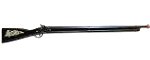 Civil War Musket Wood & Steel Frontier Rifle Designed After The Original Rifle, This Civil War Musket replica has been designed after the original rifle of its era. Measures approximately 37 inches long. Each is constructed with a solid one-piece wood stock, painted steel barrel and die-cast parts. |
|
|
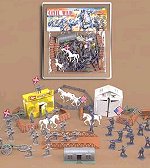 72 Piece Civil War Army Men Play Set 52mm Union and Confederate Figures, Bridge, Horses, Canon
|
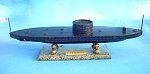 Monitor 21" Civil War Ship Wood Model Fully Assembled
|
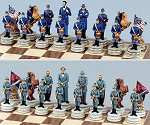 Civil War Chess Set Painted civil war chess set. Dimensions: Chess set pieces: 3-1/4" King's; 1-1/8" bases |
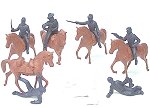 Civil War Union Cavalry: 25 Piece Set
|

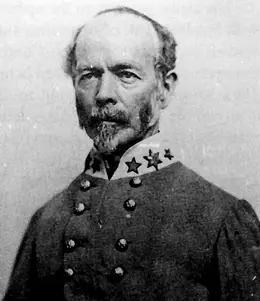 engineers in Texas and during 1855–1860 was assigned as a lieutenant colonel of the 1st Cavalry. Promoted to brigadier general, Johnston became Quartermaster General of the U.S. Army, a position he held until May 1861. Upon the secession of Virginia from the Union, he resigned his commission and became a brigadier general and soon after a general in the Confederate service.