|
|
|
|
Kindle Available Fields of Blood: The Prairie Grove Campaign A gripping narrative of the events surrounding Prairie Grove, Arkansas, one of the great unsung battles of the Civil War that effectively ended Confederate offensive operations west of the Mississippi River. Shea provides a colorful account of a grueling campaign that lasted five months and covered hundreds of miles of rugged Ozark terrain |
Kindle Available Civil War Curiosities: Strange Stories, Oddities, Events, and Coincidences |
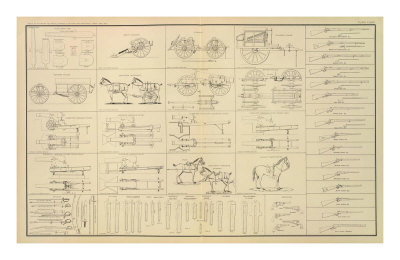 Civil War: Ordnance, Stores Print 48 in. x 31 in. $169.99 Buy at AllPosters.com Framed |
Kindle Available General James G. Blunt: Tarnished Glory General Blunt was an immensely successful leader. He and John Brown helped escaped slaves reach Canada; he led the defeat of Confederate troops at Fort Wayne, Prairie Grove, and Cane Hill. Also accused of corruption, womanizing, and egotistical tirades throughout his military career |
Arkansas State Battle Map State Battle Maps Civil War Exhibits Civil War Timeline Civil War Summary Documents of the War Ships and Naval Battles Women Civil War Soldiers Civil War Music History Confederate Commanders |
 Civil War Soldier 102 Piece Playset
|
 With Fire and Sword: Arkansas, 1861-1874 (Histories of Arkansas) Scholarly examination of just how the events of the Civil War and the Reconstruction so heavily devastated the state of Arkansas, its population and its economy |
 All Cut to Pieces and Gone to Hell Union General Frederick Steele led 8,500 soldiers out of comfortable quarters in Little Rock and into the pine and scrub woodlands of southwest Arkansas. Steele's intended target was Shreveport, Louisiana. He planned to join another Union force coming from Fort Smith, bringing his projected complement to 12,500 troops |
Kindle Available Civil War Arkansas, 1863 The Battle for a State The Arkansas River Valley is one of the most fertile regions in the South. During the Civil War, the river also served as a vital artery for moving troops and supplies. In 1863 the battle to wrest control of the valley was, in effect, a battle for the state itself. |
 Rugged and Sublime: The Civil War in Arkansas Arkansas was also the scene of bloody struggles, not only battles but smaller clashes involving guerillas as well. According to editor Mark Christ, the state of Arkansas saw "at least 771 Civil War military actions", a number which ranks the state fifth in total number of battles, actions, and skirmishes |
 Red River Campaign: Politics and Cotton in the Civil War Fought on the Red River throughout Central and Northwestern Louisiana, this campaign is a study in how partisan politics, economic need and personal profit determined military policy and operations in Louisiana and Arkansas during the spring of 1864. |
 Civil War Arkansas: Beyond Battles and Leaders Written and first published in 1866 soon after the author's discharge from the Union army, A.F. Sperry's History of the 33rd Iowa Infantry is one of the classic regimental histories of the American Civil War. It is a detailed account of the regiment's movements and actions |
 A Stranger And a Sojourner: Peter Caulder, Free Black Frontiersman in Antebellum Arkansas An illiterate free black man, defied all generalizations about race as he served with distinction as a marksman in the U.S. Army during the War of 1812, repeatedly crossed the color line, and became an Arkansas yeoman farmer, thriving and respected by white neighbors until he fell victim of new discriminatory legislation on the eve of the Civil War |
Kindle Available Wilson's Creek, Pea Ridge, and Prairie Grove: A Battlefield Guide, with a Section on Wire Road three of the most important battles fought west of the Mississippi River during the Civil War. They influenced the course of the first half of the war in that region by shaping Union military efforts while significantly contributing to Confederate defeat. A history of each battle and an overview of the larger strategy and tactics of the military action in which these battles figured. |
Women in the War
Kids Zone Underground Railroad
Civil War Submarines
Confederate President Jefferson Davis
General Stonewall Jackson
Sources:
U.S. National Park Service
U.S. Library of Congress.
