|
|
|
|
Kindle Available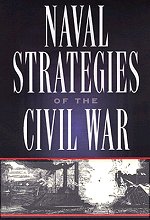 Naval Strategies of the Civil War: Confederate Innovations and Federal Opportunism Compare and contrast the strategies of the Southern Secretary of the Navy, Mallory, against his rival in the North, Welles. Mallory used technological innovation and the skill of individuals to bolster the South's seapower against the Union Navy's superior numbers |
Kindle Available Civil War Curiosities: Strange Stories, Oddities, Events, and Coincidences |
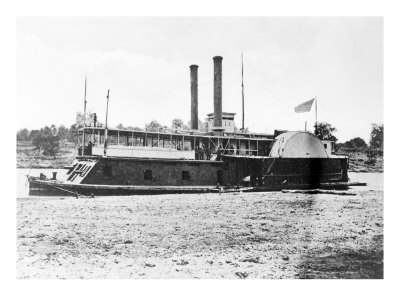 Mississippi River, U.S. Gunboat Fort Hindman, Civil War 24 in. x 18 in. Buy at AllPosters.com Framed Mounted |
 Civil War Soldier 102 Piece Playset
|
Ships and Naval Battles Louisiana State Battle Map State Battle Maps Confederate Commanders Civil War Summary Civil War Submarines Civil War Cooking Kids Zone Gettysburg Campaigns of the Civil War American Civil War Exhibits Civil War Timeline Women in the War |
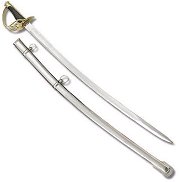 Cavalry Saber  Civil War Musket Wood & Steel Frontier Rifle Designed After The Original Rifle |
Kindle Available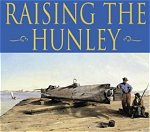 Raising the Hunley: The Remarkable History and Recovery of the Lost Confederate Submarine For more than a century the fate of the Hunley remained one of the great unsolved mysteries of the Civil War. Then, on August 8, 2000, with thousands of spectators crowding Charleston Harbor, the Hunley was raised from the bottom of the sea and towed ashore. |
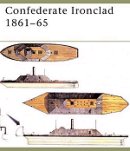 Confederate Ironclad 1861-65 Every aspect of Confederate ironclads is covered: design, construction, armor, armament, life on board, strategy, tactics, and actual combat actions. |
Kindle Available Reign of Iron: The Story of the First Battling Ironclads, the Monitor and the Merrimack The first ironclad ships to fight each other, the Monitor and the Virginia (Merrimack), were the unique products of American design genius |
 Battle on the Bay: The Civil War Struggle for Galveston Civil War history of Galveston is one of the last untold stories from America's bloodiest war, despite the fact that Galveston was a focal point of hostilities throughout the conflict. Galveston emerged as one of the Confederacy's only lifelines to the outside world. |
 Irish Rebels, Confederate Tigers: A History Of The 6th Louisiana Volunteers A predominately Irish brigade from New Orleans. This regiment fought in Virginia during the entire Civil War, since New Orleans was captured so early in the war and the 6th Louisiana virtually became orphans in regards to State support. |
 The Night the War Was Lost With the fall of the critical city of New Orleans in spring 1862 the South lost the Civil War, although fighting would continue for three more years. On the Mississippi River, below New Orleans, in the predawn of April 24, 1862, David Farragut with fourteen gunboats ran past two forts to capture the South's principal seaport. |
 In Camp and Battle With the Washington Artillery of New Orleans Describes all major actions from the First Battle of Bull Run to the final surrender at Appomatox. A must read for all Civil War buffs. First published in 1885, Reissued in a limited edition that is an exact reproduction of the original, with a few additions |
Kindle Available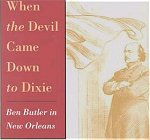 When the Devil Came Down to Dixie: Ben Butler in New Orleans Butler headed the federal occupation of New Orleans, where he quickly imposed order on a rebellious city. He also made out like a bandit, diverting an enormous amount of money into his personal coffers. High society scorned him for his infamous "Woman Order," |
Kindle Available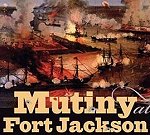 Mutiny at Fort Jackson: The Untold Story of the Fall of New Orleans Soldiers primarily recruited from large German and Irish populations. The Confederacy had done nothing to encourage poor white men to feel they had a place of honor in the southern republic. The mutineers actively sought to help the Union cause. Benjamin "Beast" Butler enjoyed the support of many white Unionists in New Orleans |
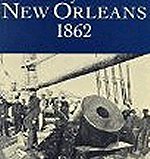 The Capture of New Orleans, 1862 On April 24, 1862, Federal gunboats made their way past two Confederate forts to ascend the Mississippi River, and the Union navy captured New Orleans. A hard look at the selection of military and naval leaders, the use of natural and financial resources, and the performances of all personnel involved. . |
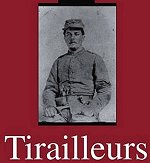 Tirailleurs: A History of The 4th Louisiana and The Acadians of Company H Soldiers from West Baton Rouge Parish, Louisiana. This book follows them through the Civil War and uses diaries, letters, and memoirs to allow the soldiers to tell their own story. From a bloodbath at Shiloh's Hornet's, Nest, to the Battle of Nashville. |
 Louisianians in the Civil War The suffering endured by Louisianians during and after the war—hardships more severe than those suffered by the majority of residents in the Confederacy. The wealthiest southern state before the Civil War, Louisiana was the poorest by 1880 |
 Halls of Honor The U.S. Navy Museum takes you on an informed and entertaining romp through one of North America s oldest and finest military museums. The museum has been in continuous operation at the Washington Navy Yard since the American Civil War |
 Raise The Alabama She was known as "the ghost ship." During the Civil War, the CSS Alabama sailed over 75,000 miles and captured more than 60 Union vessels. But her career came to an end in June of 1864 when she was sunk by the USS Kearsarge off the coast of Northern France |
 PCN Tours Wounding of Stonewall Jackson The Battle of Chancellorsville |
 Kansas Pacific With the Civil War about to begin, Southern saboteurs try to prevent railroad construction from crossing Kansas to the frontier. |
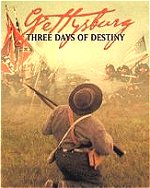 Gettysburg: Three Days of Destiny Presented by the Gettysburg Anniversary Committee and filmed at the massive 140th Gettysburg Battle Reenactment. The dramatic story unfolds through both Union and Confederate commanders dispatches, diaries and after-battle reports, with some of the biggest and most exciting Civil War battle sequences ever filmed |
 Blue Vs. Gray - Killing Fields Relive the most vicious fighting of the Civil War, in which General Ulysses S. Grant forcibly reversed the tide of the conflict by paying with the blood of thousands. It was a desperate time for the Union |
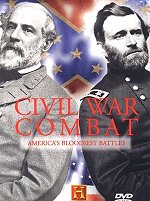 Civil War Combat America's Bloodiest Battles The violent mayhem of the hornet's nest at Shiloh, the valiant charge on the sunken road at Antietam, the carnage in the wheat field at Gettysburg, and the brutal fighting at Cold Harbor |
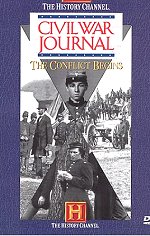 Civil War Journal The Conflict Begins These four programs from the History Channel series Civil War Journal cover critical aspects of the early days of the war. |
