|
|
|
|
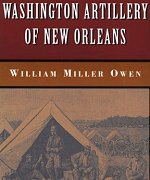 In Camp and Battle With the Washington Artillery of New Orleans Describes all major actions from the First Battle of Bull Run to the final surrender at Appomatox. A must read for all Civil War buffs. First published in 1885, Reissued in a limited edition that is an exact reproduction of the original, with a few additions |
Kindle Available Civil War Curiosities: Strange Stories, Oddities, Events, and Coincidences |
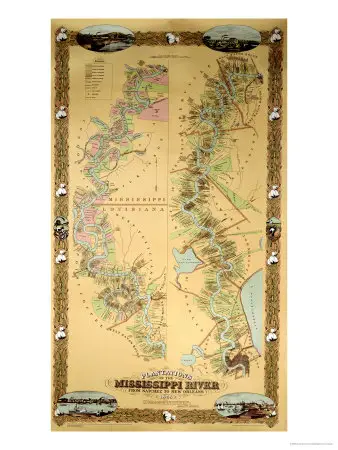 Map Depicting Plantations on the Mississippi River from Natchez to New Orleans, 1858 18 in. x 24 in. Buy at AllPosters.com Framed Mounted |
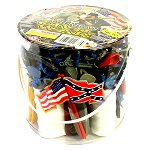 Civil War Soldier 102 Piece Playset
|
Louisiana State Battle Map State Battle Maps Confederate Commanders Civil War Summary Civil War Submarines Civil War Cooking Kids Zone Gettysburg Campaigns of the Civil War American Civil War Exhibits Civil War Timeline Women in the War |
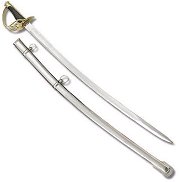 Cavalry Saber 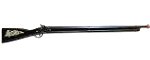 Civil War Musket Wood & Steel Frontier Rifle Designed After The Original Rifle |
 Irish Rebels, Confederate Tigers: A History Of The 6th Louisiana Volunteers A predominately Irish brigade from New Orleans. This regiment fought in Virginia during the entire Civil War, since New Orleans was captured so early in the war and the 6th Louisiana virtually became orphans in regards to State support. |
 The Night the War Was Lost With the fall of the critical city of New Orleans in spring 1862 the South lost the Civil War, although fighting would continue for three more years. On the Mississippi River, below New Orleans, in the predawn of April 24, 1862, David Farragut with fourteen gunboats ran past two forts to capture the South's principal seaport. |
In Camp and Battle With the Washington Artillery of New Orleans Describes all major actions from the First Battle of Bull Run to the final surrender at Appomatox. A must read for all Civil War buffs. First published in 1885, Reissued in a limited edition that is an exact reproduction of the original, with a few additions |
Kindle Available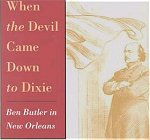 When the Devil Came Down to Dixie: Ben Butler in New Orleans Butler headed the federal occupation of New Orleans, where he quickly imposed order on a rebellious city. He also made out like a bandit, diverting an enormous amount of money into his personal coffers. High society scorned him for his infamous "Woman Order," |
Kindle Available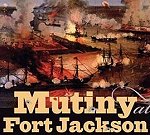 Mutiny at Fort Jackson: The Untold Story of the Fall of New Orleans Soldiers primarily recruited from large German and Irish populations. The Confederacy had done nothing to encourage poor white men to feel they had a place of honor in the southern republic. The mutineers actively sought to help the Union cause. Benjamin "Beast" Butler enjoyed the support of many white Unionists in New Orleans |
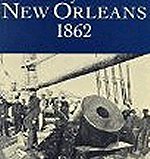 The Capture of New Orleans, 1862 On April 24, 1862, Federal gunboats made their way past two Confederate forts to ascend the Mississippi River, and the Union navy captured New Orleans. A hard look at the selection of military and naval leaders, the use of natural and financial resources, and the performances of all personnel involved. . |
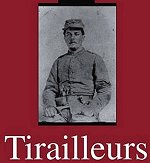 Tirailleurs: A History of The 4th Louisiana and The Acadians of Company H Soldiers from West Baton Rouge Parish, Louisiana. This book follows them through the Civil War and uses diaries, letters, and memoirs to allow the soldiers to tell their own story. From a bloodbath at Shiloh's Hornet's, Nest, to the Battle of Nashville. |
 Louisianians in the Civil War The suffering endured by Louisianians during and after the war—hardships more severe than those suffered by the majority of residents in the Confederacy. The wealthiest southern state before the Civil War, Louisiana was the poorest by 1880 |
 American Experience The Massachusetts 54th Colored Infantry After Lincoln signed the Emancipation Proclamation, the governor of Massachusetts was authorized to raise the first northern black regiment, the Massachusetts 54th colored infantry. |
 Brother Against Brother The American Civil War Fort Sumter, to the Confederate surrender at Appomattox, Features battle reconstructions and depictions of army life, eyewitness accounts, period photographs and engravings, plus commentary and analyses. |
 Ride With The Devil The bloody feud among neighbors in the border state of Missouri. In this war zone the destinies of several young Southern bushwhackers as they experience the violence and the seasons |
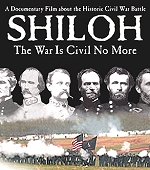 Shiloh: The War is Civil No More |
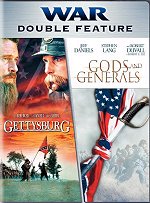 Gettysburg / Gods and Generals The tide of the war changes during three fierce days of combat at Gettysburg [Disc 1] the gripping saga of the tactics command errors and sacrifices behind the bloodiest battle ever fought on U.S. soil. Gods and Generals [Disc 2] reveals the spirited allegiances and fierce combat of earlier Civil War struggles |
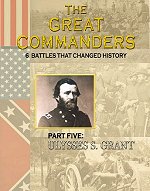 THE GREAT COMMANDERS Ulysses S. Grant Lee was determined to confront Grant's numerically-superior Union Army in the dense Spotsylvania wilderness. For Lee it was imperative to fight here, his army was massively outnumbered, with 61,000 men to Grant's 101,000 |
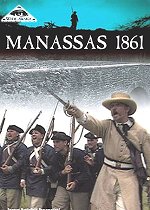 Manassas 1861 |

