|
|
|
|
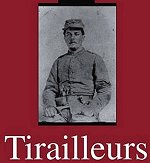 Tirailleurs: A History of The 4th Louisiana and The Acadians of Company H Soldiers from West Baton Rouge Parish, Louisiana. This book follows them through the Civil War and uses diaries, letters, and memoirs to allow the soldiers to tell their own story. From a bloodbath at Shiloh's Hornet's, Nest, to the Battle of Nashville. |
Kindle Available Civil War Curiosities: Strange Stories, Oddities, Events, and Coincidences |
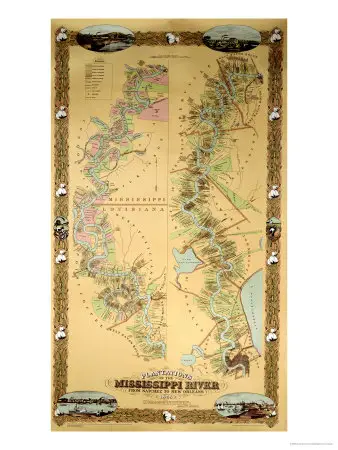
Map Depicting Plantations on the Mississippi River from Natchez to New Orleans, 1858 18 in. x 24 in. Buy at AllPosters.com Framed Mounted |
 Civil War Soldier 102 Piece Playset
|
Louisiana State Battle Map State Battle Maps Confederate Commanders Civil War Summary Civil War Submarines Civil War Cooking Kids Zone Gettysburg Campaigns of the Civil War American Civil War Exhibits Civil War Timeline Women in the War |
 History Channel Civil War A Nation Divided Rally the troops and organize a counterattack -- Your strategic decision and talent as a commander will decide if the Union is preserved or if Dixie wins its independence |
 Irish Rebels, Confederate Tigers: A History Of The 6th Louisiana Volunteers A predominately Irish brigade from New Orleans. This regiment fought in Virginia during the entire Civil War, since New Orleans was captured so early in the war and the 6th Louisiana virtually became orphans in regards to State support. |
 The Night the War Was Lost With the fall of the critical city of New Orleans in spring 1862 the South lost the Civil War, although fighting would continue for three more years. On the Mississippi River, below New Orleans, in the predawn of April 24, 1862, David Farragut with fourteen gunboats ran past two forts to capture the South's principal seaport. |
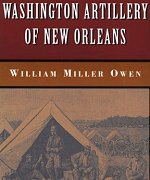 In Camp and Battle With the Washington Artillery of New Orleans Describes all major actions from the First Battle of Bull Run to the final surrender at Appomatox. A must read for all Civil War buffs. First published in 1885, Reissued in a limited edition that is an exact reproduction of the original, with a few additions |
Kindle Available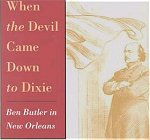 When the Devil Came Down to Dixie: Ben Butler in New Orleans Butler headed the federal occupation of New Orleans, where he quickly imposed order on a rebellious city. He also made out like a bandit, diverting an enormous amount of money into his personal coffers. High society scorned him for his infamous "Woman Order," |
 Red River Campaign Politics and Cotton in the Civil War Fought on the Red River throughout Central and Northwestern Louisiana, this campaign is a study in how partisan politics, economic need and personal profit determined military policy and operations in Louisiana and Arkansas during the spring of 1864. |
Kindle Available On Gunnery: The Art and Science of Field Artillery from the American Civil War to the Dawn of the 21st Century The fascinating evolution of artillery from the battlefields of the American Civil War to the desert sands of the middle east at the dawn of the 21st Century. Chronicling the evolution of fire direction and control from the muzzle loaded cannons of the Union and Confederacy |
Tirailleurs: A History of The 4th Louisiana and The Acadians of Company H Soldiers from West Baton Rouge Parish, Louisiana. This book follows them through the Civil War and uses diaries, letters, and memoirs to allow the soldiers to tell their own story. From a bloodbath at Shiloh's Hornet's, Nest, to the Battle of Nashville. |
 Louisianians in the Civil War The suffering endured by Louisianians during and after the war—hardships more severe than those suffered by the majority of residents in the Confederacy. The wealthiest southern state before the Civil War, Louisiana was the poorest by 1880 |
 The Last Confederate The Story of Robert Adams Great historically correct movie of a noble confederate and his undying love of a Yankee girl. |
 The Blue and the Gray The Complete Miniseries The Civil War proved a backdrop for this 1982 miniseries. Complete and uncut three disc set. Two families divided by the War Between the States. A Southerner caught when he becomes a war correspondent for the Northern newspaper. He finds himself where history's in the making from the Battle of Bull Run to Abraham Lincoln's assassination |
 The Last Days of the Civil War - April 1865: The Month That Saved America, Civil War Combat: The Tragedy At Cold Harbor The remarkable succession of events leading from the fall of Richmond to Appomattox. |
The Last Days of the Civil War - Biography: Abraham Lincoln & Robert E. Lee, Civil War Journal: Jefferson Davis In-depth profiles that series--illuminate the personalities at the heart of the conflict: Abraham Lincoln, Jefferson Davis, and Robert E. Lee |
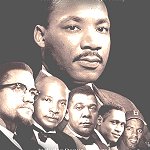 Black History: From Civil War Through Today This is an extraordinary collection of historical presentations that must be viewed in its entirety to be truly appreciated. The producers have done an excellent job in digitally restoring the vintage audio/videos but as must be expected by anyone who is knowledgeable of the restoration process some of the restorations are a bit jumpy |
 Underground Railroad The Underground Railroad, "the first civil rights movement," was no mere act of civil disobedience. The secret network of guides, pilots, and safe-house keepers (the Railroad's "conductors") was built by runaway slaves who, over the decades, communicated their experiences through songs and secret gestures, and were supported by abolitionists (many of them former slaves) who risked their own freedom to help free the enslaved. The "passengers" risked their lives. |
 History's Mysteries - Human Bondage The story of Africans forcibly enslaved and shipped to America is a well-known tale; yet, it is just one tragic episode in the saga of world slavery. For nearly 6,000 years of recorded history, conquerors have imprisoned their enemies and forced them to act as laborers |
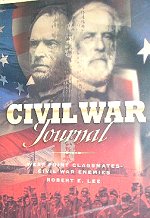 Civil War Journal, West Point Classmates - Civil War Enemies, Robert E. Lee Beyond the pages of history and into the personal stories behind the Great Conflict |
