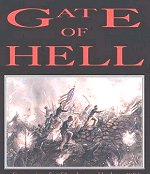
 Gate of Hell: Campaign for Charleston Harbor, 1863 Study of the Union's Campaign for Charleston. The many attacks the Union attempted that summer to capture the cradle of the Confederacy. Overview of the campaign, focusing on the relationships between the Army and the Navy of the United States |
Charleston Harbor
|
|
|
|
|
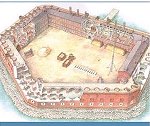 American Civil War Fortifications Coastal Brick and Stone Forts The design, construction and operational history of fortifications, such as Fort Sumter, Fort Morgan and Fort Pulaski. Stone and brick forts stretched from New England to the Florida Keys, and as far as the Mississippi River. A handful of key sites remained in Union hands throughout the war, the remainder had to be won back through bombardment or assault. |
Kindle Available Standard Catalog of Civil War Firearms Over 700 photographs and a rarity scale for each gun, this comprehensive guide to the thousands of weapons used by Billy Yank and Johnny Reb will be indispensable for historians and collectors. |
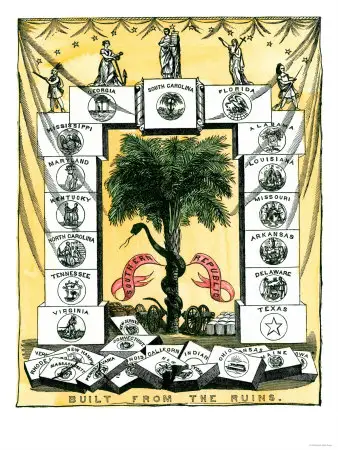 Banner of the Secession Convention Charleston, South Carolina, c.1860 18 in. x 24 in. Buy at AllPosters.com Framed Mounted |
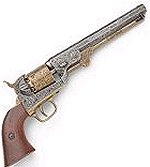 Civil War Model 1851 Naval Pistol Engraved Silver Tone / Gold Tone Finish and Wooden Grips - Replica of Revolver Used by Both USA / Union and CSA / Confederate Forces |
South Carolina State Battle Map State Battle Maps American Civil War Exhibits Civil War Submarines Ships and Naval Battles Confederate Naval History Civil War Summary Civil War Timeline Women Civil War Soldiers Reenactors Row Supplies |
 Civil War Nurse Barbie Part of the American Stories Collection. |
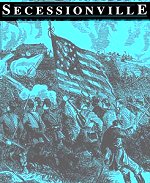 Secessionville: Assault On Charleston 1862 The Union forces led by General David Hunter attempted to capture the city of Charleston, by landing troops on James Island. All the movements on both sides focusing on the high commands of both armies the common soldiers who bore the brunt of the fighting |
 Confederate Charleston: An Illustrated History of the City and the People During the Civil War This book has so many facts that I had never read and pictures I'd never seen. The author really went into detail about the city and pictures that I haven't found in any other book. |
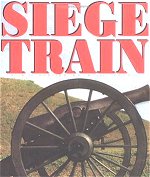 Siege Train: The Journal of a Confederate Artilleryman in the Defense of Charleston Major Edward Manigault, one of the commanding officers ordered by General P. G. T. Beauregard to document his unit's daily operations, began a diary in July 1863 that would become one of the most informative records to survive the Civil War. |
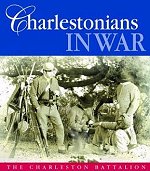
Kindle Available Charlestonians in War The Charleston Battalion The history of a Confederate unit that was central to the defense of Charleston: the 1st South Carolina Volunteer Infantry Battalion, usually known simply as the Charleston Battalion |
Kindle Available Naval Strategies of the Civil War: Confederate Innovations and Federal Opportunism Compare and contrast the strategies of the Southern Secretary of the Navy, Mallory, against his rival in the North, Welles. Mallory used technological innovation and the skill of individuals to bolster the South's seapower against the Union Navy's superior numbers |
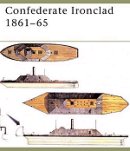 Confederate Ironclad 1861-65 Every aspect of Confederate ironclads is covered: design, construction, armor, armament, life on board, strategy, tactics, and actual combat actions. |
Kindle Available Reign of Iron: The Story of the First Battling Ironclads, the Monitor and the Merrimack The first ironclad ships to fight each other, the Monitor and the Virginia (Merrimack), were the unique products of American design genius |
 The Perfect Steel Trap Harpers Ferry 1859 Eye-witness accounts of the John Brown insurrection from people like Lee, Brown's family, and ordinary citizens. The information has been gathered by two of the raiders who escaped and live to tell about it Owen Brown and Osborne Anderson. The preparations, the raid, the trials, the executions and the aftermath of the event |
|
Books Civil War Womens Subjects Young Readers Military History DVDs Confederate Store Civil War Games Music CDs Reenactors |
