|
|
|
|
 Grant's Lieutenants From Chattanooga to Appomattox This new volume assesses Union generalship during the final two years of the Civil War. Steven Woodworth, one of the war's premier historians, is joined by a team of scholars-- Grimsley, Marszalek, and Hess, among others--who critique Ulysses S. Grant's commanders |
|
Kindle Available  Standard Catalog of Civil War Firearms Over 700 photographs and a rarity scale for each gun, this comprehensive guide to the thousands of weapons used by Billy Yank and Johnny Reb will be indispensable for historians and collectors. |
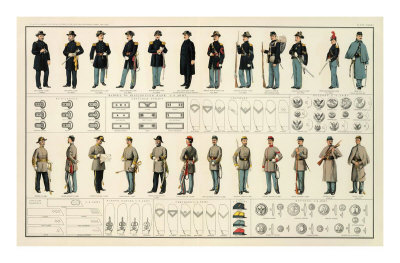 Civil War: Uniforms US and Confederate Armies 48 in. x 31.5 in. $169.99 Buy at AllPosters.com Framed |
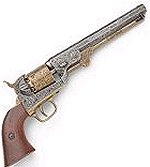 Civil War Model 1851 Naval Pistol Engraved Silver Tone / Gold Tone Finish and Wooden Grips - Replica of Revolver Used by Both USA / Union and CSA / Confederate Forces |
Tennessee State Battle Map State Battle Maps American Civil War Exhibits Campaigns of the War Civil War Summary Documents of the Civil War Confederate Commanders Union Generals Civil War Timeline Women Civil War Soldiers Ships and Naval Battles Confederate Supplies |
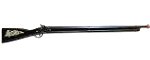 Civil War Musket Wood & Steel Frontier Rifle Designed After The Original Rifle, This Civil War Musket replica has been designed after the original rifle of its era. Measures approximately 37 inches long. Each is constructed with a solid one-piece wood stock, painted steel barrel and die-cast parts. |
Kindle Available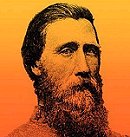 Advance And Retreat: Personal Experiences In The United States And Confederate States Armies John Bell Hood entered the Confederate Army at 29, loyal to Confederate Independence. He led his men into the battles of Second Manassas, Gaines's Mill, Sharpsburg, Fredericksburg, Gettysburg, and Chickamauga |
Kindle Available Tennessee in the Civil War Selected Contemporary Accounts of Military and Other Events, Month by Month |
 Winter Lightning: A Guide to the Battle of Stones River Lincoln thanked Rosecrans saying that the nation could not have taken another defeat. Additionally, Lincoln said he would remember this victory as long as he lived |
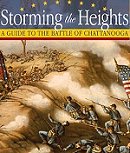 Storming the Heights: A Guide to the Battle of Chattanooga The Confederate victory of Chickamauga drove the Union Army of the Cumberland back to the key railroad hub of Chattanooga. In early October it had appeared that all Union gains in southern Tennessee might be lost |
 Where the South Lost the War: An Analysis of the Fort Henry-Fort Donelson Campaign The war probably could have been over in 1862 had Lieutenant Phelps destroyed the bridge at Florence. Not doing so provided a retreat for A. S. Johnston to move his men to Corinth and then to Shiloh |
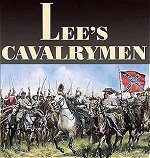 Lee's Cavalrymen: A History of the Mounted Forces of the Army of Northern Virginia, 1861-1865 The cavalry of the Army of Northern Virginia its leadership, the military life of its officers and men as revealed in their diaries and letters, the development of its tactics as the war evolved, and the influence of government policies on its operational abilities. All the major players and battles are involved |
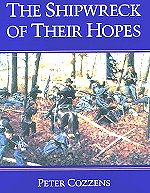 The Shipwreck of Their Hopes: The Battles for Chattanooga Cozzens follows up his magisterial account of the Battle of Chickamauga, This Terrible Sound (1992), with an equally authoritative study of the Chattanooga campaign that followed it. |
 The Confederacy's Last Hurrah: Spring Hill, Franklin, and Nashville John Bell Hood rallied his demoralized troops and marched them off the Tennessee, desperately hoping to draw Sherman after him and forestall the Confederacy's defeat |
Women in the War
Civil War Cooking
Civil War Submarines
Kids Zone Causes of the War
