 Battle at Bull Run: A History of the First Major Campaign of the Civil War The battle, was unique in the Civil War in that no general on either side had ever exercised high command in combat. July 21, 1861 would demonstrate that careers devoted to theoretical studies of warfare provided poor indicators of success in combat. |
First Manassas
|
|
|
|
This was the first major land battle of the Union and Confederate armies in Virginia.
|
 Manassas 1861 DVD  The Official Virginia Civil War Battlefield Guide Virginia was host to nearly 1/3rd of all Civil War engagements. This guide covers them all |
Upper Potomac River Map 1861 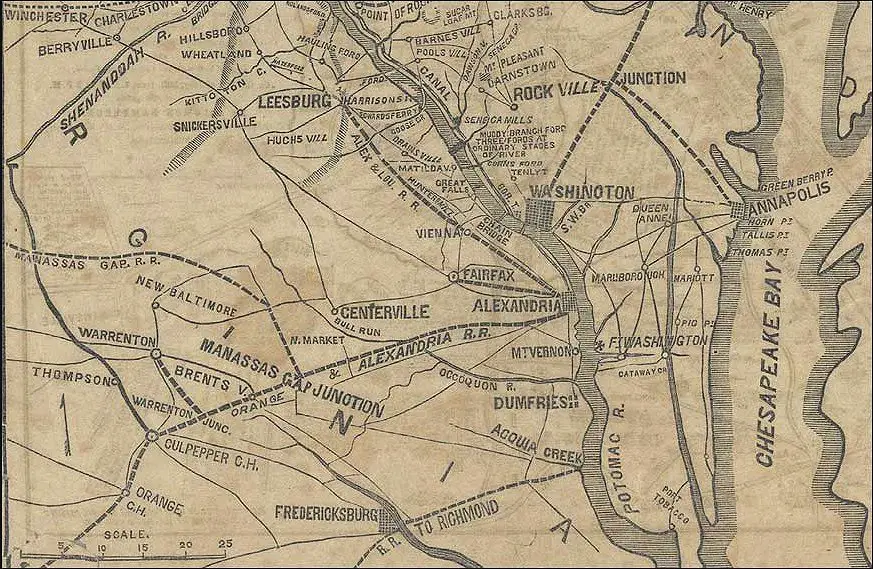 |
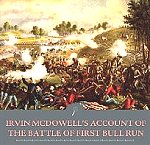
General Irvin McDowell's army of 35,000 Union troops marched from Washington, D.C. toward the railroad junction at Manassas. Here the Orange & Alexandria Railroad met the Manassas Gap Railroad, which led west to the Shenandoah Valley. Twenty-two thousand Southern soldiers under the command of General Pierre G.T. Beauregard guarded the area, waiting for an attack. On July 21, 1861, the two armies met on the fields overlooking a small stream named Bull Run. Meanwhile, on July 20th and 21st, 10,000 additional Southern troops arrived via the Manassas Gap Railroad. After hours of battle, the newly arrived southern units forced the exhausted and discouraged Union soldiers to withdraw back to Washington, D.C |
Kindle Available The Maps of First Bull Run An Atlas of the First Bull Run (Manassas) Campaign, including the Battle of Ball's Bluff, June-October 1861 The Maps of First Bull Run breaks down the entire operation (and related actions) into numerous map sets or "action-sections" enriched with more than fifty full-color original full-page maps. These cartographic originals bore down to the regimental and battery level and include the march to and from the battlefield and virtually every significant event in between. |
Joe Ryan Battlewalk Bull Run Youtube Channel JoeRyanCivilWar 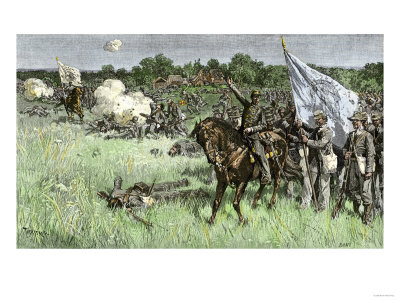
Rallying Confederate Troops under Bee First Battle of Bull Run Battle, c.1861 24 in. x 18 in. Buy at AllPosters.com Framed Mounted |
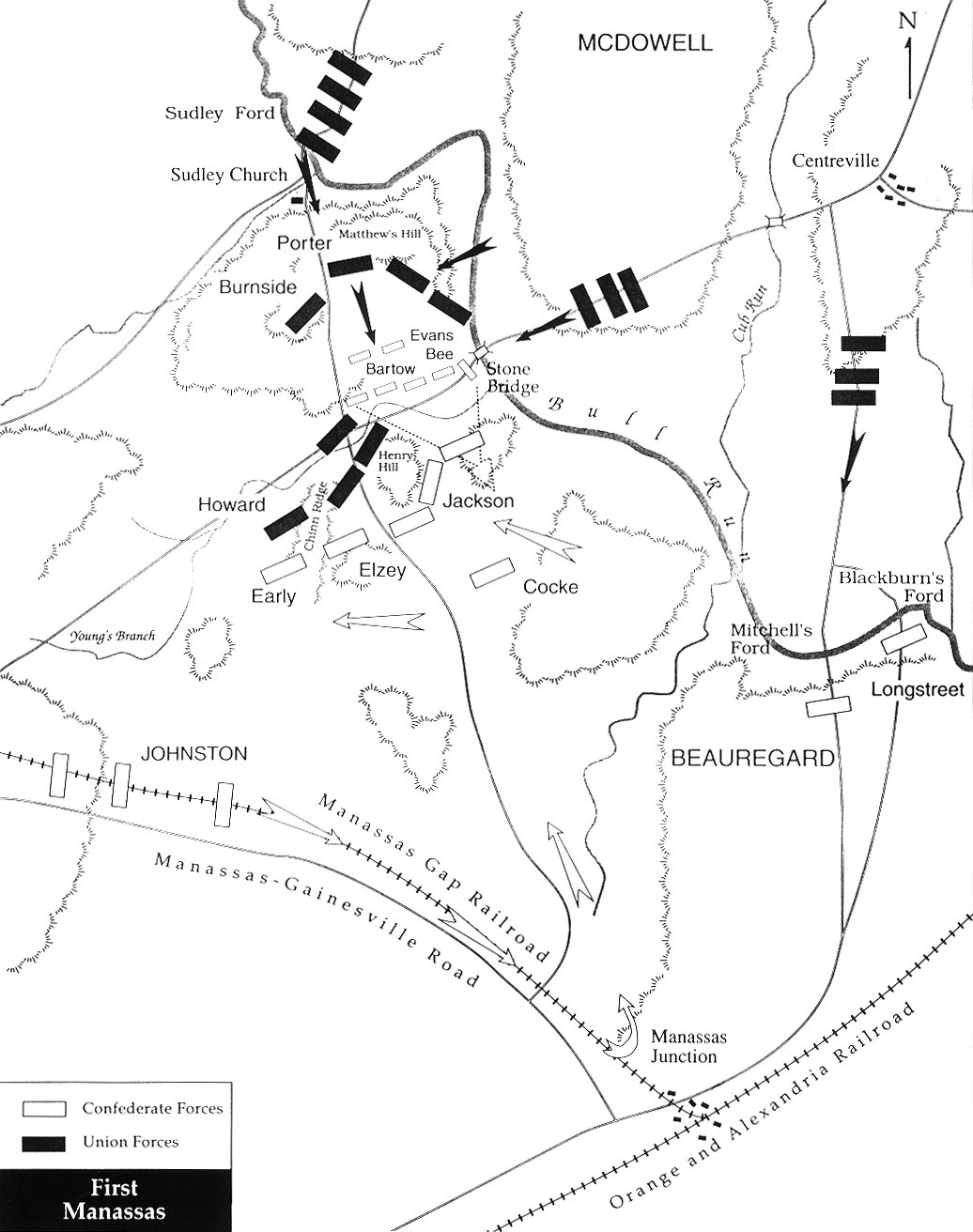 View of Bull Run 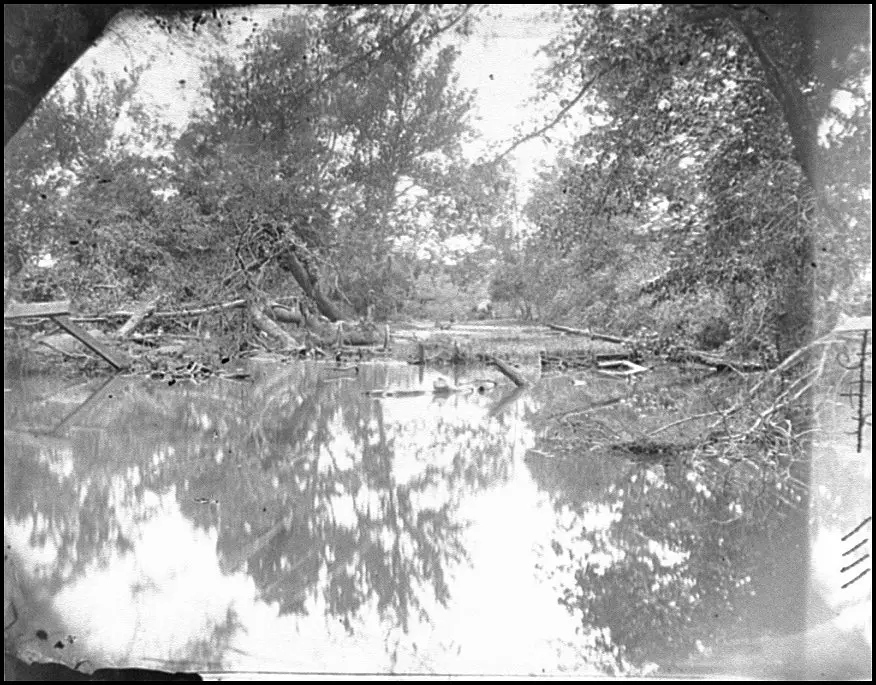 Sudley Ford, with the Sudley Church in the background 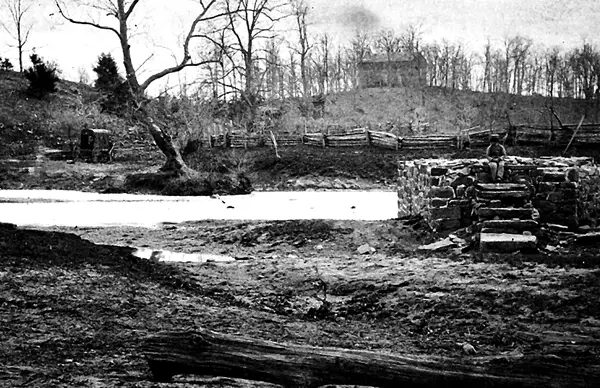 |
 72 Piece Civil War Army Men Play Set 52mm Union and Confederate Figures, Bridge, Horses, Canon
|
U.S. State Park Battle Map
More on First Bull Run
 Donnybrook: The Battle of Bull Run, 1861 One of the better overviews of the campaign and battle of First Manassas or Bull Run. The book is very easy to read and is broken down in manageable chunks, with the events before and after the battle. |
Kindle Available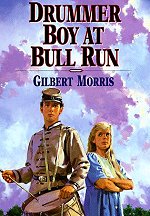 Drummer Boy at Bull Run You get to know two families during the Civil War. It focuses on the two teens Jeff and Leah who go through struggles with their friendship as Jeff's family joins the confederacy. |
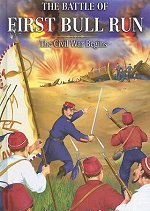 The Battle of First Bull Run The Civil War Begins Three months after the shelling of Fort Sumter, Union and Confederate forces met for the first time in earnest combat. However, neither side was prepared at this early stage of the war, and confusion reigned on the battlefield |
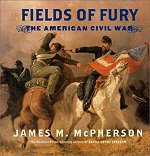 Fields of Fury The American Civil War Written for young readers a stirring account of the greatest conflict to happen on our nation's soil, the Civil War, bringing to life the tragic struggle that divided not only a nation, but also friends and family. well-organized, well-executed, kid-friendly history of the Civil War was a brilliant idea if there ever was one. It's difficult to imagine anyone doing a better job than McPherson at breaking down this complex, interrelated series of events |
Kindle Available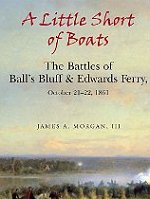 A Little Short of Boats: The Civil War Battles of Ball's Bluff and Edwards Ferry, October 21 - 22, 1861 The Northern troops were on largely open ground, poorly organized, and with their backs to the wide river when the Southern infantry attacked. The twelve fitful hours of fighting that followed ended in one of the worst defeats (proportionally speaking) either side would suffer during the entire Civil War |
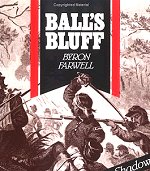 Balls Bluff: A Small Battle and Its Long Shadow Confederate troops scored what was probably the most complete victory by either side in the Civil War at a place called Ball's Bluff, thirty-five miles west of Washington, DC, on the Virginia bank of the Potomac River. Union soldiers were driven in a panic off the high bluff into the river, where many of them drowned |
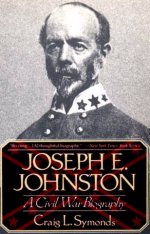 Joseph E. Johnston A Civil War Biography A biography of the public and private life of General Joseph E. Johnston, one of the most important Southern field commanders during the American Civil War |
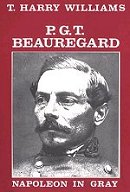 P.G.T. Beauregard Napoleon in Gray Beauregard often gets overlooked, he was never as beloved as Lee or Stonewall Jackson, but he was capable, the man had a sharp mind and Lee understood this, even if Jefferson Davis did not |
| Search AmericanCivilWar.com |
| Enter the keywords you are looking for and the site will be searched and all occurrences of your request will be displayed. You can also enter a date format, April 19,1862 or September 1864. |