A practical guide to Civil War rations on the march: hardtack, salt pork, coffee, cornmeal, substitutes, how rations were issued, and what soldiers did when ...
Andersonville and Elmira: The Harsh Reality of Civil War Prisons

Silas Weaver
Silas Weaver has spent decades exploring historic battlefields, reading primary journals, and tracking down the lesser-known stories of the American Civil War. His lifelong passion for 19th-century history comes through in his engaging accounts of the places, people, and lingering questions of the era. He believes that walking the actual grounds where history happened is the best way to truly connect with the past.
Published · Last updated
I have walked a lot of quiet ground in my life, but there is a particular kind of silence you feel at former prison sites. It is not the same hush as a battlefield at dawn. It is heavier, like the landscape remembers waiting.
Two names come up again and again whenever Civil War prisons are mentioned: Andersonville in Georgia and Elmira in New York. One sat under a Southern sun with a trickle of water running through it. The other froze under a Northern sky behind stout fencing. They were enemies’ camps, run by opposing governments, and yet the daily math for the men inside could look grimly similar: calories, shelter, clean water, and whether disease reached you before exchange or release did.
Why these two camps became symbols
Andersonville, officially Camp Sumter, opened in early 1864 as the Confederacy’s prison system buckled under the weight of captured Union soldiers. Elmira Prison Camp, sometimes called “Hellmira” by survivors, became a major Union holding camp for Confederate prisoners beginning in the summer of 1864.
Neither place started as a grand plan to kill prisoners. Both became notorious because of a convergence of pressures that turned predictable hardship into mass death: collapsing supply lines, overcrowding, administrative failures, and the brutal fact that by 1864 the prisoner exchange system had largely broken down.
If you want one lesson to carry into the rest of this story, it is this: most men did not die from a single dramatic act. They died from accumulation. A weak ration becomes weakness. Weakness becomes disease. Disease becomes a grave.
For broader context on daily survival in the 1860s, including what soldiers generally expected to eat when armies could feed them, see Civil War soldier rations. Prison fare, when it existed at all, was typically worse and more erratic.
Andersonville: heat, crowding, and a fouled creek
A stockade built for far fewer men
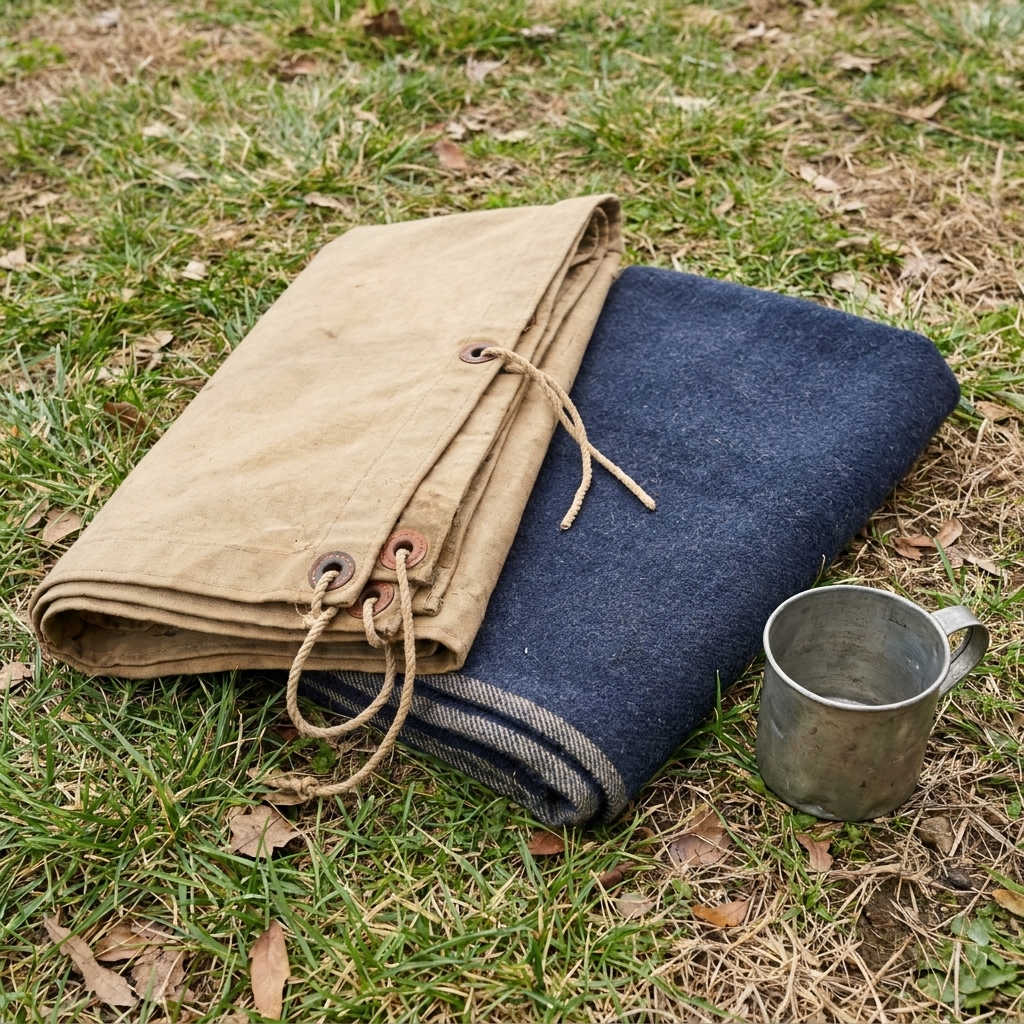
Andersonville was a pen of pine logs in southwest Georgia. Its most infamous feature was not a building. It was the lack of adequate shelter for prisoners. Men were largely expected to make do with scraps of cloth, blankets, bits of wood, and whatever could be bartered, begged, or scavenged. As the population swelled far past the site’s intended capacity, prisoners were pressed together on bare ground with little shade and less privacy.
When the water source became the problem
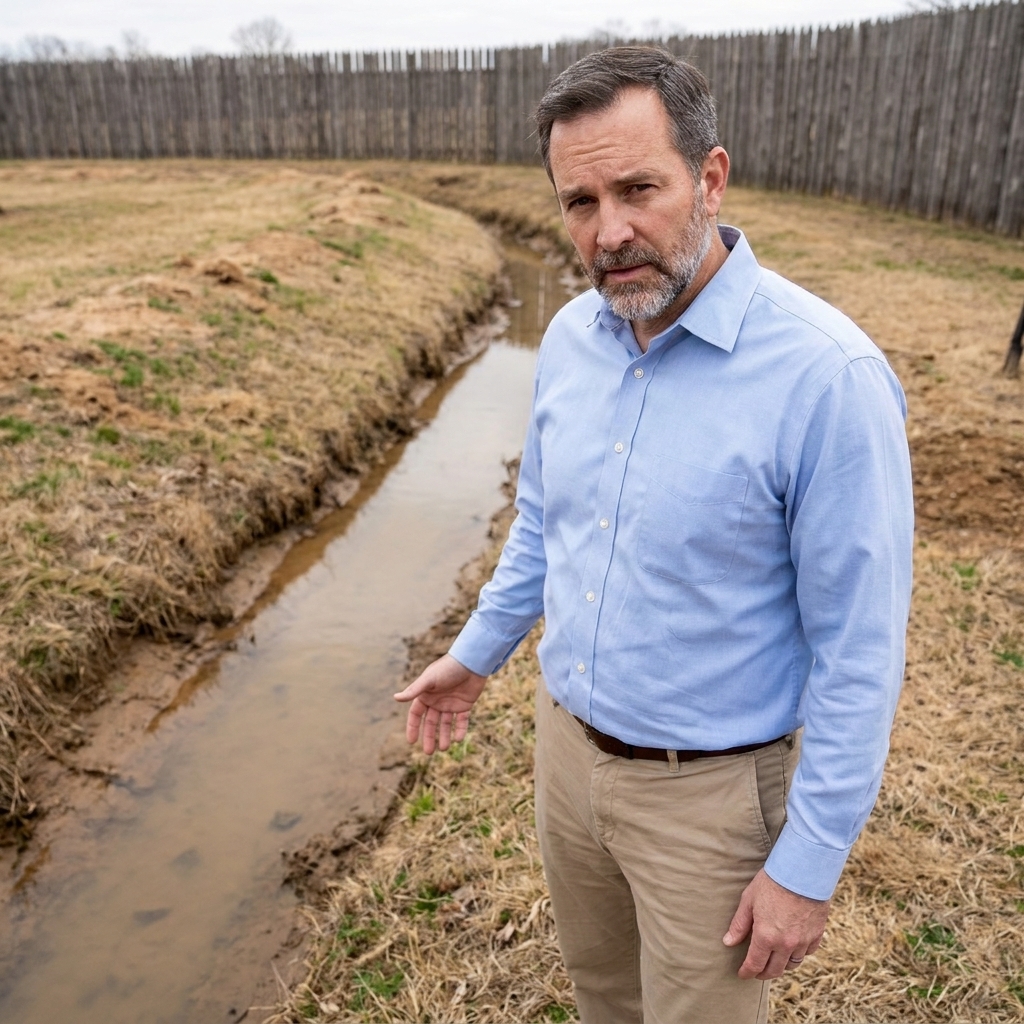
A small creek ran through the enclosure. On paper, a water source sounds like mercy. In practice, it became a downstream trap. With latrines, filth, and daily camp life concentrating around the same narrow channel, contamination built up. Dysentery and chronic diarrhea were not rare mishaps. They were camp weather, returning again and again.
Rations and the collapsing Confederate supply
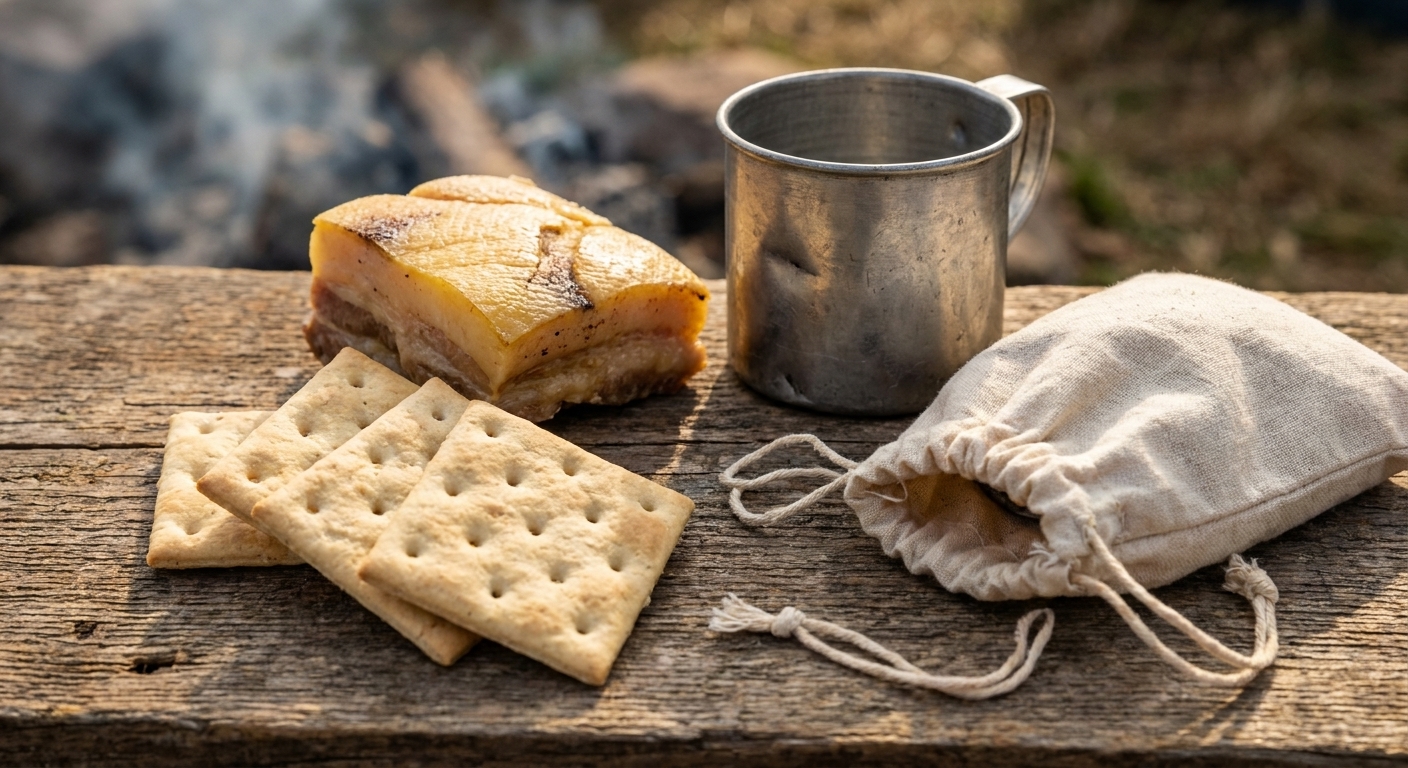
By 1864, the Confederacy was struggling to feed its own armies and civilian population. Prisoners were not going to get the best of anything. Even when rations were issued, they were often small, monotonous, and nutritionally thin, frequently reduced to cornmeal and occasional meat. That kind of diet could keep a man upright for a time, but it did not keep him well, especially once scurvy, fever, and intestinal disease began stripping the body of fluids and strength.
The deadline and danger within
Andersonville is also remembered for the “deadline,” a boundary inside the stockade that prisoners were warned not to cross. It was enforced with gunfire. That threat was real, but many survivors also described another fear: other prisoners. In desperate places, theft and violence flourish. Some men formed protective groups, some preyed on the weak, and many simply tried to become invisible.
Andersonville’s deadliest months clustered in mid-1864, when overcrowding and summer heat piled onto failing supplies and contaminated water. The suffering was not evenly distributed across the camp’s whole existence. It surged, then altered with weather, numbers, and policy, but the damage was already done to thousands.
Elmira: cold, exposure, and winter sickness
A camp on low ground in a hard season
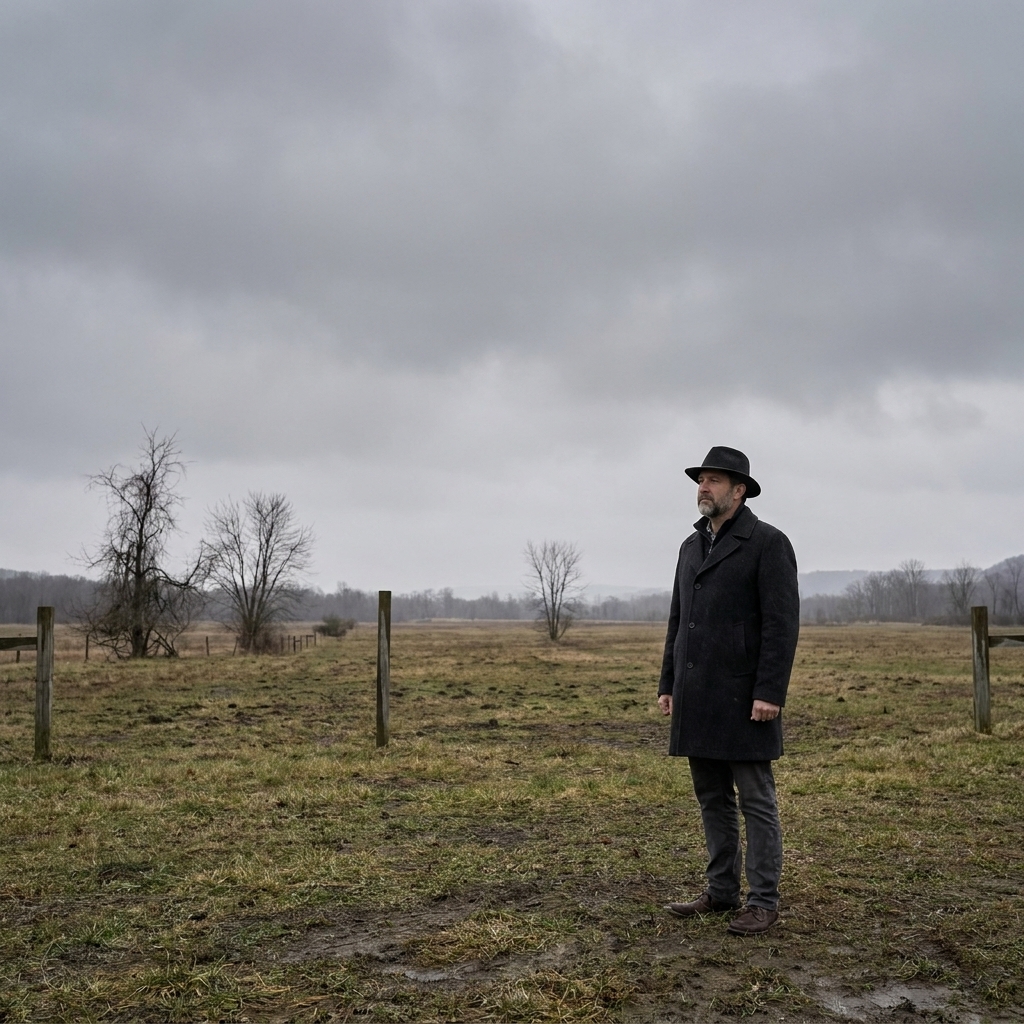
Elmira sat in New York’s Southern Tier, and its deadliest season was winter, especially 1864 to 1865. Cold itself did not kill everyone, but cold punishes every weakness. A man already underfed will not generate heat well. A man without dry clothing will not sleep. Add damp ground and inadequate shelter, and the line between “miserable” and “fatal” gets thin.
Barracks, tents, and the gap between provided and adequate
Elmira is sometimes contrasted with Andersonville by pointing out that it had more formal structures and issued equipment. That is true in a limited sense, but the question prisoners would have asked is simpler: does this keep the wind off me, and does it keep me dry? Overcrowding in barracks can be as dangerous as exposure outside. It concentrates lice, respiratory illness, and every contagion that thrives in close quarters, including pneumonia and other fevers that become deadly when a body is already worn thin.
Sanitation and the prison environment
Union authorities had better industrial resources than the Confederacy, but that did not automatically translate into a healthy camp. Drainage, latrine placement, waste removal, and clean water mattered as much as food. Once a camp becomes muddy, fouled, and packed, disease moves in. Survivors from Elmira described sickness that spread quickly and a sense of being slowly worn down by weather, diet, and despair.
Daily survival: what prisoners fought for each day
When people ask what life was “like” in these camps, I try not to answer with a single adjective. Misery came in practical forms, hour by hour. Here is what survival often depended on in both places.
- Water you could drink without paying for it later. A contaminated source could turn a strong man into a ghost in days.
- Something between you and the ground. Bare earth steals warmth and breeds illness. A board, a blanket, a layer of straw, anything helped.
- A way to shade or shelter yourself. In Georgia, shade mattered. In New York, windbreak and dryness mattered.
- Calories that arrived reliably. A ration that is small but steady can sometimes be managed. A ration that is small and unpredictable breaks men.
- Community, however fragile. Messmates shared food, traded favors, and watched each other for signs of collapse. Isolation could be deadly.
Numbers that still stun
Andersonville is often summarized with a single staggering statistic: roughly 12,900 Union prisoners died there out of about 45,000 held, a mortality rate near 29 percent. Elmira’s toll is smaller in raw numbers but terrible in proportion: roughly 2,960 Confederate prisoners died out of about 12,100 held, a mortality rate around 24 percent.
Those numbers are important, but they can also mislead if we treat them like the whole story. Death rates do not tell you how it felt to wake up thirsty and already weak. They do not show you the men who survived but carried chronic illness home. They do not capture the psychological grind of waiting for exchange that might never come.
Why exchange broke down
Early in the war, prisoner exchange offered at least a thin hope that captivity might be temporary. In practice, “exchange” meant a negotiated swap of captured soldiers, sometimes preceded by parole, where a prisoner pledged not to fight until formally exchanged.
As the conflict dragged on, policy hardened. Disputes over the status of Black Union soldiers and other political and military calculations helped poison the exchange system. By 1864, huge numbers of men were being held for longer periods, and both prison systems were strained beyond what their planners claimed they could handle.
Length of confinement matters. A camp might limp along for weeks under stress. It collapses over months.
Responsibility and the hard middle
People want a neat moral ledger: one side humane, the other side barbaric. The historical record resists that simplicity.
Andersonville sits at the intersection of Confederate shortage, administrative failure, and a choice to keep prisoners in a place that plainly could not sustain them. Conditions became so infamous that after the war the camp’s commandant, Henry Wirz, was tried and executed. His guilt and the fairness of the proceedings have been debated ever since, but there is no debating the suffering inside the stockade.
Elmira challenges any easy claim that Northern resources automatically meant decent captivity. The Union had more means, yet still held men in conditions that proved deadly, especially during winter. Neglect, mismanagement, and the indifference that can grow around enemy prisoners played their part.
The harsh truth is that mass suffering does not require a single villain with a single plan. It can come from systems under strain and leaders who accept preventable death as the cost of war.
What to notice when you visit
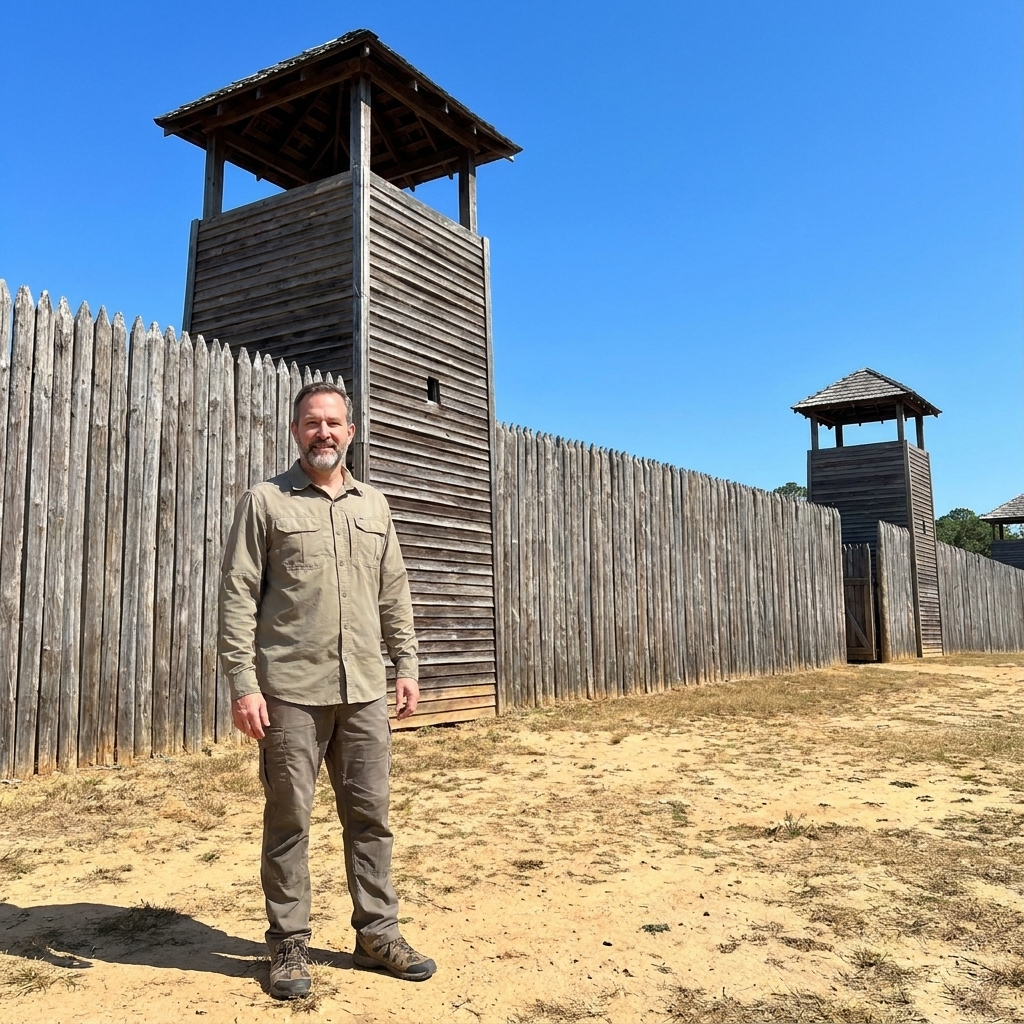
If you stand on these grounds now, you will not see the crowds, the smoke, the filthy rags, the makeshift shelters. You have to rebuild the picture in your mind, and it helps to focus on physical realities the landscape still suggests.
- Look for the scale. How many men were forced into that footprint?
- Find the water. Where did it come from, where did it go, and what would it become with thousands relying on it?
- Think like weather. Where is shade in summer? Where does wind cut through in winter? Where does water pool after rain?
- Ask what could be improved quickly. Drainage, shelters, wood for fires, latrine placement. Then ask why it was not done.
If you are planning a history trip with family, it helps to approach prison sites thoughtfully, especially with kids. I have a few field-tested ideas in How to keep kids engaged on a Civil War battlefield trip, and many of the same principles apply here: keep it human, keep it grounded, and do not turn suffering into spectacle.
Andersonville vs. Elmira
| Category | Andersonville (Georgia) | Elmira (New York) |
|---|---|---|
| Peak hardship driver | Overcrowding, scarce food, contaminated water, exposure | Winter cold, exposure, disease, overcrowding |
| Typical shelter | Mostly improvised by prisoners | More formal camp structures, but often inadequate |
| Signature environmental threat | Heat, filth, and a fouled creek | Cold, dampness, and wind |
| Approx. mortality rate | Near 29% | Around 24% |
| Lasting public memory | Icon of Confederate prison suffering | Reminder that Northern camps could be lethal too |
Common questions
Was Andersonville worse than Elmira?
In raw numbers of deaths, Andersonville was worse. In proportional terms, both were catastrophic. The lived experience differed by climate and camp layout, but the outcome often converged: starvation, disease, and exposure.
Did prisoners receive medical care?
There were hospitals and surgeons attached to many camps, including these, but “care” is a sliding word. Medicine was limited, sanitation was poor, and many illnesses of the era had no effective treatment. In crowded prisons, even decent doctors could be overwhelmed.
Were guards always brutal?
Accounts vary. Some guards were cruel, some were indifferent, and a few were remembered as occasionally humane. The larger story, though, is structural: even without daily beatings, the camps could still kill through neglect and deprivation.
Why didn’t governments prioritize prisoners more?
Because by late war, both governments were making grim choices about resources, manpower, and morale. Prisoners were politically easy to forget. They were out of sight, and they belonged to the enemy.
Carrying the story carefully
Whenever I write about prisons, I think about the way we talk at a monument or a cemetery. Quietly. Specifically. Without trying to squeeze meaning out of suffering too quickly.
Andersonville and Elmira were not just infamous places. They were environments that broke the ordinary supports of life: food, clean water, shelter, rest. When those supports disappear, history stops being abstract. It becomes a body trying to last one more day.
If you want more on the everyday realities that surrounded soldiers beyond the firing line, you can explore our Civil War Life guide. It is a different doorway into the same truth: the war was fought not only with rifles and cannon, but with hunger, weather, disease, and the limits of what humans can endure.