Kindle Available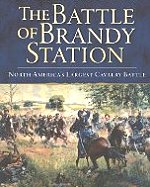 The Battle of Brandy Station North America's Largest Cavalry Battle Just before dawn on June 9, 1863, Union soldiers materialized from a thick fog near the banks of Virginia's Rappahannock River to ambush sleeping Confederates. The ensuing struggle, which lasted throughout the day, was to be known as the Battle of Brandy Station the largest cavalry battle ever fought on North American soil. |
CIVIL WAR
|
|
|
|
| The victorious Confederate Army of Northern Virginia streamed into Culpeper County after its victory at Fredericksburg. Under the leadership of General Robert E. Lee, the troops seemed invincible and massed around Culpeper preparing to carry the war north into Pennsylvania. These half-starved men had defeated armies twice their size at Fredericksburg and Chancellorsville, but the constant enemies of hunger and poor equipment were showing their effects. Lee was determined to strike north to capture horses, equipment, and food for his men. |
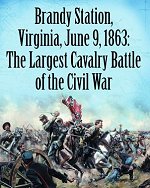
|
Kindle Available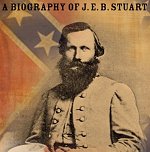 Cavalryman of the Lost Cause A Biography of J. E. B. Stuart James Ewell Brown Stuart was the premier cavalry commander of the Confederacy. He gained a reputation for daring early in the war when he rode around the Union army in the Peninsula Campaign, providing valuable intelligence to General Robert E. Lee at the expense of Union commander George B. McClellan Kindle Available 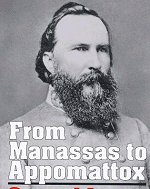 From Manassas to Appomattox General James Longstreet According to some, he was partially to blame for the Confederate defeat at Gettysburg; according to others, if Lee had followed Longstreet's advice, they would have won that battle. He has been called stubborn and vain; and he has been lauded as one of the greatest tacticians of the Civil War |
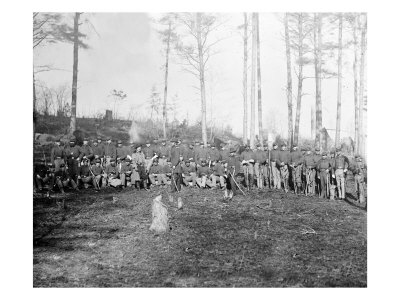
Brandy Station, Virginia, Calvary Soldiers, Civil War 24 in. x 18 in. Buy at AllPosters.com Framed Mounted |
Kindle Available Civil War Curiosities: Strange Stories, Oddities, Events, and Coincidences |
 Fighting with Jeb Stuart: Major James Breathed and the Confederate Horse Artillery Biography of this important Southern officer, a brave and virtuous warrior who embodied all the qualities that made the Confederate Army one of the finest in history. Major Breathed was involved in eighty-six battles, engagements and skirmishes. 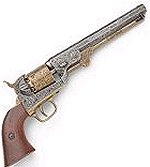 Civil War Model 1851 Naval Pistol |
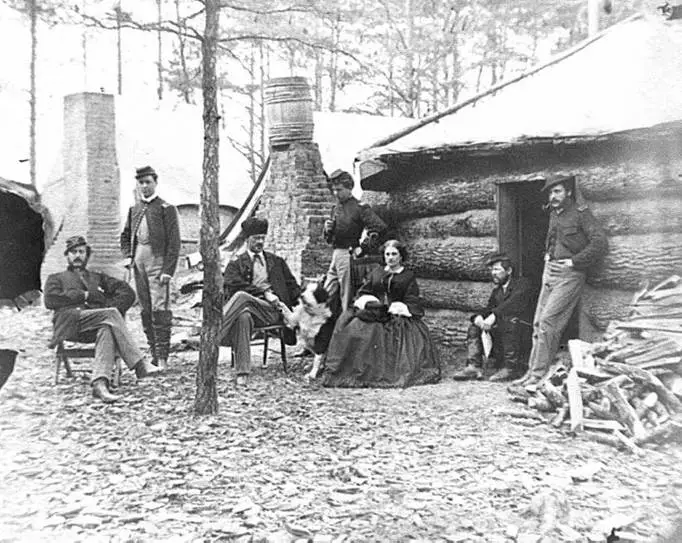
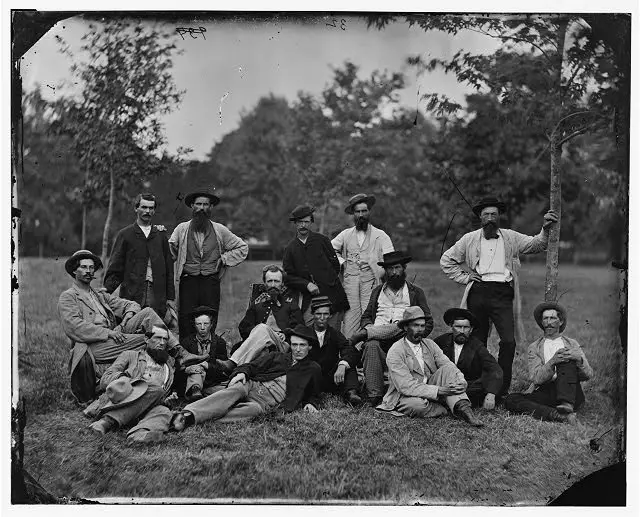
Officers and a woman at the Virginia headquarters of the First Brigade in Brandy Station, Virginia, 1864 Brandy Station Scouts 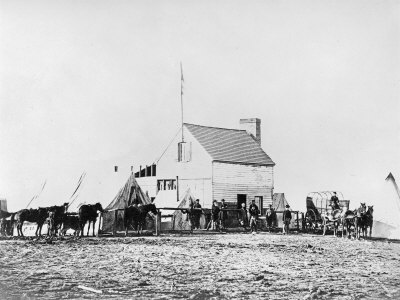
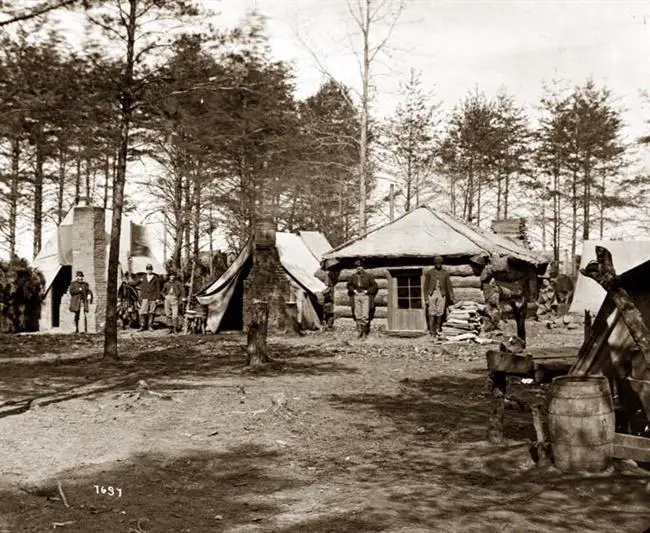
Headquarters of Sanitary Commission, Brandy Station, Virginia, 1863 Photographic Print 24 in. x 18 in. Buy at AllPosters.com Framed Mounted |
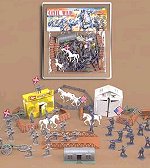 72 Piece Civil War Army Men Play Set 52mm Union and Confederate Figures, Bridge, Horses, Canon
|
More on Brandy Station Civil War Exhibits Virginia Battle Map 1863 Civil War Summary Women in the War Civil War Cooking Documents of the Civil War General Robert E. Lee General Ulysses S. Grant |
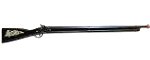 Civil War Musket Wood & Steel Frontier Rifle Designed After The Original Rifle 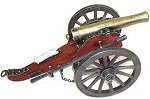 Civil War Cannon Collectible Models and childrens playsets Miniature Collectible Civil War Cannon12 pound Civil War field cannon replica weapon |
 Lee The Last Years After his surrender at Appomattox, Robert E. Lee lived only another five years - the forgotten chapter of an extraordinary life. These were his finest hours, when he did more than any other American to heal the wounds between North and South |
Kindle Available Robert E. Lee This book not only offers concise detail but also gives terrific insight into the state of the Union and Confederacy during Lee's life. Lee was truly a one of kind gentleman and American, and had Virginia not been in the south or neutral, he ultimately would have led the Union forces. |
 Four Years With General Lee Walter Taylor was staff officer to General Robert E. Lee. His book first appeared in 1877. For many years a standard authority on Confederate history, it is the source for dozens of incidents that have now become a part of every biography of Lee. |
Kindle Available The Maxims Of Robert E. Lee For Young Gentlemen: Advice, Admonitions, and Anecdotes on Christian Duty and Wisdom from the Life of General Lee All his life, Robert E. Lee relied upon his faith for strength and guidance not only in troubled times, but also as the foundation upon which he based all of his dealings with others. |
 The Union Generals Speak: The Meade Hearings on the Battle of Gettysburg The first annotated edition of the 1864 congressional investigation into Major General George Gordon Meade's conduct during the Gettysburg campaign. The transcripts alone, which present eyewitness accounts from sixteen participant officers at Gettysburg, offer a wealth of information about the most pivotal battles in American history |
 George Gordon Meade and the War in the East To most students of the Civil War, he is merely the man who was lucky enough to benefit from Confederate mistakes at Gettysburg, but whose shortcomings as a commander compelled Abraham Lincoln to bring in Ulysses S. Grant from the West to achieve victory |
Kindle Available Meade: Victor At Gettysburg Meade took command only hours before his forces stumbled upon Robert E. Lee's Confederates at Gettysburg, Pennsylvania, in 1863. He led his men to victory in one of the most famous battles in history, but Meade was soon embroiled in political battles with fellow generals and Washington politicians |
 Selected Letters of Joshua Lawrence Chamberlain, 1865-1914 Known as the hero of Little Round Top and the commanding officer who accepted the Confederates' surrender at Appomattox. |
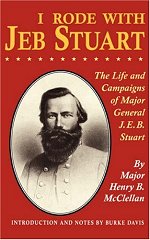 I Rode With Jeb Stuart: The Life And Campaigns Of Major General J. E. B. Stuart As early as First Manassas (Bull Run) he was contributing significantly to the Confederate victory; he subsequently displayed his daring and brilliance in the battles of Second Manassas, Antietam, Fredericksburg, Chancellorsville, and Brandy Station the most significant cavalry battle of the war, and Stuart's finest moment. General Lee depended on Stuart for knowledge of the enemy |
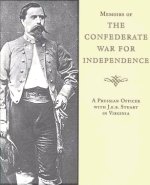 Memoirs of the Confederate War for Independence This is a wonderful memoir of the author's year and half of active service on the staff of the legendary Confederate cavalry General, J. E. B. Stuart. |
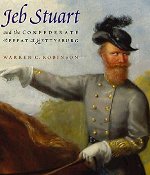 Jeb Stuart and the Confederate Defeat at Gettysburg Warren C. Robinson reassesses the historical record to come to a clearer view of Stuart's orders for the crucial battle (as well as what was expected of him), of his actual performance, and of the impact his late arrival had on the outcome of the campaign. |
Kindle Available Cavalryman of the Lost Cause A Biography of J. E. B. Stuart James Ewell Brown Stuart was the premier cavalry commander of the Confederacy. He gained a reputation for daring early in the war when he rode around the Union army in the Peninsula Campaign, providing valuable intelligence to General Robert E. Lee at the expense of Union commander George B. McClellan |
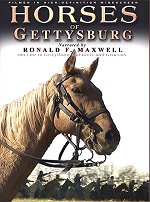 Horses of Gettysburg Civil War Minutes Filmed in high definition with charging horses, battlefield panoramas and no "talking heads," this cinematic documentary tells the story of the estimated 72,000 horses and mules that fought at the Battle of Gettysburg and uncovers the strategies employed to ensure that the millions of animals in service with the North and South remained healthy and well-trained for action. |
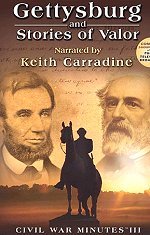 Gettysburg and Stories of Valor - Civil War Minutes III DVD Box Set This 3-hour documentary captures the scenic beauty of the Gettysburg battlefield, examines rare Civil War artifacts and tells the personal stories of the men who fought in the war. |
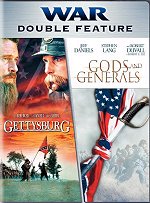 Gettysburg / Gods and Generals The tide of the war changes during three fierce days of combat at Gettysburg [Disc 1] the gripping saga of the tactics command errors and sacrifices behind the bloodiest battle ever fought on U.S. soil. Gods and Generals [Disc 2] reveals the spirited allegiances and fierce combat of earlier Civil War struggles |
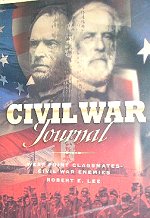 Civil War Journal West Point Classmates - Civil War Enemies Beyond the pages of history and into the personal stories behind the Great Conflict |
Source:
Library of Congress
National Park Service
Department of the Interior
|
Battle of Shiloh Civil War Map First Manassas Civil War Pictures Civil War Cooking Gettysburg Civil War Ships |