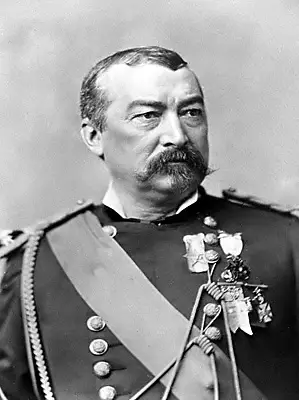
Major General Philip Sheridan
|
 |
 Howard Pyle Fine-Art Print 18" x 24" |
|
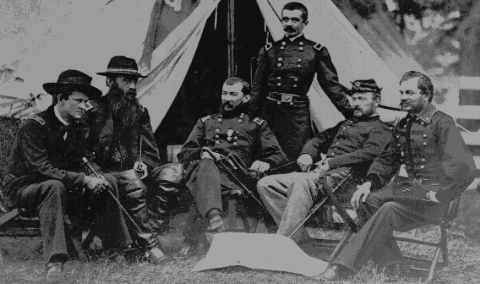
 Sheridan's Lieutenants: Phil Sheridan, His Generals, and the Final Year of the Civil War Summary of Sheridan's role in the last year of the Civil War. An introduction to the lives of a remarkable group of soldiers. Merritt, Mackenzie, Crook, Upton, and Wilson were young, gifted, and tough officers who contributed to Union victory. Custer is remembered today because he blundered at the Little Bighorn |
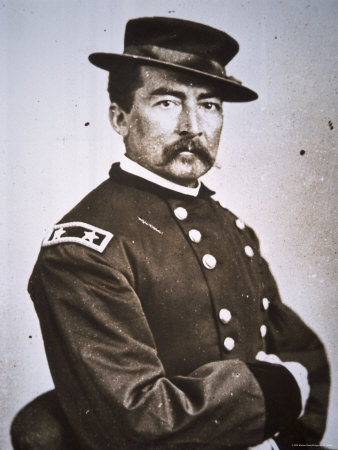
General Philip H. Sheridan Photographic Print 18 in. x 24 in. Buy at AllPosters.com Framed Mounted |
 Personal Memoirs of P.H. Sheridan, General United States Army Philip H. Sheridan earned the enmity of many Virginians for laying waste to the Shenandoah Valley. His date and place of birth is uncertain, but he himself claimed to have been born in New York in 1831 |
 Glory Enough for All: Sheridan's Second Raid and the Battle of Trevilian Station After the ferocious fighting at Cold Harbor Grant ordered his cavalry to distract the Confederate forces. Tthe battle that resulted when Confederate cavalry pursued and caught their Federal foes at Trevilian Station, Virginia, perhaps the only truly decisive cavalry battle of the American Civil War. |
 Little Phil: The Story of General Philip Henry Sheridan The author makes no pretense of presenting a scholarly recitation of the historic military maneuvers and tactics that surrounded the man's career. His purpose is to present the story of the man, using his own words and the words of his contemporaries so that we might see what he saw, hear what he heard, and feel what he felt. |
 Perryville: This Grand Havoc of Battle On October 8, 1862, Union and Confederate forces clashed near Perryville, Kentucky, in what would be the largest battle ever fought on Kentucky soil. |
Civil War Exhibits
Union Generals
Confederate Commanders
State Battle Maps
Women Civil War Soldiers
Ships and Naval Battles
Civil War Submarines
Reenactors Row Supplies
Confederate Store
Civil War Cooking
Summary of the Civil War
Civil War Store
 Civil War Combat: America's Bloodiest Battles The violent mayhem of the hornet's nest at Shiloh, the valiant charge on the sunken road at Antietam, the carnage in the wheat field at Gettysburg, and the brutal fighting at Cold Harbor |
 Civil War Journal - The Conflict Begins These four programs from the History Channel series Civil War Journal cover critical aspects of the early days of the war. |
 History Channel Presents The Civil War From Harper's Ferry, Fort Sumter, and First Bull Run to Shiloh, Antietam, and Gettysburg. The most legendary Civil War battles in brilliant detail. A selection of the soldiers and legendary leaders. |
 The Civil War - A Film by Ken Burns Here is the saga of celebrated generals and ordinary soldiers, a heroic and transcendent president and a country that had to divide itself in two in order to become one |
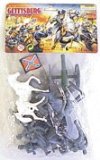 Gettysburg Playset 12 to 26 piece soldier play sets. Ages 6 and Up |
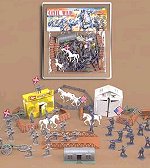 72 Piece Civil War Army Men Play Set 52mm Union and Confederate Figures, Bridge, Horses, Canon
|
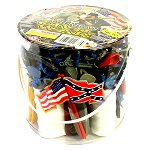 Civil War Soldier 102 Piece Playset
|
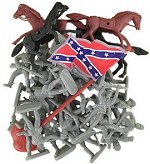 Confederate Toy Soldiers Playsets of Confederate and Union Soldiers. Sets come in pieces of 30 to 100. Artillery Cavalry foot soldiers and cannon sets |
||||
 Professor Noggin's Civil War Trivia Game
|
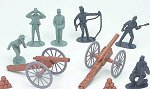 20 piece Civil War Artillery Playset Civil War Artillery Set: 20 piece set includes 12 Artillery Crew Figures in Blue and Gray that stand up to 58mm tall, 4 Parrott Rifle Gun Cannon about 4 inches long, and 4 Cannonball stacks |
 Civil War Pup Tent
|
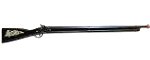 Civil War Musket Wood & Steel Frontier Rifle Designed After The Original Rifle, Fires Roll Caps This Civil War Musket replica has been designed after the original rifle of its era. Measures approximately 37 inches long. Each is constructed with a solid one-piece wood stock, painted steel barrel and die-cast parts. Will fire caps. Full orange tip attached as required by Federal Law. Ages 5+ |
|
Books Civil War Womens Subjects Young Readers Military History DVDs Confederate Store Civil War Games Music CDs Reenactors |

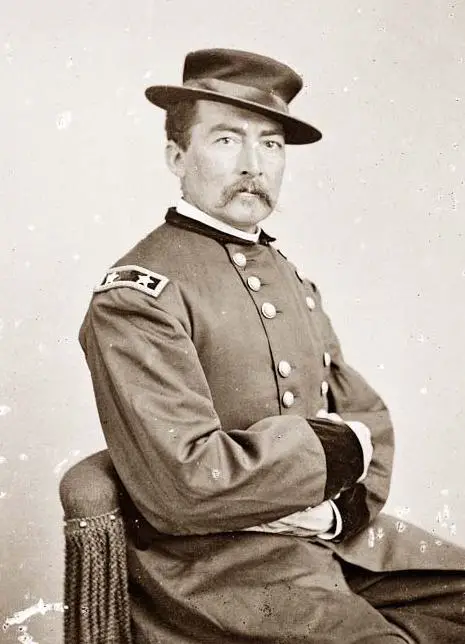 first lieutenant, 4th Infantry (March 1, 1861); captain, 13th Infantry (May 14, 1861); chief quartermaster and chief commissary of Subsistence, Army of Southwest Missouri, Department of the Missouri (ca. December 25, 1861-early 1862); colonel, 2nd Michigan Cavalry (May 25, 1862); commanding 2nd Brigade, Cavalry Division, Army of the Mississippi (June 1-September 4, 1862); brigadier general, USV (July 1, 1862); commanding 11th Division, Army of the Ohio (September-September 29, 1862); commanding 11th Division, 3rd Corps, Army of the Ohio (September 29-November 5, 1862); commanding 3rd Division, Right Wing, 14th Corps, Army of the Cumberland (November 5, 1862-January 9, 1863); major general, USV (December 31, 1862); commanding 3rd Division, 20th Corps, Army of the Cumberland (January 9-October 9, 1863); commanding 2nd Division, 4th Corps, Army of the Cumberland (October 10, 1863-February 17, 1864 and February 27-April 1864); commanding Cavalry Corps, Army of the Potomac (April 4-August 2, 1864); commanding Army of the Shenandoah (August 6-October 16, 1864 and October 19, 1864-February 28, 1865); also commanding Middle Military Division (August 6, 1864-February 27, 1865); brigadier general, USA (September 20, 1864); major general, USA (November 8, 1864); and commanding Sheridan's Cavalry Command (March-April 1865).