|
|
|
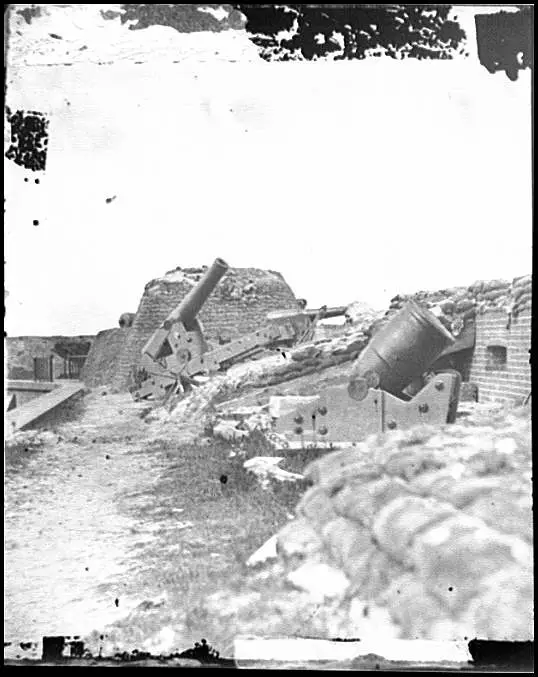 Fort Pulaski after it's capture by the Union. |
 Sumter is Avenged: The Siege and Reduction of Fort Pulaski Fort Pulaski controlled the harbor of Savannah, Georgia, and had to be destroyed for the Union blockade of Confederate shipping to become effective. The bombardment of Fort Pulaski was the first example of the use of rifled artillery against a masonry fort. Kindle Available  Wolf of the Deep: Raphael Semmes and the Notorious Confederate Raider CSS Alabama In July 1862, the Confederate captain Raphael Semmes received orders to report to Liverpool, where he would take command of a secret new British-built steam warship. His mission: to prey on Union commercial vessels and undermine the North's ability to continue the war |
Kindle Available  Standard Catalog of Civil War Firearms Over 700 photographs and a rarity scale for each gun, this comprehensive guide to the thousands of weapons used by Billy Yank and Johnny Reb will be indispensable for historians and collectors. |
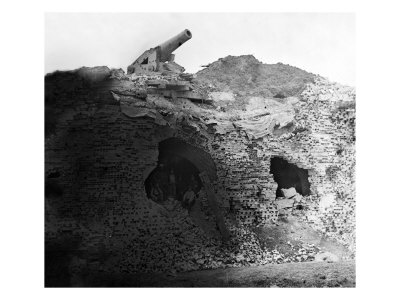
Fort Pulaski, Georgia Gun Mounted on Ft. Pulaski Wall, Civil War 24 in. x 18 in. Buy at AllPosters.com Framed Mounted |
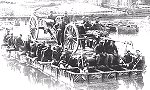 American Civil War Artillery 1861-65: Field and Heavy Artillery Perhaps the most influential arm of either army in the prosecution of the American Civil War, the artillery of both sides grew to be highly professional organizations. Because of the length of the coastline of the United States, from the beginning American ordnance placed an emphasis on its `Heavy Artillery' mounted in coastal defenses |
Georgia State Battle Map Civil War State Battle Maps American Civil War Exhibits American Civil War Timeline Civil War Summary Documents of the War Ships and Naval Battles Women Civil War Soldiers Civil War Music History Confederate Commanders |
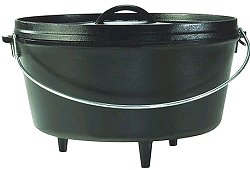 Lodge Logic Camp Dutch Oven Large 8 quart cast iron oven. The legs are for ease of use in campfires. Flanged lid to place coals on top of oven. Great for stews, chilli, roasts (wild game) and complete recipes for everything including old-fashioned bread. A must for reenactors villages. Camping Supplies Cast Iron Waffle Iron 12 Inch Pre Seasoned Cast Iron Skillet Full size military Camp Cot One and two man tents Large size and multiple room tents Hiking Boots Jan Sport Back Packs High Sierra Camp Equipment |
 Savannah A large Union army led by Sherman leaves Chattanooga and northern Georgia camps and marches south to Atlanta and ultimately arrives at the coastal city of Savannah, laying waste to the territory through which it passes |
 The Atlanta Campaign of 1864 The operations of the Union and Confederate armies from the perspective of the soldiers and the top generals. He offers new accounts and analyses of the major events of the campaign, and, in the process, corrects many long-standing myths, misconceptions, and mistakes. He challenges the standard view of Sherman's performance. |
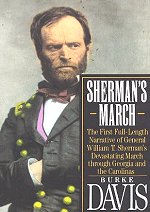 Sherman's March: The First Full-Length Narrative of General William T. Sherman's Devastating March through Georgia and the Carolinas Beginning with the fall of Atlanta, the unrelenting aggressive slash and burn total warfare of General Sherman's Union troops, and then the final march into Raleigh |
Kindle Available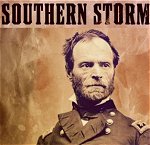 Southern Storm: Sherman's March to the Sea The destruction spanned more than sixty miles in width and virtually cut the South in two, disabling the flow of supplies to the Confederate army. He led more than 60,000 Union troops to blaze a path from Atlanta to Savannah, ordering his men to burn crops, kill livestock, and decimate everything that fed the Rebel war machine |
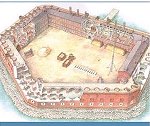 American Civil War Fortifications Coastal Brick and Stone Forts The design, construction and operational history of fortifications, such as Fort Sumter, Fort Morgan and Fort Pulaski. Stone and brick forts stretched from New England to the Florida Keys, and as far as the Mississippi River. A handful of key sites remained in Union hands throughout the war, the remainder had to be won back through bombardment or assault. |
 Guide to the Atlanta Campaign: Rocky Face Ridge to Kennesaw Mountain Following the capture of Chattanooga, the Union initiated battles and operations that took it from the Tennessee border to the outskirts of Atlanta. Bloody confrontations at places such as Resaca and New Hope Church. Grant had ordered Sherman to penetrate the enemy's interior and inflict "all the damage you can against their War resources," |
 Cracker Cavaliers: The 2nd Georgia Cavalry Under Wheeler and Forrest The Second Georgia fought in such famous campaigns as Perryville, Stones River, Chickamauga, Knoxville, Resaca, Atlanta, and Bentonville, they also participated in deadly encounters at Farmington, Mossy Creek, Noonday Creek, Sunshine Church, and Waynesboro |
 The Battle of Resaca: Atlanta Campaign, 1864 Ideal book for a Civil War buff. Take it with you if you visit the site. Written accounts from the soldiers that stormed across the hills put you in the moment. Several good maps and even pictures taken a few days after the battle help take you out of your living room and into the past |
Confederate President Jefferson Davis
Civil War Submarines
Civil War Cooking
Civil War Picture Album
