|
|
|
|
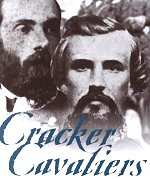 Cracker Cavaliers: The 2nd Georgia Cavalry Under Wheeler and Forrest The Second Georgia fought in such famous campaigns as Perryville, Stones River, Chickamauga, Knoxville, Resaca, Atlanta, and Bentonville, they also participated in deadly encounters at Farmington, Mossy Creek, Noonday Creek, Sunshine Church, and Waynesboro |
Kindle Available  Standard Catalog of Civil War Firearms Over 700 photographs and a rarity scale for each gun, this comprehensive guide to the thousands of weapons used by Billy Yank and Johnny Reb will be indispensable for historians and collectors. |
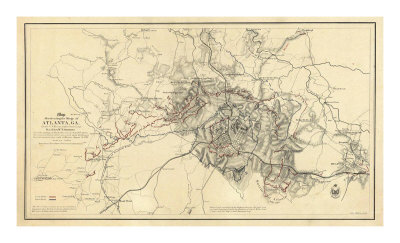
Civil War Map Illustrating the Siege of Atlanta, Georgia, c.1864 48 in. x 29.125 in. Buy at AllPosters.com Framed |
 Discovering the Civil War in Florida A Reader and Guide |
Georgia State Battle Map Civil War State Battle Maps American Civil War Exhibits American Civil War Timeline Civil War Summary Documents of the War Confederate Commanders Union Generals Women Civil War Soldiers Kids Zone Exhibits Civil War Music History Reenactors Row |
 Lodge Logic Camp Dutch Oven Large 8 quart cast iron oven. The legs are for ease of use in campfires. Flanged lid to place coals on top of oven. Great for stews, chilli, roasts (wild game) and complete recipes for everything including old-fashioned bread. A must for reenactors villages. Camping Supplies Cast Iron Waffle Iron 12 Inch Pre Seasoned Cast Iron Skillet Full size military Camp Cot One and two man tents Large size and multiple room tents Hiking Boots Jan Sport Back Packs High Sierra Camp Equipment |
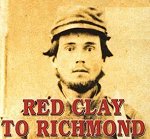 Red Clay to Richmond: Trail of the 35th Georgia Infantry Regiment, C.S.A. The story of the 35th Georgia Infantry Regiment. Using many previously unpublished primary accounts. Follow these men as they move from their homesteads to the Confederate capital at Richmond. Details the daily life of the average Confederate soldier.It reveals the true American spirit of courage exhibited through deprivation and hardship |
 Griswoldville The rise of Yankee Samuel Griswold from tineware peddler to industrial magnate. Details the history of Griswoldville from its creation to its destruction. Special attention is paid to the two military operations most closely identified with the little town: the Stoneman Raid and the stand of "Young Boys and Old Men" |
 Fields of Gray, Battle of Griswoldville, November 22, 1864 The heroic but vain fight of the Georgia troops made up of militia, state line, Athens and Augusta work battalions in their stand against Sherman's hardened veterans on their March to the Sea. In defense of family and homes the 4,000-5,000 Georgia troops under General Phillips attacked the Union right wing at Griswoldville |
 The Atlanta Campaign of 1864 The operations of the Union and Confederate armies from the perspective of the soldiers and the top generals. He offers new accounts and analyses of the major events of the campaign, and, in the process, corrects many long-standing myths, misconceptions, and mistakes. He challenges the standard view of Sherman's performance. |
 The Children of Pride: Selected letters of the family of the Rev. Dr. Charles Colcock Jones from the years 1860-1868 This book provides the thoughts of the entire family, all literate and well-spoken people, over the entire period from the 1850s, just living their ante-bellum experience, to the idea of the war on the horizon, entering into it and living it day by day. This is all seen through ordinary every-day experiences, family anecdotes, and discussions of what is occurring |
 Guide to the Atlanta Campaign: Rocky Face Ridge to Kennesaw Mountain Following the capture of Chattanooga, the Union initiated battles and operations that took it from the Tennessee border to the outskirts of Atlanta. Bloody confrontations at places such as Resaca and New Hope Church. Grant had ordered Sherman to penetrate the enemy's interior and inflict "all the damage you can against their War resources," |
 Savannah A large Union army led by Sherman leaves Chattanooga and northern Georgia camps and marches south to Atlanta and ultimately arrives at the coastal city of Savannah, laying waste to the territory through which it passes |
 The Battle of Resaca: Atlanta Campaign, 1864 Ideal book for a Civil War buff. Take it with you if you visit the site. Written accounts from the soldiers that stormed across the hills put you in the moment. Several good maps and even pictures taken a few days after the battle help take you out of your living room and into the past |
 The Battle of Peachtree Creek: An Audio Driving Tour This is a cd and a map packaged like an audiobook. Tour beautiful Atlanta neighborhoods while listening to audio describe the battle of Peachtree Creek. The route winds seven miles through the hills south of Buckhead before ending in Tanyard Creek Park on Collier Road. |
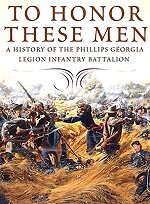 To Honor These Men: A History of the Phillips Georgia Legion Infantry Battalion The Georgia Legion was formed shortly after secession and fought in nearly every major engagement on the Eastern Front, including Wilderness and Appomatox |
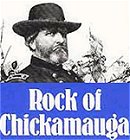 Rock of Chickamauga: The Life of General George H. Thomas Union General George Thomas was one of the five men most important in the North's victory. Military historians consider him one of the best defensive generals ever, a man who would have stood out in any war |
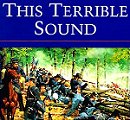 This Terrible Sound The Battle of Chickamauga Study of the great bloody battle of Chickamauga that was the last great offensive, although costsly, victory by the Confederates. This is a detailed account of the movements of regiments, brigades, divisions. |
Confederate President Jefferson Davis
Civil War Submarines
Civil War Cooking
Civil War Picture Album
