Bleeding Kansas
|
|
 Bleeding Kansas: Contested Liberty in the Civil War Era The civil war tore this territory apart in the 1850s and 60s, and "Bleeding Kansas" became a forbidding symbol for the nationwide clash over slavery that followed Kindle Available  Civil War on the Western Border, 1854-1865 Fanatical politics of the western frontier, immigrant abolitionists with loaded Spencer rifles funded by mysterious personages back East, cut-throats, gin heads and horse thieves, colorful character descriptions  Gray Ghosts of the Confederacy: Guerrilla Warfare in the West, 1861-1865 The establishment of a police state in Missouri and the subsequent backlash and ensuing war of sabotage by local guerrillas. Missouri and Kansas had shared much animosity in the years leading up to the Civil War  Three Years With Quantrill: A True Story Told by His Scout John McCorkle Quantrill is often maligned as a psychopathic killer and a despot. McCorkle refutes this common claim by the writers of the winner's history, shows that Quantrill was a compassionate and honorable man. He shows a side to the War of Northern Aggression that is rarely told |
 Civil War on the Missouri-Kansas Border The western front was the scene of some of that conflict's bloodiest and most barbaric encounters as Union raiders and Confederate guerrillas pursued each other from farm to farm with equal disregard for civilian casualties |
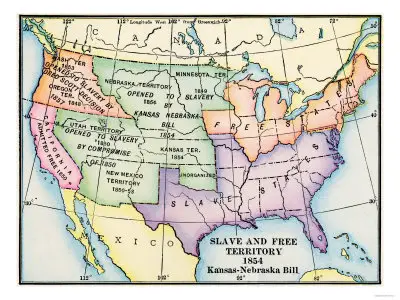 Map of Slave and Free Areas of the United States in 1854 Time of the Kansas-Nebraska Bill 24 in. x 18 in. Buy at AllPosters.com Framed Mounted |
 Civil War Model 1851 Naval Pistol  Civil War Musket Wood & Steel Frontier Rifle Designed After The Original Rifle |
Kansas State Battle Map State Battle Maps Civil War Timeline Ships and Naval Battles History of Colored Troops Confederate Navy Union Hardtack Recipe American Civil War Exhibits Civil War Summary Women in the War QuarterMaster Resources |
 Cavalry Saber This fine replica is 39 inches overall and features a highly polished 33 inch carbon steel blade. Its leather wrapped handle fits the hand perfectly and sports decorative brass accents and a shiny brass pommel. |
 Guide to Missouri Confederate Units The origins and history of Missouri Confederate units that served during the Civil War. Deeply torn, some Missourians chose sides enthusiastically, others reluctantly. The several thousand that sided with the Confederacy earned reputations for hard fighting exceeded by few other states, North or South |
Civil War on the Missouri-Kansas Border The western front was the scene of some of that conflict's bloodiest and most barbaric encounters as Union raiders and Confederate guerrillas pursued each other from farm to farm with equal disregard for civilian casualties |
 Jesse James and the Civil War in Missouri I wanted to know more about Jesse James and what was going on in Missouri during the time of the war. This book gave me a good basic understanding. It was very easy reading and helpful |
 Wilson's Creek: The Second Battle of the Civil War and the Men Who Fought It In 1861, Americans were preoccupied by the question of which states would join the secession movement and which would remain loyal to the Union. In Missouri, it was largely settled at Wilson's Creek on August 10, 1861, in a contest that is rightly considered the second major battle of the Civil War |
Three Years With Quantrill: A True Story Told by His Scout John McCorkle Quantrill is often maligned as a psychopathic killer and a despot. McCorkle refutes this common claim by the writers of the winner's history, shows that Quantrill was a compassionate and honorable man. He shows a side to the War of Northern Aggression that is rarely told |
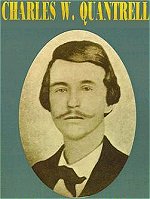 Charles W. Quantrell A True History Of His Guerilla Warfare On The Missouri And Kansas Border During The Civil War Of 1861-1865 This book was written just as Captain Harrison Trow told it to John P. Burch, giving accounts of fights that he participated in, narrow escapes experienced, dilemmas it seemed almost impossible to get out of, and also other battles |
Kindle Available Jesse James: Last Rebel of the Civil War This places James within a specific political context, showing why it was possible for this murderous bandit to emerge as a folk hero among Southern sympathizers following the Civil War in which he fought as a teenager |
Kindle Available John Hunt Morgan and His Raiders The "Thunderbolt of the Confederacy" John Hunt Morgan from Tompkinsville, Kentucky to Greeneville, Tennessee. |
 Bad Blood: The Border War That Triggered the Civil War In the years leading up to the Civil War, a bloody conflict between slaveholders and abolitionists focused the nation's eyes on the state of Missouri and the territory of Kansas. Told through the actual words of slave owners, free-staters, border ruffians, and politicians, Bad Blood presents the complex morality, differing values, and life-and-death decisions faced by those who lived on the Missouri-Kansas border |
 Blue Vs. Gray - Killing Fields Relive the most vicious fighting of the Civil War, in which General Ulysses S. Grant forcibly reversed the tide of the conflict by paying with the blood of thousands. It was a desperate time for the Union |
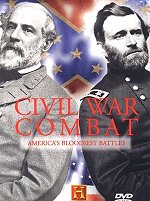 Civil War Combat: America's Bloodiest Battles The violent mayhem of the hornet's nest at Shiloh, the valiant charge on the sunken road at Antietam, the carnage in the wheat field at Gettysburg, and the brutal fighting at Cold Harbor |
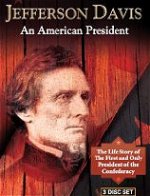 Jefferson Davis An American President One of the most outstanding statesmen of the United States during the first 60 years of the 19th century, he sacrificed everything to defend the South's position regarding the rights of the states and conservative constitutional interpretation. Against staggering odds he led the South and held it together in the bloody Civil War or War Between the States |
 Ride With The Devil The bloody feud among neighbors in the border state of Missouri. In this war zone the destinies of several young Southern bushwhackers as they experience the violence and the seasons |
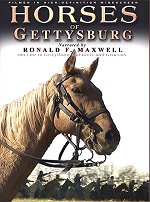 Horses of Gettysburg Civil War Minutes Filmed in high definition with charging horses, battlefield panoramas and no "talking heads," this cinematic documentary tells the story of the estimated 72,000 horses and mules that fought at the Battle of Gettysburg and uncovers the strategies employed to ensure that the millions of animals in service with the North and South remained healthy and well-trained for action. |
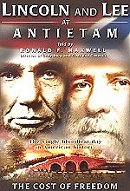 Lincoln and Lee at Antietam: The Cost of Freedom Lincoln and Lee at Antietam covers the entire struggle of the Antietam Campaign. The political concept about why Lincoln needed a Union victory and Lee's need to take the war north were covered as well as the battle. |
|
Books Civil War Womens Subjects Young Readers Military History DVDs Confederate Store Civil War Games Music CDs Reenactors |

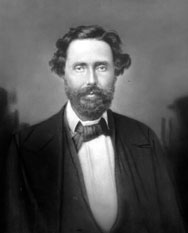 In April of 1858, Montgomery and his men fought U. S troops stationed at Fort Scott in the battle of Paint Creek. One soldier was killed in this encounter.