Kindle Available Jesse James: Last Rebel of the Civil War This places James within a specific political context, showing why it was possible for this murderous bandit to emerge as a folk hero among Southern sympathizers following the Civil War in which he fought as a teenager |
Carthage
|
|
|
|
|
Kindle Available Civil War on the Western Border, 1854-1865 Fanatical politics of the western frontier, immigrant abolitionists with loaded Spencer rifles funded by mysterious personages back East, cut-throats, gin heads and horse thieves, colorful character descriptions |
Kindle Available Standard Catalog of Civil War Firearms Over 700 photographs and a rarity scale for each gun, this comprehensive guide to the thousands of weapons used by Billy Yank and Johnny Reb will be indispensable for historians and collectors. |
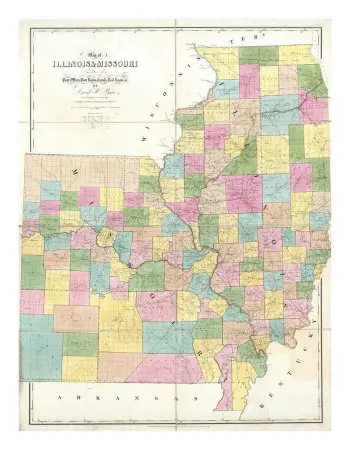 Map of Illinois and Missouri, c.1839 37. in. x 48 in. $169.99 Buy at AllPosters.com Framed |
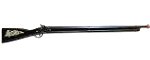 Civil War Musket Wood & Steel Frontier Rifle Designed After The Original Rifle, This Civil War Musket replica has been designed after the original rifle of its era. Measures approximately 37 inches long. Each is constructed with a solid one-piece wood stock, painted steel barrel and die-cast parts. 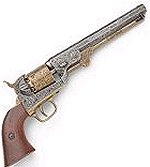 Civil War Model 1851 Naval Pistol |
Missouri State Battle Map |
 Civil War Soldier 102 Piece Playset
|
 Guide to Missouri Confederate Units The origins and history of Missouri Confederate units that served during the Civil War. Deeply torn, some Missourians chose sides enthusiastically, others reluctantly. The several thousand that sided with the Confederacy earned reputations for hard fighting exceeded by few other states, North or South |
 Civil War on the Missouri-Kansas Border The western front was the scene of some of that conflict's bloodiest and most barbaric encounters as Union raiders and Confederate guerrillas pursued each other from farm to farm with equal disregard for civilian casualties |
 Jesse James and the Civil War in Missouri I wanted to know more about Jesse James and what was going on in Missouri during the time of the war. This book gave me a good basic understanding. It was very easy reading and helpful |
 Wilson's Creek: The Second Battle of the Civil War and the Men Who Fought It In 1861, Americans were preoccupied by the question of which states would join the secession movement and which would remain loyal to the Union. In Missouri, it was largely settled at Wilson's Creek on August 10, 1861, in a contest that is rightly considered the second major battle of the Civil War |
 Three Years With Quantrill: A True Story Told by His Scout John McCorkle Quantrill is often maligned as a psychopathic killer and a despot. McCorkle refutes this common claim by the writers of the winner's history, shows that Quantrill was a compassionate and honorable man. He shows a side to the War of Northern Aggression that is rarely told |
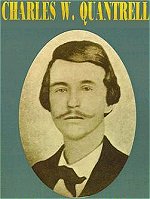 Charles W. Quantrell A True History Of His Guerilla Warfare On The Missouri And Kansas Border During The Civil War Of 1861-1865 This book was written just as Captain Harrison Trow told it to John P. Burch, giving accounts of fights that he participated in, narrow escapes experienced, dilemmas it seemed almost impossible to get out of, and also other battles |
Kindle Available Jesse James: Last Rebel of the Civil War This places James within a specific political context, showing why it was possible for this murderous bandit to emerge as a folk hero among Southern sympathizers following the Civil War in which he fought as a teenager |
Kindle Available John Hunt Morgan and His Raiders The "Thunderbolt of the Confederacy" John Hunt Morgan from Tompkinsville, Kentucky to Greeneville, Tennessee. |
|
Battle of Shiloh Civil War Map First Manassas Civil War Pictures Civil War Cooking Gettysburg Civil War Ships |
