 Confederate Ironclad 1861-65 Every aspect of Confederate ironclads is covered: design, construction, armor, armament, life on board, strategy, tactics, and actual combat actions. |
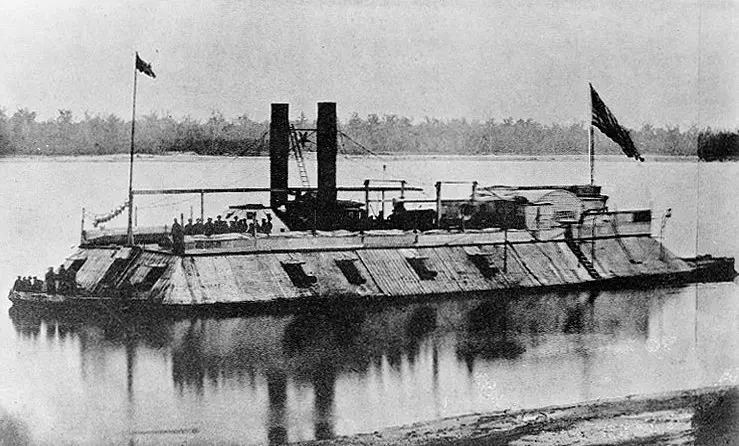
New Madrid Missouri
American Civil War
|
 P.G.T. Beauregard: Napoleon in Gray Beauregard often gets overlooked, he was never as beloved as Lee or Stonewall Jackson, but he was capable, the man had a sharp mind and Lee understood this, even if Jefferson Davis did not |
|
 Ironclads and Big Guns of the Confederacy : The Journal and Letters of John M. Brooke Information about the Confederate Navy's effort to supply its fledgling forces, the wartime diaries and letters of John M. Brooke tell the neglected story of the Confederate naval ordnance office, its innovations, and its strategic vision. |
Kindle Available Raising the Hunley: The Remarkable History and Recovery of the Lost Confederate Submarine Hunleyremained one of the great unsolved mysteries of the Civil War. |
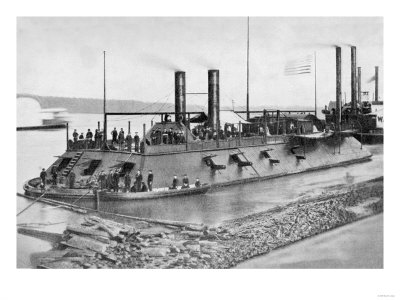
Ironclad River Gunboat, The Cairo 24 in. x 18 in. Buy at AllPosters.com Framed Mounted |
Kindle Available Reign of Iron: The Story of the First Battling Ironclads, the Monitor and the Merrimack The first ironclad ships to fight each other, the Monitor and the Virginia (Merrimack), were the unique products of American design genius |
|
Kindle Available Naval Strategies of the Civil War: Confederate Innovations and Federal Opportunism Compare and contrast the strategies of the Southern Secretary of the Navy, Mallory, against his rival in the North, Welles. Mallory used technological innovation and the skill of individuals to bolster the South's seapower against the Union Navy's superior numbers |
Ships and Naval Battles |
 Monitor 21" Civil War Ship Wood Model Fully Assembled
|
 Guide to Missouri Confederate Units The origins and history of Missouri Confederate units that served during the Civil War. Deeply torn, some Missourians chose sides enthusiastically, others reluctantly. The several thousand that sided with the Confederacy earned reputations for hard fighting exceeded by few other states, North or South |
 Civil War on the Missouri-Kansas Border The western front was the scene of some of that conflict's bloodiest and most barbaric encounters as Union raiders and Confederate guerrillas pursued each other from farm to farm with equal disregard for civilian casualties |
 Jesse James and the Civil War in Missouri I wanted to know more about Jesse James and what was going on in Missouri during the time of the war. This book gave me a good basic understanding. It was very easy reading and helpful |
 Wilson's Creek: The Second Battle of the Civil War and the Men Who Fought It In 1861, Americans were preoccupied by the question of which states would join the secession movement and which would remain loyal to the Union. In Missouri, it was largely settled at Wilson's Creek on August 10, 1861, in a contest that is rightly considered the second major battle of the Civil War |
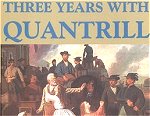 Three Years With Quantrill: A True Story Told by His Scout John McCorkle Quantrill is often maligned as a psychopathic killer and a despot. McCorkle refutes this common claim by the writers of the winner's history, shows that Quantrill was a compassionate and honorable man. He shows a side to the War of Northern Aggression that is rarely told |
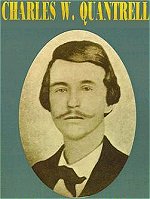 Charles W. Quantrell A True History Of His Guerilla Warfare On The Missouri And Kansas Border During The Civil War Of 1861-1865 This book was written just as Captain Harrison Trow told it to John P. Burch, giving accounts of fights that he participated in, narrow escapes experienced, dilemmas it seemed almost impossible to get out of, and also other battles |
Kindle Available Jesse James: Last Rebel of the Civil War This places James within a specific political context, showing why it was possible for this murderous bandit to emerge as a folk hero among Southern sympathizers following the Civil War in which he fought as a teenager |
Kindle Available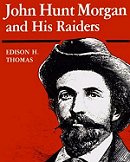 John Hunt Morgan and His Raiders The "Thunderbolt of the Confederacy" John Hunt Morgan from Tompkinsville, Kentucky to Greeneville, Tennessee. |
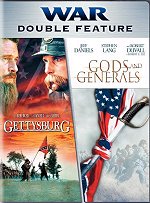 Gettysburg / Gods and Generals The tide of the war changes during three fierce days of combat at Gettysburg [Disc 1] the gripping saga of the tactics command errors and sacrifices behind the bloodiest battle ever fought on U.S. soil. Gods and Generals [Disc 2] reveals the spirited allegiances and fierce combat of earlier Civil War struggles |
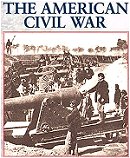 Brother Against Brother The American Civil War Fort Sumter, to the Confederate surrender at Appomattox, Features battle reconstructions and depictions of army life, eyewitness accounts, period photographs and engravings, plus commentary and analyses. |
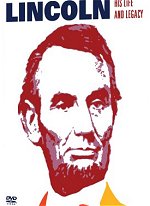 Abraham Lincoln: His Life & Legacy Comprehensive four-DVD set presents a complex portrait of a man who many consider to be our greatest commander-in-chief, but who considered himself "the loneliest man in the world." Bringing to life the tumultuous times in which Lincoln led his country, some of his finest Civil War moments, and his final hours |
 Unsolved History ~ Plots to Kill Lincoln Discovery Channel Before John Wilkes Booth fired that fatal shot in the balcony of Ford's Theater, President Lincoln was the target of at least five other assassination conspiracies. |
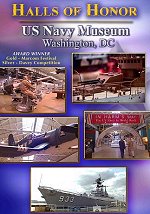 Halls of Honor The U.S. Navy Museum takes you on an informed and entertaining romp through one of North America s oldest and finest military museums. The museum has been in continuous operation at the Washington Navy Yard since the American Civil War |
 Raise The Alabama She was known as "the ghost ship." During the Civil War, the CSS Alabama sailed over 75,000 miles and captured more than 60 Union vessels. But her career came to an end in June of 1864 when she was sunk by the USS Kearsarge off the coast of Northern France |
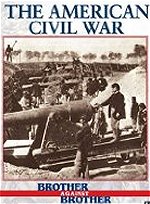 Brother Against Brother The American Civil War It was the most tragic episode in American history. During four years of bitter and bloody fighting between the states, more than 600,000 troops from the Union and Confederate sides lost their lives. The bloody events at places such as Antietam, Gettysburg, Shiloh, Cold Harbor, Vicksburg and Fredericksburg are still burned deep into the American psyche, never to be forgotten |
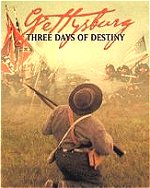 Gettysburg: Three Days of Destiny Presented by the Gettysburg Anniversary Committee and filmed at the massive 140th Gettysburg Battle Reenactment. The dramatic story unfolds through both Union and Confederate commanders dispatches, diaries and after-battle reports, with some of the biggest and most exciting Civil War battle sequences ever filmed |
|
Battle of Shiloh Civil War Map First Manassas Civil War Pictures Civil War Cooking Gettysburg Civil War Ships |