|
|
|
|
 Confederate Ironclad 1861-65 Every aspect of Confederate ironclads is covered: design, construction, armor, armament, life on board, strategy, tactics, and actual combat actions. |
Kindle Available Standard Catalog of Civil War Firearms Over 700 photographs and a rarity scale for each gun, this comprehensive guide to the thousands of weapons used by Billy Yank and Johnny Reb will be indispensable for historians and collectors. |
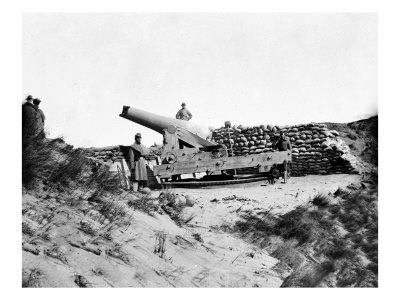
Fort Fisher, NC, Soldiers with Large Gun 24 in. x 18 in. Buy at AllPosters.com Framed Mounted |
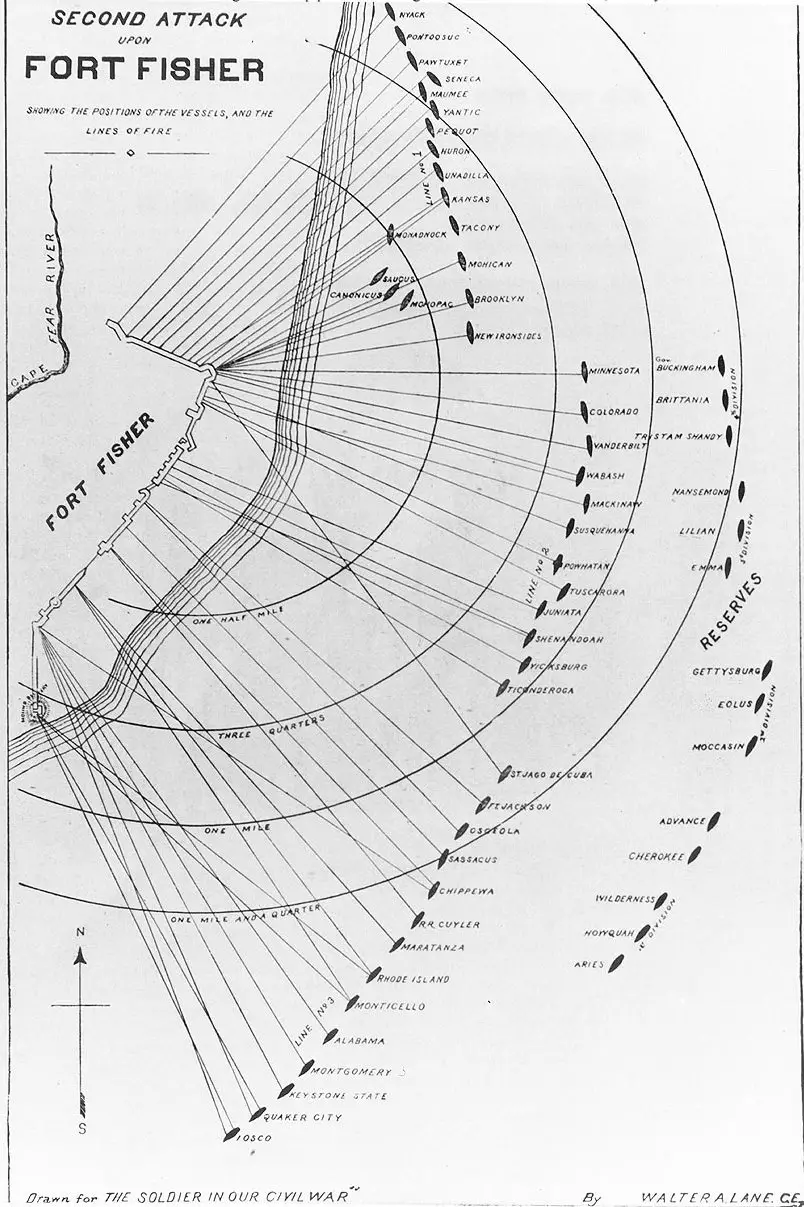
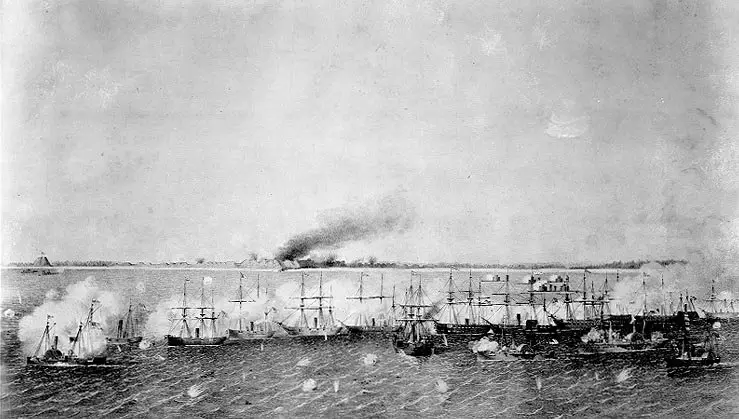
| One of the heaviest of the Civil War Naval battles was fought at Fort Fisher in 1864. This place guarded the approaches to Wilmington, North Carolina . Troops under Butler and a large fleet under Admiral Porter were destined for this enterprise. An incendiary vessel was exploded close to the works without effect on the 23rd-24th of December, and the ships engaged on the 24th. The next day the troops were disembarked, only to be called off after a partial assault. Butler then withdrew, and Porter was informed on the 31st that " a competent force properly commanded " would be sent out. On the 8th of January 1865 General Terry arrived with the land forces, and the armada arrived off Fisher on the 12th. On the 13th, 6000 men were landed, covered by the guns of the fleet, and, after Porter had subjected the works to a terrific bombardment, Fisher was brilliantly carried by storm on the 15th. Reinforcements arriving, the whole Union force then marched inland to meet Sherman. "Second Attack upon Fort Fisher, showing the positions of the vessels, and the lines of fire", 13-15 January 1865 Lithograph after a drawing by T.F. Laycock, published by Endicott & Co., New York, 1865, depicting the North Atlantic Blockading Squadron bombarding Fort Fisher, North Carolina, in preparation for its capture. The print is dedicated to Commodore S.W. Godon, USN. |
Kindle Available Naval Strategies of the Civil War: Confederate Innovations and Federal Opportunism Compare and contrast the strategies of the Southern Secretary of the Navy, Mallory, against his rival in the North, Welles. Mallory used technological innovation and the skill of individuals to bolster the South's seapower against the Union Navy's superior numbers  The Civil War on Hatteras Island North Carolina New light on the experiences of Civil War soldiers stationed on the Outer Banks. It follows the crucial maritime battles along the Outer Banks and the famous Burnsides Expedition. Aa fascinating history of how one of America's most treasured islands played a significant part in the Civil War  Confederate Submarines and Torpedo Vessels 1861-65 Interesting information and many excellent illustrations. It addresses the CSA David class torpedo boats and the Hunley (and its predecessors), as well as Union examples such as the Alligator and the Spuyten Duyvil |
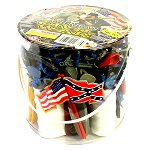 Civil War Soldier 102 Piece Playset
|
Ships and Naval Battles North Carolina State Battle Map State Battle Maps American Civil War Exhibits Civil War Timeline Women in the War Civil War Picture Album Civil War Maps Confederate Commanders Civil War Submarines Kids Zone Gettysburg General Stonewall Jackson |
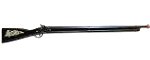 Civil War Musket Wood & Steel Frontier Rifle Designed After The Original Rifle 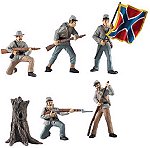 Confederate Army Civil War Collectibles |
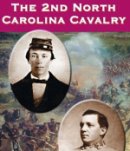 The 2nd North Carolina Cavalry The Second North Carolina Cavalry involvement with the Army of Northern Virginia and the North Carolina Cavalry Brigade, and includes official documents, letters written to and from home, diaries and memoirs to present the soldiers' war experiences |
Kindle Available The Heart of Confederate Appalachia: Western North Carolina in the Civil War Differing ideologies turned into opposing loyalties, and the resulting strife proved as traumatic as anything imposed by outside armies. As the mountains became hiding places for deserters, draft dodgers, fugitive slaves, and escaped prisoners of war, the conflict became a more localized and internalized guerrilla war |
 Two Great Rebel Armies: An Essay in Confederate Military History The Army of Northern Virginia was able to compile a large number of impressive victories during the war. The Army of Tennessee was only able to win at Chickamauga, and even that victory proved barren strategically. |
 55th North Carolina in the Civil War: A History And Roster The 55th Regiment North Carolina Troops was composed primarily of farmers and tradesmen, the regiment also presented a microcosm of the Tar Heel State with a regionally diverse membership from more than 20 counties |
 The 4th North Carolina Cavalry in the Civil War: A History and Roster With the Civil War was entering its second year North Carolina was rallying to supply more troops. The Partisan Ranger Act prompted local leaders to recruit companies of irregular soldiers for service in the Confederate Army. Seven such companies were banded together into a regiment to form the 4th North Carolina Cavalry. |
Kindle Available Six Years of Hell Harpers Ferry During the Civil War While Harpers Ferry was an important location during the Civil War, in most Civil War books it's a sideshow of something larger. John Brown's raid, Lee's invasions of 1862 & 1863 as well as Early's 1864 raid are all covered in depth |
 Lee's Tar Heels: The Pettigrew-Kirkland-MacRae Brigade The most successful of North Carolina's units during the Civil War. The brigade played a central role in Pickett's Charge at Gettysburg and also fought with distinction during the Petersburg campaign and in later battles including the Wilderness, Spotsylvania, and Cold Harbor |
Kindle Available Chancellorsville The Battle and Its Aftermath Chancellorsville was a remarkable victory for Robert E. Lee's troops, a fact that had enormous psychological importance for both sides, which had met recently at Fredericksburg and would meet again at Gettysburg in just two months. But the achievement, while stunning, came at an enormous cost: more than 13,000 Confederates became casualties, including Stonewall Jackson |
 Midshipman in Gray: Selections from Recollections of a Rebel Reefer |
Kindle Available Wolf of the Deep: Raphael Semmes and the Notorious Confederate Raider CSS Alabama In July 1862, the Confederate captain Raphael Semmes received orders to report to Liverpool, where he would take command of a secret new British-built steam warship. His mission: to prey on Union commercial vessels and undermine the North's ability to continue the war |
 Duel on the Roanoke - The True Story of the CSS Albemarle A 158-foot Confederate ironclad ship built in a cornfield 90 miles up North Carolina's Roanoke River, under the direction of an 18-year-old boy, and the deadly cat-and-mouse game between the two opposing captains. |
 Ironclad of the Roanoke Gilbert Elliott's Albemarle The story of a Confederate Ironcald that was a powerful force until sunk by a Union Torpedo Boat after its brief stormy life. Ironic in the fact it was built in a Cornfield. Confederate Ingenunity at it finest! |