|
|
|
|
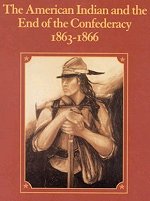 The American Indian and the End of the Confederacy, 1863-1866 The vulnerability of the Indians caught between two warring sides. The failure of the US government to afford to the southern Indians the protection solemnly guaranteed by treaty stipulations was the great cause of their entering into an alliance with The Confederacy |
 500 Nations An eight-part documentary that explores the history of the indigenous peoples of North and Central America, from pre-Colombian times through the period of European contact and colonization, to the end of the 19th century and the subjugation of the Plains Indians of North America |
Oklahoma State Battle Map State Battle Maps American Civil War Exhibits Civil War Summary Women in the War Civil War Submarines Documents of the Civil War Confederate Commanders Union Generals Civil War Picture Album |
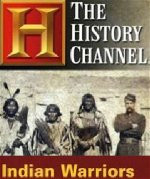 Indian Warriors - The Untold Story of the Civil War Some 20-30 thousand Native Americans fought in the Civil War. Ely Parker was a Seneca leader who found himself in the thick of battle at the side of General Ulysses S. Grant. Stand Waite, a Confederate General and a Cherokee was known for his brilliant guerilla tactics |
The American Indian and the End of the Confederacy, 1863-1866 The vulnerability of the Indians caught between two warring sides. The failure of the US government to afford to the southern Indians the protection solemnly guaranteed by treaty stipulations was the great cause of their entering into an alliance with The Confederacy |
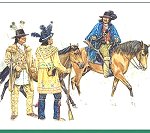 The American Civil War in Indian Territory Native Americans fought in both Union and Confederate units. The Indian Territory saw its share of battles and campaigns. If you are a reenactor or modeler this is the kind of detail that you need. The photos and artwork make this a must-have. |
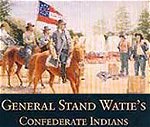 General Stand Watie's Confederate Indians The Confederacy pioneered the idea of giving blacks and women positions of authority [the Matron Law], placed Jews in positions of power, put General's stars on a Mexican and the first American Indian General. This book is his story |
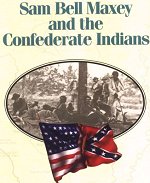 Sam Bell Maxey and the Confederate Indians Accompanying photos, clear maps. This book will leave you wanting to learn more about this rather neglected region of the war. No less important in many regards for the defining of the nation's future than the more well-known battlefields of Virginia, Maryland, and Pennsylvania. Highly recommended |
Kindle Available Civil War on the Western Border, 1854-1865 Fanatical politics of the western frontier, immigrant abolitionists with loaded Spencer rifles funded by mysterious personages back East, cut-throats, gin heads and horse thieves, colorful character descriptions |
 The Civil War in Arizona: The Story of the California Volunteers, 1861-1865 History of the California Column in wartime Arizona and a rare compilation of letters written by the volunteer soldiers who served in the U.S. Army from 1861 to 1866. These letters provide testimony of the grueling desert conditions the soldiers endured as they fought on many fronts |
 Black Flag: Guerrilla Warfare on the Western Border, 1861-1865: A Riveting Account of a Bloody Chapter in Civil War History The guerilla warfare along the Kansas-Missouri boarder brought forth some of the bloodiest incidents of the Civil War |
Kindle Available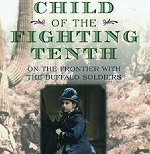 Child of the Fighting Tenth: On the Frontier with the Buffalo Soldiers The drama of growing up in the frontier army, the Indian wars on the plains, the Geronimo campaign in the Southwest and Mexico, her love for the regiment and the Buffalo Soldiers, their admiration for her, and even her lost love for a dashing young cavalry officer |
|
Books Civil War Womens Subjects Young Readers Military History DVDs Confederate Store Civil War Games Music CDs Reenactors |
