 Struggle for the Heartland: The Campaigns from Fort Henry to Corinth The military campaign that began in early 1862 with the advance to Fort Henry and culminated in late May with the capture of Corinth, Mississippi. The first significant Northern penetration into the Confederate west |
Chattanooga
|
|
|
|
|
Kindle Available Decision in the Heartland The Civil War in the West The western campaigns cost the Confederacy vast territories, the manufacturing of Nashville, the financial center of New Orleans, communication hub Corinth, Chattanooga, and Atlanta, along with the breadbasket of the Confederacy. |
Kindle Available Tennessee in the Civil War Selected Contemporary Accounts of Military and Other Events, Month by Month |
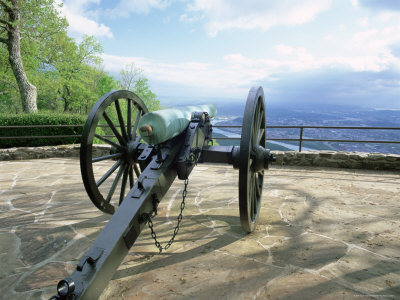
Cannon in Point Park Overlooking Chattanooga City Chattanooga, Tennessee, United States of America Photographic Print 24 in. x 18 in. Buy at AllPosters.com Framed Mounted |
Kindle Available From Manassas to Appomattox General James Longstreet According to some, he was partially to blame for the Confederate defeat at Gettysburg; according to others, if Lee had followed Longstreet's advice, they would have won that battle. He has been called stubborn and vain; and he has been lauded as one of the greatest tacticians of the Civil War |
Tennessee State Battle Map
State Battle Maps
American Civil War Exhibits
Civil War Timeline
Women in the War
Civil War Summary
Documents of the Civil War
Civil War Cooking
Civil War Submarines
Kids Zone Causes of the War
 Gettysburg Playset 12 to 26 piece soldier play sets. Ages 6 and Up |
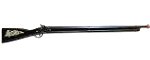 Civil War Musket Wood & Steel Frontier Rifle Designed After The Original Rifle, This Civil War Musket replica has been designed after the original rifle of its era. Measures approximately 37 inches long. Each is constructed with a solid one-piece wood stock, painted steel barrel and die-cast parts. |
|
12 Inch Action Figures 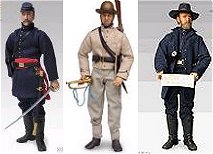 |
|
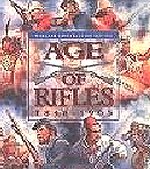 Wargame Construction Age of Rifles 1846 - 1905 Game lets you design and play turn-based strategic battles. You can create scenarios betwen years 1846 and 1905. You have complete control over all the units, and can customize their firepower, movement points, strength, aggressiveness, etc. Supports 1 or 2 players |
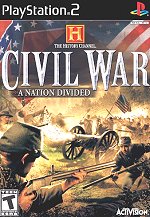 History Channel: Civil War A Nation Divided Rally the troops and organize a counterattack -- Your strategic decision and talent as a commander will decide if the Union is preserved or if Dixie wins its independence |
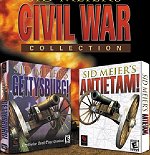 Sid Meier's Civil War Collection Take command of either Confederate or Union troops and command them to attack from the trees, rally around the general, or do any number of other realistic military actions. The AI reacts to your commands as if it was a real Civil War general, and offers infinite replayability. The random-scenario generator provides endless variations on the battles |
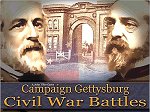 Campaign Gettysburg: Civil War Battles Campaign Gettysburg is simply the best of all the HPS Civil War games. While all of those are very good in their own right they simply do not compete with the level of detail presented here. Hundreds of scenarios and multiple OOBs are only the start, the best thing is the campaign game |
|
Books Civil War Womens Subjects Young Readers Military History DVDs Confederate Store Civil War Games Music CDs Reenactors |