 Storming the Heights: A Guide to the Battle of Chattanooga The Confederate victory of Chickamauga drove the Union Army of the Cumberland back to the key railroad hub of Chattanooga. In early October it had appeared that all Union gains in southern Tennessee might be lost |
Nashville Tennessee
American Civil War
|
| U.S. Colored troops were used extensively in several 1864 campaigns. Of particular note in the West was the Battle of Nashville, in which eight black regiments played a key role in the Federal defeat of the Confederate Army of Tennessee by the Army of the Cumberland. |
|
 The Confederacy's Last Hurrah: Spring Hill, Franklin, and Nashville John Bell Hood rallied his demoralized troops and marched them off the Tennessee, desperately hoping to draw Sherman after him and forestall the Confederacy's defeat  Honor in Command: Lt. Freeman S. Bowley's Civil War Service in the 30th United States Colored Infantry A young white officer who served as a lieutenant in a regiment of U.S. Colored Troops in the Union Army, is the work of a superb storyteller who describes how his Civil War experiences transformed him from a callow youth into an honorable man. |
Kindle Available Standard Catalog of Civil War Firearms Over 700 photographs and a rarity scale for each gun, this comprehensive guide to the thousands of weapons used by Billy Yank and Johnny Reb will be indispensable for historians and collectors. |
Battle at Pittsburg Landing Art Print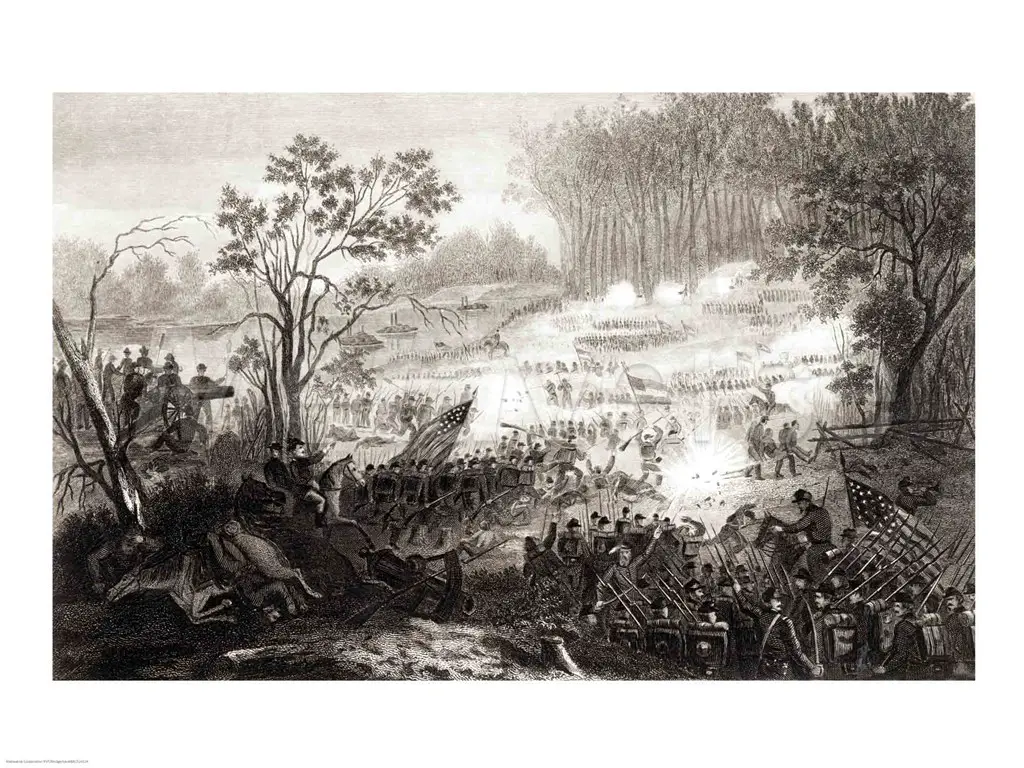 |
 20 piece Civil War Artillery Playset Civil War Artillery Set: 20 piece set includes 12 Artillery Crew Figures in Blue and Gray that stand up to 58mm tall, 4 Parrott Rifle Gun Cannon about 4 inches long, and 4 Cannonball stacks |
Tennessee State Battle Map State Battle Maps American Civil War Exhibits Civil War Timeline Women in the War Civil War Summary Documents of the Civil War Civil War Cooking Civil War Submarines Kids Zone Causes of the War |
 Civil War Model 1851 Naval Pistol Engraved Silver Tone / Gold Tone Finish and Wooden Grips - Replica of Revolver Used by Both USA / Union and CSA / Confederate Forces |
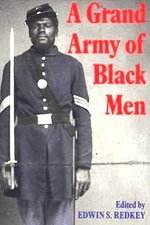 A Grand Army of Black Men: Letters from African-American Soldiers in the Union Army 1861-1865 Almost 200,000 African-American soldiers fought for the Union in the Civil War. Although most were illiterate ex-slaves, several thousand were well educated, free black men from the northern states |
 Where the South Lost the War: An Analysis of the Fort Henry-Fort Donelson Campaign The war probably could have been over in 1862 had Lieutenant Phelps destroyed the bridge at Florence. Not doing so provided a retreat for A. S. Johnston to move his men to Corinth and then to Shiloh |
 Lee's Cavalrymen: A History of the Mounted Forces of the Army of Northern Virginia, 1861-1865 The cavalry of the Army of Northern Virginia its leadership, the military life of its officers and men as revealed in their diaries and letters, the development of its tactics as the war evolved, and the influence of government policies on its operational abilities. All the major players and battles are involved |
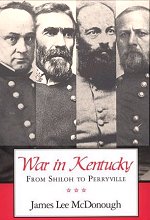 War in Kentucky: From Shiloh to Perryville Union gains in the Mississippi Valley and in Tennessee and Kentucky had brought the Confederacy to a point of crisis. This addition to the literature on the Civil War in the West tells how the Union then failed to press home its advantage while the Confederacy failed to force Kentucky into the Confederacy |
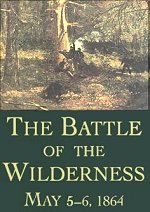 The Battle of the Wilderness May 5-6, 1864 Fought in a tangled forest fringing the south bank of the Rapidan River, the Battle of the Wilderness marked the initial engagement in the climactic months of the Civil War in Virginia, and the first encounter between Ulysses S. Grant and Robert E. Lee |
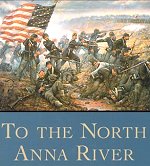 To the North Anna River: Grant and Lee, May 13-25, 1864 Spectacular narrative of the initial campaign between Ulysses S. Grant and Robert E. Lee in 1864. May 13 through 25, was critical in the clash between the Army of the Potomac and the Army of Northern Virginia. |
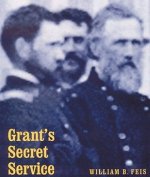 Grant's Secret Service: The Intelligence War from Belmont to Appomattox The first scholarly examination of the use of military intelligence under Ulysses S. Grant's command during the Civil War. Feis makes the new and provocative argument that Grant's use of the Army of the Potomac's Bureau of Military Information played a significant role in Lee's defeat |
Kindle Available Men of Fire: Grant, Forrest, and the Campaign That Decided the Civil War In the winter of 1862, on the border between Kentucky and Tennessee, two extraordinary military leaders faced each other in an epic clash that would transform them both and change the course of American history forever |
|
Books Civil War Womens Subjects Young Readers Military History DVDs Confederate Store Civil War Games Music CDs Reenactors |
